R-7 ‘Sapwood’: How the Soviet Union built their first intercontinental ballistic missile

On August 21, 1957, the USSR conducted the first ever completely successful ICBM launch, when a prototype of the R-7 (SS-6 'Sapwood') missile delivered a dummy warhead of about 5,600 km from the launch site.
A milestone in strategic weapons history
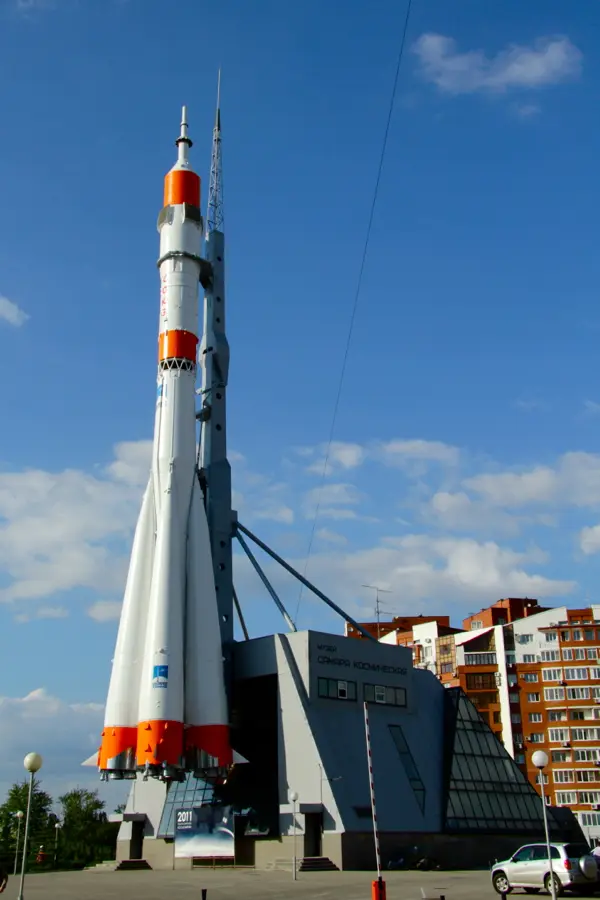
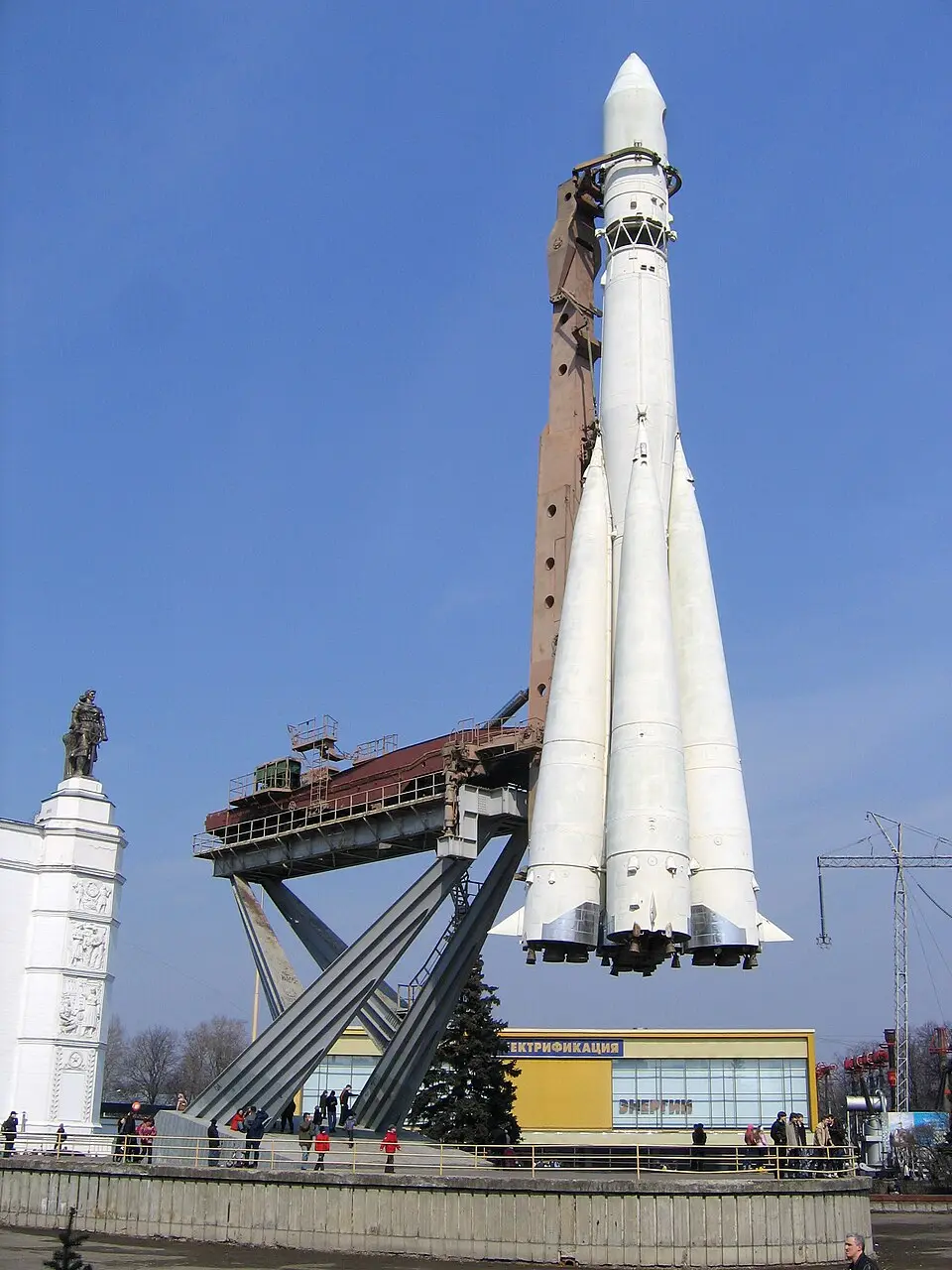
The Soviet R-7 missile, known by its NATO reporting name SS-6 Sapwood, holds the distinction of being the first intercontinental ballistic missile (ICBM) to be tested. On August 21, 1957, the USSR conducted the first ever completely successful ICBM launch, when a prototype of the R-7 (SS-6 'Sapwood') missile delivered a dummy warhead of about 5,600 km from the launch site. The rocket's successful test from the Baikonur Cosmodrome in Kazakhstan, marked the first time a missile had achieved true intercontinental range. This achievement not only had major military implications but also fuelled competition in both strategic weapons and space exploration.
Origins and development
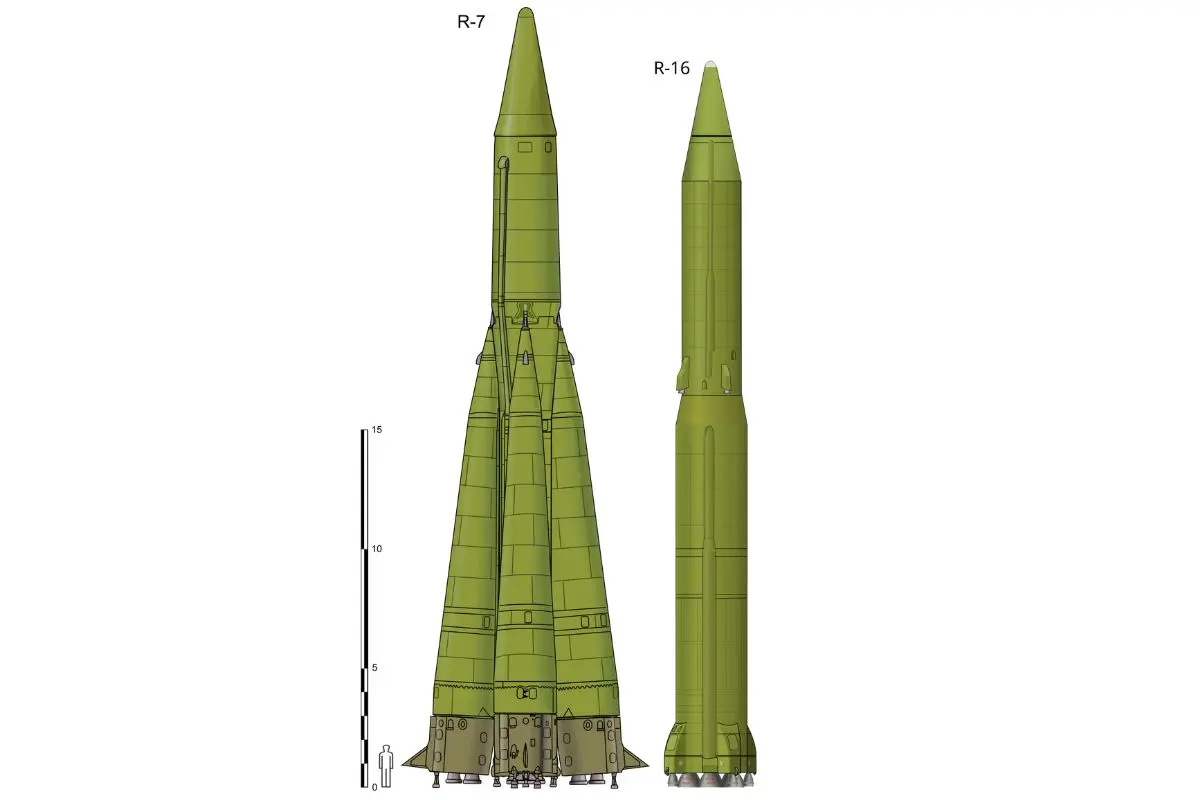
The R-7 programme began in the early 1950s under the direction of Soviet rocket designer Sergei Korolev, with the aim of creating a missile capable of delivering a heavy thermonuclear warhead to distant targets. According to the Federation of American Scientists, it was a one and one-half stage, cryogenic liquid-propellant missile, which was estimated to be capable of delivering a 9000 lb reentry vehicle to a maximum operational range of 6500 nm with a CEP of approximately 2 nm.
Test flights and early challenges
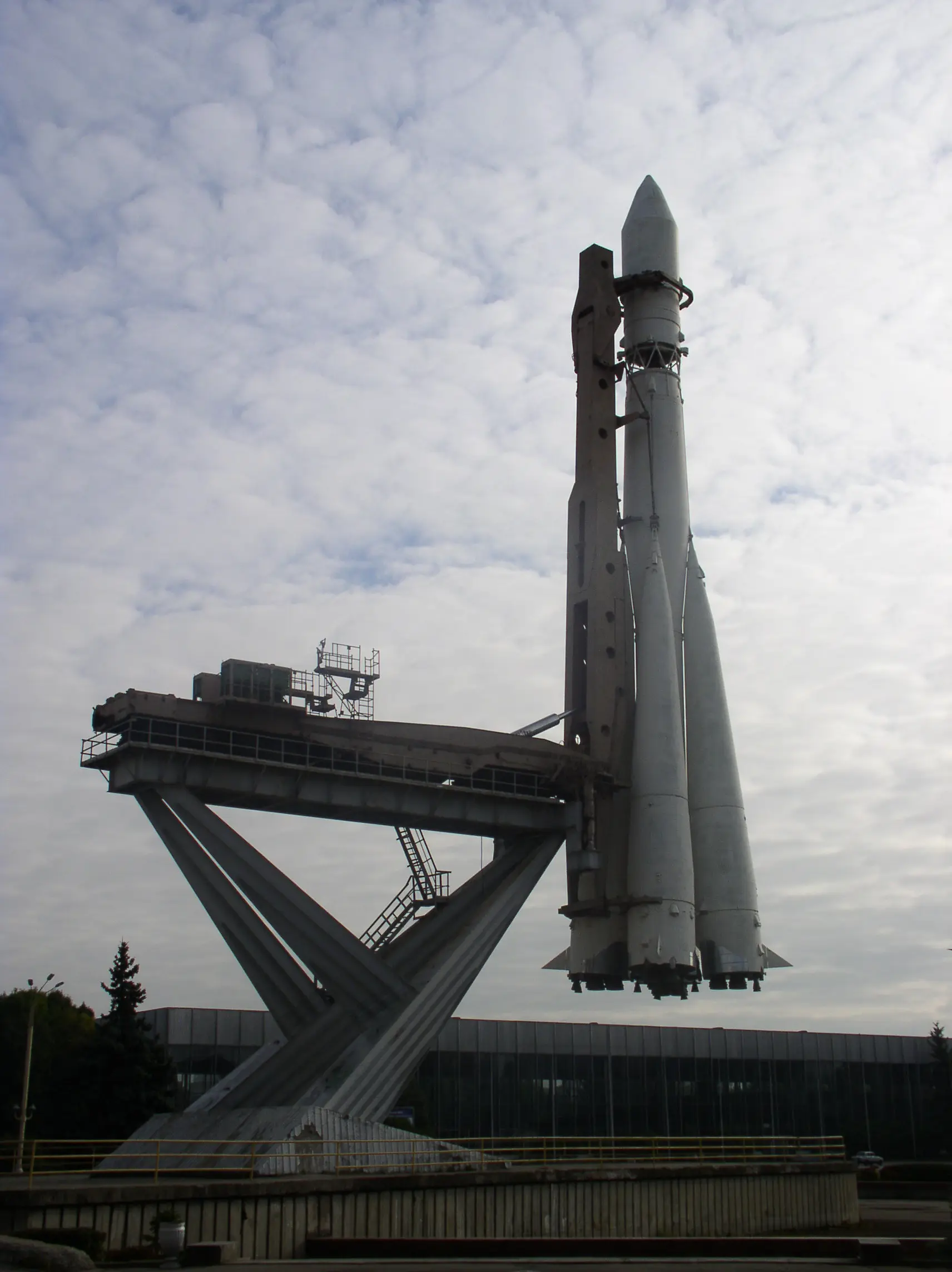
Flight testing of the R-7 began in May 1957, and initial launches revealed significant technical challenges, including booster separation issues and stability problems. Nevertheless, on August 21, 1957, the missile completed its first long-range flight, reaching over 6,000 km before the dummy warhead disintegrated on re-entry. A second successful test followed shortly afterward.
Operational service and deployment
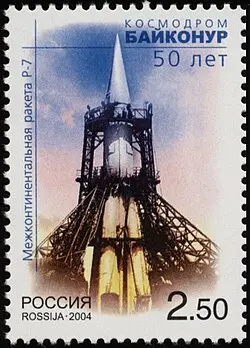
Although the original R-7 concept was never widely fielded as an operational weapon, a refined variant known as the R-7A later entered service in 1960. This version had a lighter warhead and improved guidance systems, and 28 test launches were conducted before its retirement in 1968, according to Wikipedia. The main operational base for R-7A missiles was the Plesetsk Cosmodrome, located in northern Russia.
Role in the space race
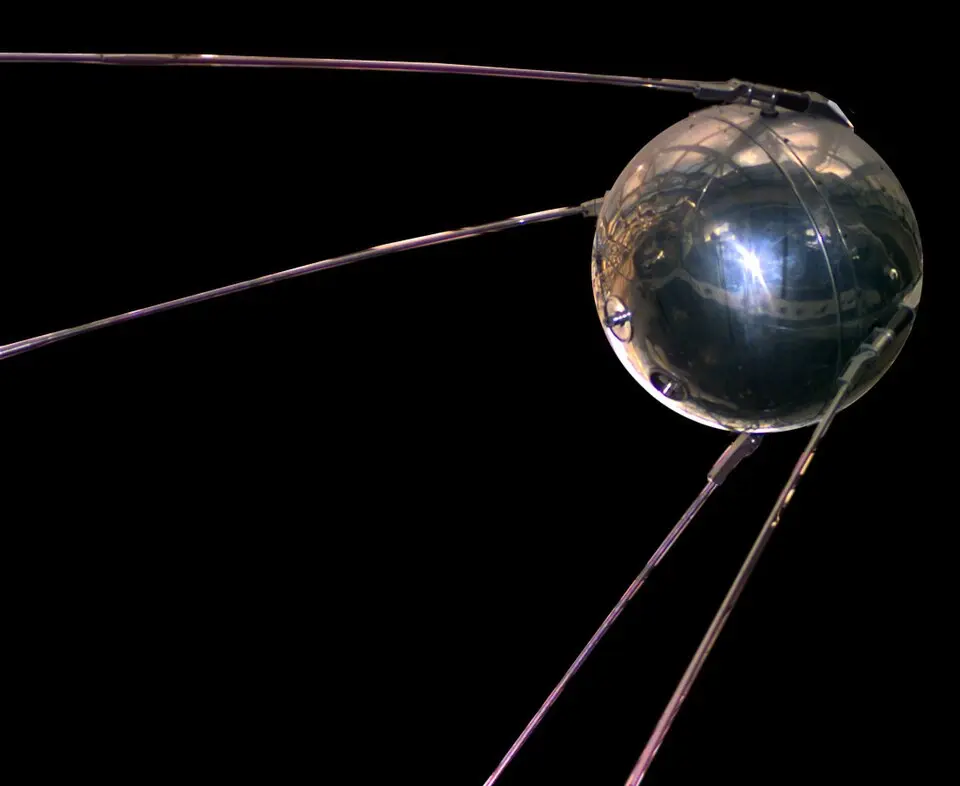
Beyond its military origin, the R-7 rocket family became deeply associated with space exploration. An unmodified R-7 was used to launch Sputnik 1, the first artificial satellite, on October 4, 1957, and variants later placed the first human, Yuri Gagarin, into orbit in 1961.
The first US ICBMs
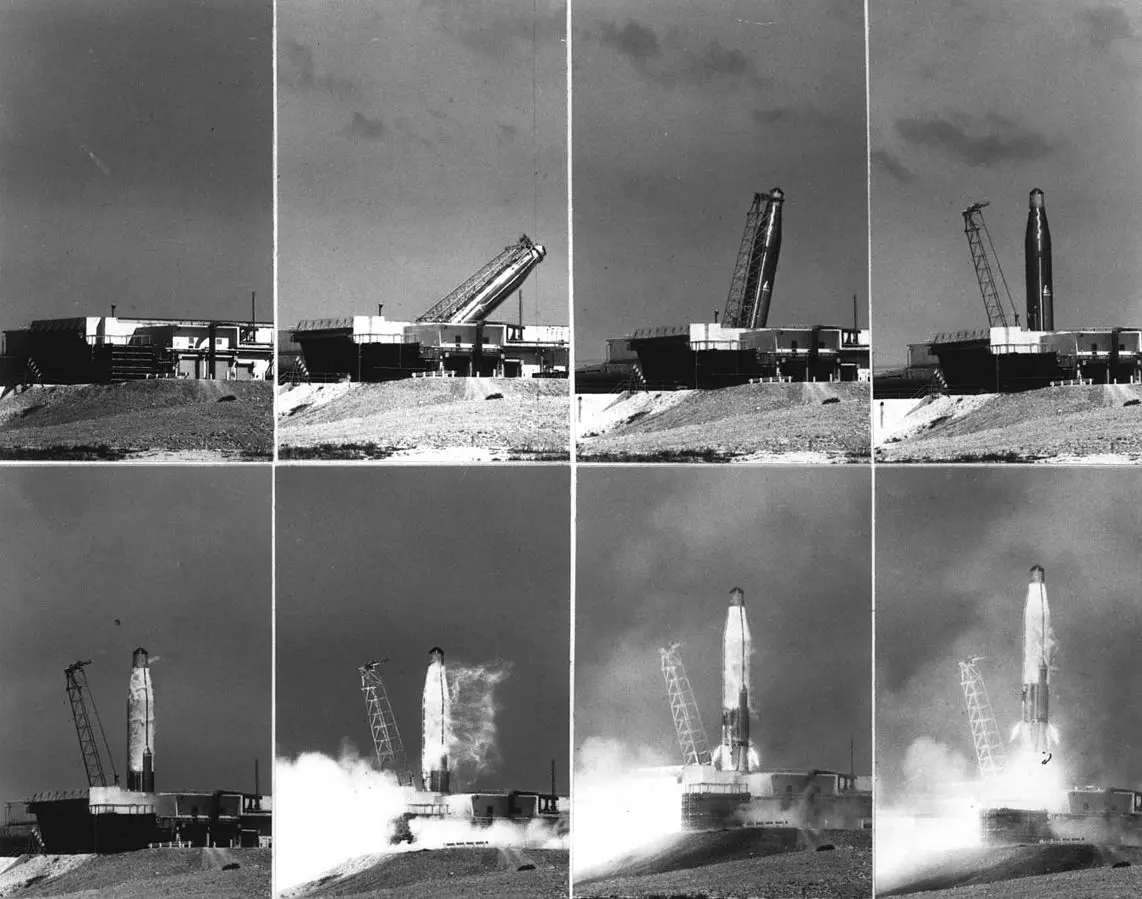
The late 1950s saw the development of the first ICBMs accelerate as the arms race heated up as after the soviets tested R-7. The National Park Service states that in 1959, SM-65 Atlas missile became the United States’ first viable ICBM. Deployed between 1959 and 1965 at Air Force bases from New York State to New Mexico, it was ground-launched, liquid-fueled, ballistic missile that existed in three variants: Atlas D, E and F. Despite incremental improvements, the Atlas programme was very short-lived, as its liquid fuel was highly volatile, leading to its retirement after just six years.
Limitations as a weapon
Despite its pioneering status, the R-7 was problematic as a strategic weapon. Its large launch complexes were vulnerable to attack, and the rocket took many hours to prepare for launch, limiting its readiness in a nuclear confrontation. These constraints prompted the development of more responsive missile systems in the 1960s.
)
)
)
)
)