Project Kusha: How India’s homegrown shield set to beat S-400 on cost and control

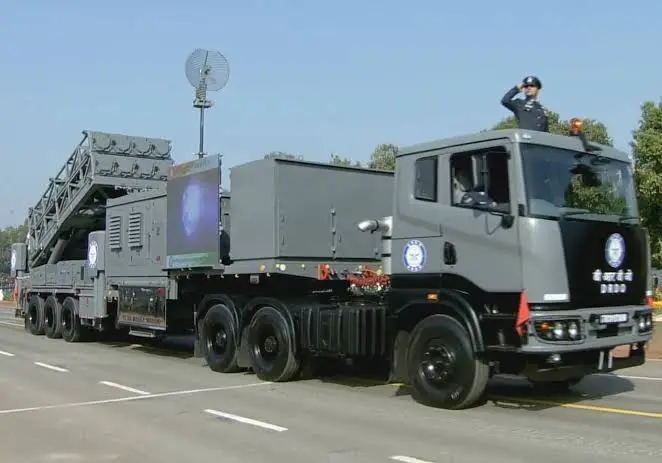
India is pushing DRDO-made Project Kusha, a new long-range air defence system, to build a strong Indian system that can safeguard the sky at long distances & reduce the country’s dependency on foreign suppliers. The official name of the Project is the Extended Range Air Defence System.
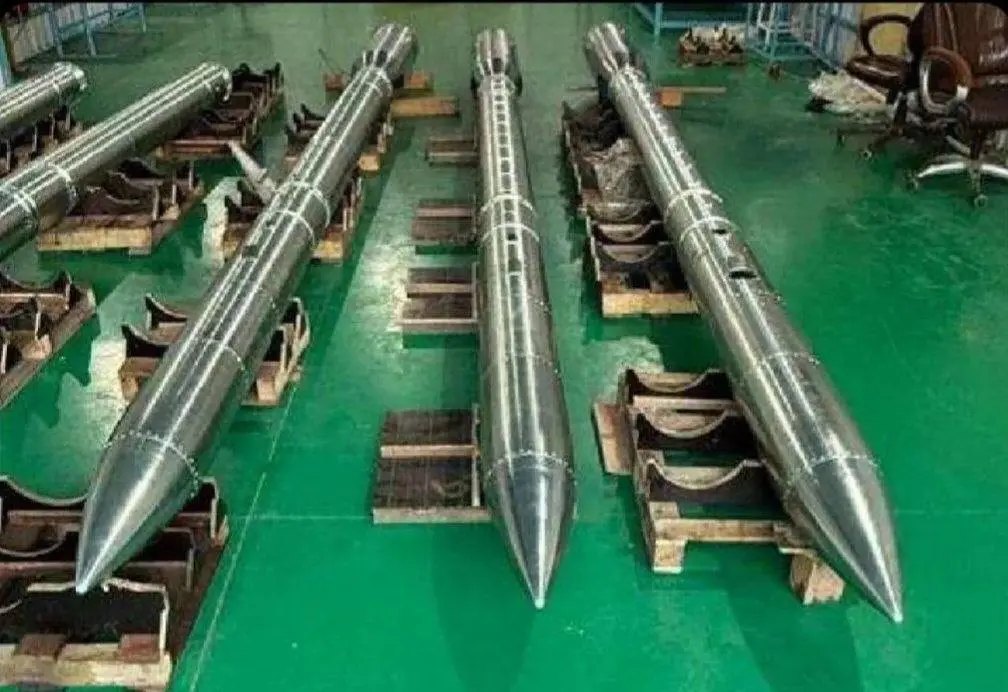
Project Kusha’s three-layer design
Various reports suggest Project Kusha is being developed as an indigenous alternative to long-range air defence systems such as the Russian S-400. It is expected to be deployed by the Indian Air Force between 2028 and 2029, with phased induction likely continuing into 2030. According to open-source information, the system will operate across three tiers: the M1 missile with an estimated range of around 150 km, the M2 with roughly 250 km, and the M3, the most advanced, projected to cover about 350–400 km. Reports also noted that the M1 interceptor had successfully achieved early development milestones, marking a key step forward for the programme.
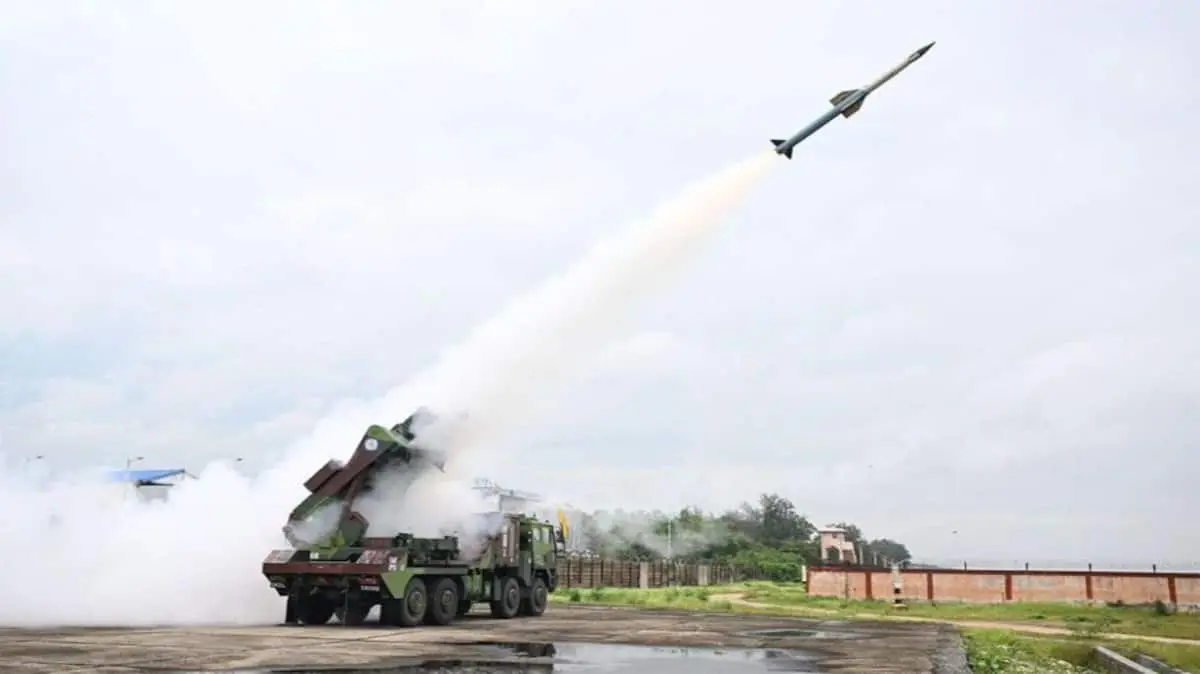
Control and autonomy
A domestically developed system would allow the armed forces to collaborate closely with Indian industry and agencies, reducing reliance on foreign suppliers for upgrades or modifications. Advocates argue this is crucial, as imported systems often come with strict restrictions on software access and customisation.
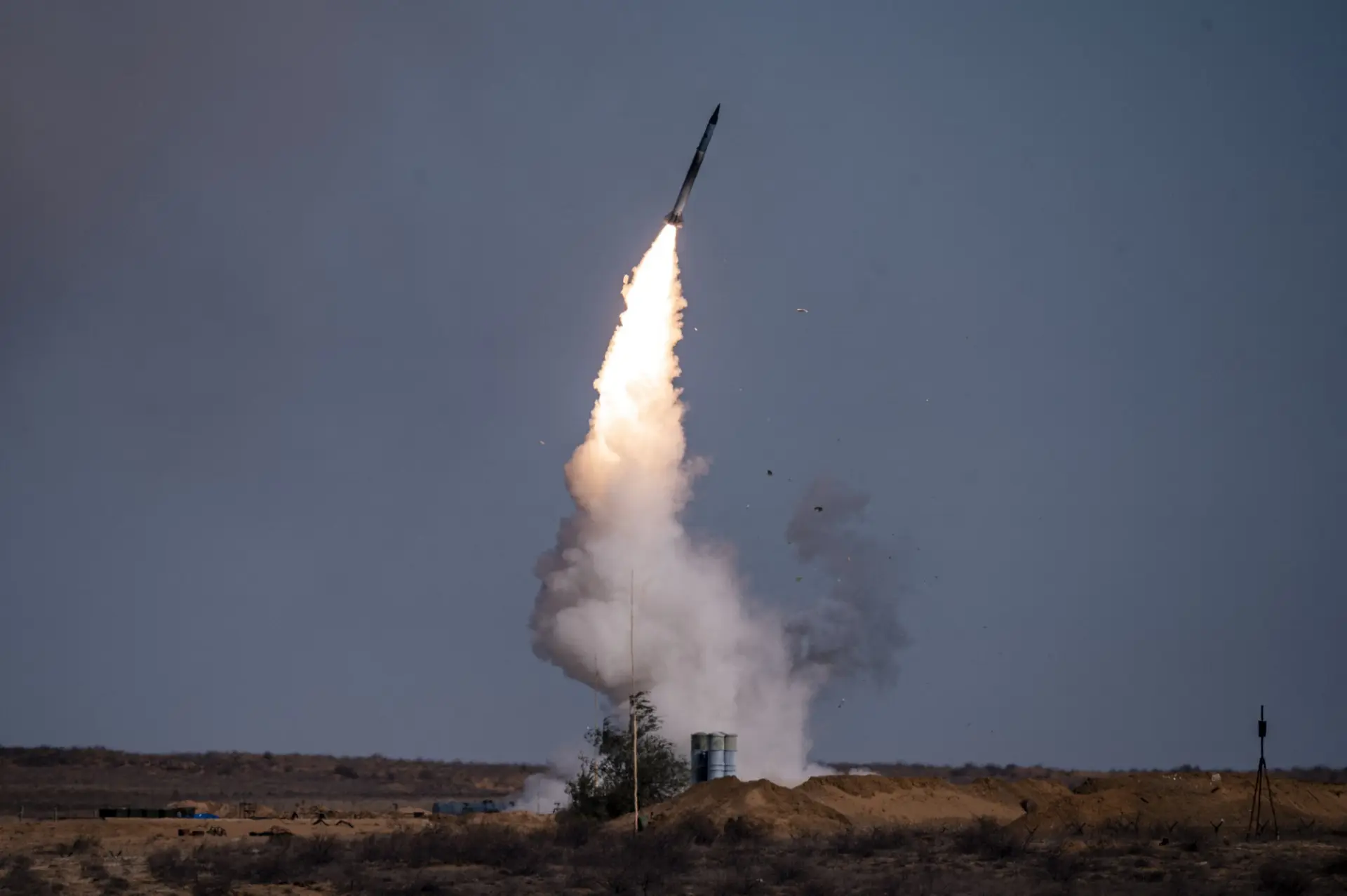
S-400 vs Project Kusha
India’s deal for the Russian S-400 was worth about $5.43 billion, while recent reports indicate that approval has been granted for acquiring five squadrons of Project Kusha for the Indian Air Force at roughly ₹21,700 crore. This cost difference has led many analysts and defence observers to view Kusha as a more economical long-term alternative, provided it meets performance expectations.
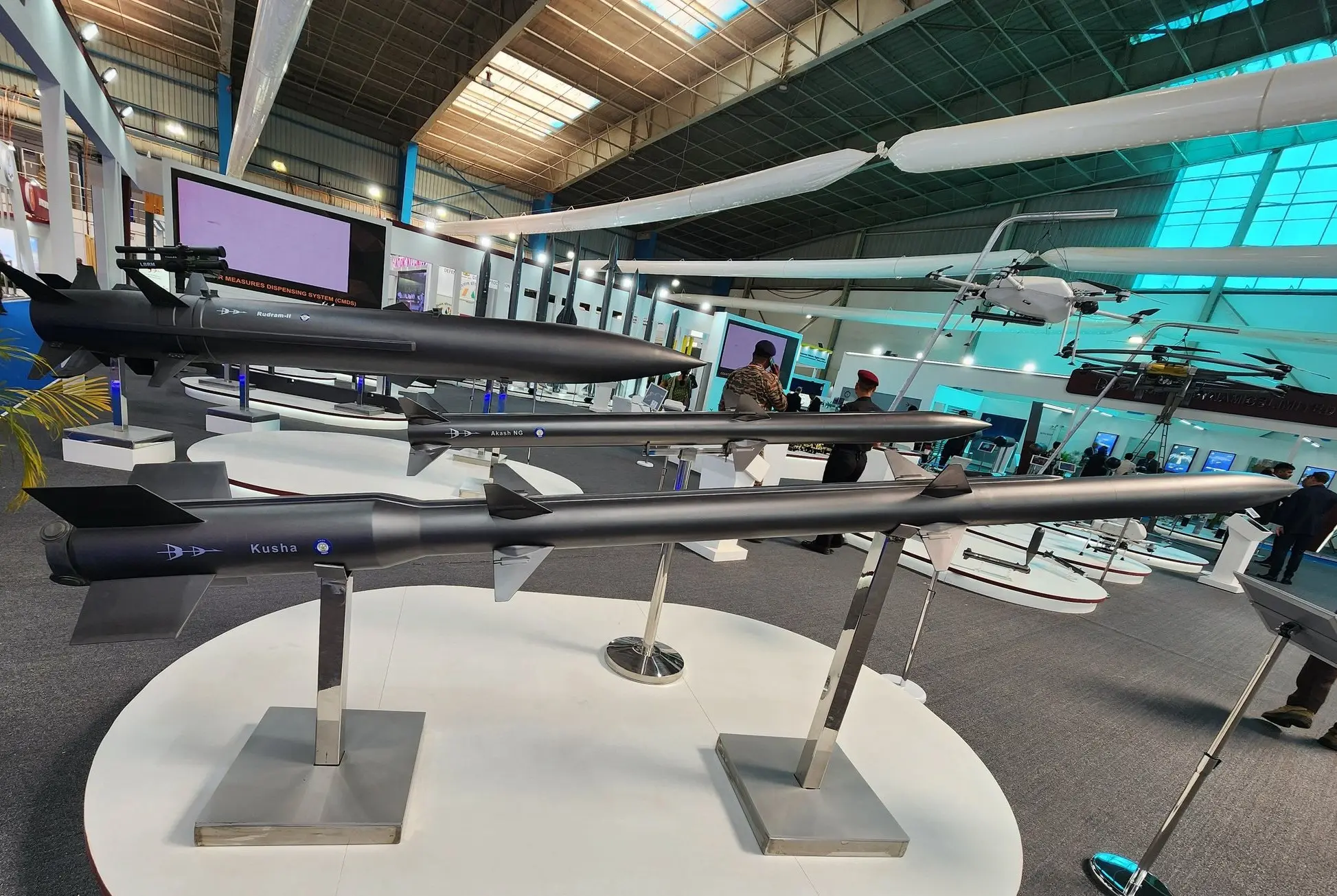
Lower lifecycle costs and better integration
Over time, maintaining a foreign system can be expensive and slow, as repairs, spare parts, upgrades, and overhauls often depend on external suppliers. Project Kusha aims to address this by enabling support and maintenance within India, which could reduce delays and improve operational readiness. Reports also highlight the involvement of Indian firms such as Bharat Electronics Limited and Bharat Dynamics Limited in key areas like radar systems, integration, and missile development.
Networked operations
According to open-source information cited by Newsd, Project Kusha is designed to integrate with India’s Integrated Air Command and Control System (IACCS). This matters because modern air defence relies on seamless coordination between radars, aircraft, command centres, and weapon systems. If Kusha integrates effectively with assets such as early-warning aircraft, fighter jets, and ground-based radars, it could enable faster response times and more informed decision-making during combat.
)
)
)
)
)