Predicting 3I/ATLAS’s path: From perihelion to deep space

3I/ATLAS’s orbit takes it closest to the Sun, then on to deep space. Scientists use telescopes and physics models to predict its safe path and understand comet behaviour.
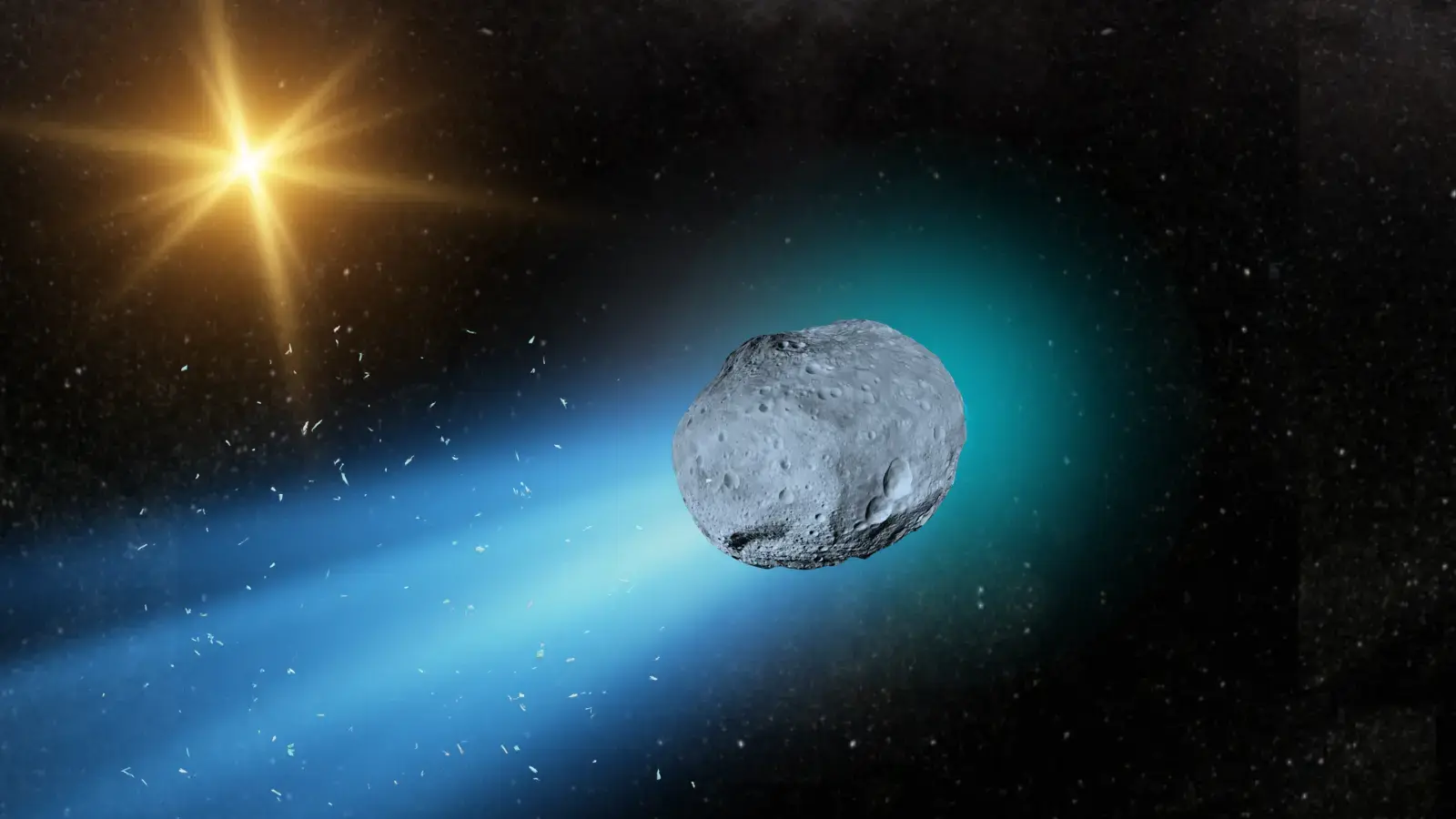
What Is Perihelion?
Perihelion is the closest point a comet gets to the Sun during its orbit. For 3I/ATLAS, this happens on October 29, 2025, at about 1.36 astronomical units (AU) just between Earth’s and Mars’s orbits.

Hyperbolic Path Means No Return
3I/ATLAS follows a hyperbolic orbit with eccentricity 6.1, meaning its path is very open and it will leave the solar system after perihelion. This is unlike most comets, whose orbits are elliptical and repeat.
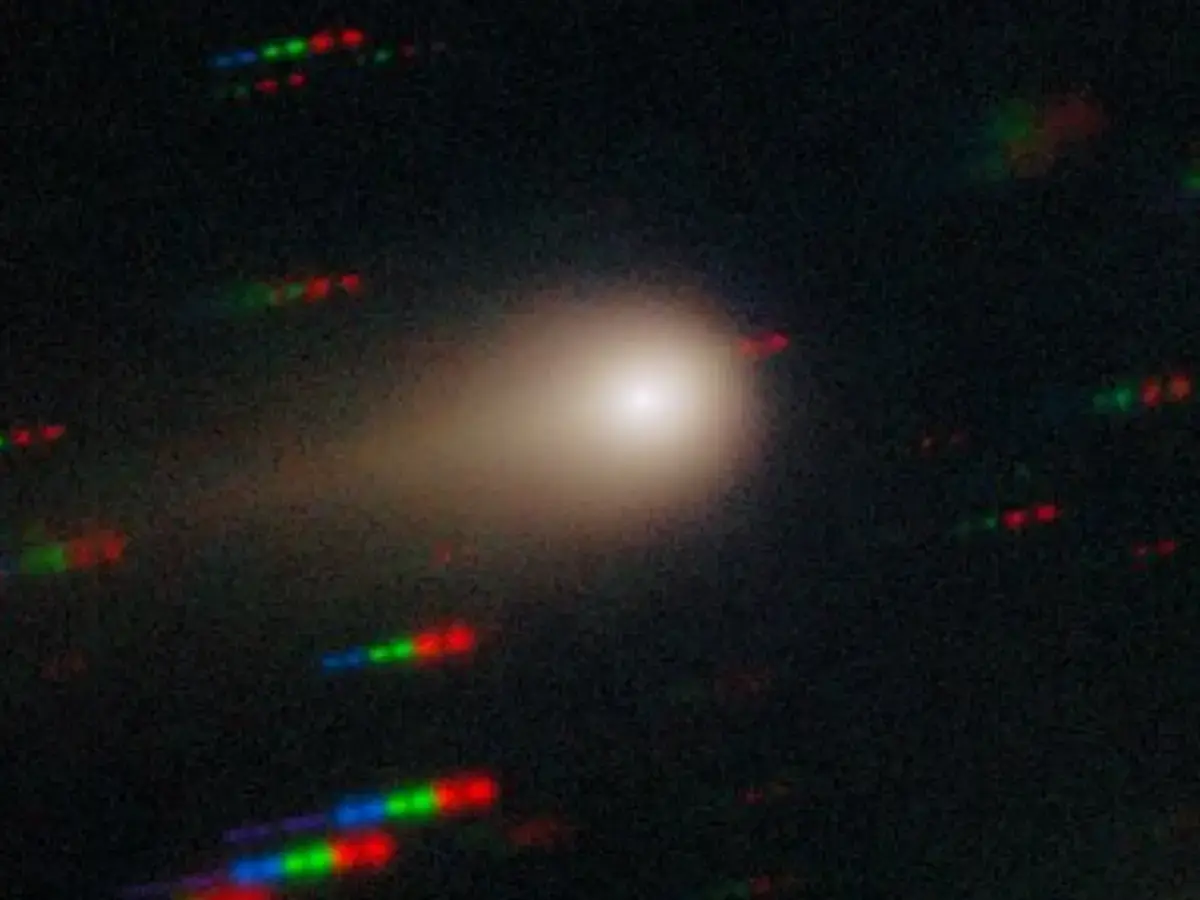
Tracking Using Global Telescopes and Space Probes
Telescopes worldwide, including NASA’s Hubble and ESA’s Mars orbiters, observe the comet regularly to measure position, speed, and brightness. These data points update models predicting its path as it moves faster near the Sun.
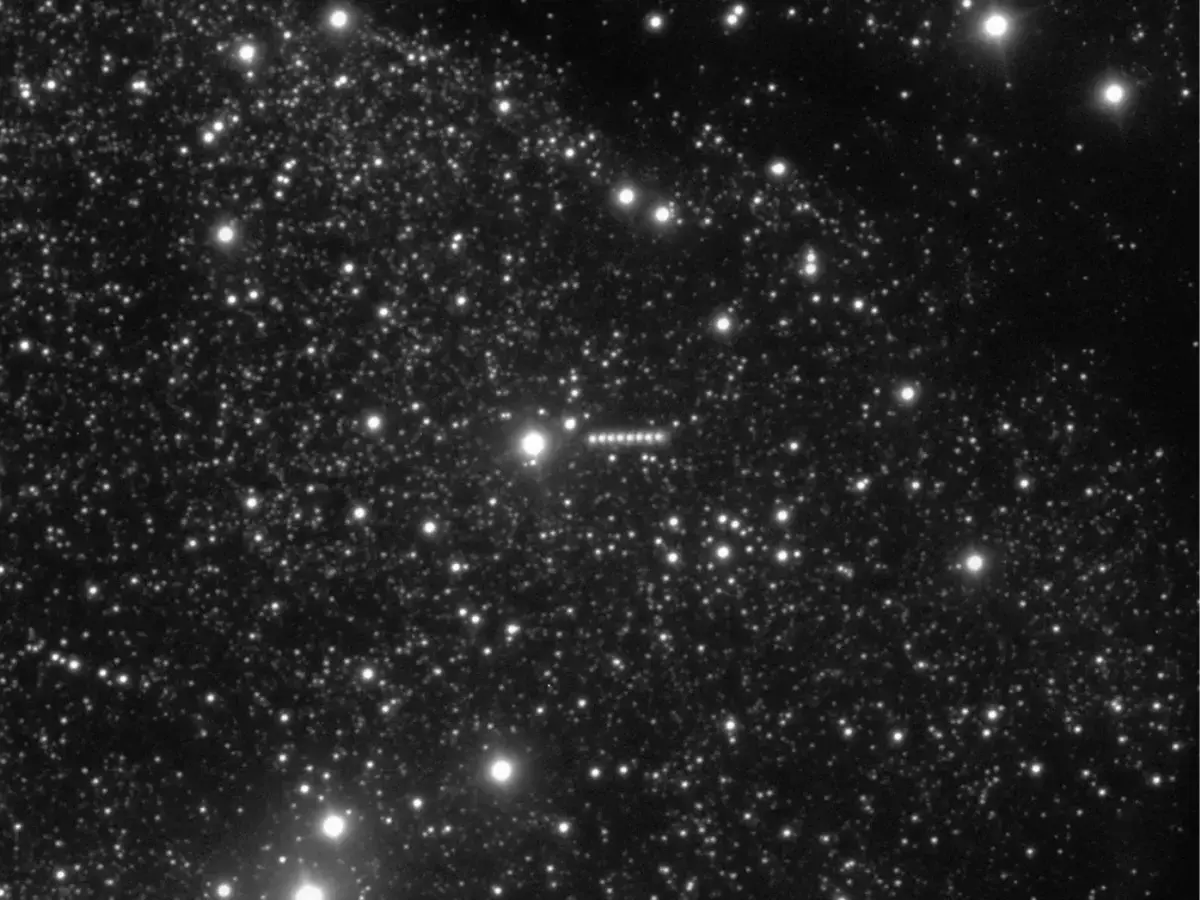
Effects of Solar Heating on Trajectory
Nearby the Sun, 3I/ATLAS’s icy surface vaporises, creating jets that push the comet, causing small but important changes in direction and speed. Scientists call this “non-gravitational acceleration” and factor it into trajectory predictions.
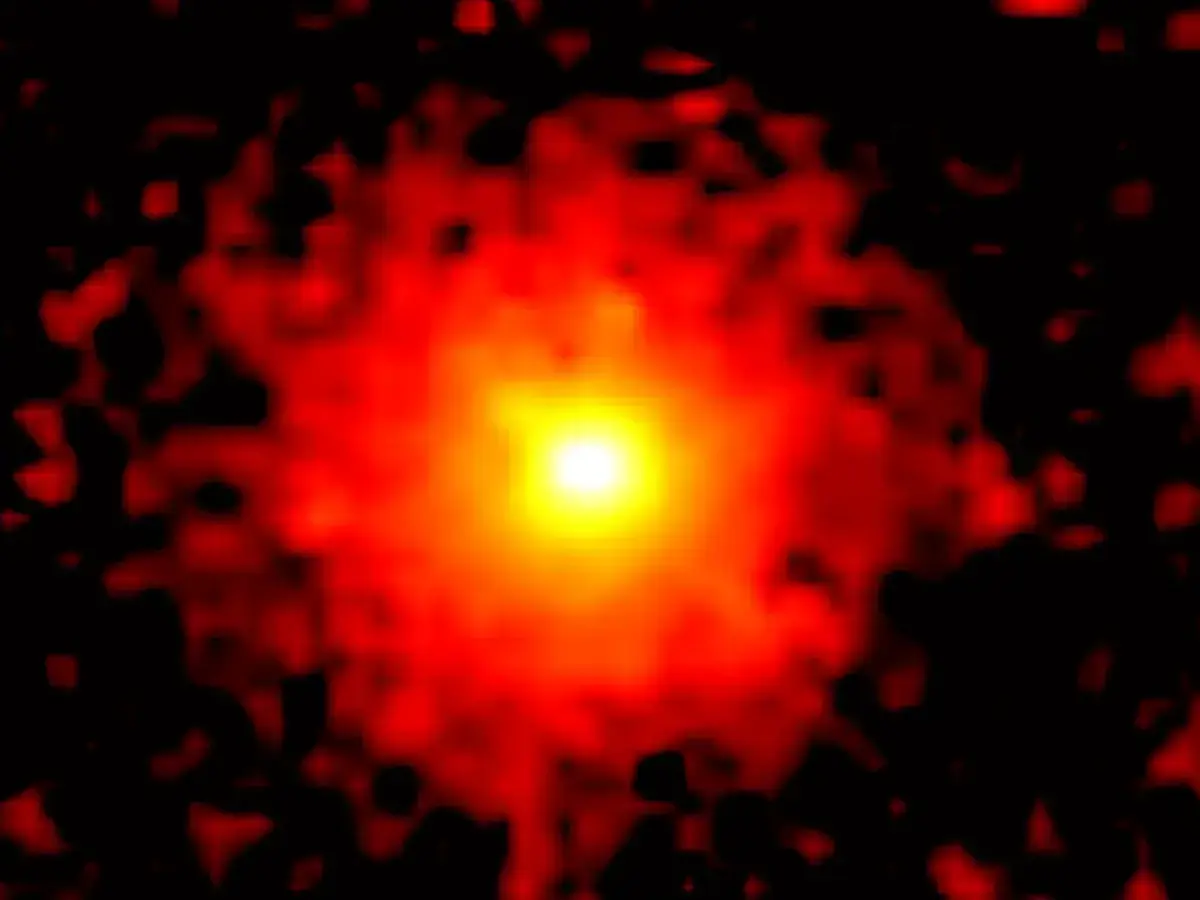
Close Approaches to Planets
As 3I/ATLAS moves out, it will pass safely near Mars, Venus, and Jupiter, but never close to Earth. These planetary ‘flybys’ slightly affect the comet’s trajectory through gravity.

Prediction Challenges
The unpredictable nature of outgassing can complicate long-term predictions. Scientists use advanced physics and computer modelling, constantly updating predictions with the latest observations to stay precise.
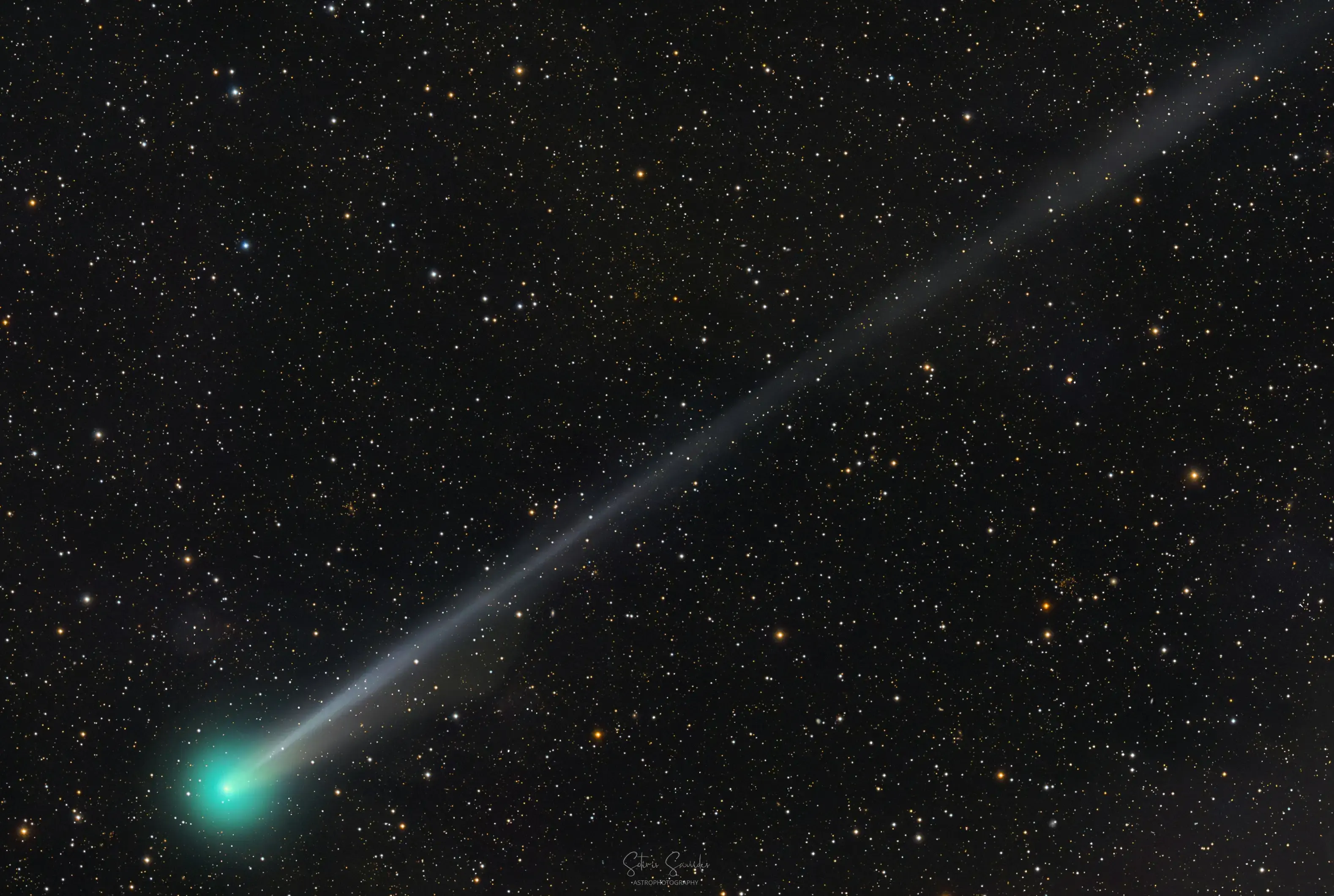
Why Predicting 3I/ATLAS Matters
Besides tracking safety, accurate trajectory prediction improves space object monitoring and planetary defence. It also offers insights into how objects from outside the solar system behave as they pass near the Sun.
)
)
)
)
)