Precision guidance system: The technology behind Agni-V’s accuracy

Agni-V's precision guidance system uses ring laser gyroscopes and satellite navigation to hit targets within metres. Its MIRV capability allows one missile to carry and deploy multiple warheads against different targets simultaneously, enhancing strategic deterrence.
What is Precision Guidance?
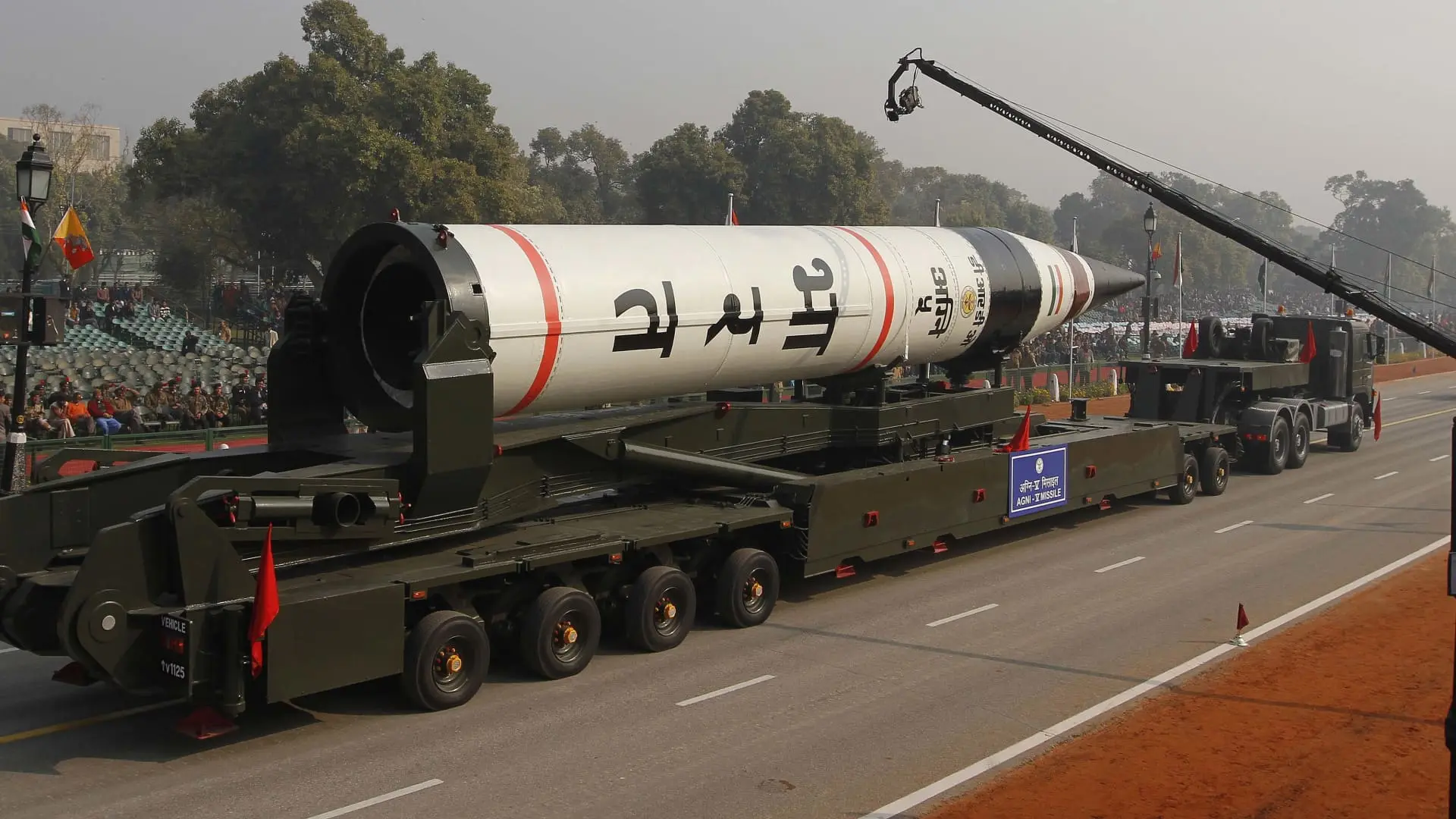
Precision guidance systems allow missiles to locate and strike targets with extraordinary accuracy over vast distances. Agni-V employs multiple navigation technologies working together - inertial systems, satellite signals, and onboard computers, to ensure the warhead reaches its intended target, not kilometres away, but within metres of the aim point.
Ring Laser Gyroscope - The Core System
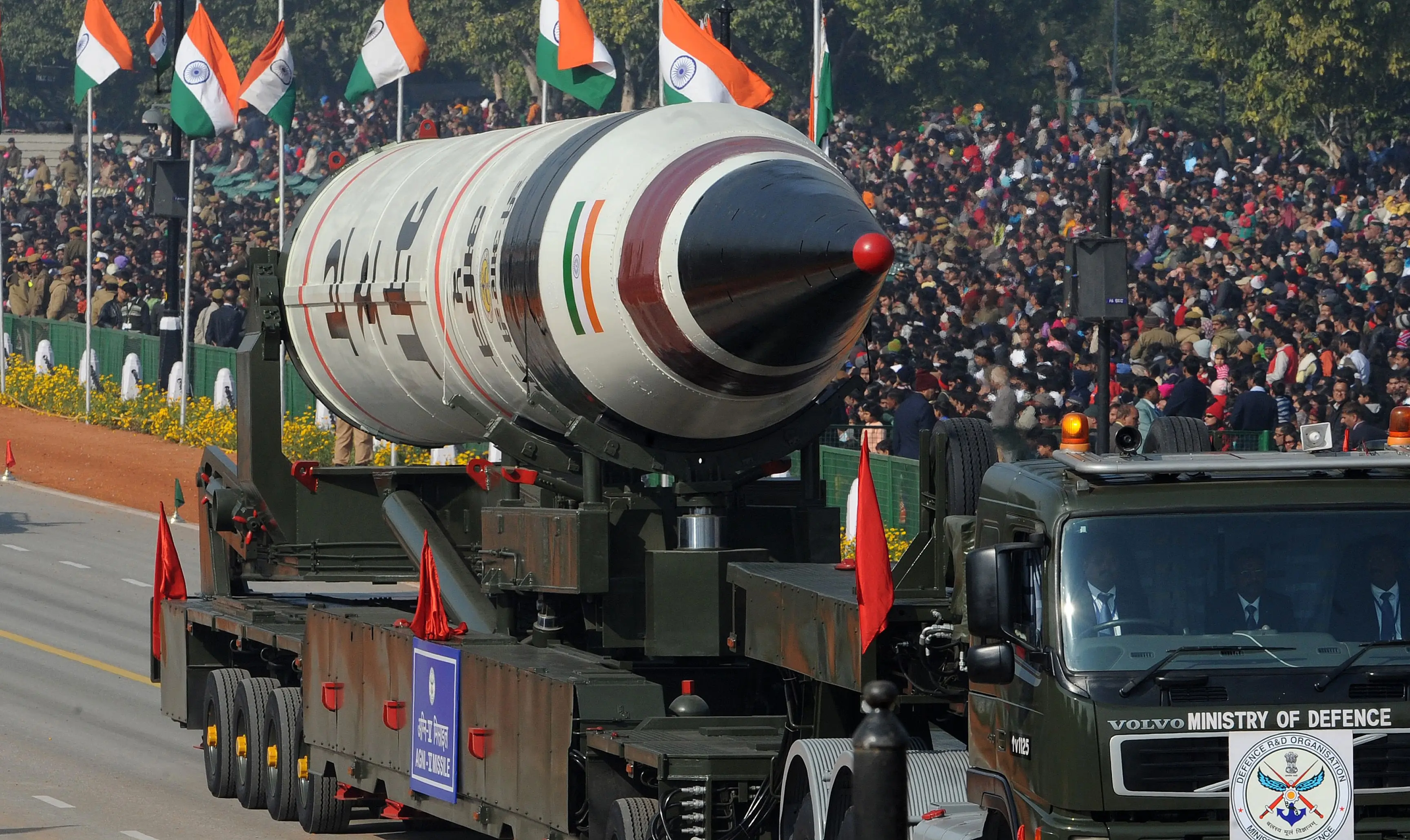
At the heart of Agni-V's accuracy is the Ring Laser Gyroscope-based Inertial Navigation System (RLG-INS). This advanced sensor detects minute changes in the missile's motion and direction during flight, continuously recalculating the correct trajectory. Even tiny adjustments compound over thousands of kilometres, enabling Agni-V to maintain course with remarkable precision throughout its entire journey.
Satellite Navigation Backup
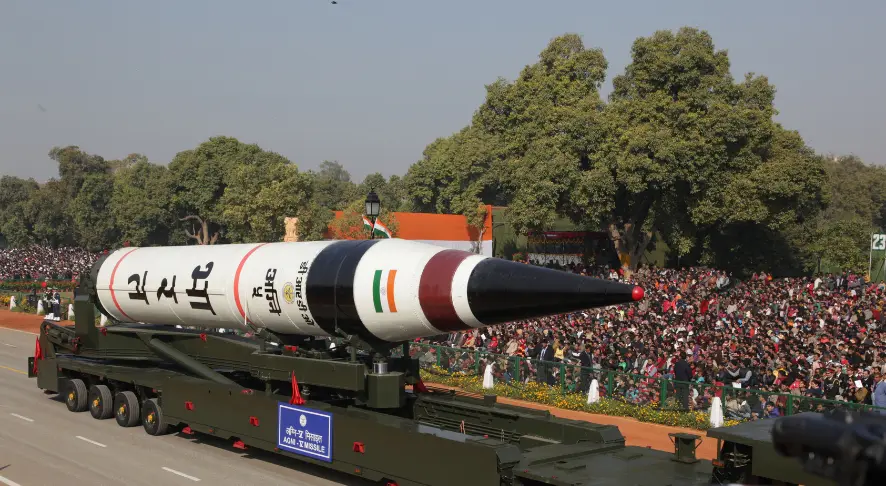
Agni-V integrates India's NavIC satellite constellation alongside the American GPS system to enhance targeting accuracy. These signals provide real-time position corrections, allowing the guidance computer to make final adjustments before re-entry. The dual-system approach ensures that even if one signal is disrupted, the missile can rely on backup navigation without loss of accuracy.
Circular Error Probable (CEP) - Measuring Accuracy
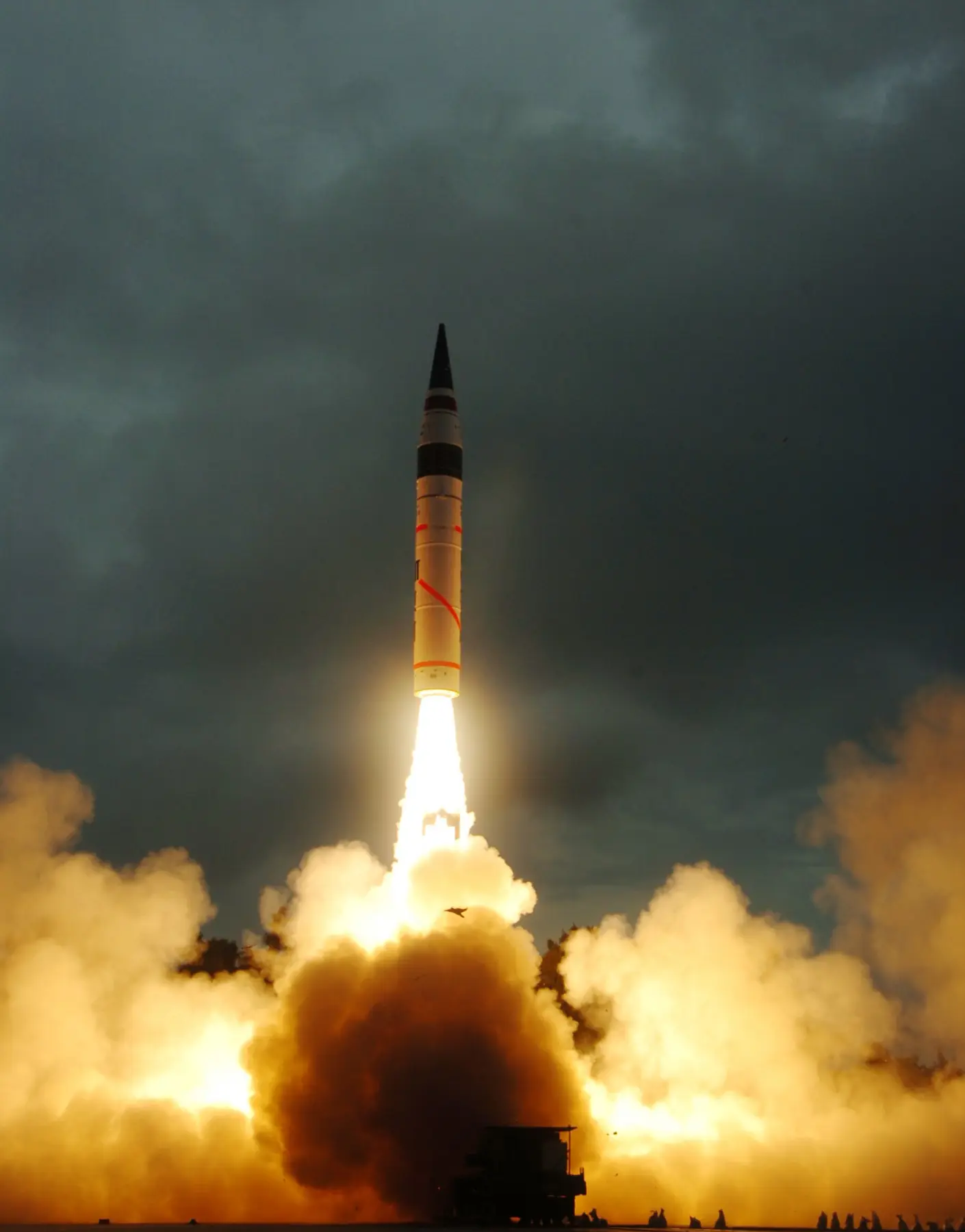
Accuracy is measured using Circular Error Probable, or CEP, the radius within which half of all fired missiles land. Agni-V achieves single-digit metre CEP, meaning 50 per cent of warheads land within metres of the target. This level of precision transforms Agni-V from a crude area-attack weapon into a surgical strike instrument capable of pinpoint targeting.
What is MIRV Technology?
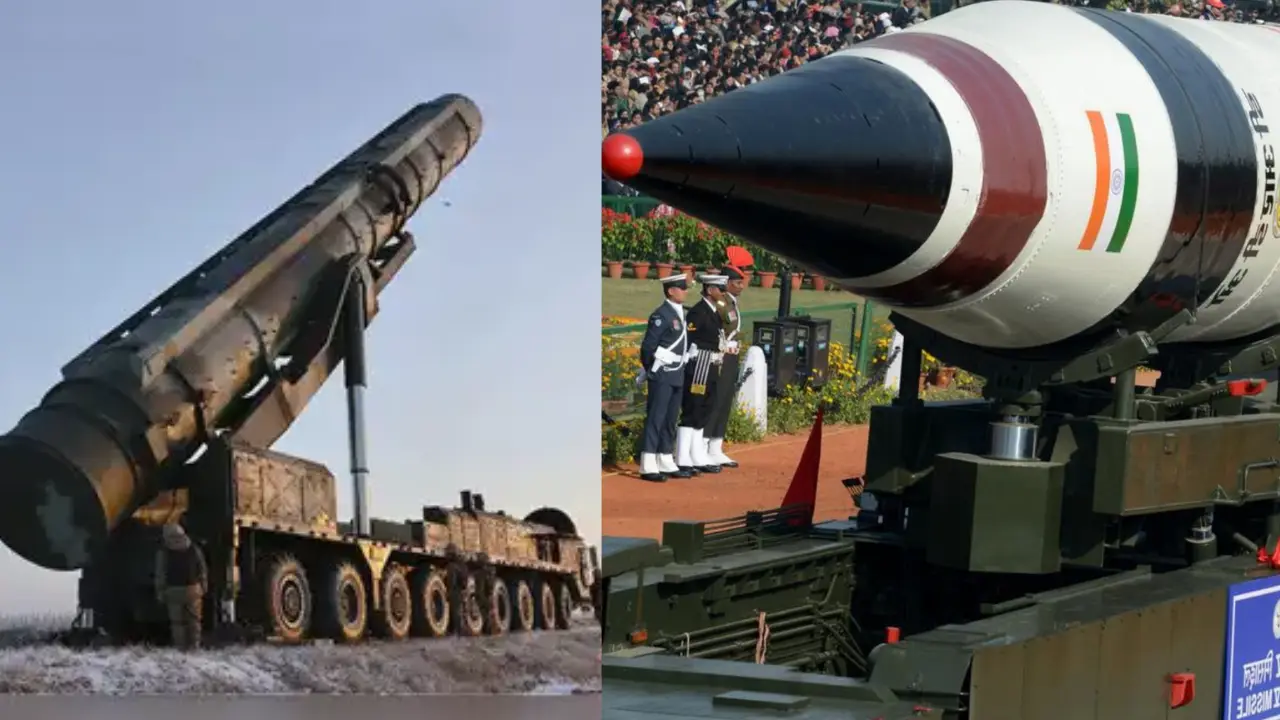
MIRV, Multiple Independently Targeted Re-entry Vehicle, allows one missile to carry and deploy multiple warheads against different targets. Each warhead travels on its own trajectory and can be programmed to strike a separate aim point, multiplying the missile's strategic value.
How Agni-V's MIRV Works
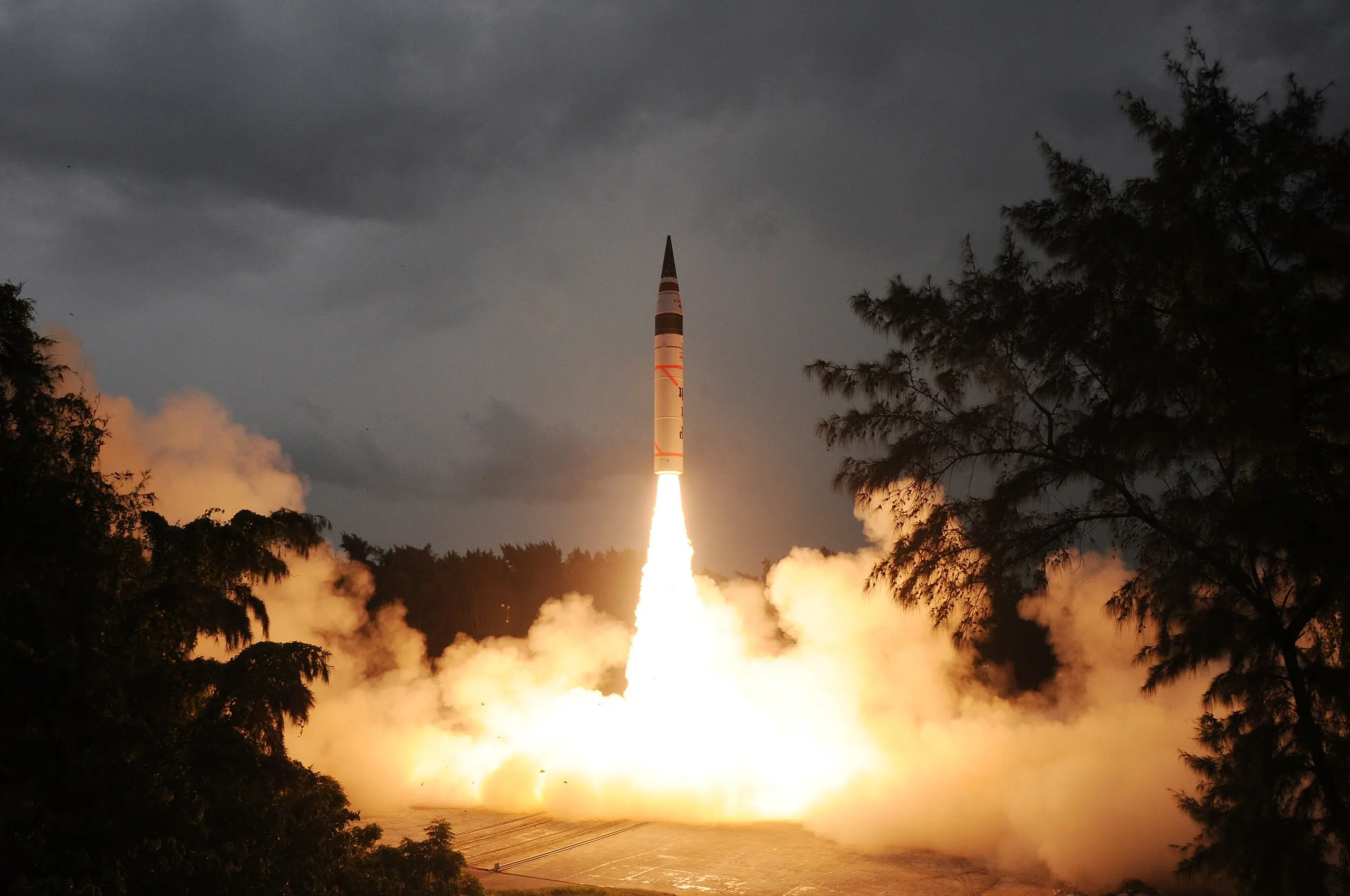
After launch, Agni-V's guidance system steers a “bus” - a container carrying multiple warheads, into a suborbital path. The on-board computer then calculates separate trajectories for each warhead based on pre-programmed targets. The bus releases each warhead in sequence, manoeuvring between releases to ensure each weapon follows its own flight path to its designated target.
Strategic Impact of Precision and MIRV Combined
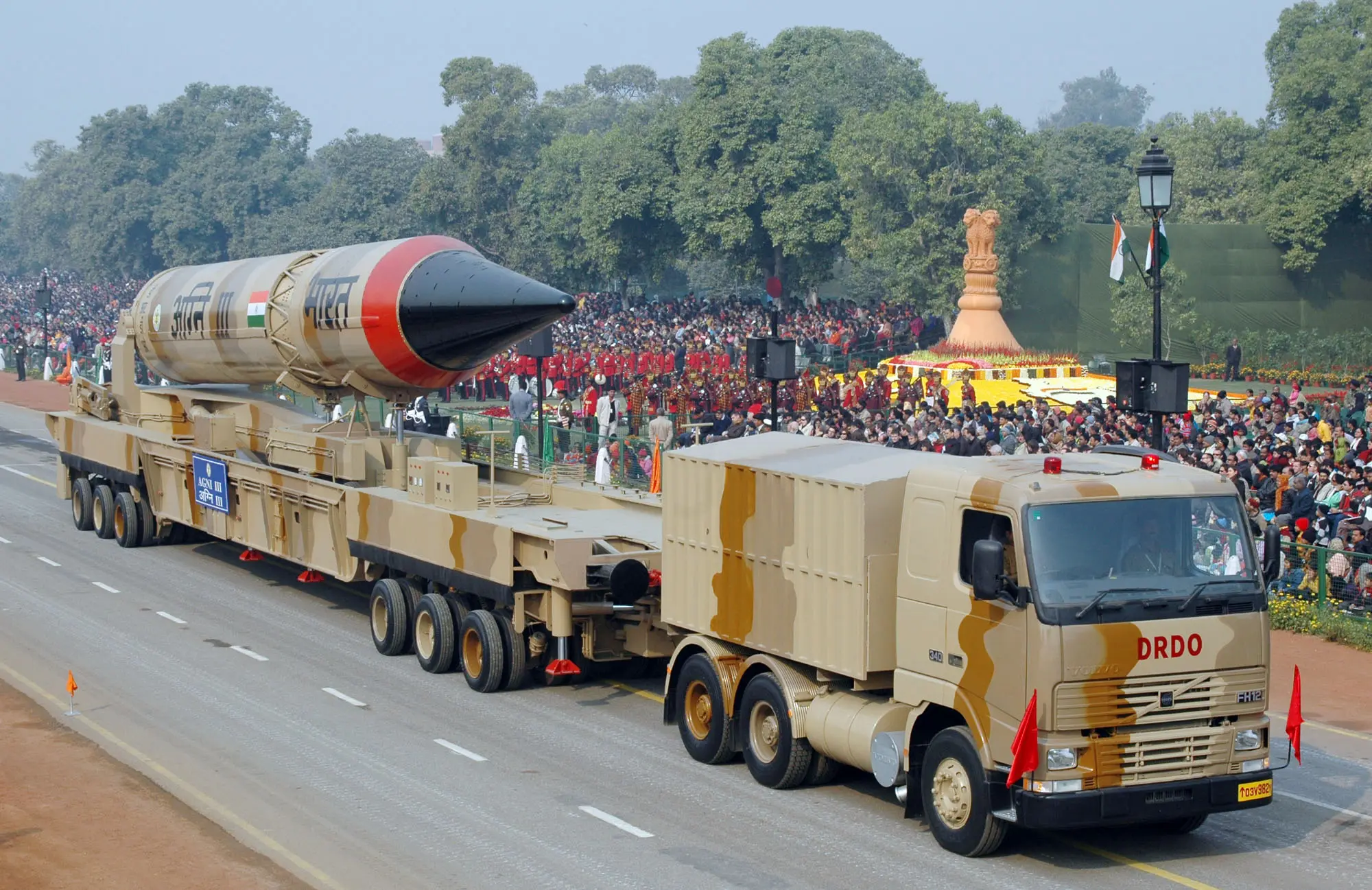
The combination of advanced precision guidance and MIRV capability fundamentally changes Agni-V's strategic role. A single missile can now neutralise multiple targets - command centres, airbases, missile sites - across hundreds of kilometres simultaneously. This multiplies India's strike capability without proportionally increasing the number of missiles deployed, creating a more robust and efficient deterrent.
)
)
)
)
)