Power of a stealth jet: How many engines does the F-22 have?

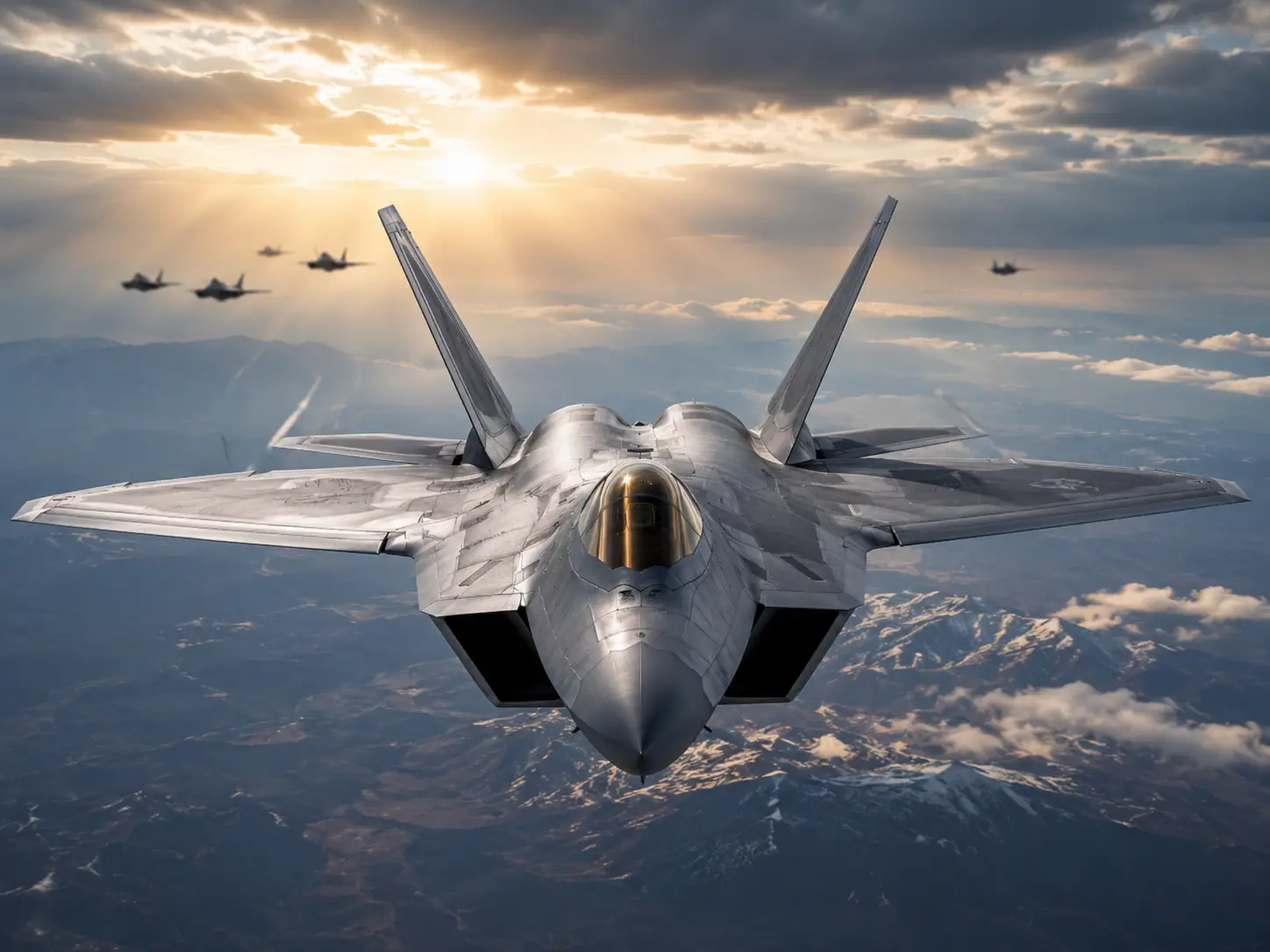
The Lockheed Martin F-22 Raptor is powered by two Pratt & Whitney F119-PW-100 turbofan jet engines. Combined, they generate 70,000 pounds of thrust, enabling supersonic supercruise past Mach 1.5 and 20-degree pitch vectoring for aerial combat.
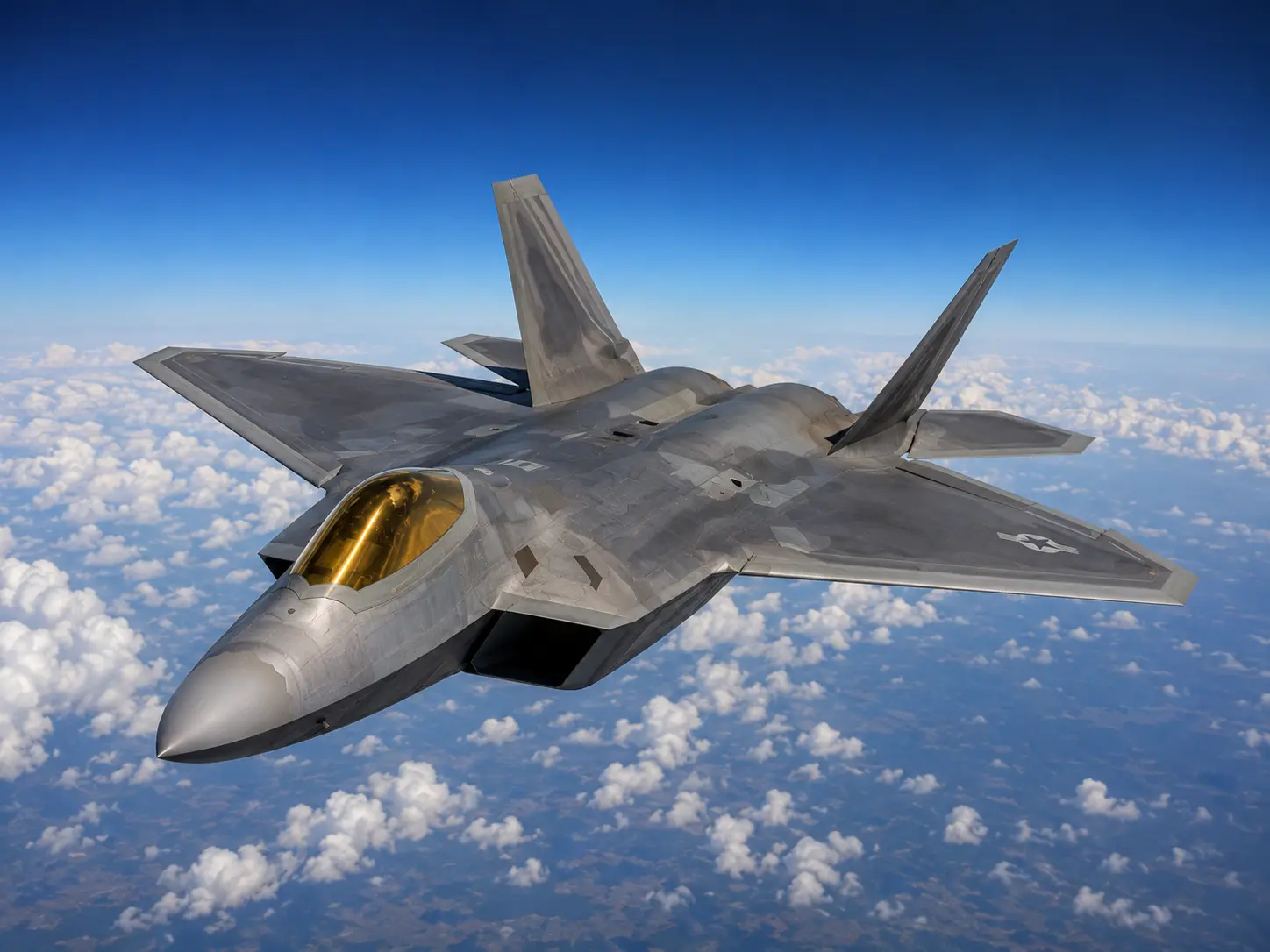
Powered by two engines
The F-22 Raptor is equipped with two Pratt & Whitney F119-PW-100 turbofan jet engines. These afterburning engines sit side-by-side inside the rear fuselage, providing the heavy fighter with the necessary thrust-to-weight ratio to achieve rapid vertical climbs and sustained high-speed combat manoeuvres.
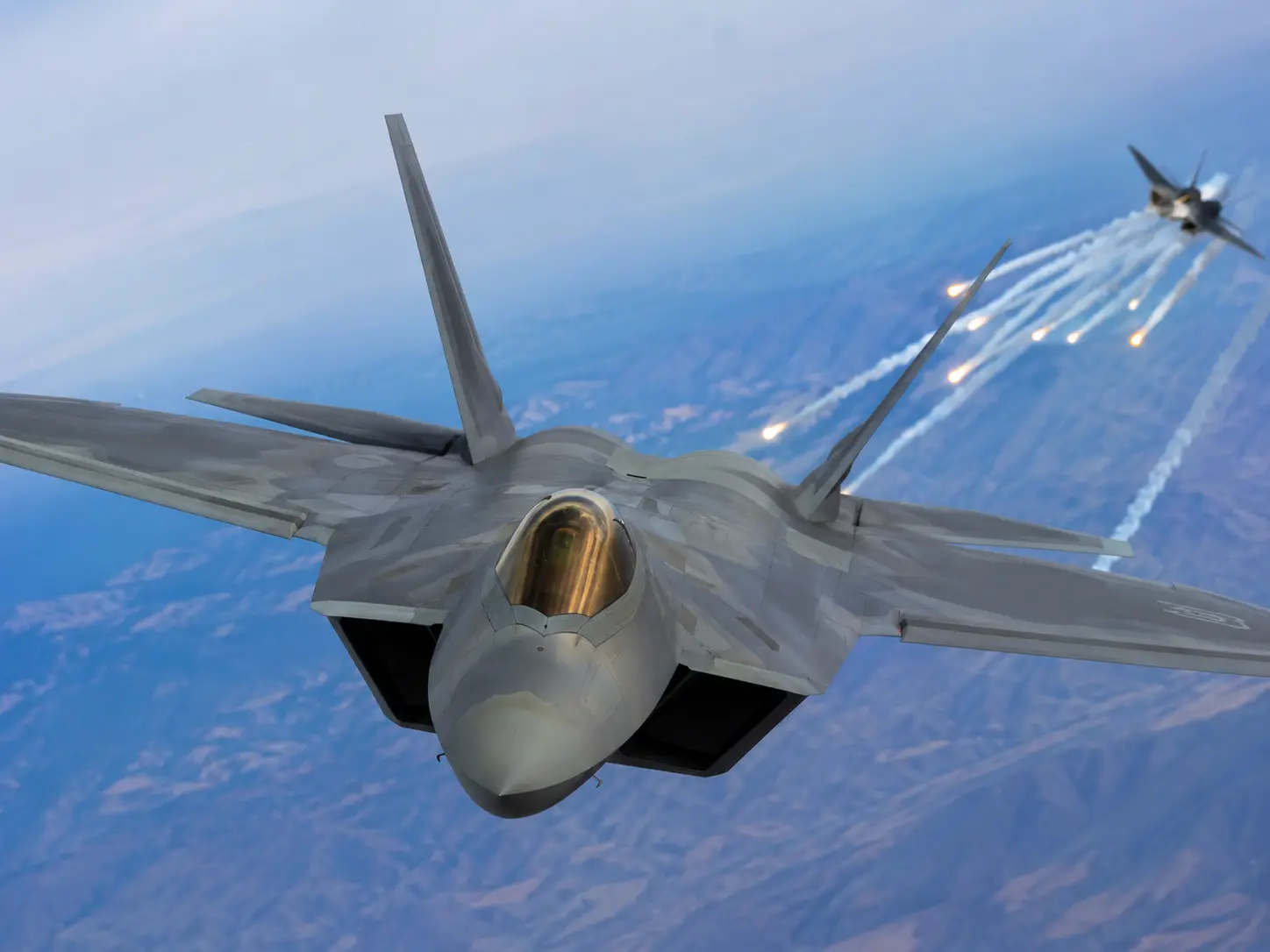
35,000 pounds of thrust
Each individual engine generates roughly 26,000 pounds of dry thrust, which scales up to more than 35,000 pounds when the afterburners are engaged. Combined, the two engines output roughly 70,000 pounds of total force, allowing the 60,000-pound aircraft to easily overcome aerodynamic drag.
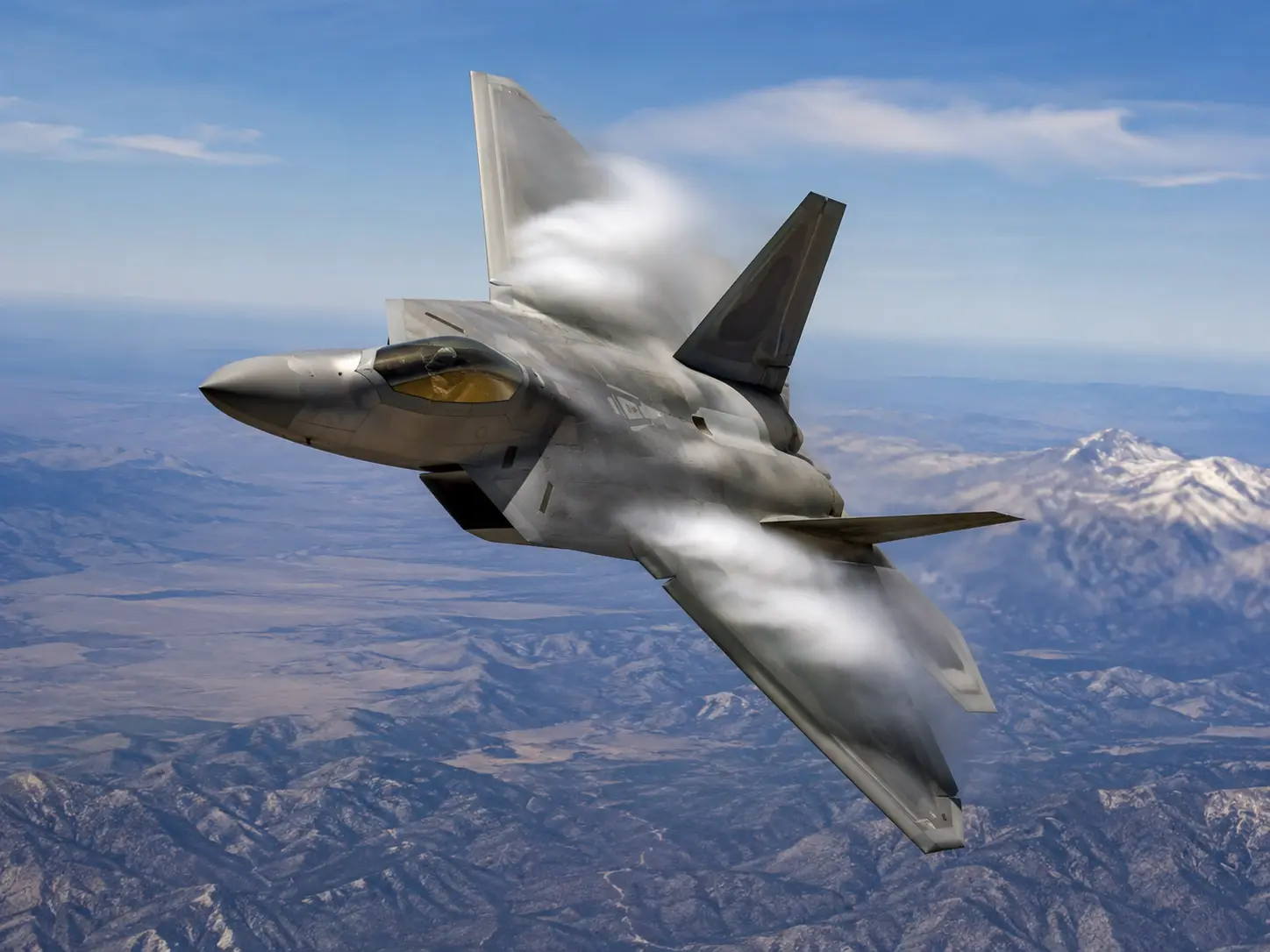
Supercruise past Mach 1.5
Unlike conventional fighters that burn massive amounts of fuel using afterburners to cross the sound barrier, the F-22 utilises 'supercruise'. The twin turbofans allow the jet to maintain supersonic speeds of Mach 1.5 to Mach 1.8 during normal flight, preserving fuel for extended combat missions.
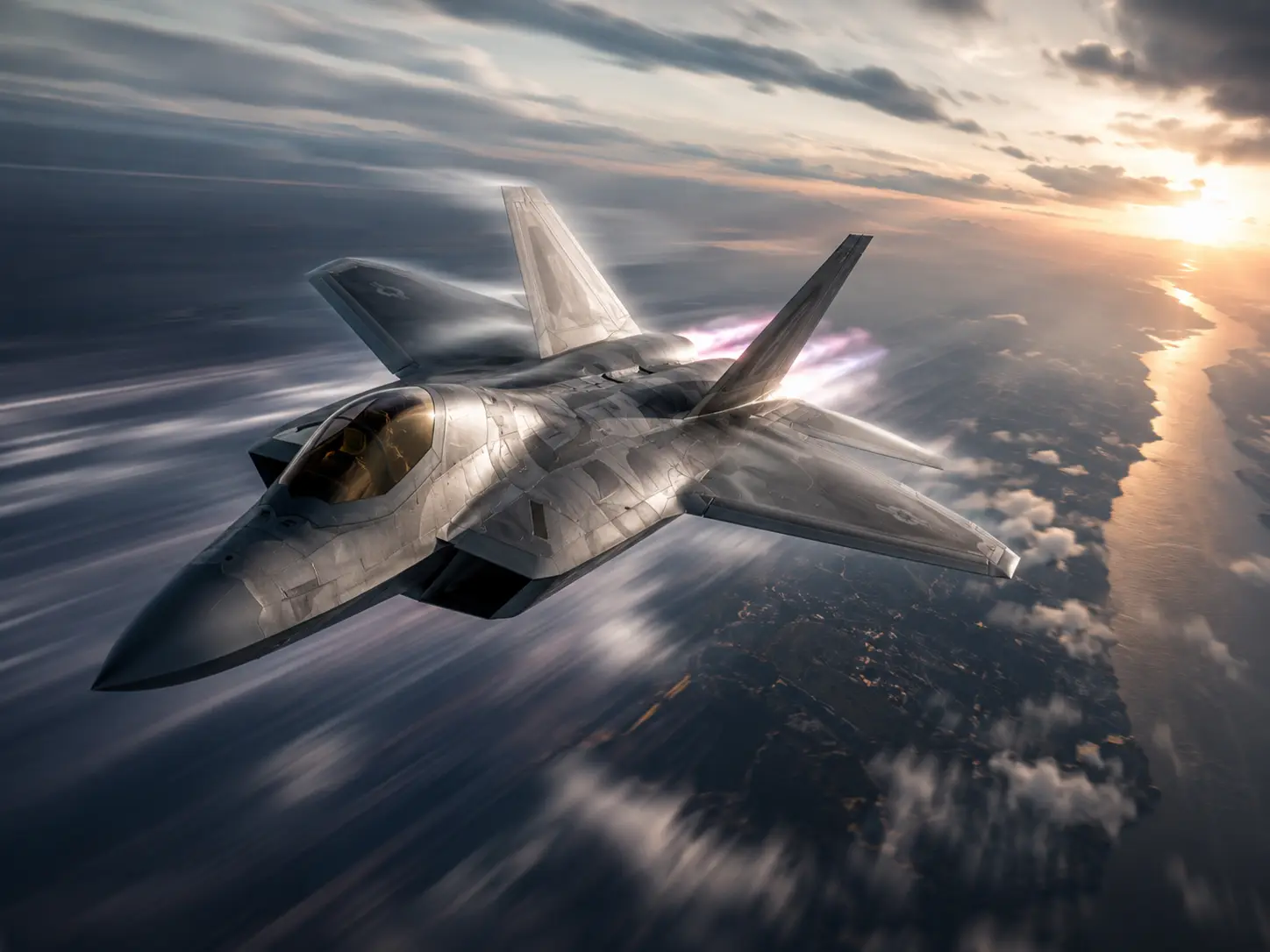
20 degrees thrust vectoring
The exhaust nozzles at the rear of the two engines feature two-dimensional thrust vectoring. They can pivot 20 degrees up or down, redirecting the jet blast to give the aircraft tight pitch control and the ability to execute sharp turns that conventional fixed-nozzle fighters cannot match.
65,000 feet operational ceiling
The high compression ratio of the twin F119 turbofans enables the Raptor to operate efficiently in thin air at altitudes reaching 65,000 feet. This high-altitude capability allows pilots to look down on adversary aircraft and launch air-to-air missiles from a kinetically advantageous position.
)
)
)
)
)