Pongal 2026: 5 quick and delicious festive delights to try

Take a look at the must-try dishes for Pongal, including Ven Pongal (Savoury Pongal) and classic Sambhar. Read below for information on the ingredients and recipes. Wishing everyone a very happy Pongal!
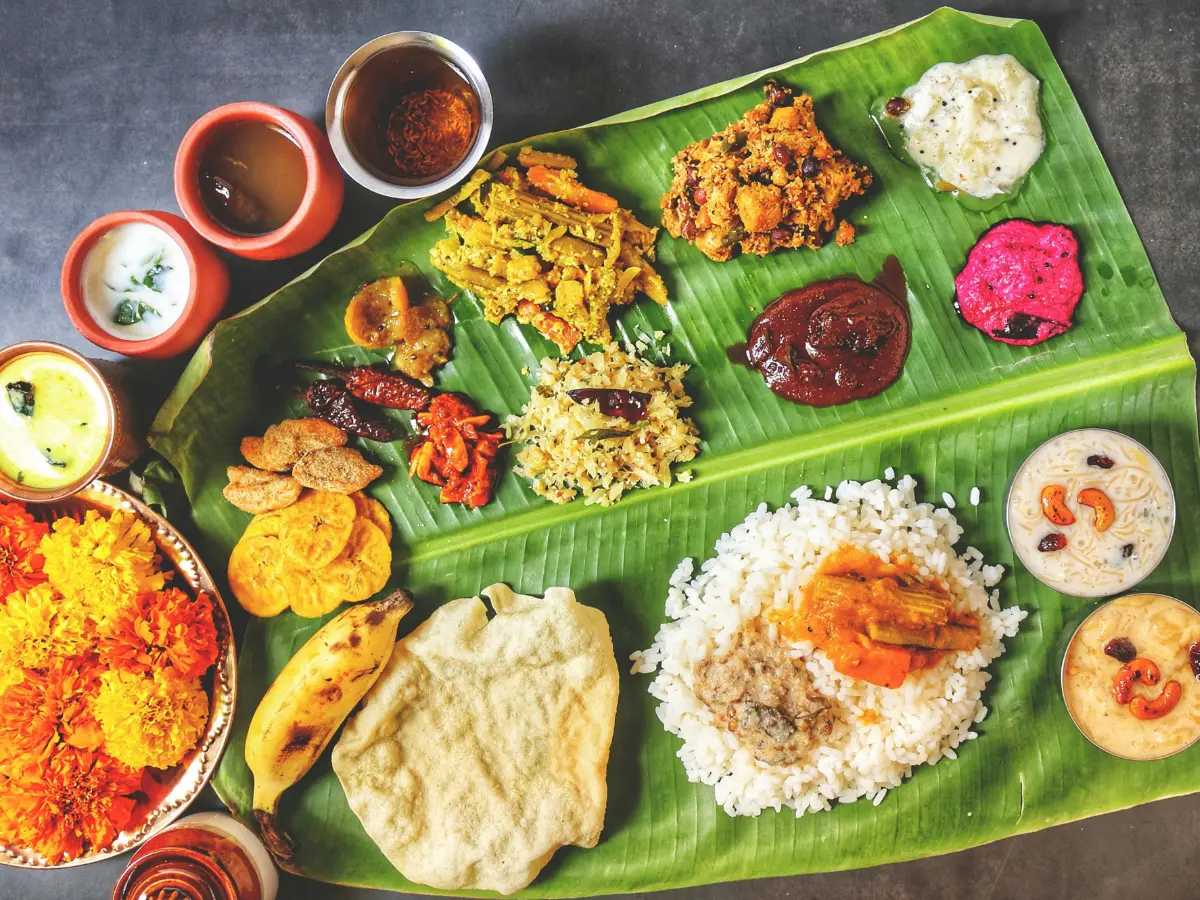
5 Pongal dishes to try
Pongal 2026 celebrates gratitude, harvest, and togetherness as people thank the Sun God, nature, and farmers for a prosperous yield. The festival is celebrated for four days- Bhogi, Thai Pongal, Mattu Pongal, and Kaanum Pongal. It brings families together who dress up in traditional attire and follow joyful rituals. However, no festival is complete without delicious food, so here are five popular Pongal dishes you can try and welcome a delightful new beginning.
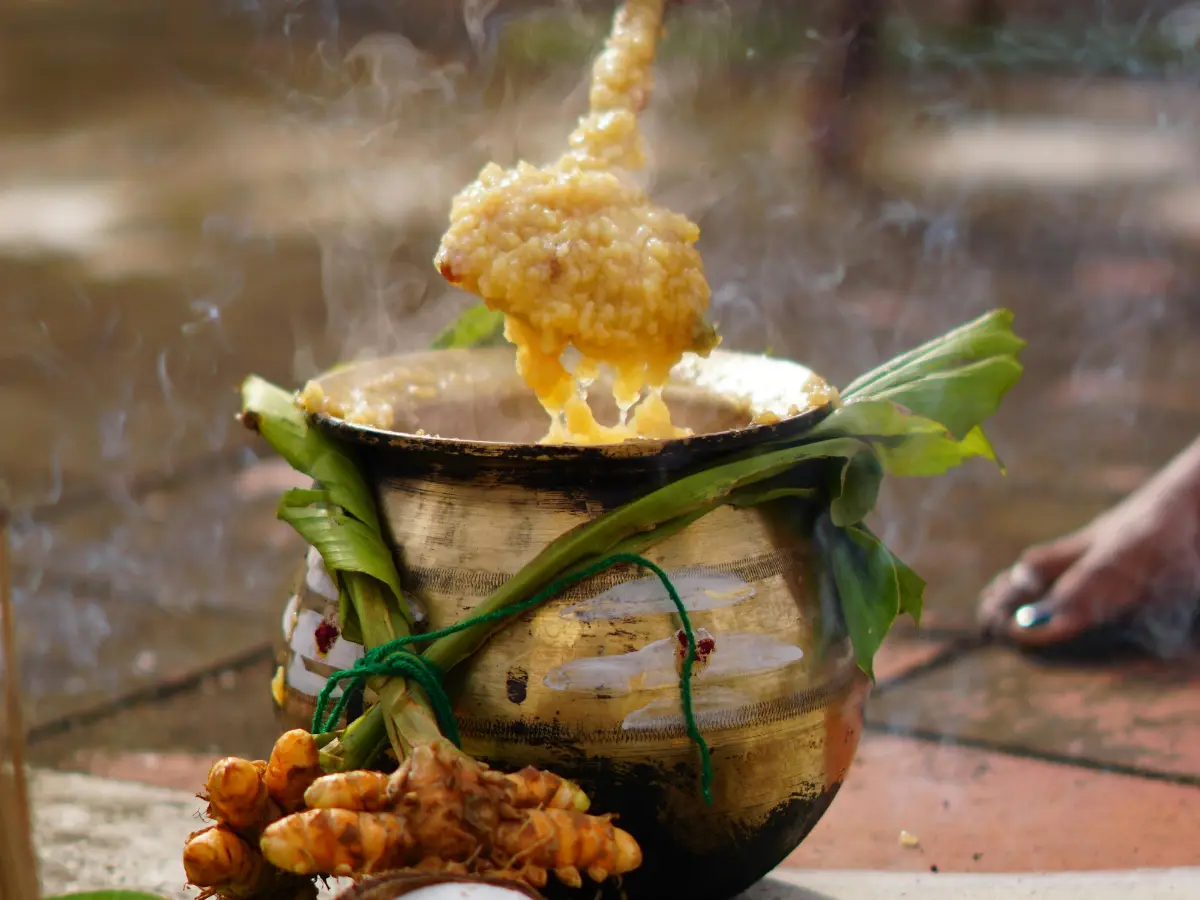
Ven Pongal (Savory Pongal)
Ingredients:
Rice & Moong Dal (Lentils)
Ghee
Black Peppercorns (Milagu)
Curry Leaves
Cashew Nuts
To prepare Ven Pongal, rinse and combine 1/2 cup rice and 1/4 cup moong dal, pressure cook them with about 2.5 to 3 cups of water and a pinch of salt. Cook until it becomes soft and mushy. Then take a separate pan, heat 2 tablespoons of ghee, add 1/2 teaspoon cumin seeds, 1/2 teaspoon Black Peppercorns (Milagu), 1 tablespoon of chopped ginger, a pinch of asafoetida, and a few curry leaves. Roast and pour this aromatic tempering over the cooked rice and lentil mixture, stirring well to combine. If needed, add more ghee, garnish with roasted cashews, and serve the savoury Ven Pongal hot with coconut chutney or sambar.
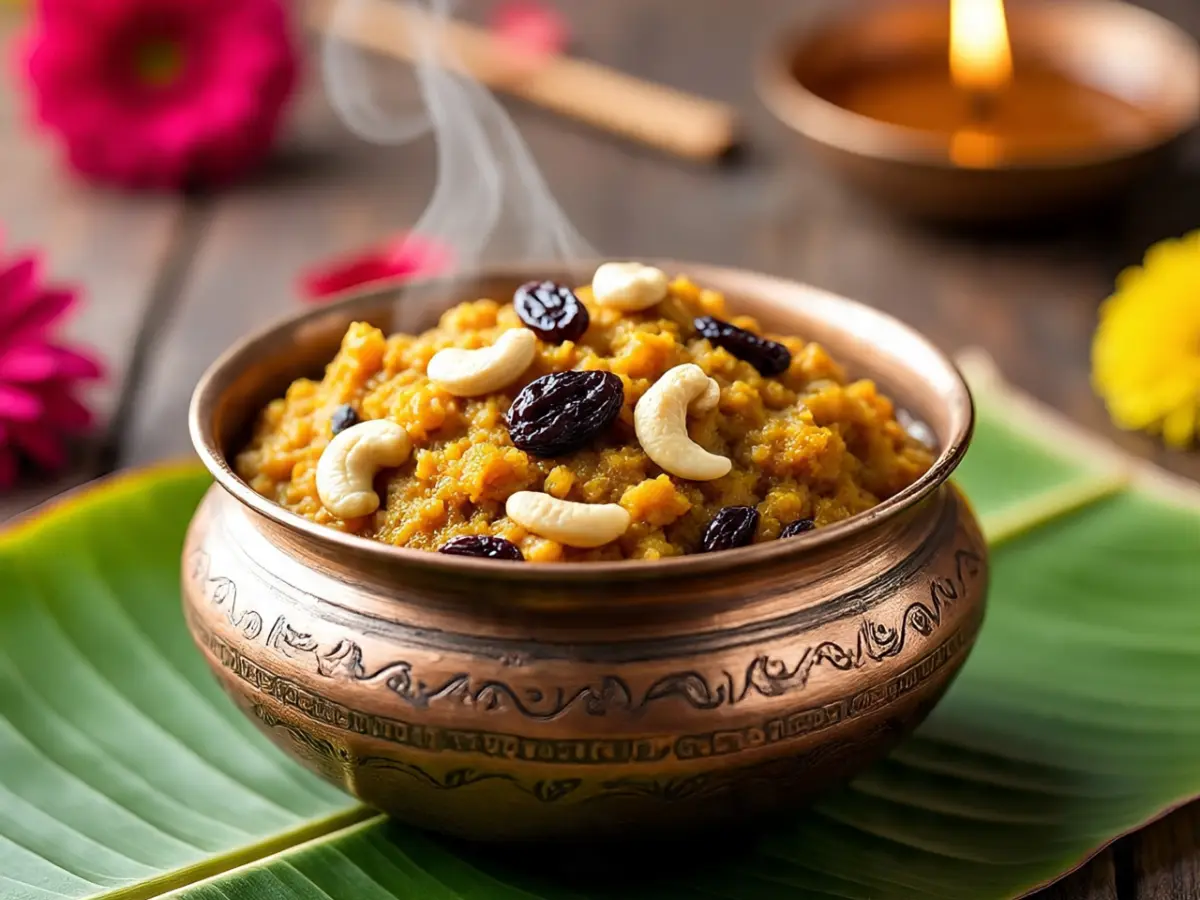
Sakkarai Pongal (Sweet Pongal)
Ingredients:
Rice & Moong Dal
Jaggery
Ghee
Cardamom
Cashews & Raisins
To prepare a quick Sakkarai Pongal, rinse and combine 1/4 cup each of raw rice and moong dal (yellow lentils), pressure cook them with 1.5 cups of water until soft and gooey. In a separate pan, dissolve 3/4 cup of jaggery in a little water, filter out impurities, and bring the syrup to a boil. Pour the jaggery syrup into the cooked rice-dal mixture and stir well over low heat for a few minutes until it thickens. Finally, in a small pan, heat 2 tablespoons of ghee and some fried cashews, raisins, and a pinch of cardamom powder over the pongal and mix. Serve it hot.
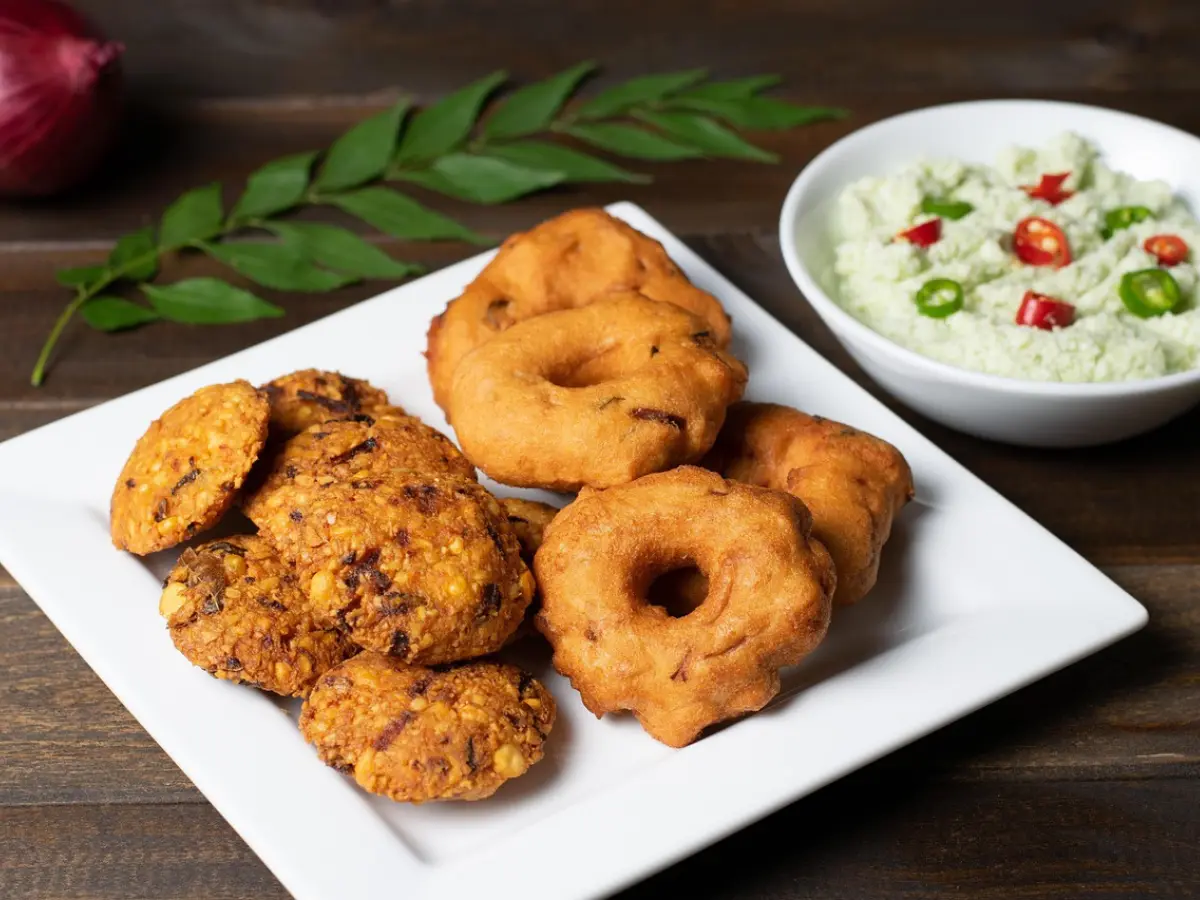
Medu Vada
Ingredients:
Urad Dal
Curry Leaves
Green Chillies
Black Pepper
Daily spices
To make Medu Vada, first soak urad dal for about 4-5 hours, then grind it into a thick, smooth, and fluffy batter using minimal water. Season the batter with salt, chopped green chillies, ginger, and cumin seeds, and mix all well. Heat oil in a deep pan for frying. Wet your hands, take a small portion of the batter, shape it into a doughnut (vada) shape and create a small hole in the centre, and carefully slide it into the hot oil. Fry the vadas on medium heat until they are golden-brown and crispy on both sides. Drain the excess oil and serve the hot Medu Vadas immediately with Sambar and Chutney.
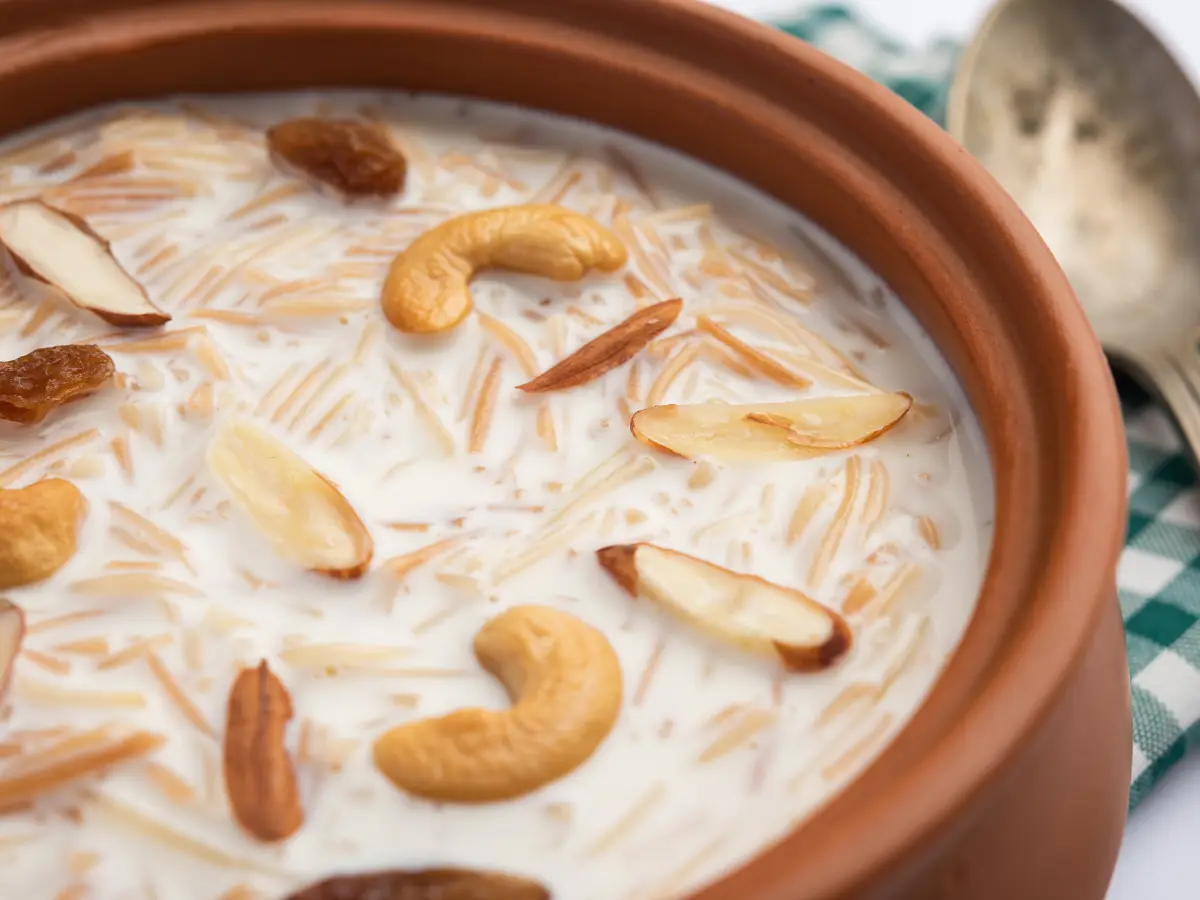
Payasam (Kheer)
Ingredients:
Ghee
Vermicelli
Milk
Sugar
Jaggery
Cardamom Powder
Nuts
For a simple yet delightful payasam, take a pan, simmer 1 cup of vermicelli in 4 cups of whole milk until all mushy. Once soft, stir in 1/2 cup of sugar, and add a pinch of ground cardamom for aroma. Enhance the flavour and texture by sautéing a handful of chopped nuts, like cashews and almonds and raisins, in a tablespoon of ghee until golden brown, then add this mixture to the payasam. Serve warm or chilled, garnished with a few strands of saffron for a traditional touch.
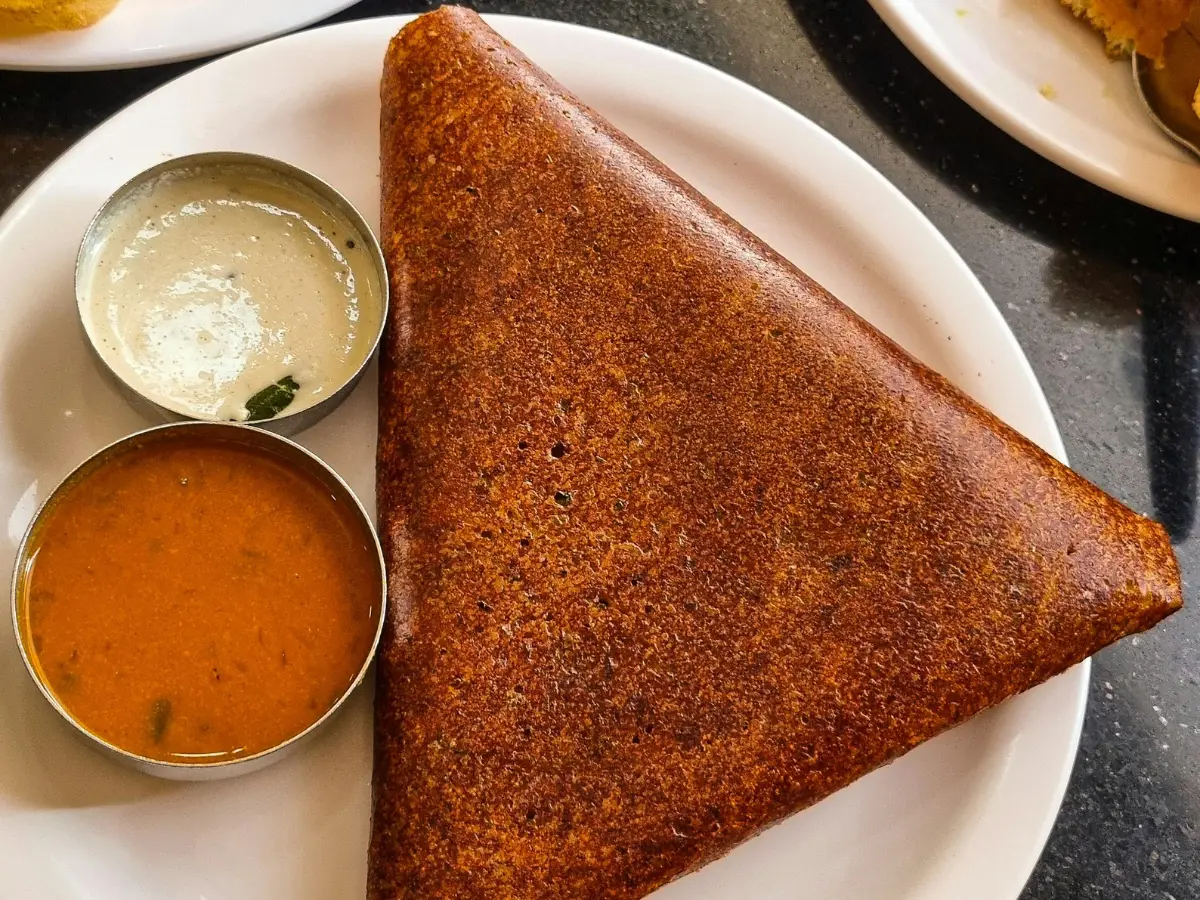
Sambar
Ingredients:
Toor Dal (Split Pigeon Peas)
Prefered Vegetables
Tamarind
Jaggery
Raw spices like Mustard Seeds, Curry Leaves, Dry Red Chillies, Asafoetida (Hing)
First pressure cook toor dal until soft. In a separate pan or utensil, sauté mixed vegetables like onions, tomatoes, carrots, drumsticks, and pumpkin in oil or ghee until tender. Add water, tamarind pulp, sambar powder, and salt to the vegetables and simmer for a few minutes. Once the raw smell of the tamarind and spices is gone, stir in the mashed dal and bring the mixture to a gentle boil.
In a small pan, prepare the tempering by heating oil or ghee and frying mustard seeds, fenugreek seeds, dry red chillies, asafoetida (hing), and curry leaves until the spices crackle and the leaves turn crisp. Immediately pour this aromatic tempering over the sambar and mix well. Garnish with fresh coriander leaves and serve hot with rice, idlis, or dosas.
)
)
)
)
)