PICS | Tehran celebrates after Trump announces US-Iran ceasefire

Iranians celebrate in Tehran after Donald Trump announced a US-Iran ceasefire. Iran opened the Strait of Hormuz, easing global tensions as oil prices dropped sharply.
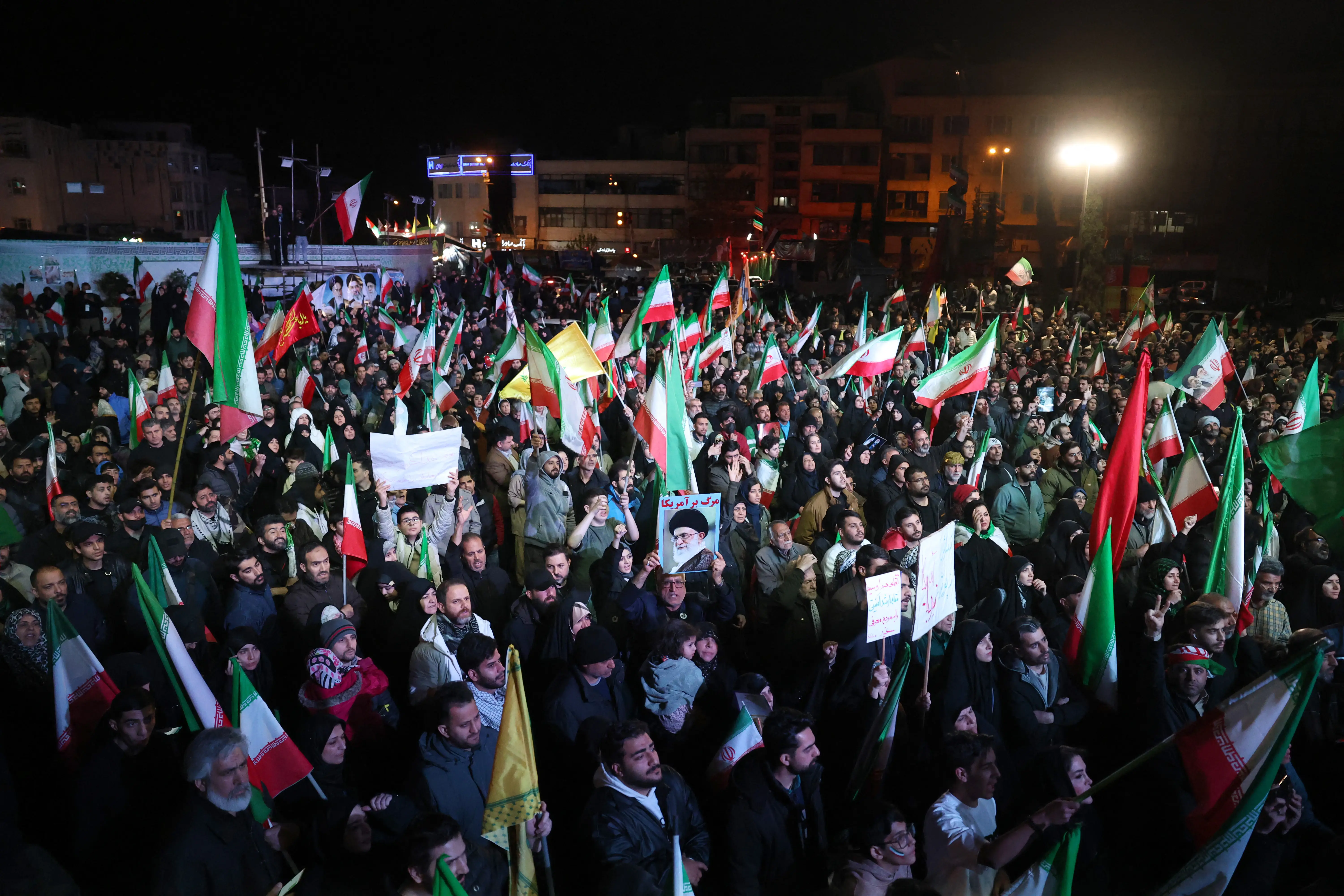
Iranians celebrate US-Iran ceasefire
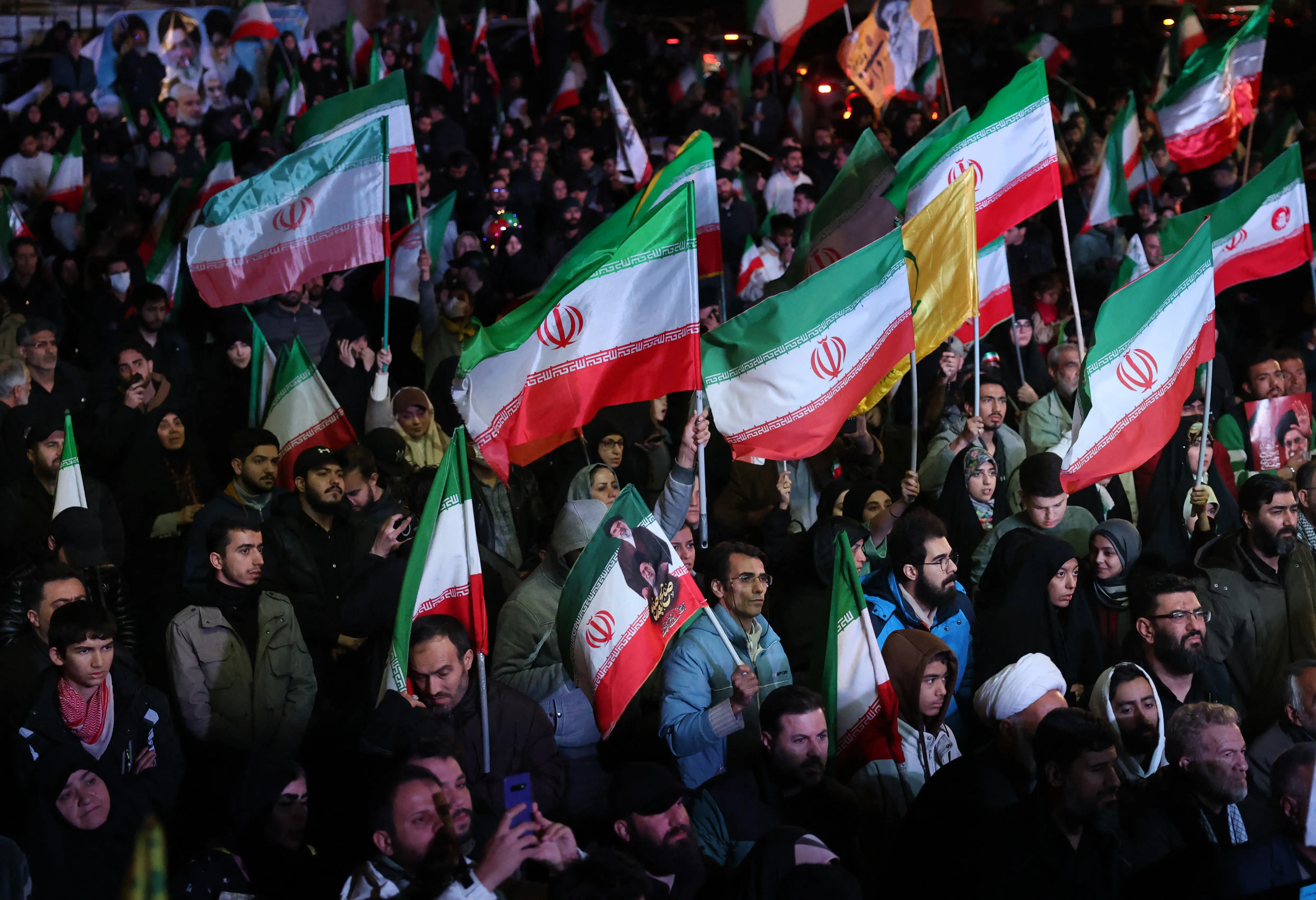
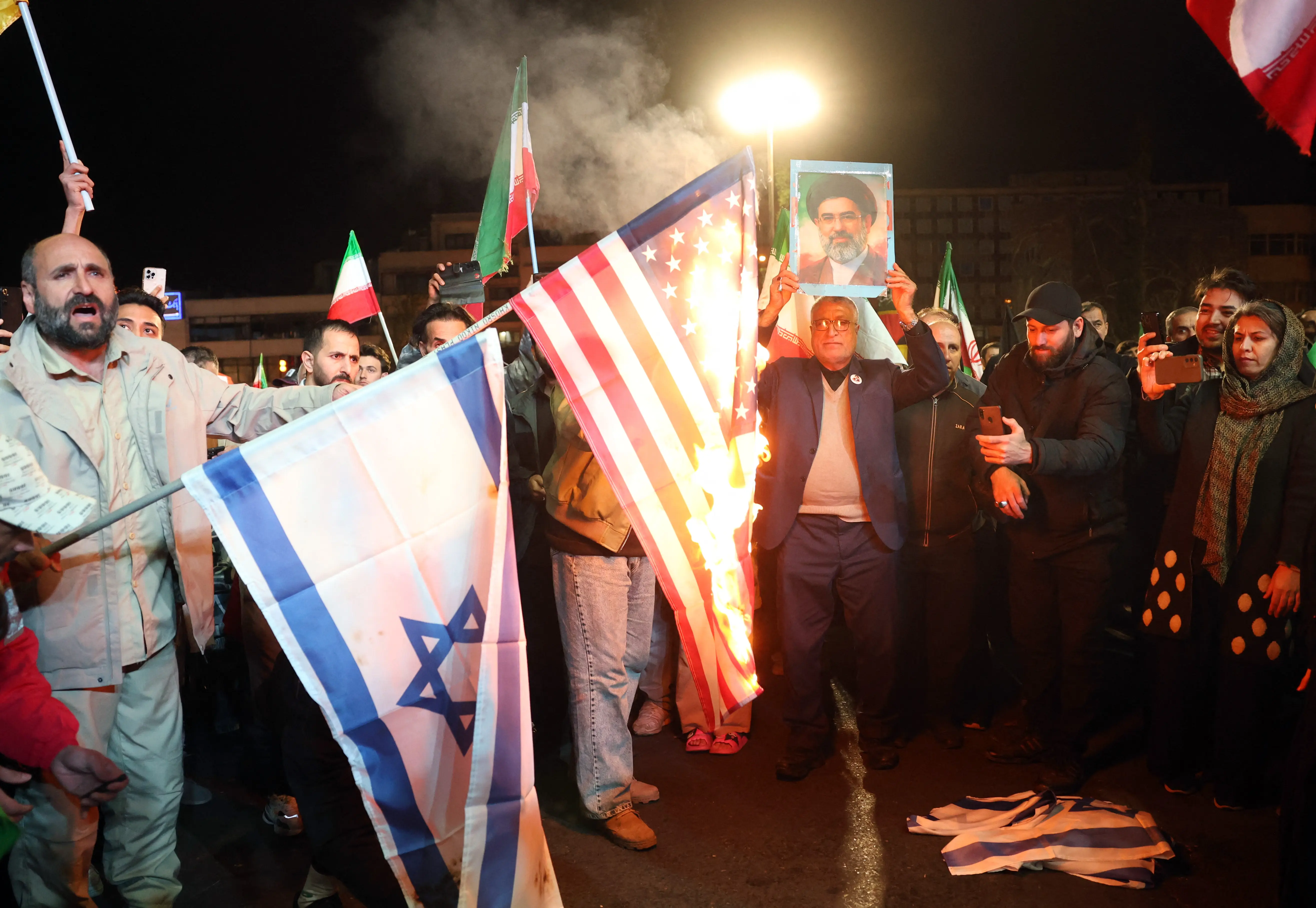
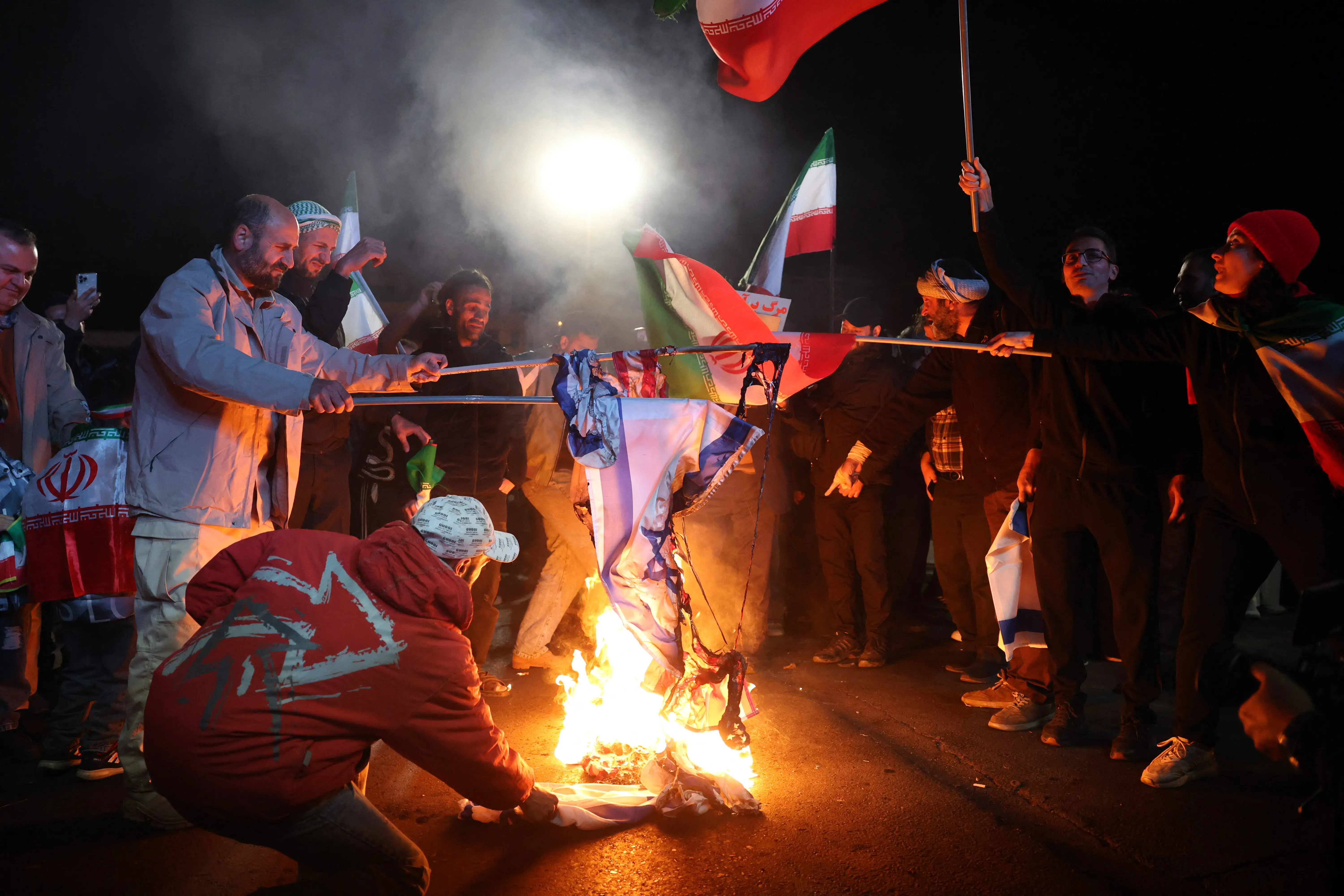
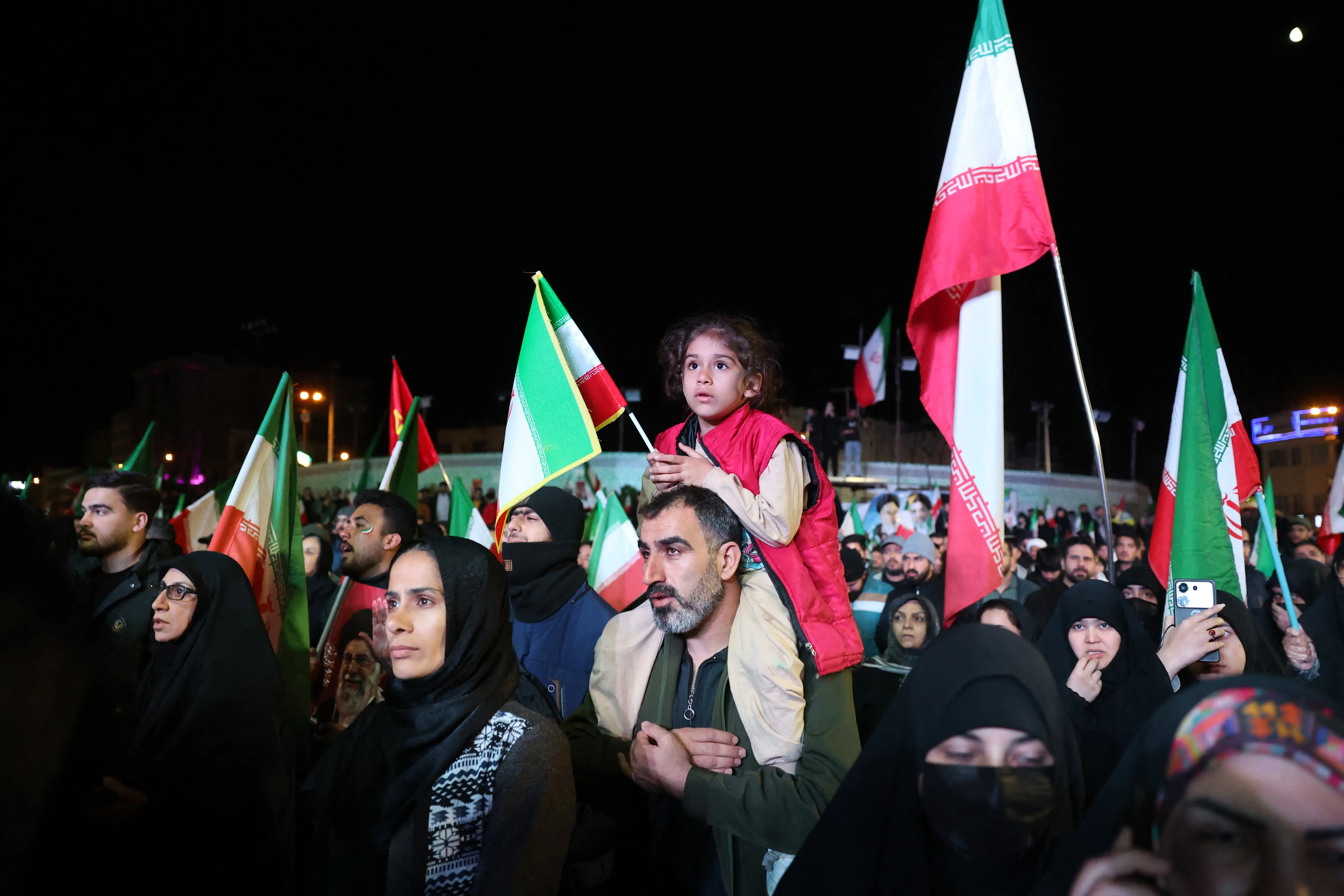
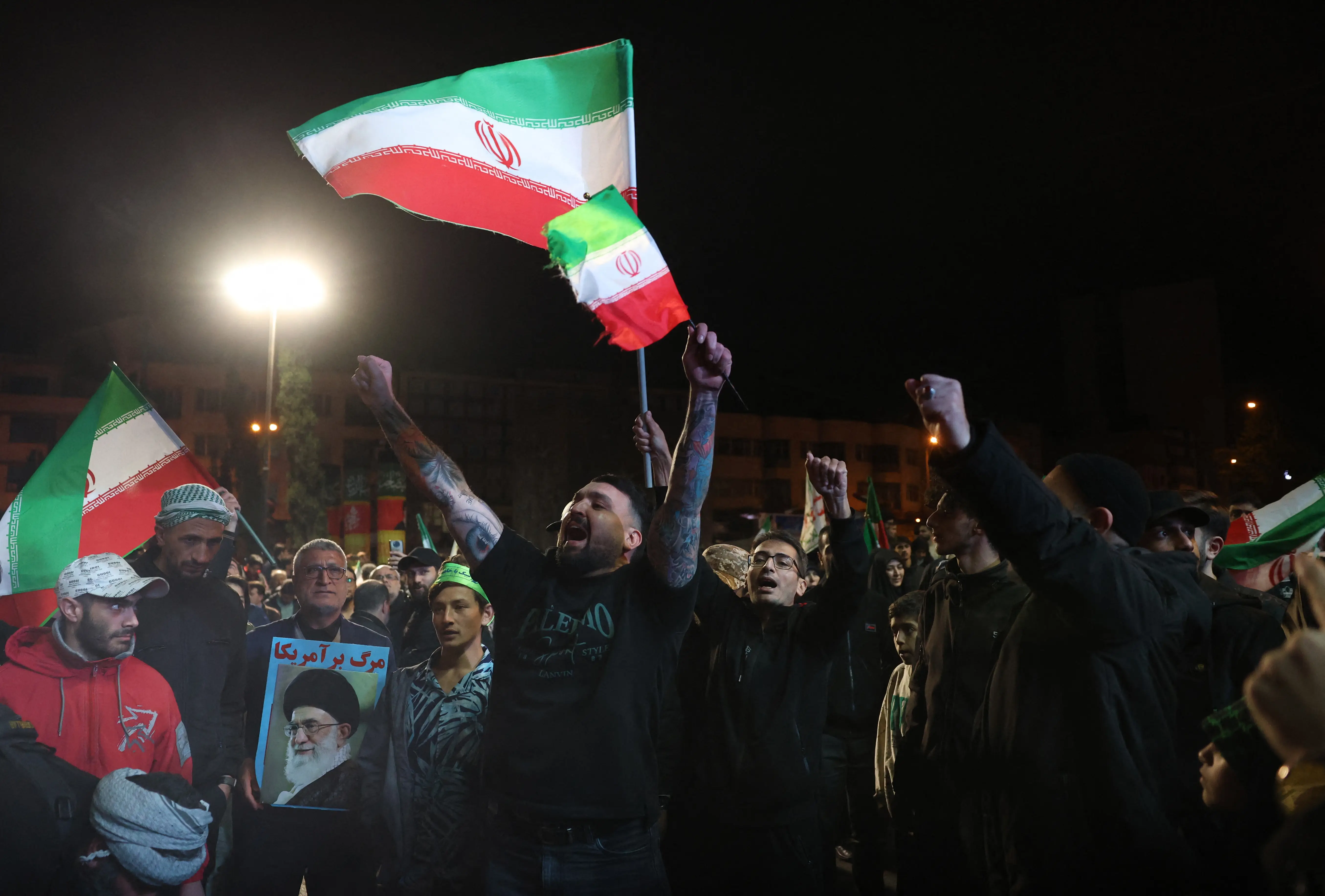
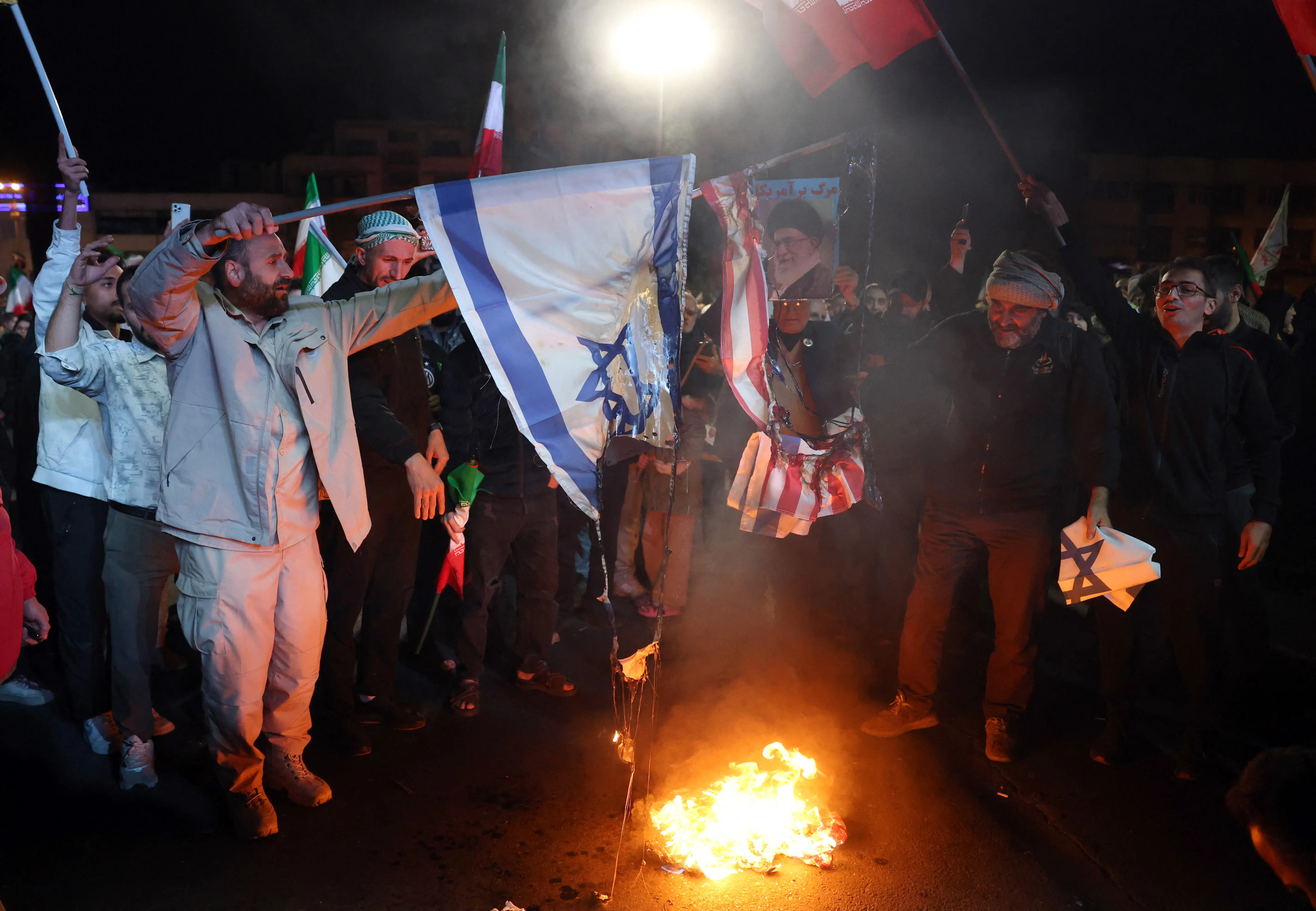
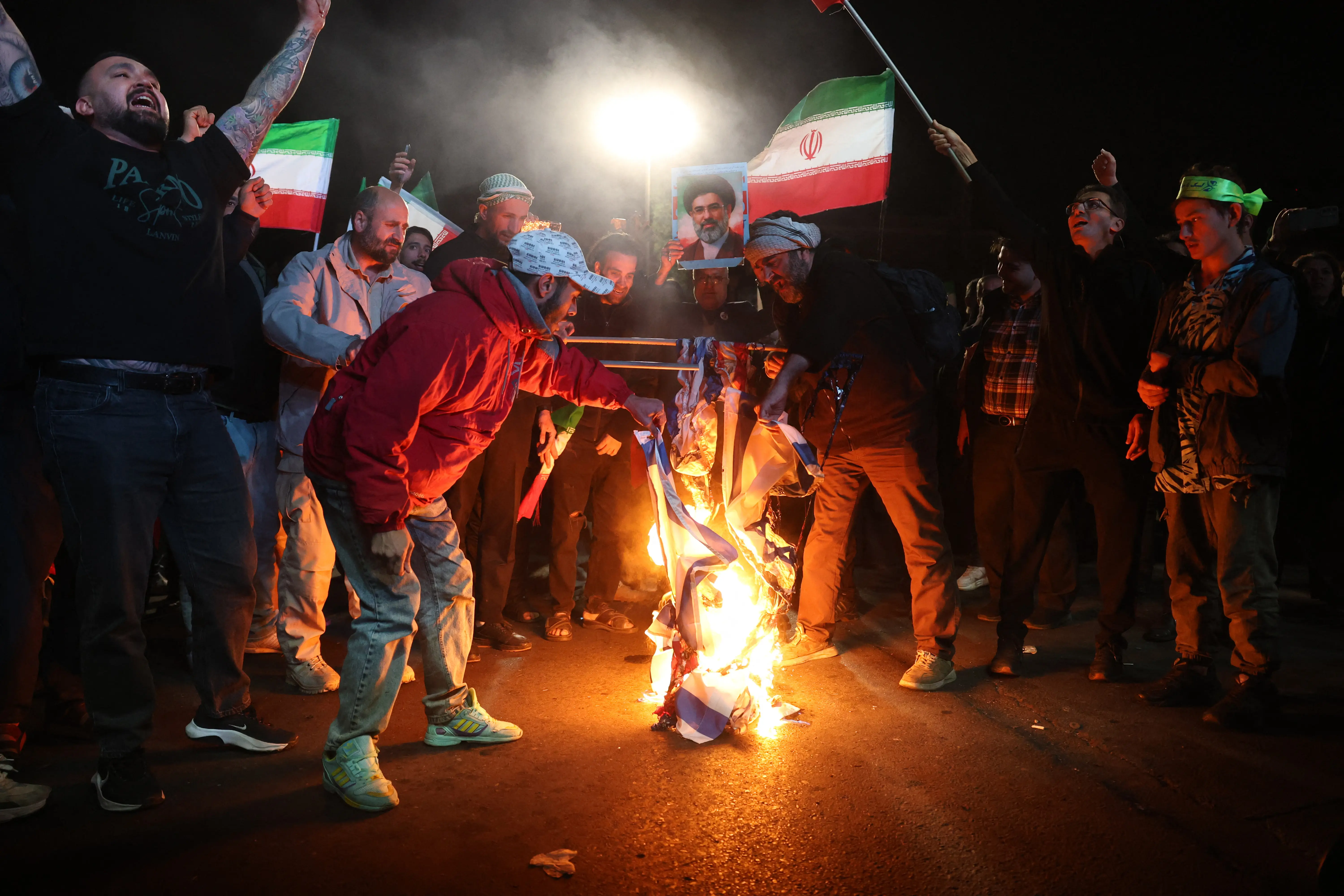
Iranians gathered at Enqelab Square in Tehran after the United States and Iran agreed to a two-week ceasefire, barely an hour before US President Donald Trump’s deadline to destroy Iran’s “whole civilisation” if Tehran failed to open the Strait of Hormuz. The ceasefire came 38 days after the US-Israeli military campaign against Iran. Both Tehtan and Washington have claimed “victory” as the more than month-long conflict ended. Crowds gathered at several parts of the city, waving Iranian national flags and chanting slogans. Some people were also seen burning Israeli and US flags.
Trump announces ceasefire
Trump announced the ceasefire on Tuesday (April 7) in a Truth Social post in which he said that he has agreed to pause the bombing operations against Iran for two weeks as part of a conditional ceasefire arrangement subject to Iran’s opening of the Strait of Hormuz. “Subject to the Islamic Republic of Iran agreeing to the COMPLETE, IMMEDIATE, and SAFE OPENING of the Strait of Hormuz, I agree to suspend the bombing and attack of Iran for a period of two weeks,” Trump wrote. “This will be a double-sided CEASEFIRE!”
Iran opens Strait of Hormuz
Iranian Foreign Minister Seyed Abbas Araghchi said that the Islamic Republic’s armed forces would “cease defensive operations” if attacks against the country are stopped. He added that Iran would open the Strait of Hormuz and allow “safe passage” through it for the two-week period.
Iran’s 10-point proposal
Trump said that he has agreed to a 10-point proposal from Iran and believes it is a “workable basis on which to negotiate.” In its plan, Tehran has demanded relief from sanctions, rights to enrichment, control over the Strait of Hormuz, and withdrawal of US troops from the region.
Last-minute push by Pakistan
The development came following a last-minute diplomatic push by Pakistan aimed at de-escalating the situation in West Asia. The move came after Trump had warned that a “whole civilisation will die tonight” if an agreement was not reached before his deadline. Reportedly, the talks between the US and Iran are set to begin on Friday (Apr 10).
What’s next after US-Iran ceasefire?
Trump declared Tuesday (Apr 7) a “big day for World Peace” after a two-week ceasefire was announced following an agreement between the United States and Iran. Calling it “the Golden Age of the Middle East,” Trump said that Iran wanted this to happen as “they’ve had enough”. He added that the US will be helping the traffic buildup in the Strait of Hormuz that has been blocked by Tehran due to the war. The US president stated that Iran can start the reconstruction process, while the US will be loading up supplies and “hangin’ around” to make sure “everything goes well”.
World reacts on US-Iran ceasefire
The ceasefire has been welcomed by global powers and international bodies that have earlier urged for de-escalation. UN chief Antonio Guterres called for all parties to “pave the way towards a lasting and comprehensive peace.” Several nations, including China, Russia, France, and India, have welcomed the ceasefire.
Oil prices fall below $100
The reopening of the Strait of Hormuz has resulted in a sharp fall in oil prices. Oil plunged, and Asian stock indices were surging within hours of the temporary relief announced on the 38th day of the Iran war. West Texas Intermediate, the main US crude benchmark, plunged more than 17 per cent to around $93 a barrel by late Wednesday GMT. Brent Crude wasn't far behind, dropping nearly 16 per cent to $93.38. Global energy prices were earlier affected after Tehran had blocked the strategic waterway. The Strait of Hormuz is the only maritime outlet for ports located in the Persian Gulf.
)
)
)
)
)