Pics: After over a decade, Japan mourns victims of Fukushima disaster

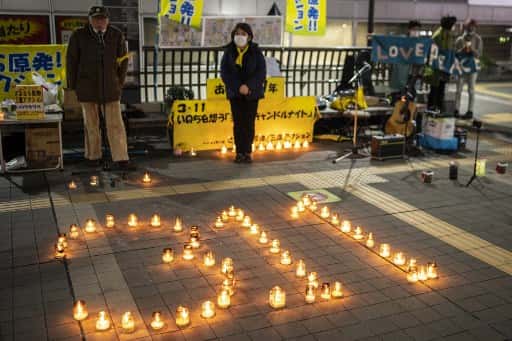
Candle vigil
A candle vigil was held in memory of earthquake and tsunami victims, on the 11th anniversary of the 9.0 magnitude earthquake which triggered a tsunami and nuclear disaster.
Around 18,500 people were killed or left missing in the disaster, most of them claimed by the towering waves triggered by one of the strongest quakes ever recorded.
The ensuing nuclear meltdown at the Fukushima Daiichi nuclear plant blanketed nearby areas with radiation. As a result, some towns were madeuninhabitable for years and displacing tens of thousands of residents.
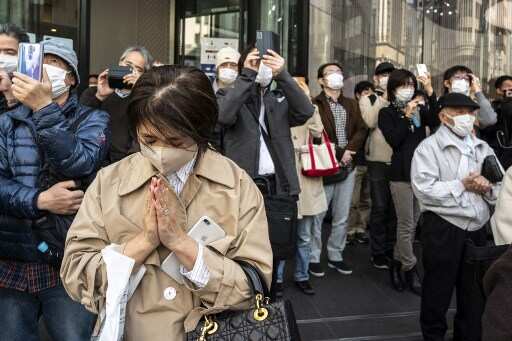
World's worst nuclear disaster since Chernobyl
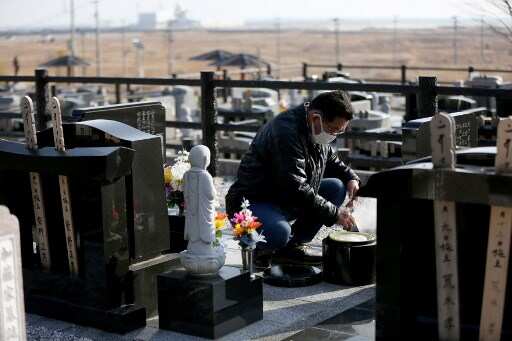
Japanese television showed live footage of people praying.
In 2011, the undersea quake unleashed a deadly tsunami which wrecked entire coastal communities. This is what led to the world's worst nuclear disaster since the 1986 Chernobyl accident.
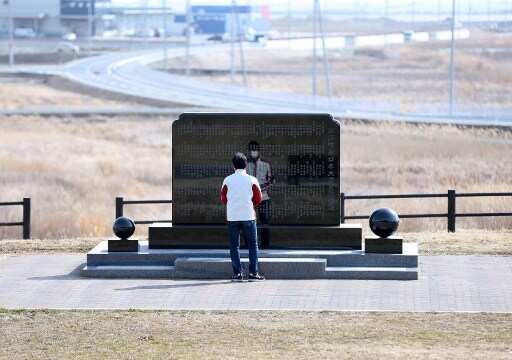
No state-funded national ceremony
This year, there was no state-funded national ceremony this year to commemorate the victims. This is because the government has now stopped the annual ritual since it has been more than a decade.
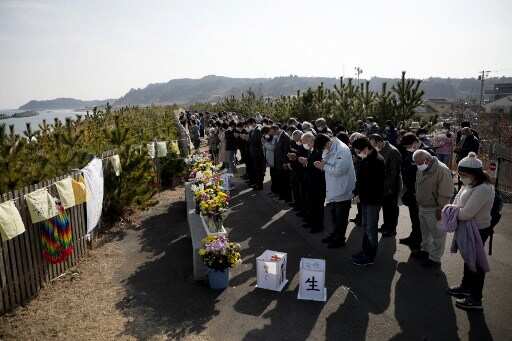
However, bereaved families and more than 33,000 former residents still classed as evacuees, who were either ordered or chose to leave due to radiation, gathered to remember the date.
Challenges still remain
Even after a decade, challenges remain. Plant operator TEPCO faces opposition to a plan to release more than a million tonnes of water. This is done to remove most radioactive elements, into the ocean.
As per the Japanese government, the release over several decades is safe. However, a few neighbouring countries and local fishing communities are concerned about remaining contamination in the water.
The harm it caused
As per United Nations, the disaster did not only harm the health of residents but also higher thyroid cancer rates in local children were reported due to more stringent diagnostics.
The plaintiffs' lawyers argue that none of their cancers were hereditary.
)
)
)
)
)