'Over 11,000 built': How MiG-21 became world’s most produced supersonic fighter jet

Designed for speed, simplicity, and mass production, the MiG-21 defined Cold War air combat and armed the air forces of more than 50 nations across the globe.
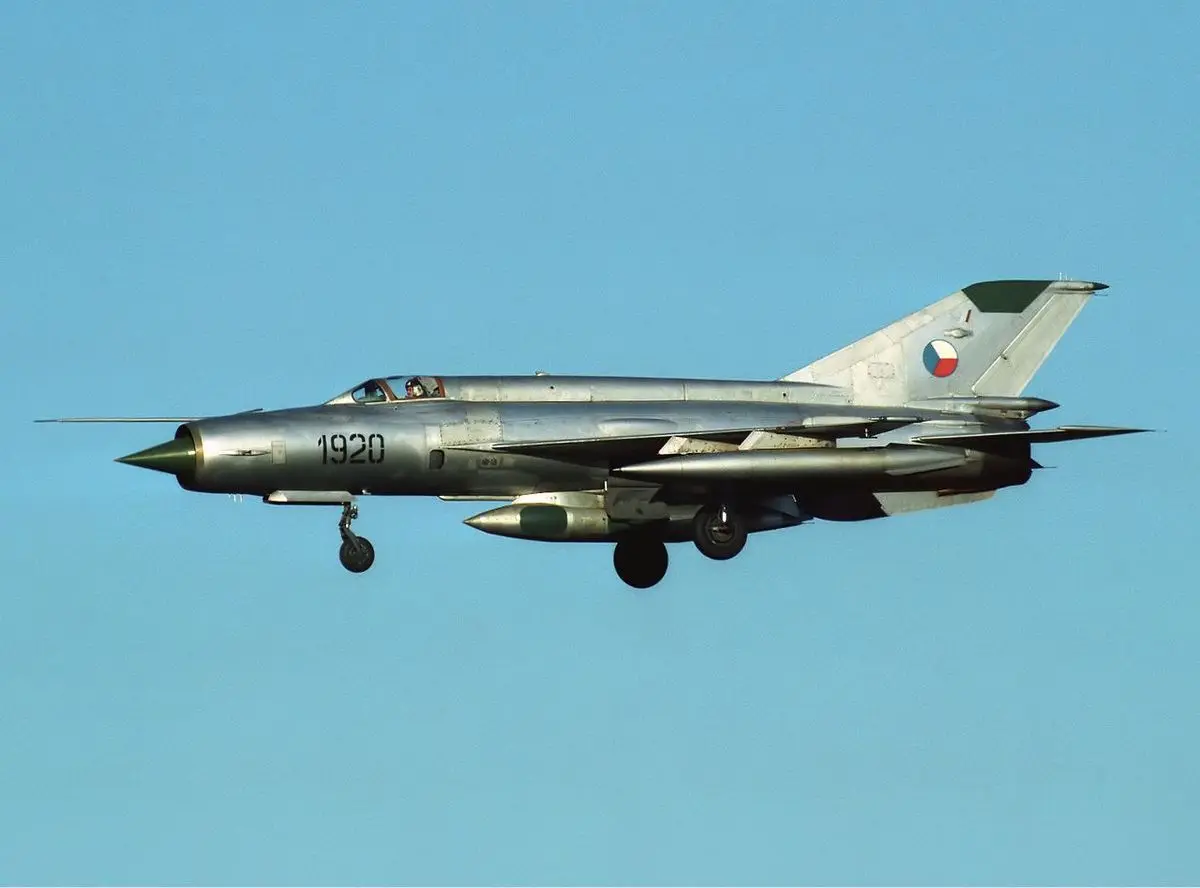
A record-breaking fighter
When it comes to supersonic aircraft, one jet holds a record that no other has ever matched: the Mikoyan-Gurevich MiG-21. First flown in 1955, the MiG-21 went on to become the most widely manufactured supersonic jet in aviation history, with over 11,000 built. This extraordinary figure eclipses the production numbers of iconic fighters such as the F-16 Fighting Falcon and the F-4 Phantom II. Designed for speed, simplicity, and mass production, the MiG-21 defined Cold War air combat and armed the air forces of more than 50 nations across the globe.
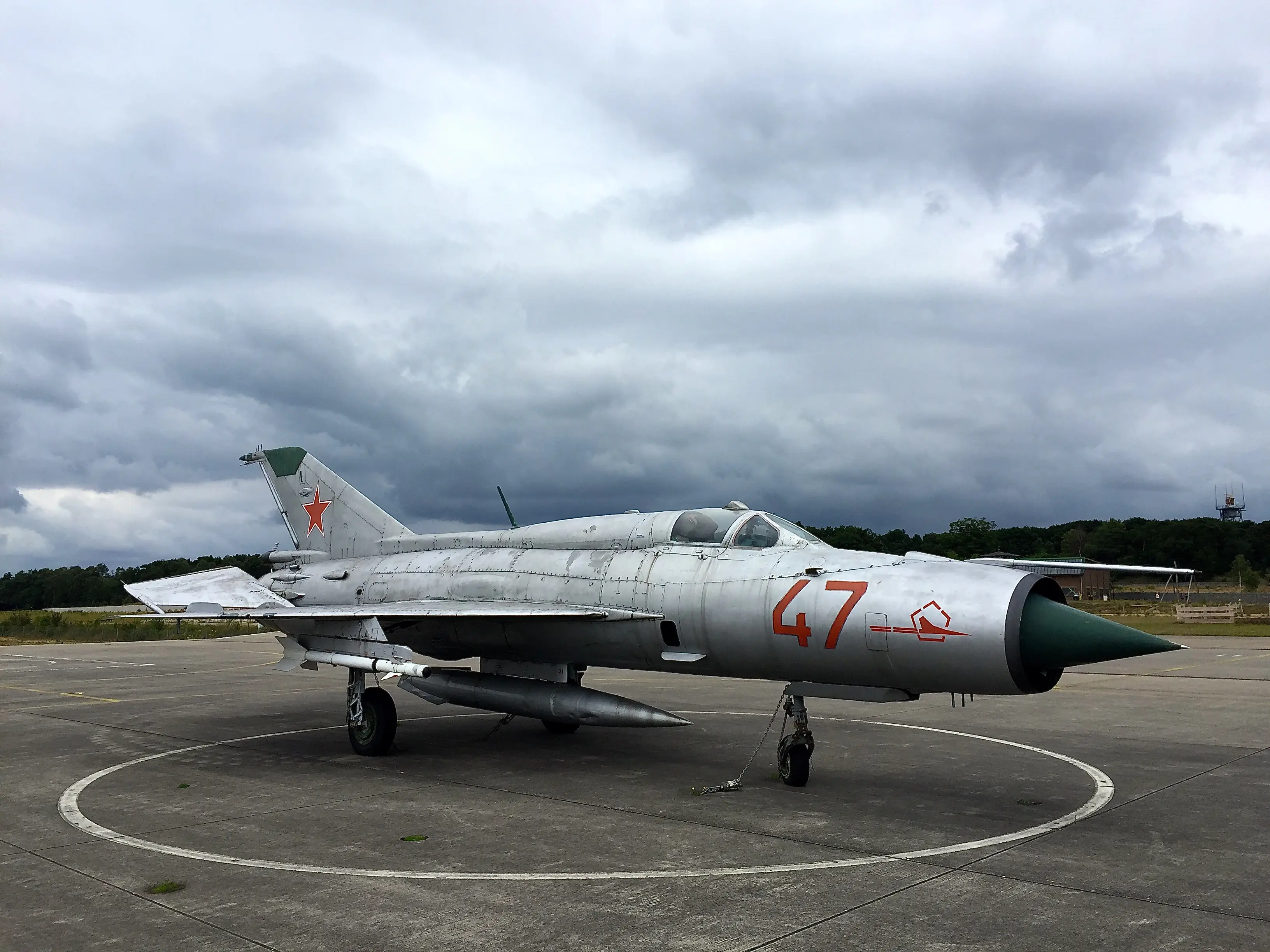
A Cold War symbol
Conceived by the Soviet Union at the height of East-West rivalry, the MiG-21, codenamed 'Fishbed' by NATO, was designed as a lightweight, agile interceptor capable of reaching Mach 2. It entered service in 1959, offering supersonic performance at a fraction of the cost of Western fighters. Exported widely across the Warsaw Pact, Asia, Africa, and the Middle East, the MiG-21 soon became a powerful symbol of Soviet influence, allowing smaller nations to acquire cutting-edge speed and combat capability without breaking their defence budgets.
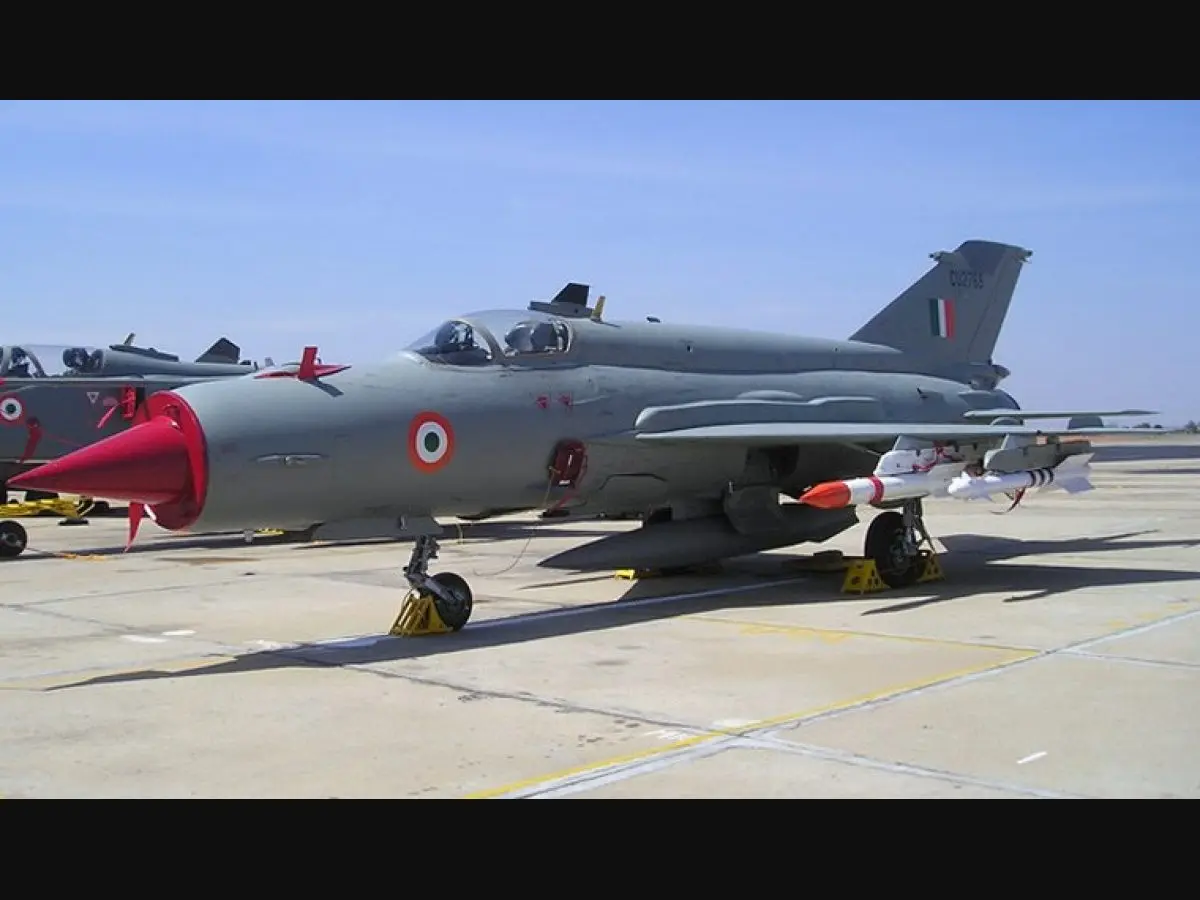
Combat legacy
Few aircraft have seen as much combat as the MiG-21. It fought in the skies of Vietnam, where it clashed with American F-4 Phantoms, and played decisive roles in the Middle East and South Asia. During the 1965 and 1971 Indo-Pakistani wars, Indian MiG-21s scored victories over Pakistani fighters, including Mirages. Even as late as 2019, an upgraded Indian MiG-21 Bison was credited with downing a Pakistani F-16 during a dogfight over Kashmir, a remarkable feat for a design more than six decades old.
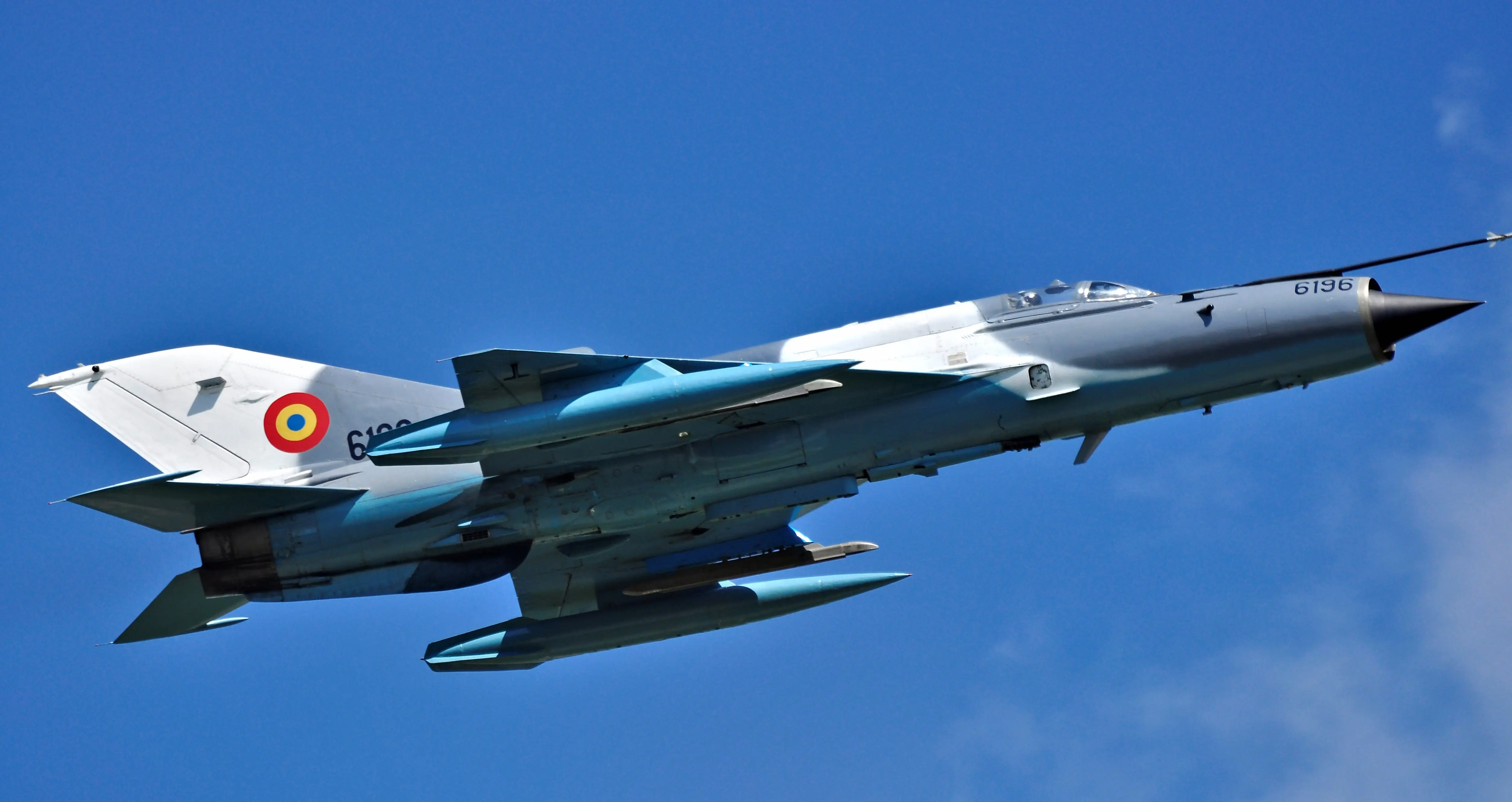
Global reach
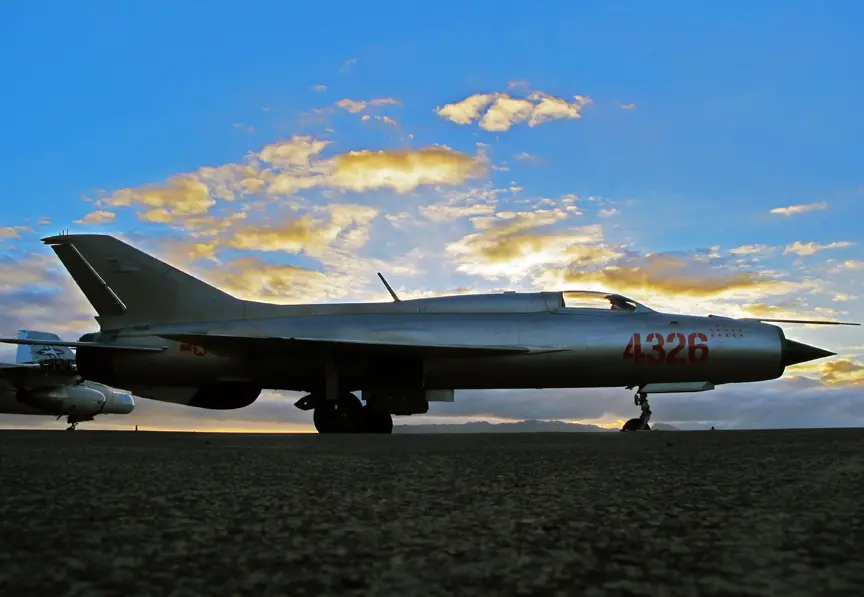
At its peak, the MiG-21 was operated by more than 60 air forces, from Cuba to North Korea. China produced its own licensed version, the Chengdu J-7, which itself was built in the thousands and exported widely. For many nations, the MiG-21 represented their first true supersonic aircraft, affordable, rugged, and capable of transforming an air force overnight.
Strengths and shortcomings
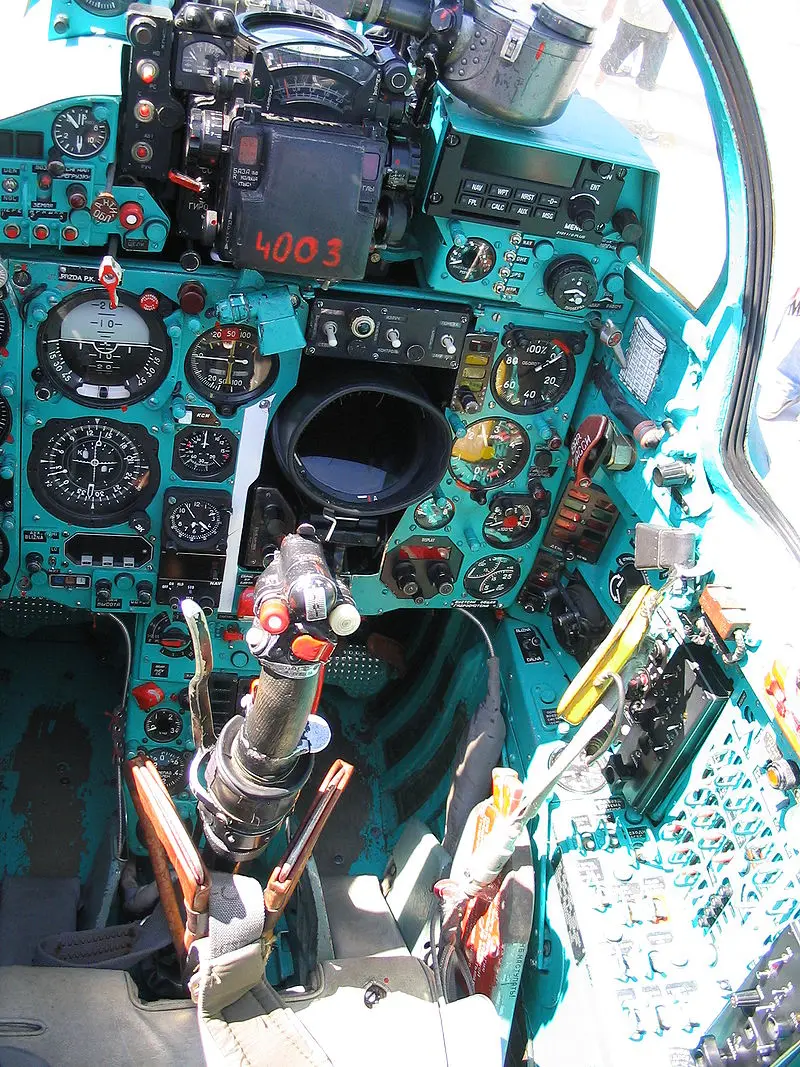
The MiG-21 was admired for its blistering speed and near-rocket-like climb rate. But its strengths came at a cost. The fighter had limited range, could carry only modest weapons payloads, and relied on basic radar systems. Its high landing speeds made it difficult to handle, and in India especially, the aircraft gained the grim nickname “flying coffin” after a series of crashes. Despite this, it remained in frontline service for decades, proving adaptable to upgrades and evolving combat roles.
Retirement in India
The Indian Air Force has now formally retired its last squadron of MiG-21 fighters, drawing the curtain on more than six decades of service. India had been the largest remaining operator of the type, keeping modernised MiG-21 Bisons in service long after many other countries phased them out. The retirement clears the way for more advanced aircraft, with the indigenous HAL Tejas light combat aircraft and the French-built Dassault Rafale forming the backbone of India’s future fighter fleet. The decision marks the end of an era for a jet that not only defended India’s skies but also became synonymous with its air power.
A lasting legacy
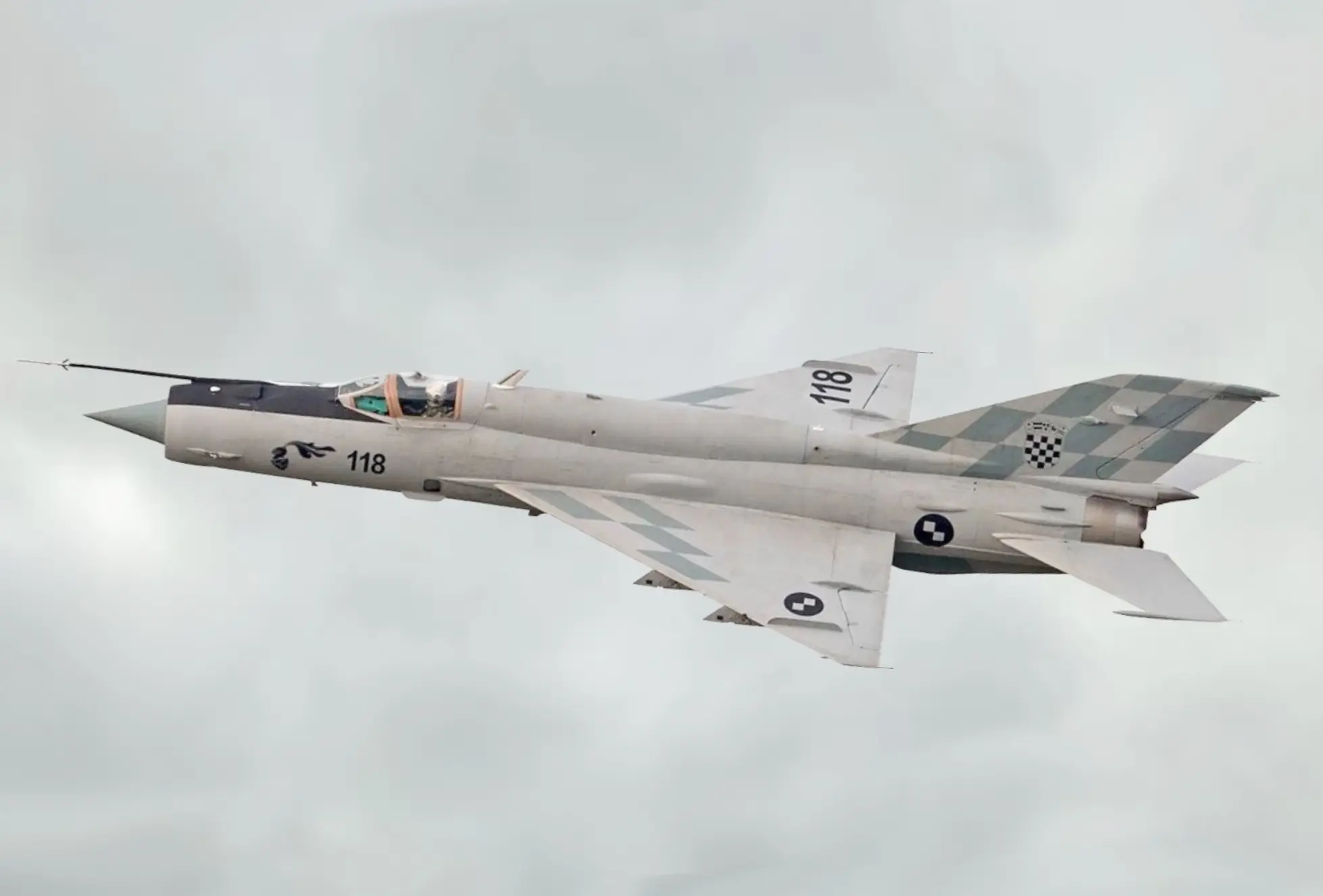
Despite its flaws and controversies, the MiG-21 remains a landmark in aviation history. No other supersonic jet has ever matched its production numbers, its global footprint, or its impact on air combat. From Cold War showdowns to modern skirmishes, it proved that speed and simplicity could reshape the balance of power in the skies. With its official retirement in India, the last great chapter of the MiG-21 has closed, but its legacy as the world’s most produced supersonic jet is secure and unlikely ever to be surpassed.
)
)
)
)
)