Only this fighter jet could land in Delhi's Connaught Place

The F-35B was built for extreme scenarios, war zones, remote battlefields, disaster zones, and damaged airstrips. Its vertical landing feature is designed to let it operate in areas where conventional jets simply can’t.
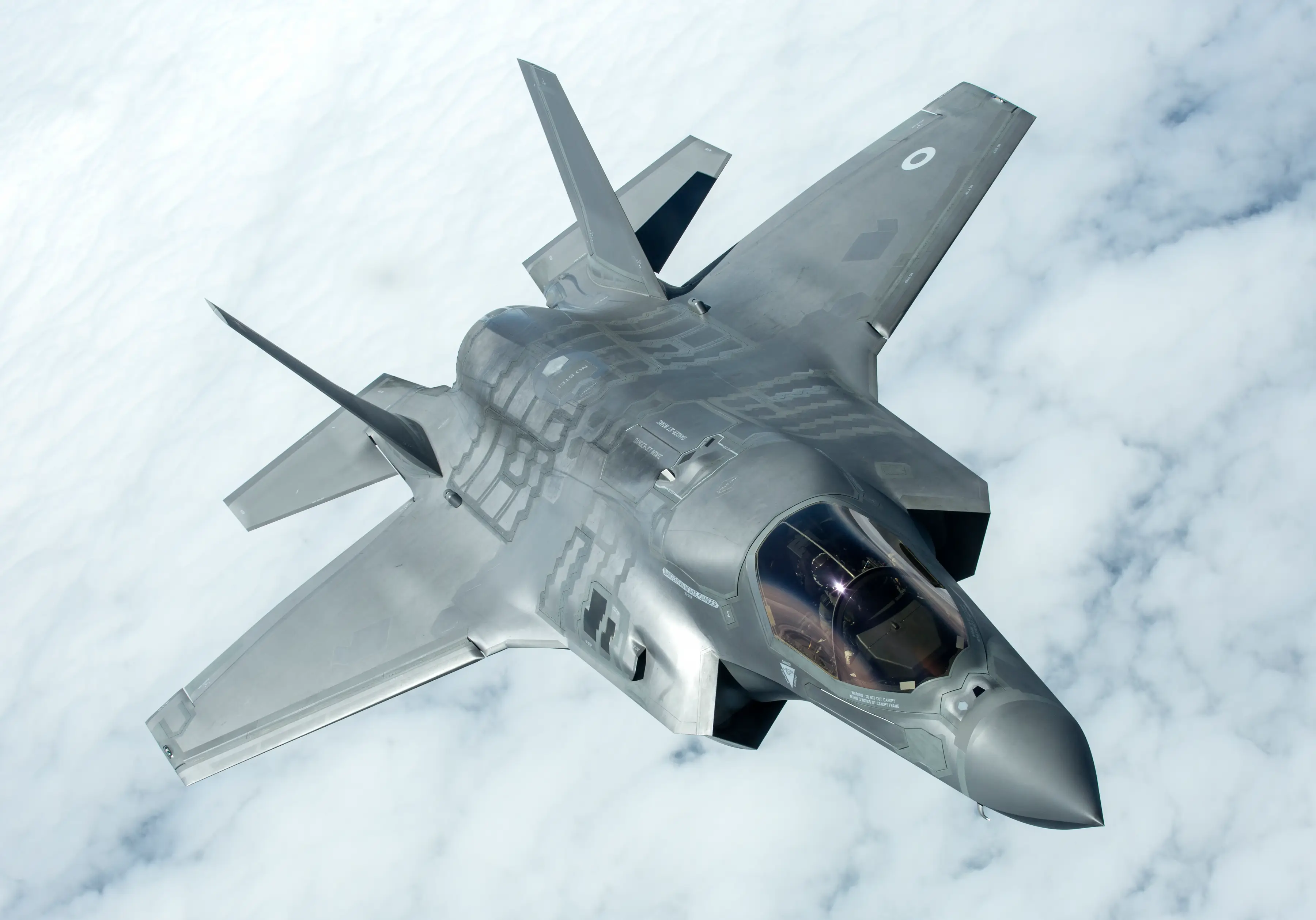
The Jet That Doesn’t Need a Runway
The Lockheed Martin F-35B Lightning II is one of the most advanced fighter jets in the world and also the most flexible when it comes to where it can land. Unlike conventional jets that require long runways, the F-35B is equipped with Short Take-Off and Vertical Landing (STOVL) capabilities. That means it can launch from short runways and land vertically, just like a helicopter. If you're wondering whether it could pull off a landing in Delhi’s Connaught Place, the answer is: Yes, technically, it could.
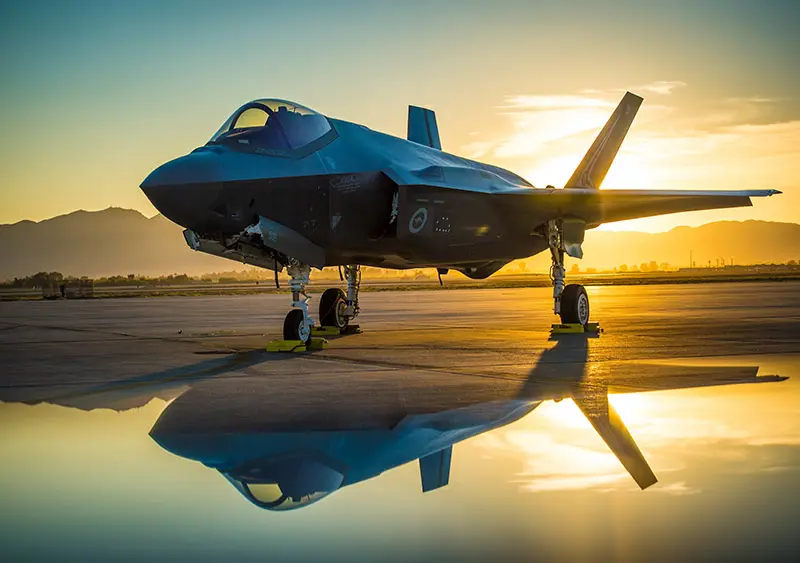
How Does It Do That?
The magic behind the F-35B lies in its revolutionary engine design. It uses a Pratt & Whitney F135 engine with a swivelling rear nozzle and an embedded lift fan located just behind the cockpit. During vertical landing, the nozzle points downward while the lift fan generates extra upward thrust, allowing the aircraft to hover and land vertically. It’s the same kind of mechanism that allows this jet to operate from aircraft carriers, remote locations, or even open urban spaces, no runway needed.

Why Would It Land in CP Though?
The F-35B was built for extreme scenarios, war zones, remote battlefields, disaster zones, and damaged airstrips. Its vertical landing feature is designed to let it operate in areas where conventional jets simply can’t. Now, imagine a war scenario or a military exercise where a jet needs to land in a city environment, a flat, open space like the Inner Circle of Connaught Place could, hypothetically, be used as an emergency landing zone. It may sound wild, but the jet is built exactly for this kind of versatility.

What Would Happen if It Actually Landed in Connaught Place?
If an F-35B were to land in Connaught Place, Delhi, the city would witness something out of a sci-fi movie. Security would cordon off the entire area hours in advance. As the jet approaches, the hover mode would kick in, roaring like a thunderstorm, rattling windows and vibrating the ground. It would then gently descend, landing in a space smaller than a cricket pitch. People nearby would film it, post it online, and it would break the internet instantly. CP, known for shopping and chole bhature, would suddenly become the runway for the future.
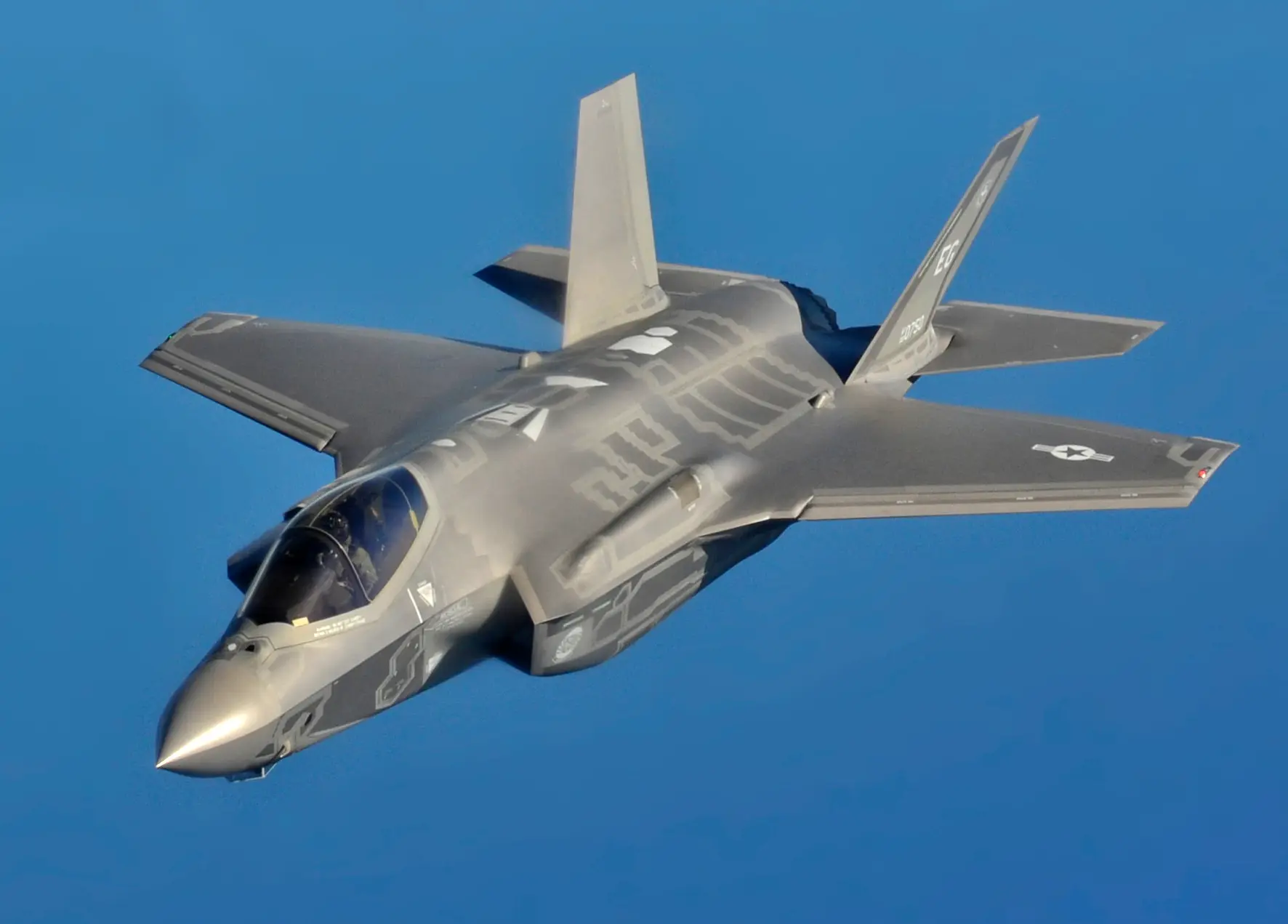
Why Is This a Big Deal?
Most modern fighter jets, even India’s powerful Sukhoi Su-30 MKI or Rafale, require a runway several hundred meters long to land. But the F-35B only needs about 150-200 feet to take off and can land vertically in zero runway space. That makes it a total game-changer. In combat, disaster relief, or urban operations, this jet can operate from helipads, highways, stadiums or hypothetically, Connaught Place, making it the most flexible fighter jet in the world.
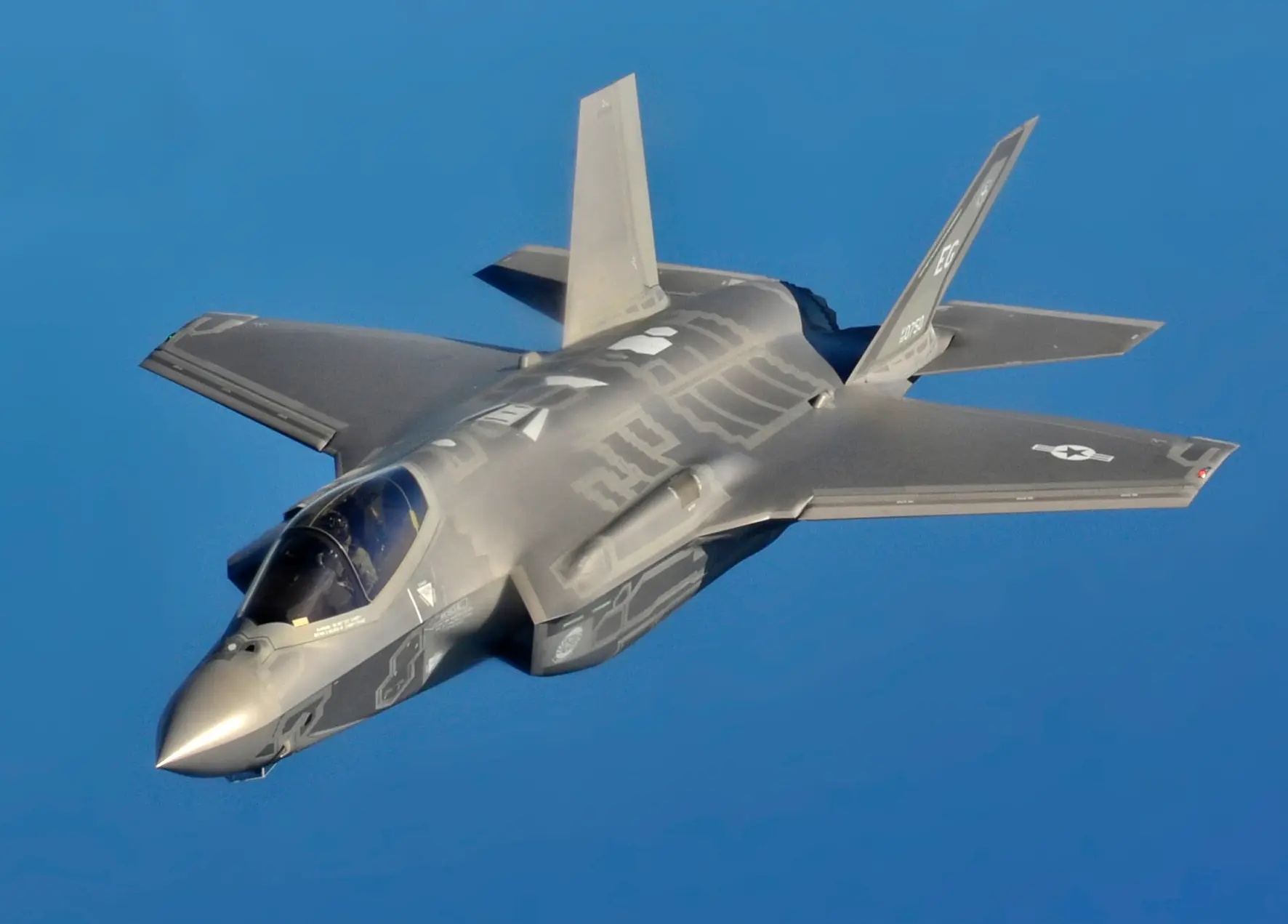
Final Thought
So, while the sight of a fighter jet landing in CP may seem like fiction, the F-35B makes it technically possible. It’s not just an aircraft, it’s a statement of next-gen military innovation. Whether Delhi ever sees one touch down is another story, but the fact that it could… is enough to blow your mind.
)
)
)
)
)