Only 5 true fifth-generation fighter jets are in service today. Here’s who flies them..

Fleet size, operational readiness, and pilot training now define strategic air power, with the United States leading the pack, followed by China, Russia, Israel, and the United Kingdom.
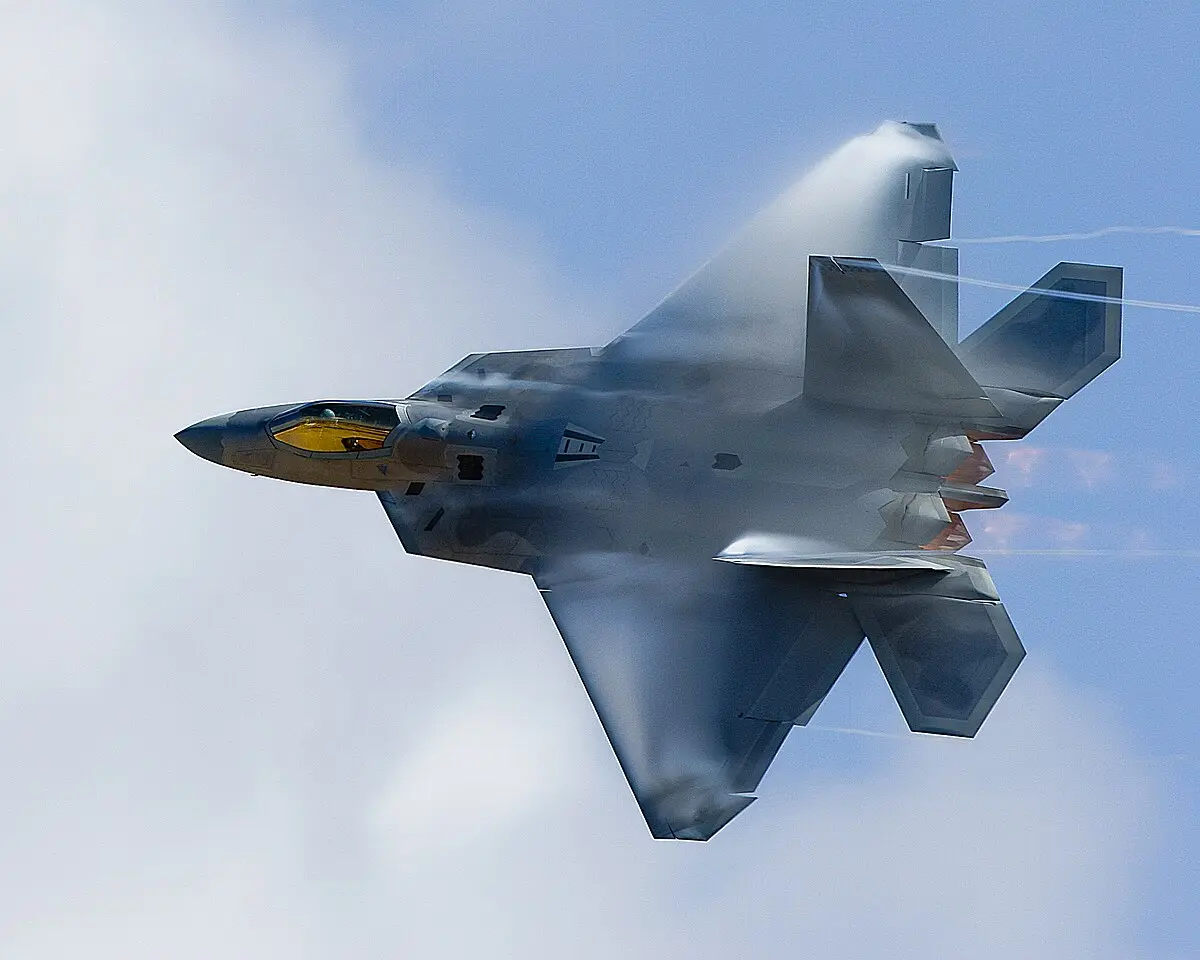
Introduction
Only a select few nations possess the technology to operate true fifth-generation fighter jets. These aircraft combine stealth, supercruise, integrated sensors, and advanced avionics to dominate modern air combat. Fleet size, operational readiness, and pilot training now define strategic air power, with the United States leading the pack, followed by China, Russia, Israel, and the United Kingdom. As emerging nations develop their own advanced jets, the balance of aerial warfare is evolving, making these elite aircraft a decisive factor in global security and regional dominance.
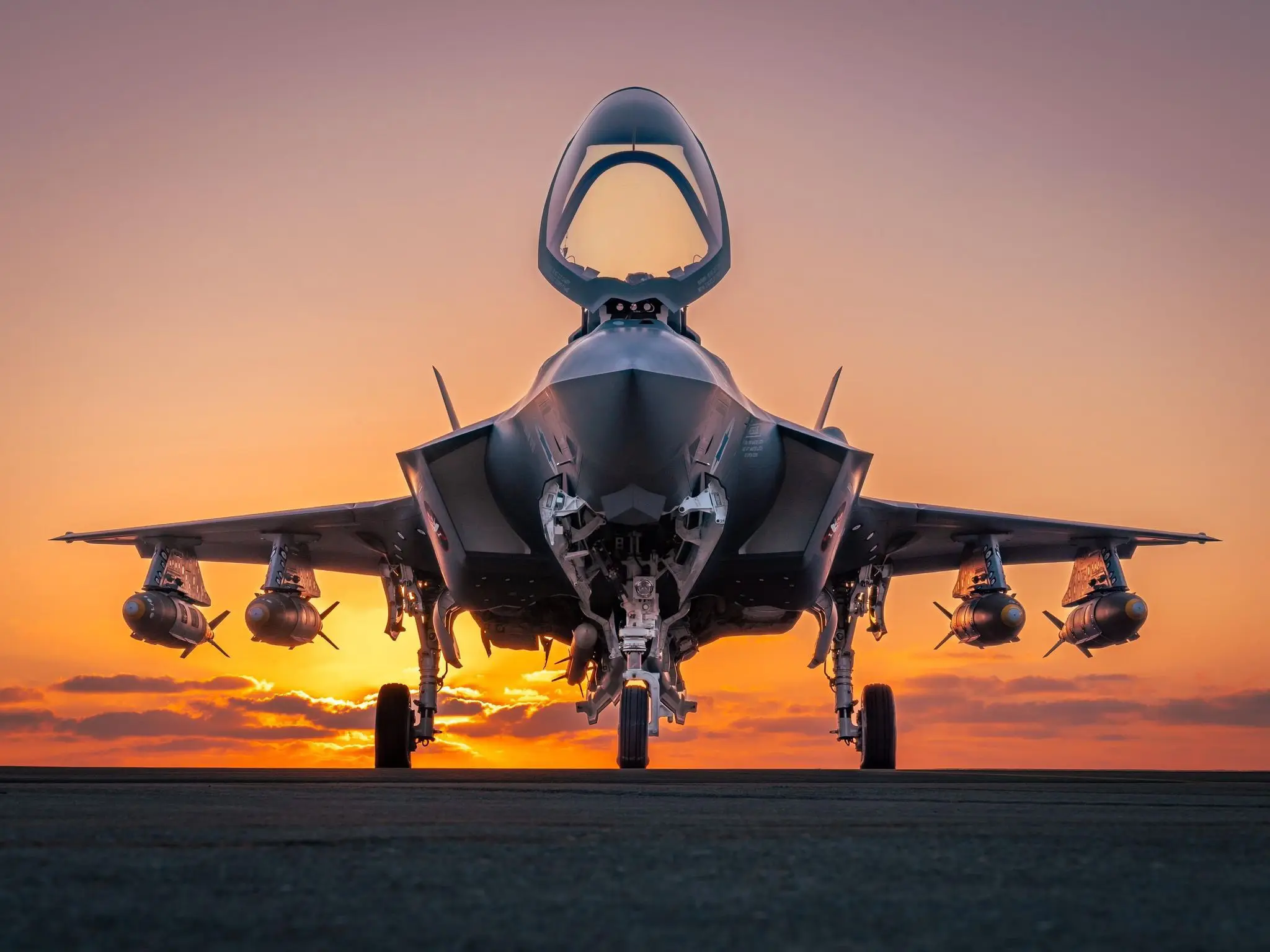
F-35 Lightning II (United States)
The F-35 Lightning II serves multiple roles across the US Air Force, Navy, and Marine Corps. This single platform encompasses three variants: F-35A (conventional takeoff), F-35B (short takeoff/vertical landing), and F-35C (carrier-based). As a multirole stealth fighter, it integrates advanced sensors, networked warfare systems, and versatile armament options. With over 1,200 delivered worldwide, the F-35 is the backbone of US fifth-generation aviation and has been adopted by numerous allied nations for both air and naval operations.
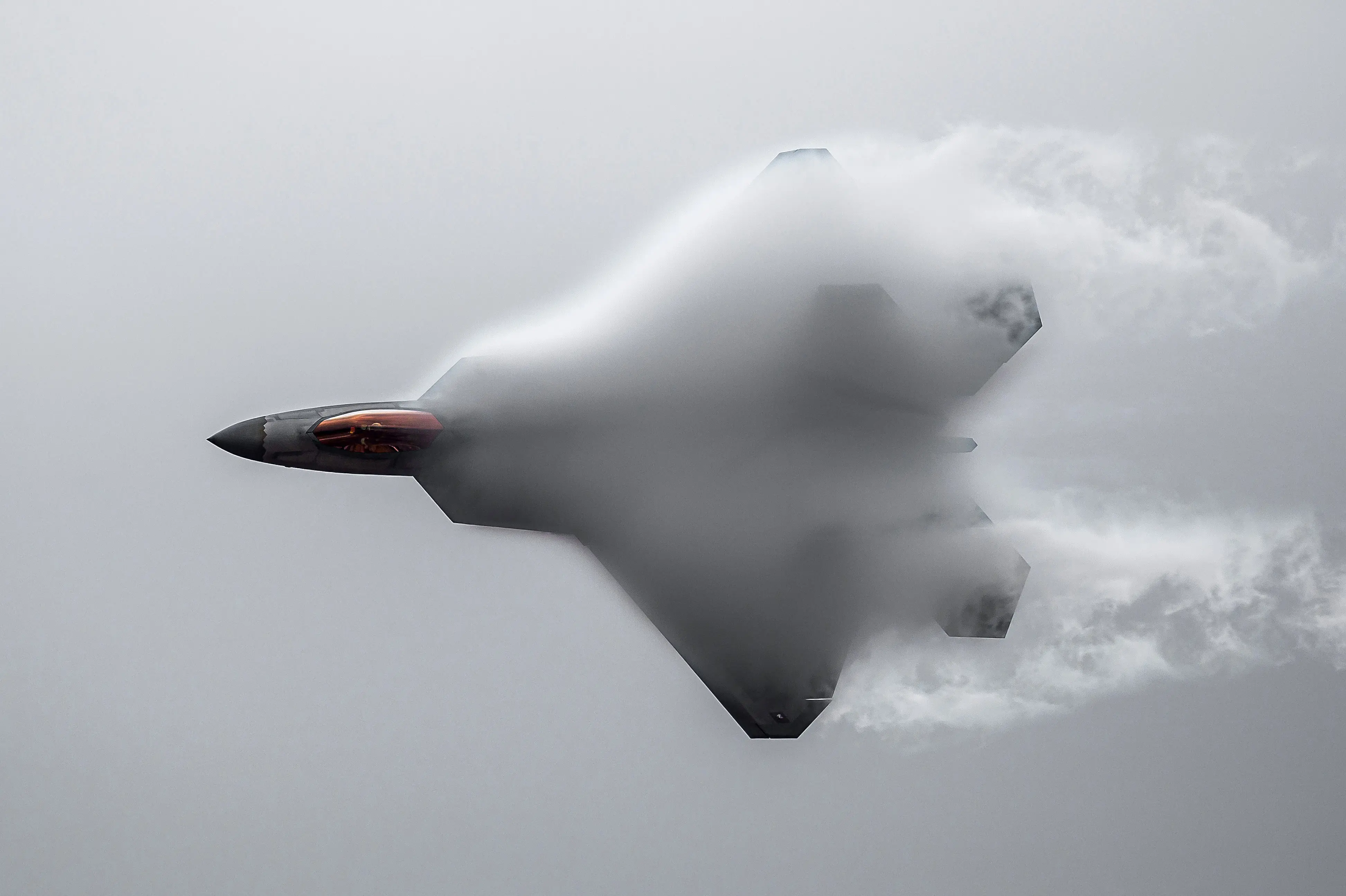
F-22 Raptor (United States)
The F-22 Raptor, introduced in 2005, is the United States’ premier air superiority fighter. It combines stealth, supercruise, and advanced avionics, making it highly effective in contested airspace. Although production ended in 2009, the fleet remains operational with approximately 180 jets. Its capabilities in speed, manoeuvrability, and sensor fusion continue to make it a benchmark for fifth-generation air combat.
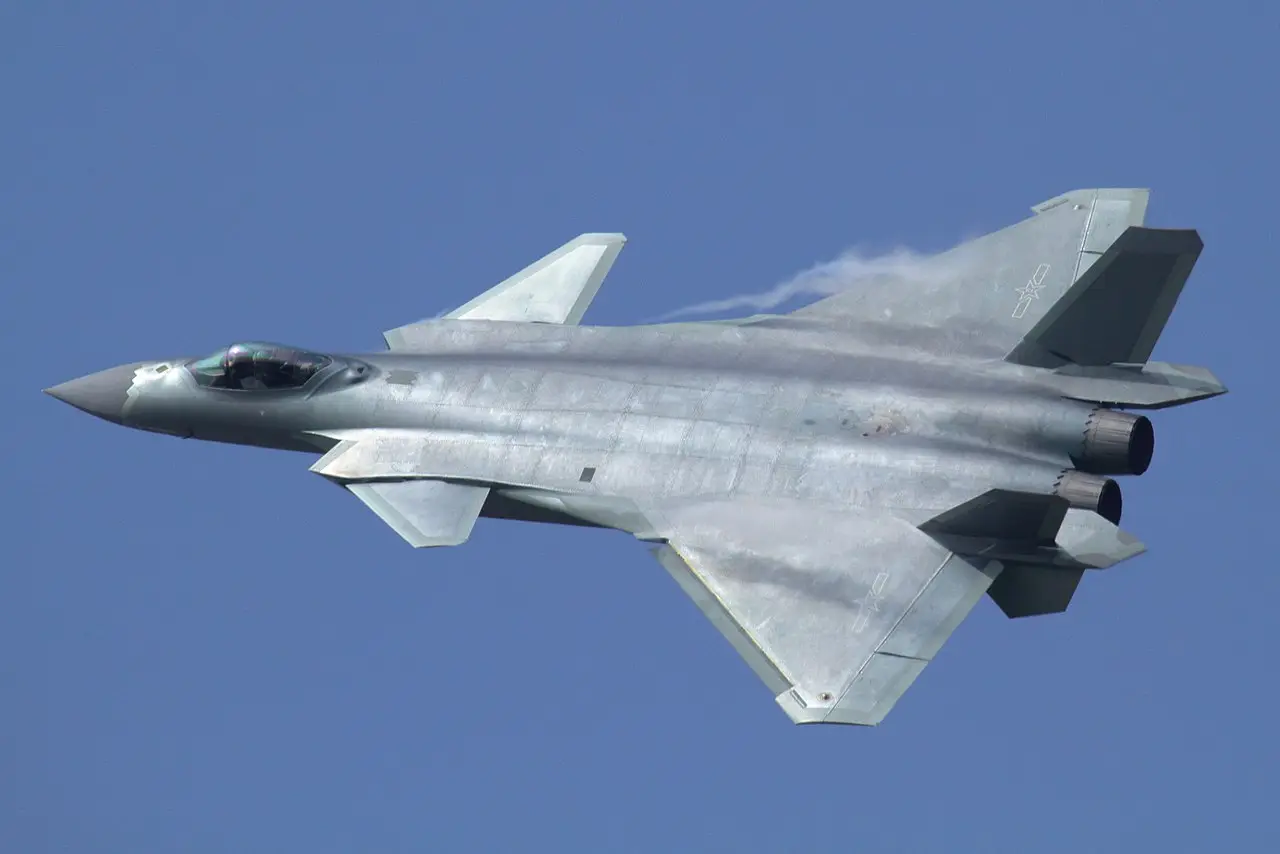
Chengdu J-20 Mighty Dragon (China)
China’s J-20 Mighty Dragon is the PLAAF’s first fifth-generation fighter. Designed for long-range interception and air superiority, it entered service in the late 2010s. The fleet has grown rapidly, with over 300 jets operational. The J-20 enhances China’s regional reach and represents a direct challenge to other leading air powers in Asia and beyond.
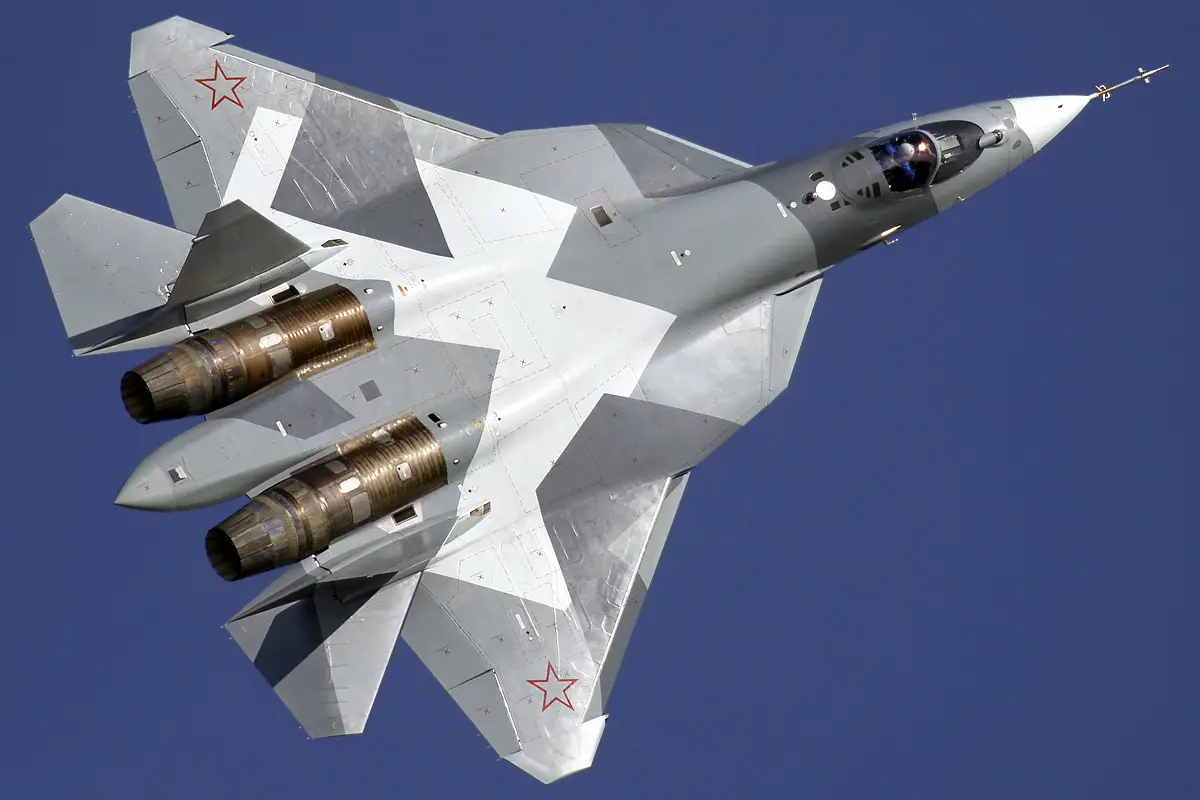
Sukhoi Su-57 Felon (Russia)
The Su-57 is Russia’s first fifth-generation fighter, combining stealth, supercruise, and advanced avionics. Operational numbers are limited, with roughly 20–25 aircraft active. The Su-57 provides the Russian Aerospace Forces with a multirole platform capable of engaging modern threats, though production is ongoing and fleet expansion is gradual.
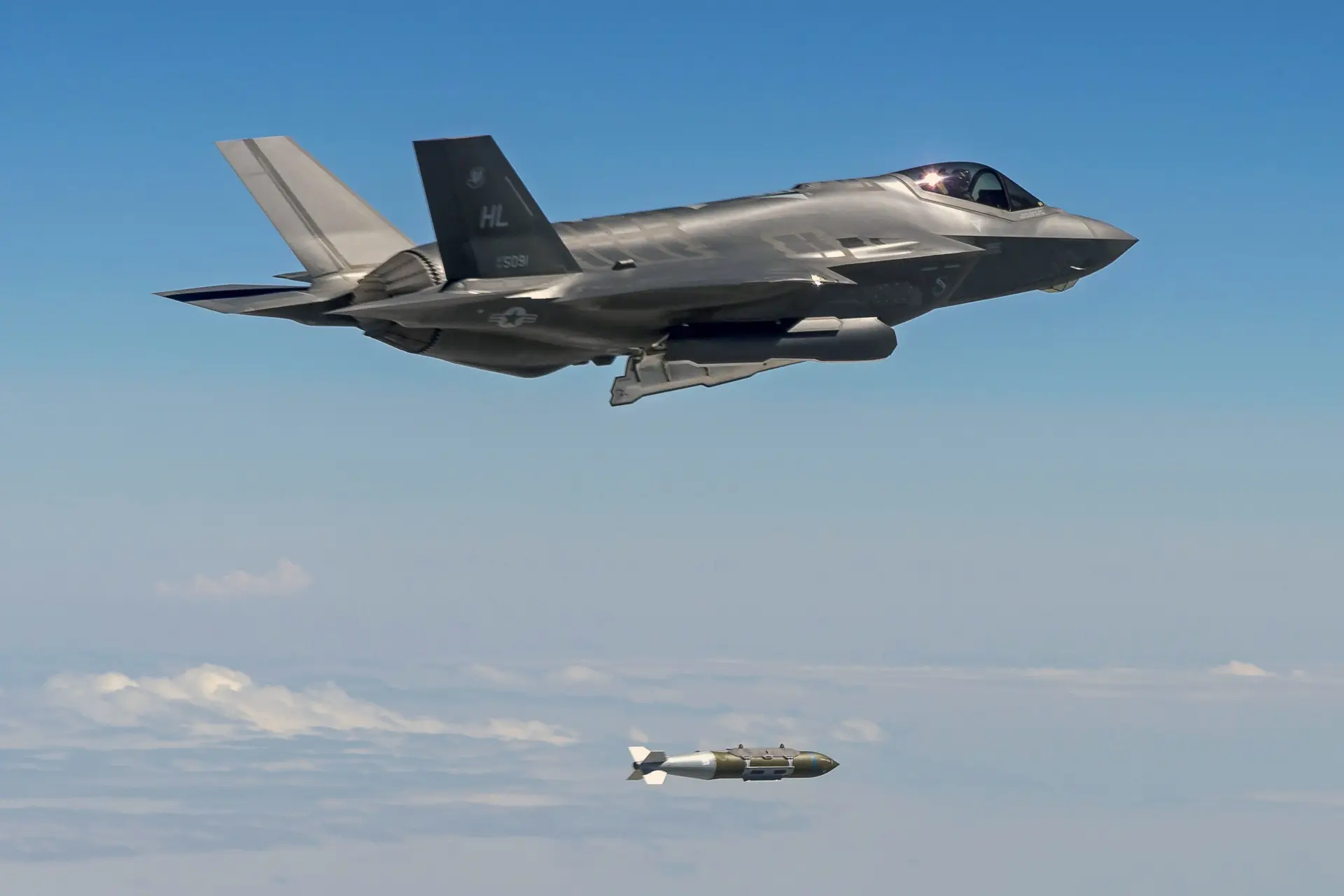
F-35I Adir (Israel)
Israel operates a customised F-35 variant, the F-35I Adir. Tailored with Israeli avionics and indigenous weapons systems, the Adir entered service in 2017. Approximately 46 aircraft are operational, enhancing Israel’s stealth, electronic warfare, and strike capabilities across the Middle East.
)
)
)
)
)