Only 4 countries have the ultimate nuclear weapon advantage. Who controls the world’s nuclear triads?

It refers to the ability to launch nuclear weapons from land-based missiles, submarine-launched missiles and strategic bombers. Very few states have reached this level because it demands decades of technological investment, vast financial resources and strategic clarity.
Introduction
Only a handful of nations possess nuclear weapons. But an even smaller group has achieved the most advanced form of deterrence, the nuclear triad. It refers to the ability to launch nuclear weapons from land-based missiles, submarine-launched missiles and strategic bombers. Very few states have reached this level because it demands decades of technological investment, vast financial resources and strategic clarity. Today, global military balance remains heavily shaped by the presence of these nuclear triads.
What defines a nuclear triad
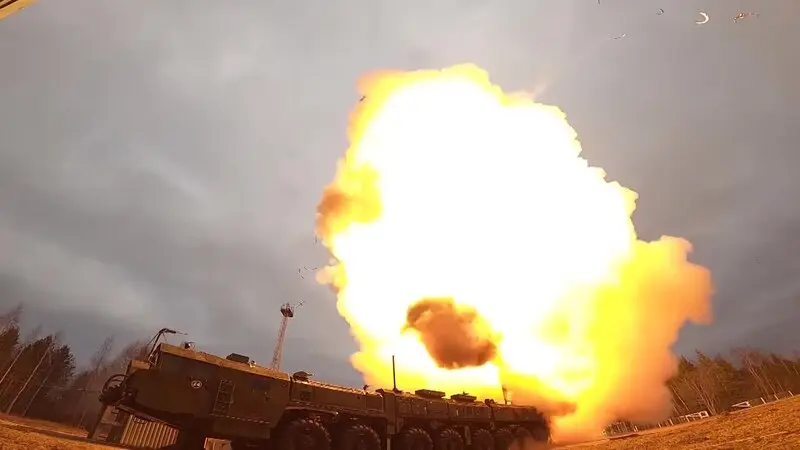
A nuclear triad is considered the most survivable deterrence structure. If one leg of the triad is destroyed in a first strike, the other two remain capable of retaliating. Land-based missiles offer readiness, submarines provide stealth and air assets allow flexible deployment. For this reason, nations that operate a triad maintain continuous modernisation programmes across all three platforms.
United States: the first established triad
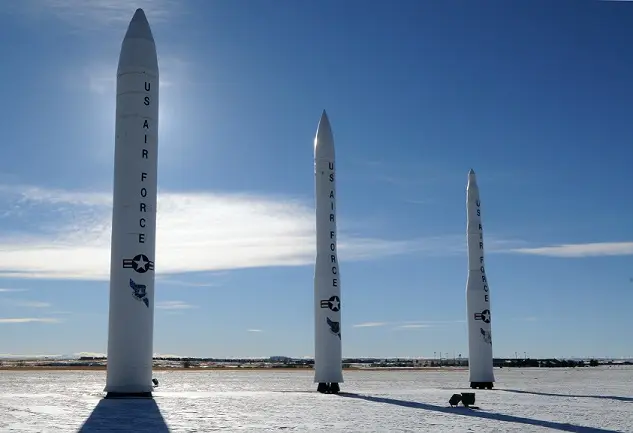
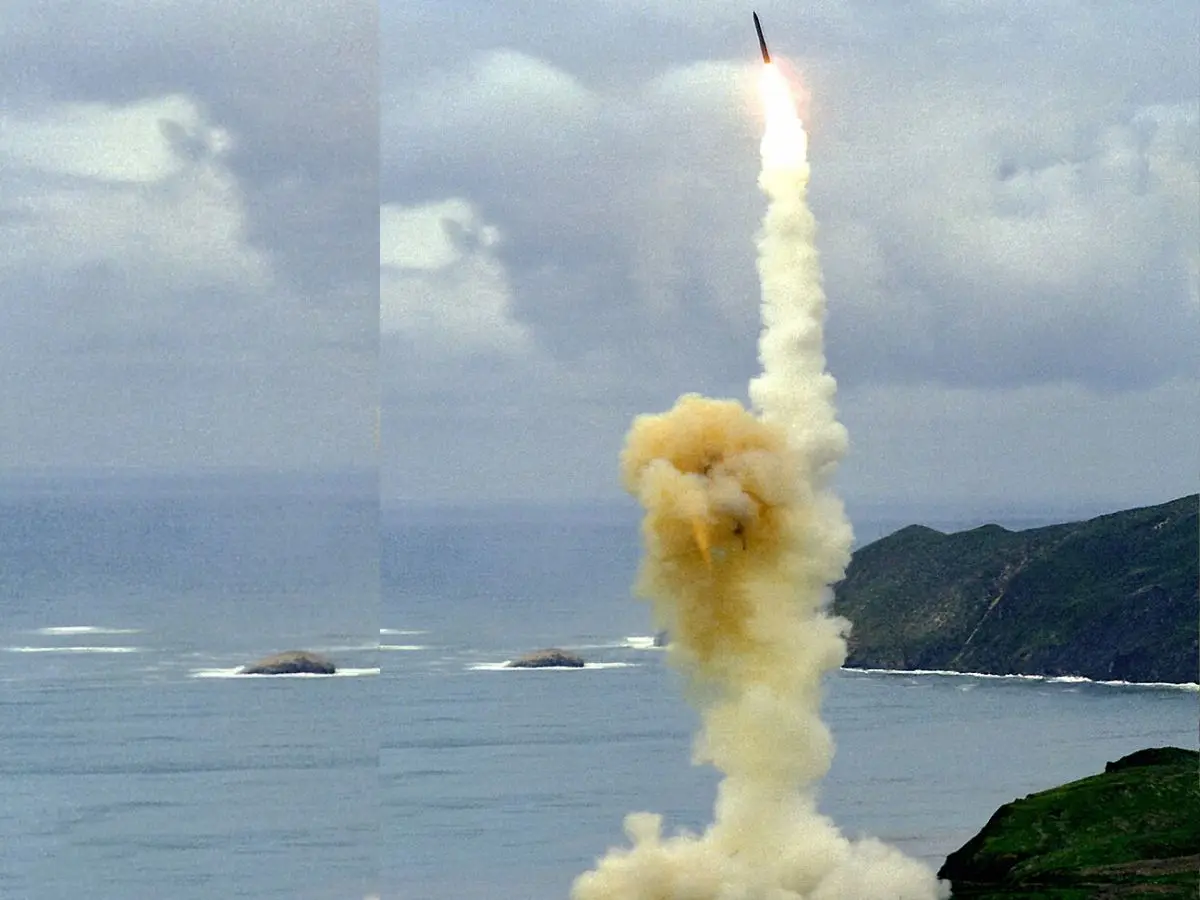
The United States became the first nation to deploy a full nuclear triad during the Cold War. Its land component includes Minuteman III ICBMs, while the sea leg relies on Ohio-class ballistic missile submarines armed with Trident II SLBMs. The air component features strategic platforms such as the B-52H and B-2 bombers carrying nuclear gravity bombs and cruise missiles. The US is currently upgrading all three legs under the Sentinel ICBM programme, Columbia-class submarines and the new B-21 bomber.
Russia: the largest nuclear stockpile
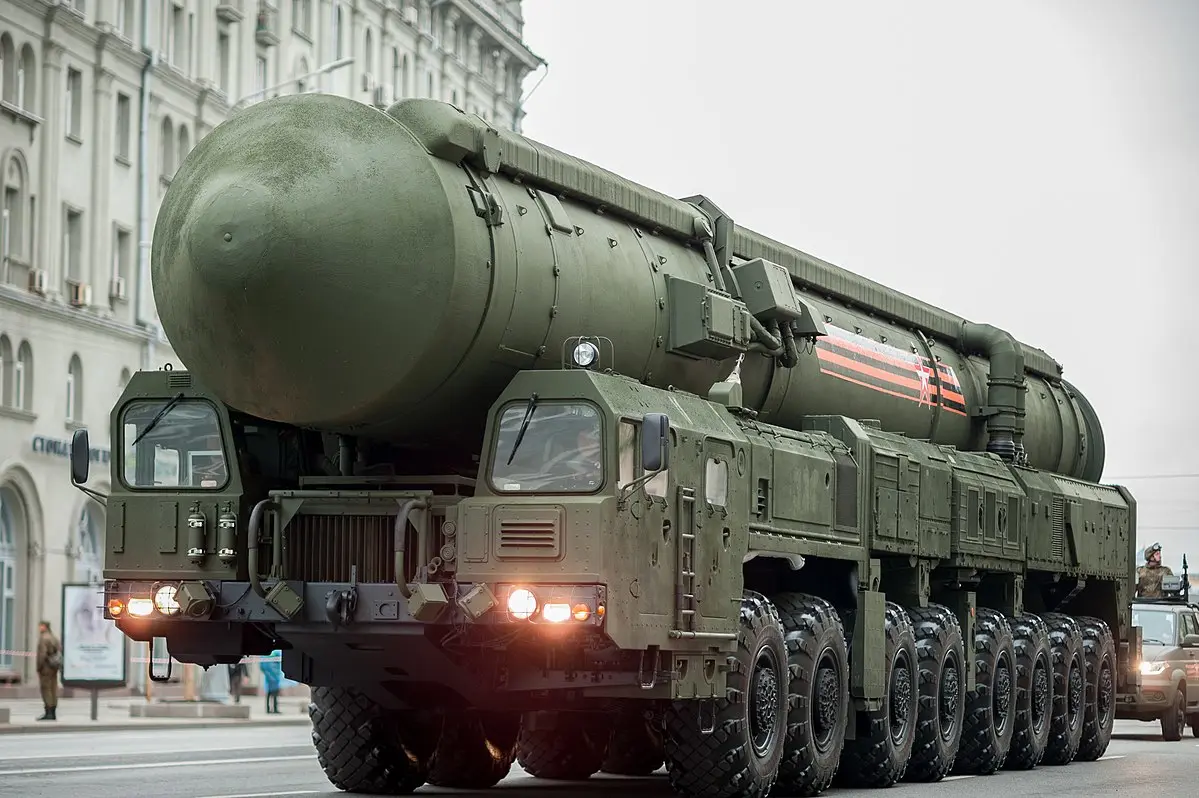
Russia maintains the world’s largest number of nuclear warheads and a fully operational triad. Its land-based arsenal includes silo-based and mobile ICBMs such as the RS-24 Yars and the Sarmat. The sea component consists of Borei-class submarines equipped with Bulava SLBMs. The air arm operates Tu-95MS and Tu-160 bombers capable of carrying long-range nuclear-capable cruise missiles. Russia has consistently prioritised nuclear deterrence as the foundation of its defence doctrine.
China: the newest full triad
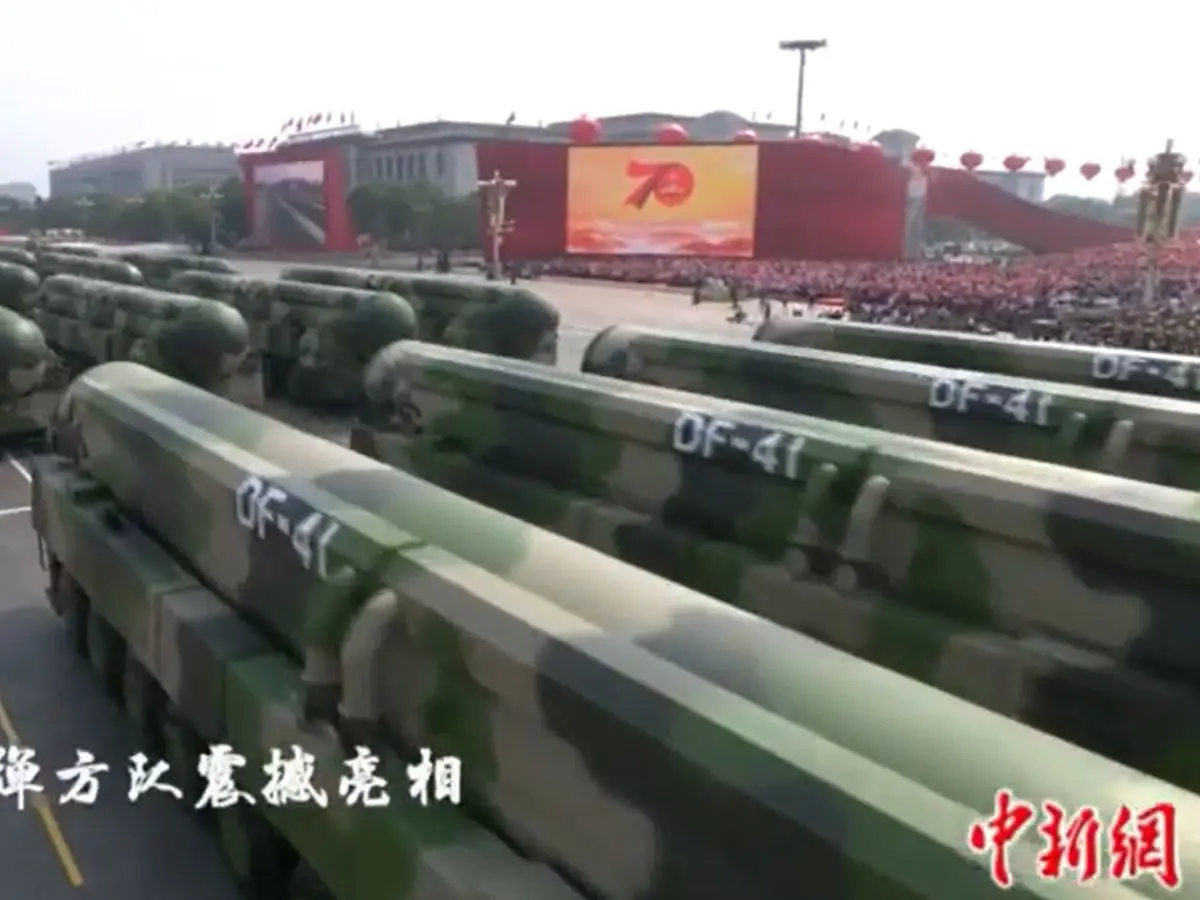
China has rapidly built a nuclear triad, with major expansion in the last decade. Its land missiles include the DF-41 and other road-mobile ICBMs. The sea component is provided by Jin-class ballistic missile submarines armed with JL-2/JL-3 missiles. China’s air leg features H-6 bombers and ongoing development of the next-generation H-20. The country is believed to be increasing its warhead count and developing second-strike capability at sea.
India: the newest member of the nuclear triad
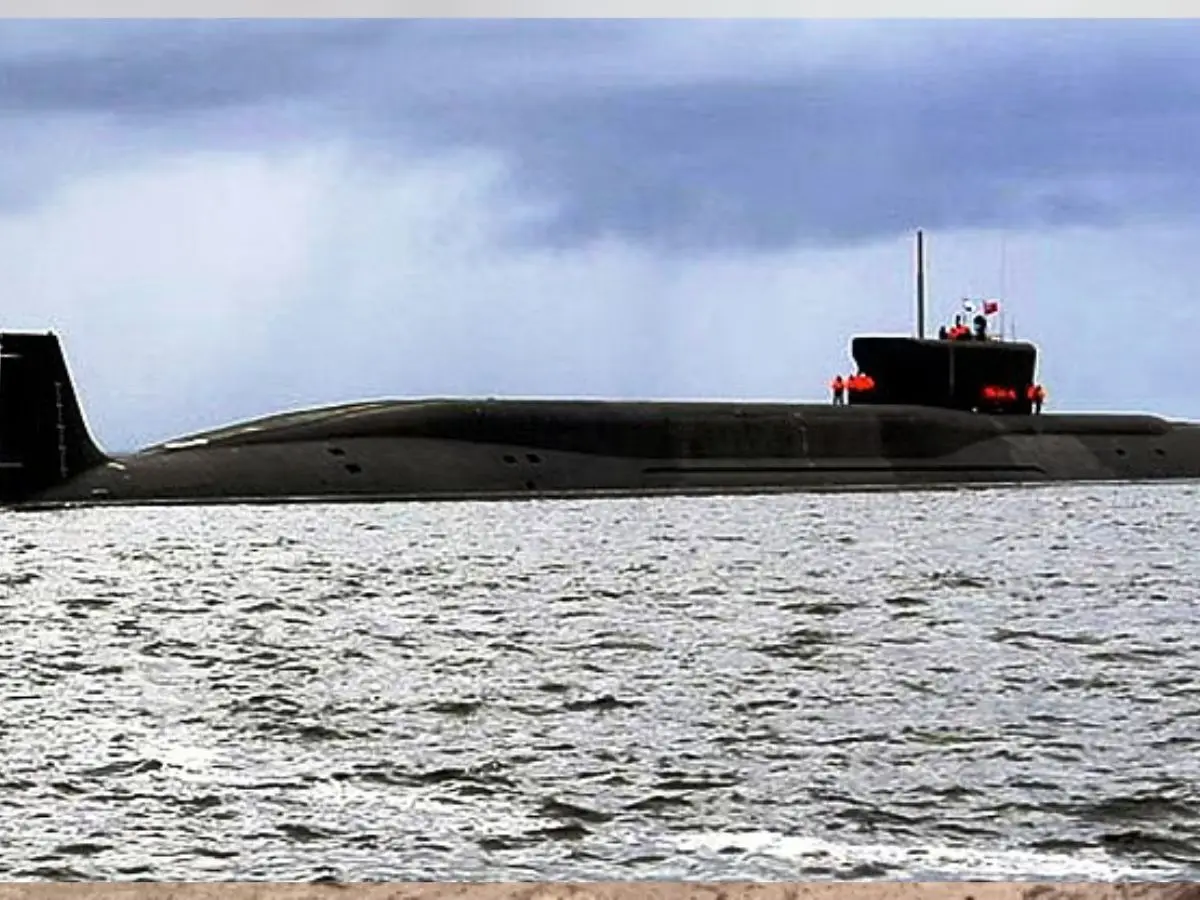
India completed its nuclear triad through the commissioning of its ballistic missile submarine arm. The land leg includes Agni-series missiles and the air leg relies on nuclear-capable fighters. The sea capability became operational with INS Arihant carrying nuclear-capable submarine-launched ballistic missiles. India remains one of the few nations whose triad is backed by a declared doctrine of no first use.
Nations aspiring to full triad capability
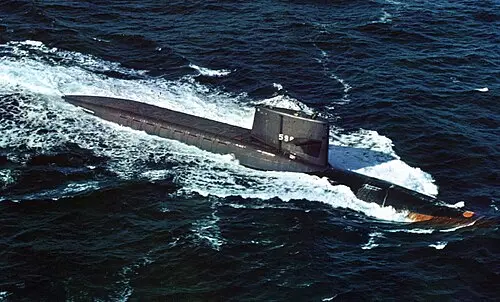
Some countries operate two legs and are close to achieving a full triad. France has submarine-launched missiles and nuclear-capable aircraft, while the land-based missile component was retired in the 1990s. The United Kingdom depends on its submarine force as its only nuclear deterrent but has the technical expertise to expand if required. North Korea has land-based nuclear missiles and has tested submarine-launched systems but does not operate an established triad.
)
)
)
)
)