Nuclear vs diesel-electric submarines: Which technology dominates modern warfare and proves deadlier?

Each type brings its own advantages, limitations and battlefield roles, shaping how nations project power or defend their coastlines. Nuclear submarines promise near-unlimited endurance and global reach, while diesel-electric variants offer unmatched stealth in confined waters.
Introduction
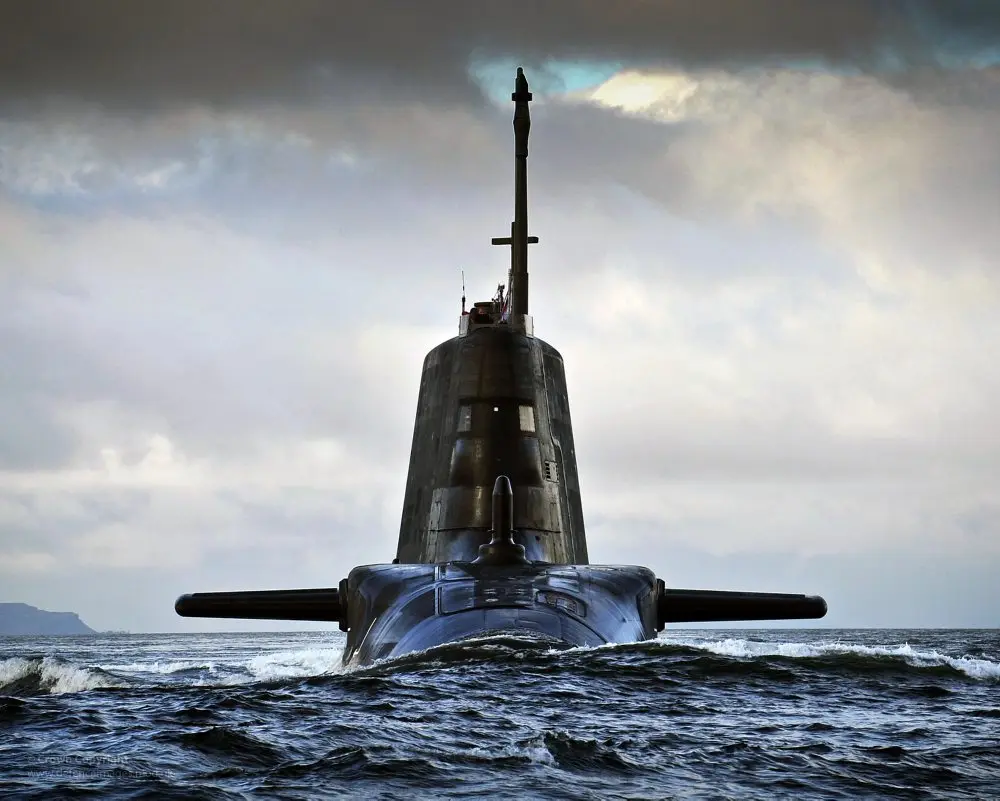
Submarines have become some of the most decisive weapons in modern naval warfare, yet the world’s fleets are divided between two fundamentally different designs: nuclear-powered submarines and diesel-electric boats. Each type brings its own advantages, limitations and battlefield roles, shaping how nations project power or defend their coastlines. Nuclear submarines promise near-unlimited endurance and global reach, while diesel-electric variants offer unmatched stealth in confined waters. As militaries expand their undersea capabilities and maritime tensions rise, understanding which of these platforms is deadlier, and under what conditions, is essential to grasping how future conflicts may unfold beneath the world’s oceans.
How nuclear submarines work
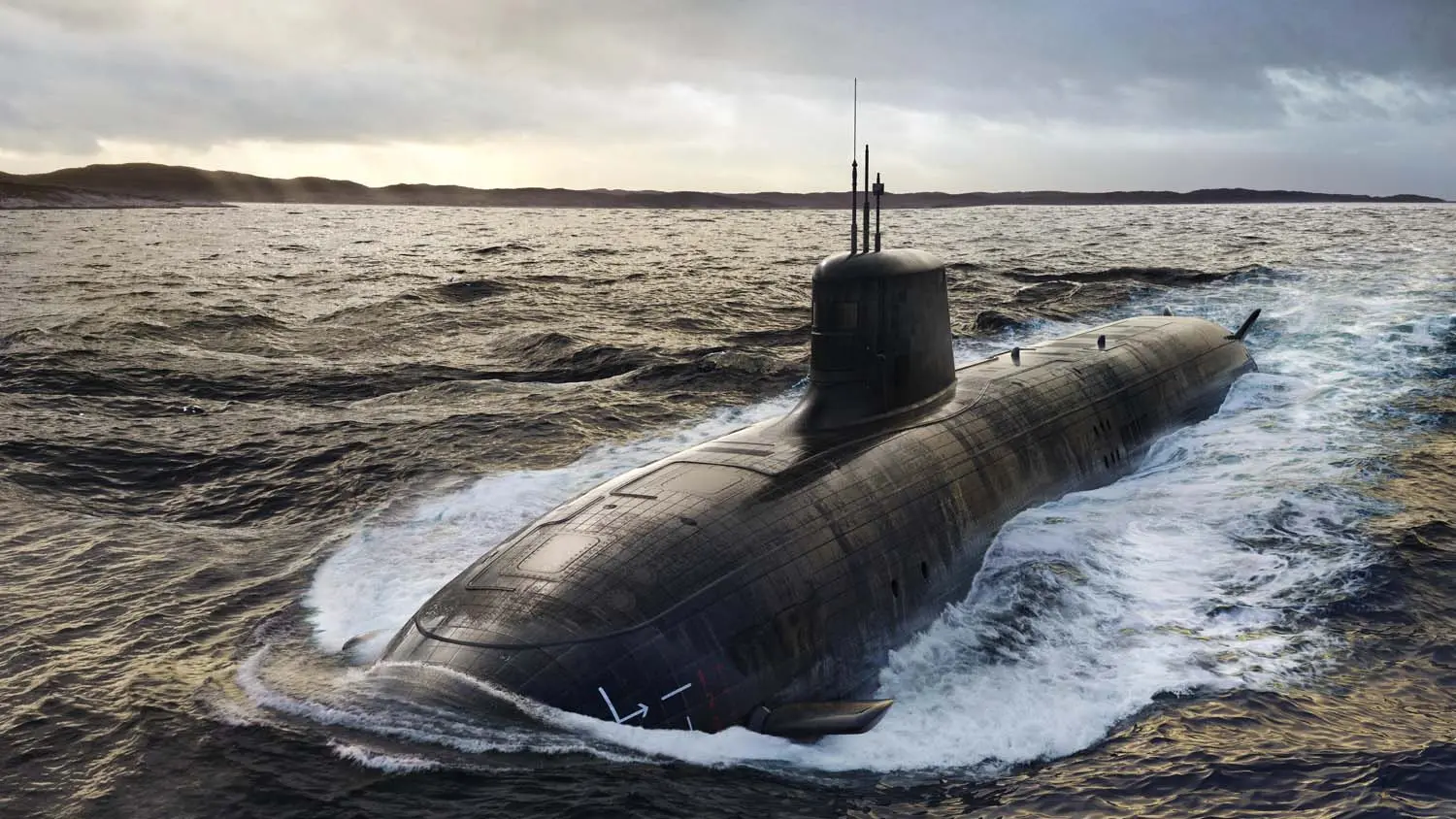
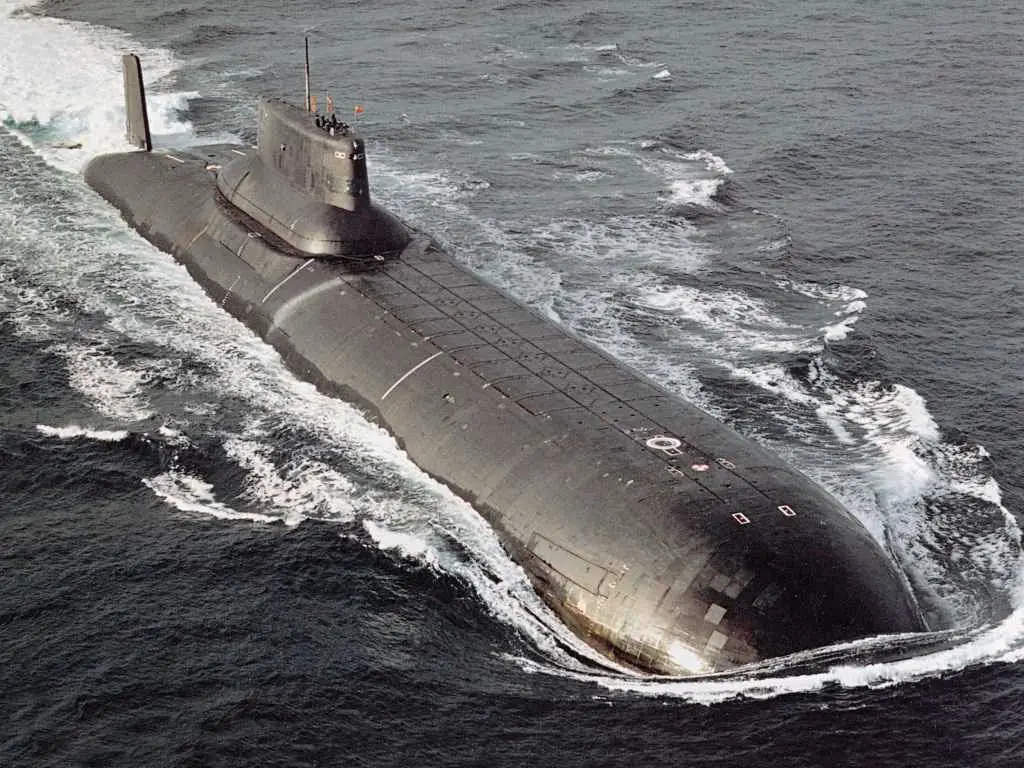
Nuclear submarines, or SSNs and SSBNs, use onboard reactors to generate unlimited propulsion and electrical power. Because they do not rely on atmospheric oxygen, they can remain submerged for months at a time. Their endurance is restricted mainly by crew fatigue and food supplies. These boats typically displace between 7,000 and 18,000 tonnes and travel at over 25 knots underwater. Their greatest advantage is sustained high-speed transit, allowing them to cross oceans rapidly or shadow enemy fleets without surfacing.
Why nuclear submarines are considered strategic weapons
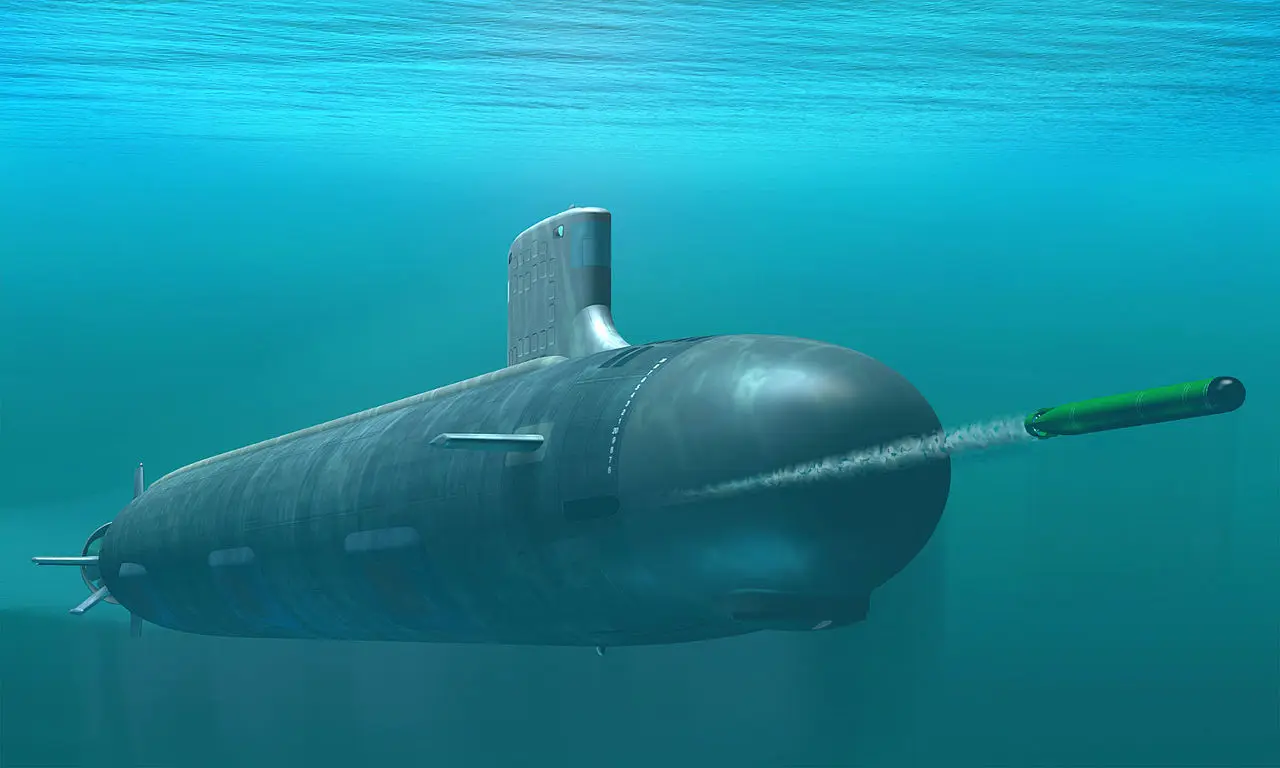
The deadliest nuclear-powered submarines are SSBNs, ballistic missile submarines that carry long-range nuclear missiles. Nations such as the United States, Russia, China, the United Kingdom, France and India operate them as the most survivable leg of their nuclear deterrent. Because an SSBN can hide deep in the world’s oceans for months, tracking one is extremely difficult even for advanced navies. This assured ‘second-strike capability’ prevents adversaries from attempting a first nuclear attack, making SSBNs central to national security doctrines.
How diesel-electric submarines work
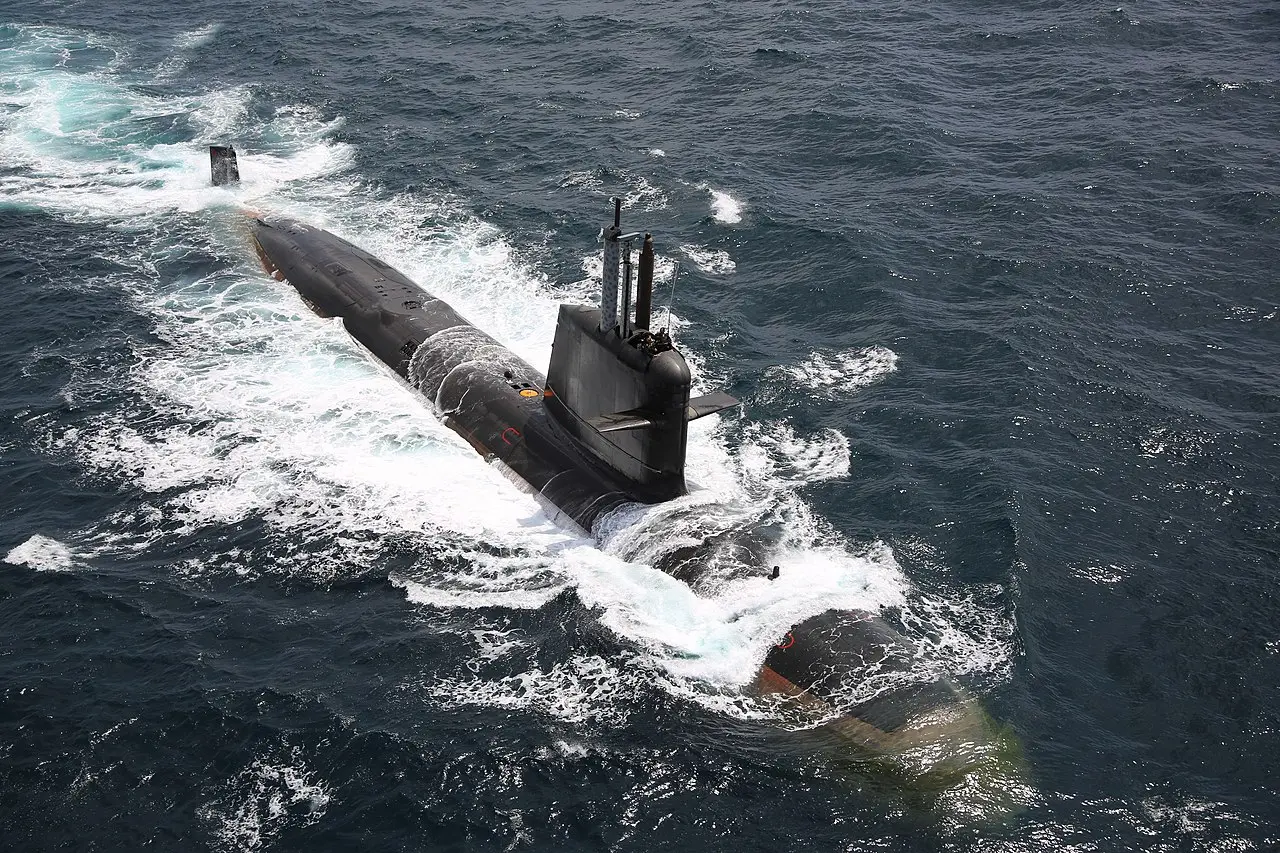
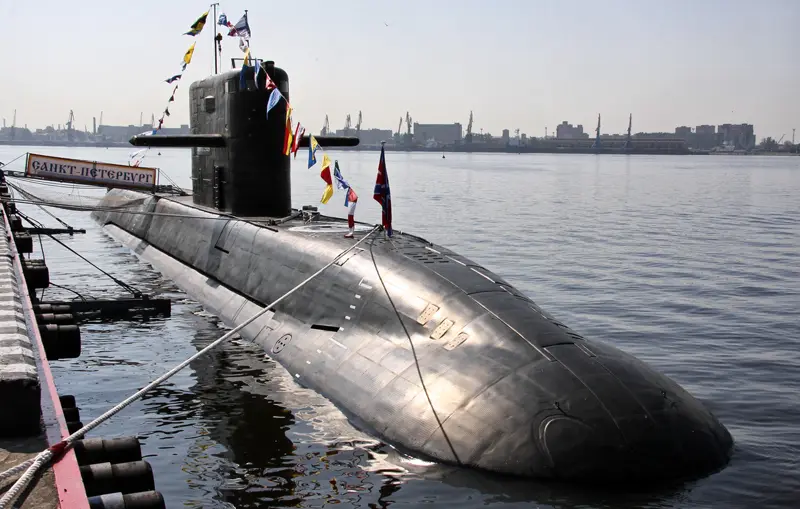
Diesel-electric submarines (SSKs) operate on battery power underwater and use diesel engines only when surfaced or snorkelling. Modern variants equipped with Air-Independent Propulsion (AIP) systems can remain submerged for several weeks, far longer than older diesel boats. SSKs are generally smaller, 1,500 to 4,000 tonnes, and significantly quieter when running on batteries. Their low acoustic signature makes them extremely difficult to detect in shallow, coastal or congested waters, where nuclear submarines are less effective.
Why diesel-electric submarines remain deadly
Despite lacking global range, diesel-electric submarines pose a serious threat. They excel in littoral warfare, can lie silently for long periods, and are cheaper to operate. Many navies, including Germany, Japan, South Korea, Sweden, Australia (currently transitioning), Pakistan and India, use them for anti-ship and anti-submarine missions. In several exercises, SSKs have ‘sunk’ nuclear submarines and aircraft carriers in simulated combat, proving how dangerous they can be in close-range operations.
Endurance vs stealth: the fundamental trade-off
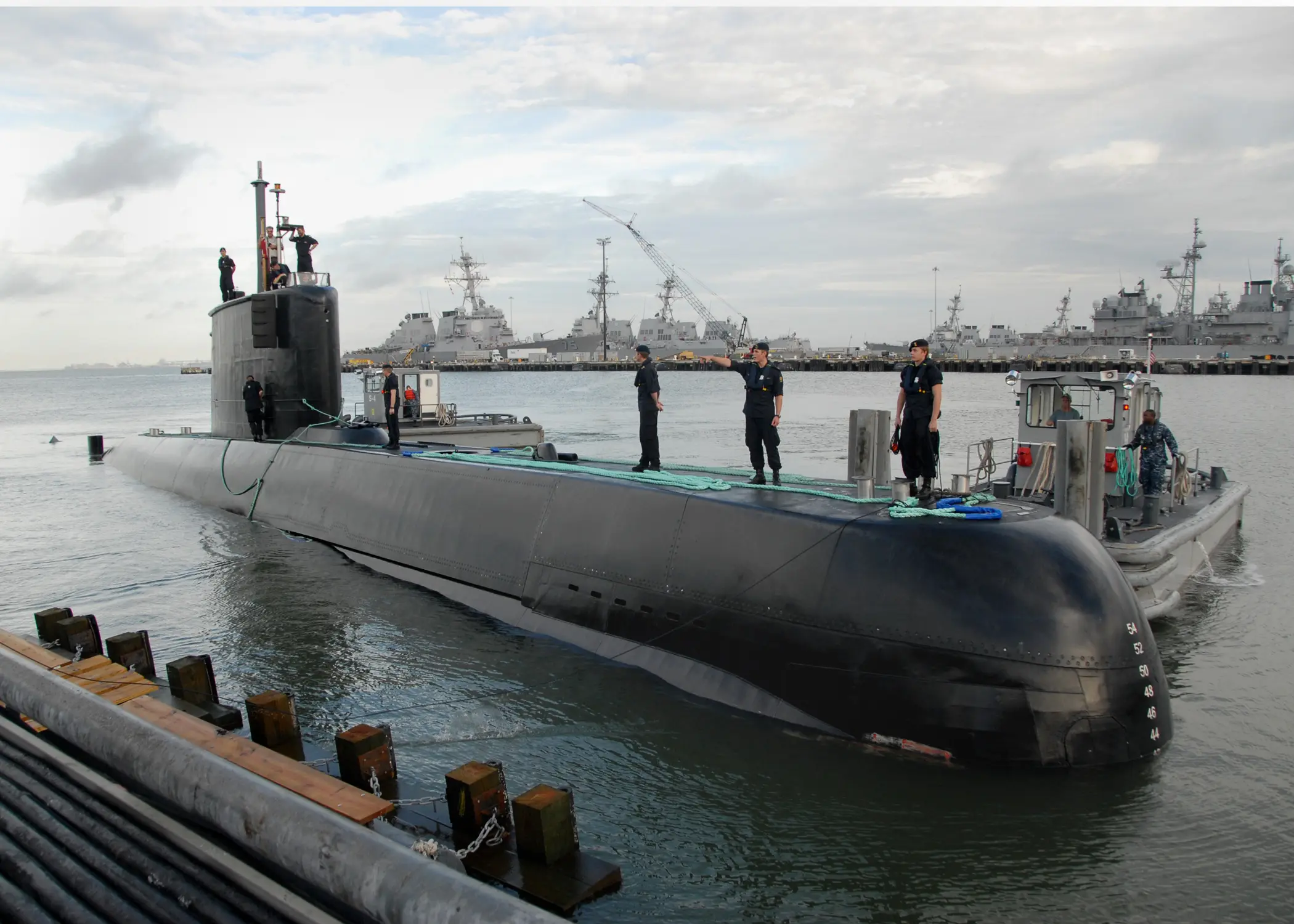
Nuclear submarines dominate in endurance, speed and long-range deployments. Diesel-electric boats dominate in stealth at low speeds. In open oceans, nuclear submarines are deadlier. In shallow or enclosed waters, a diesel boat can be virtually undetectable. Both types, therefore, play different roles: nuclear submarines project power globally, while diesel-electric submarines control coastal regions.
Which is deadlier?
The answer depends on the mission. A nuclear submarine carrying ballistic missiles represents unmatched strategic power. But in tactical engagements, especially near coastlines, a modern AIP-equipped diesel-electric submarine can be equally, if not more, dangerous. Ultimately, the deadliest submarine is the one operating in the environment it is designed for.
)
)
)
)
)