North Korea's message to US amid Iran war? Kim tests cruise missile as America moves THAAD system out of S Korea: What's happening

North Korea’s latest cruise missile test comes as the US and South Korea conduct Freedom Shield drills and reports emerge of THAAD assets being moved to West Asia amid the Iran war. Seoul says deterrence remains strong, but the development raises concerns about regional security dynamics.
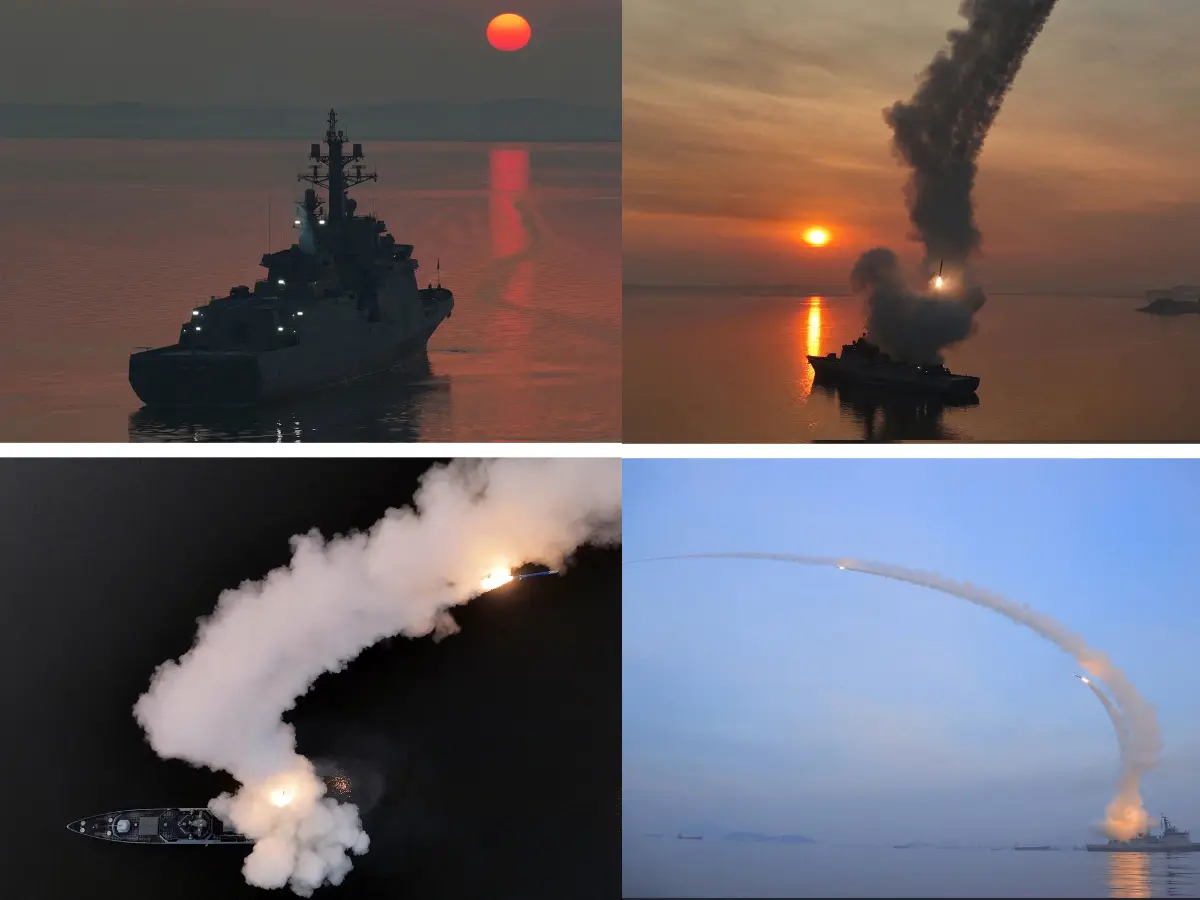
North Korea tests another cruise missile amid Iran-US-Israel war
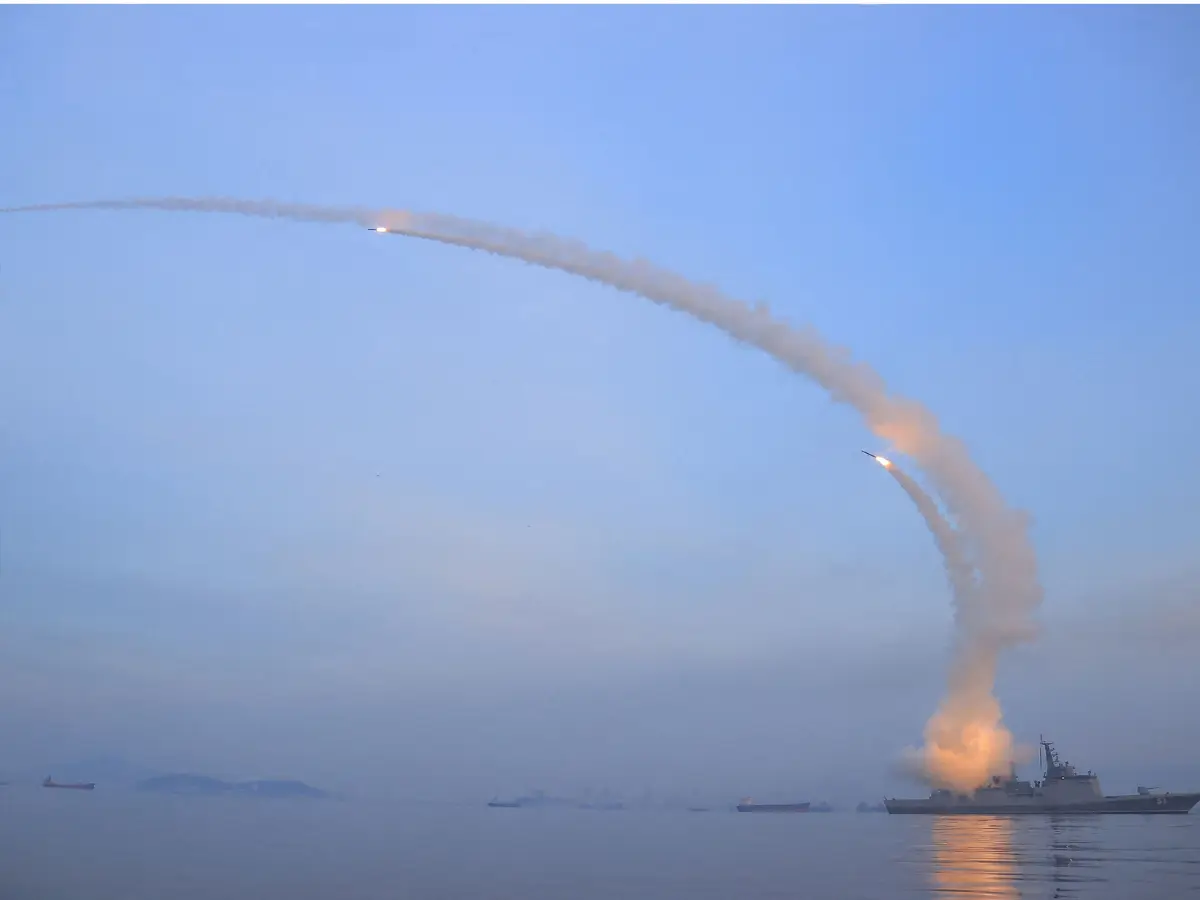
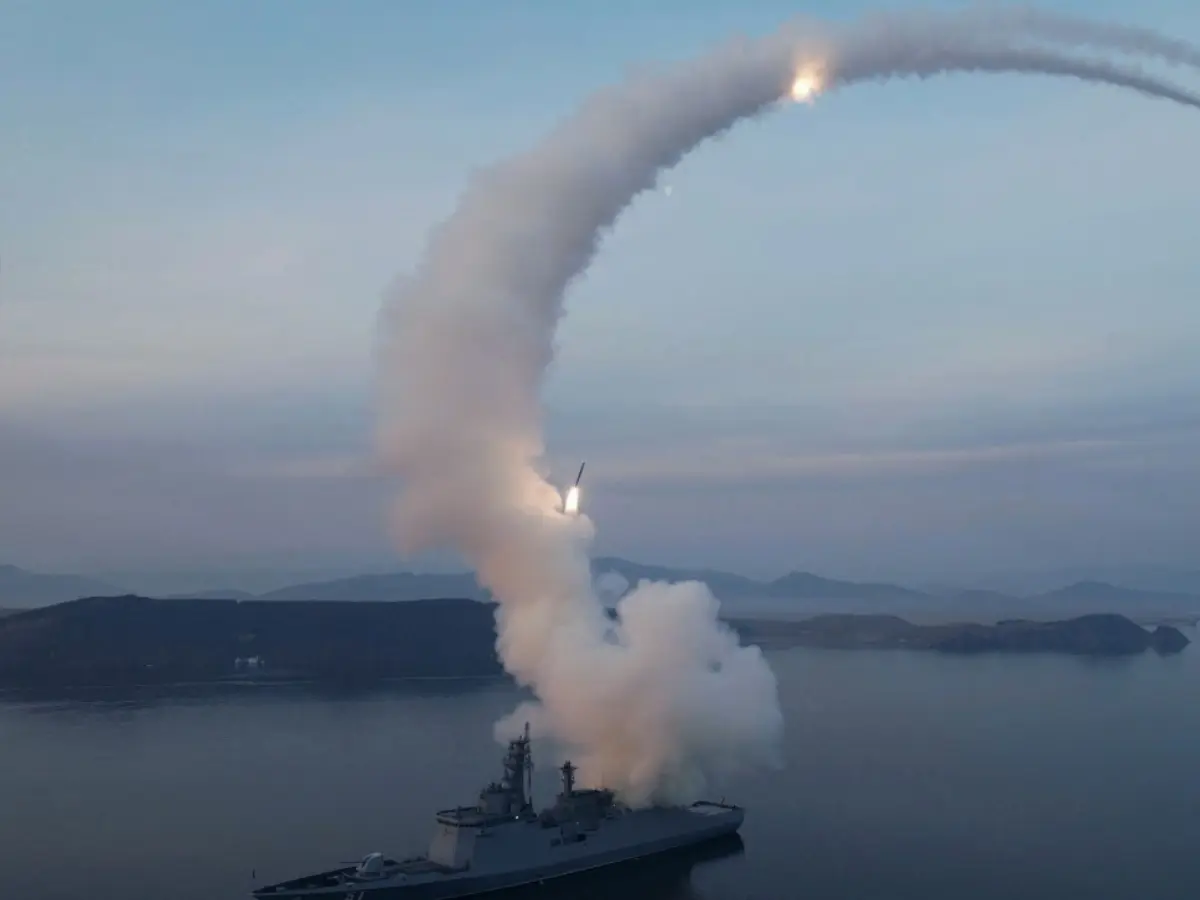
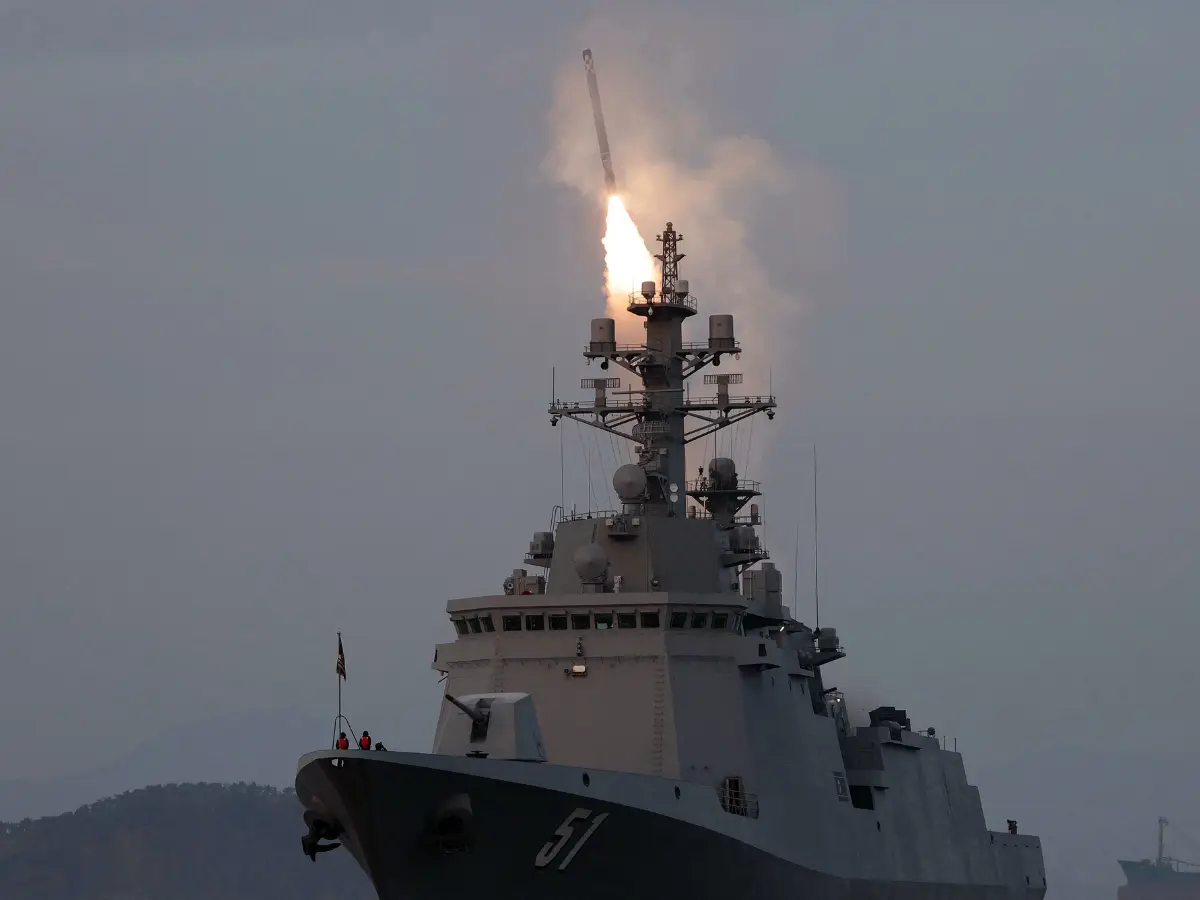
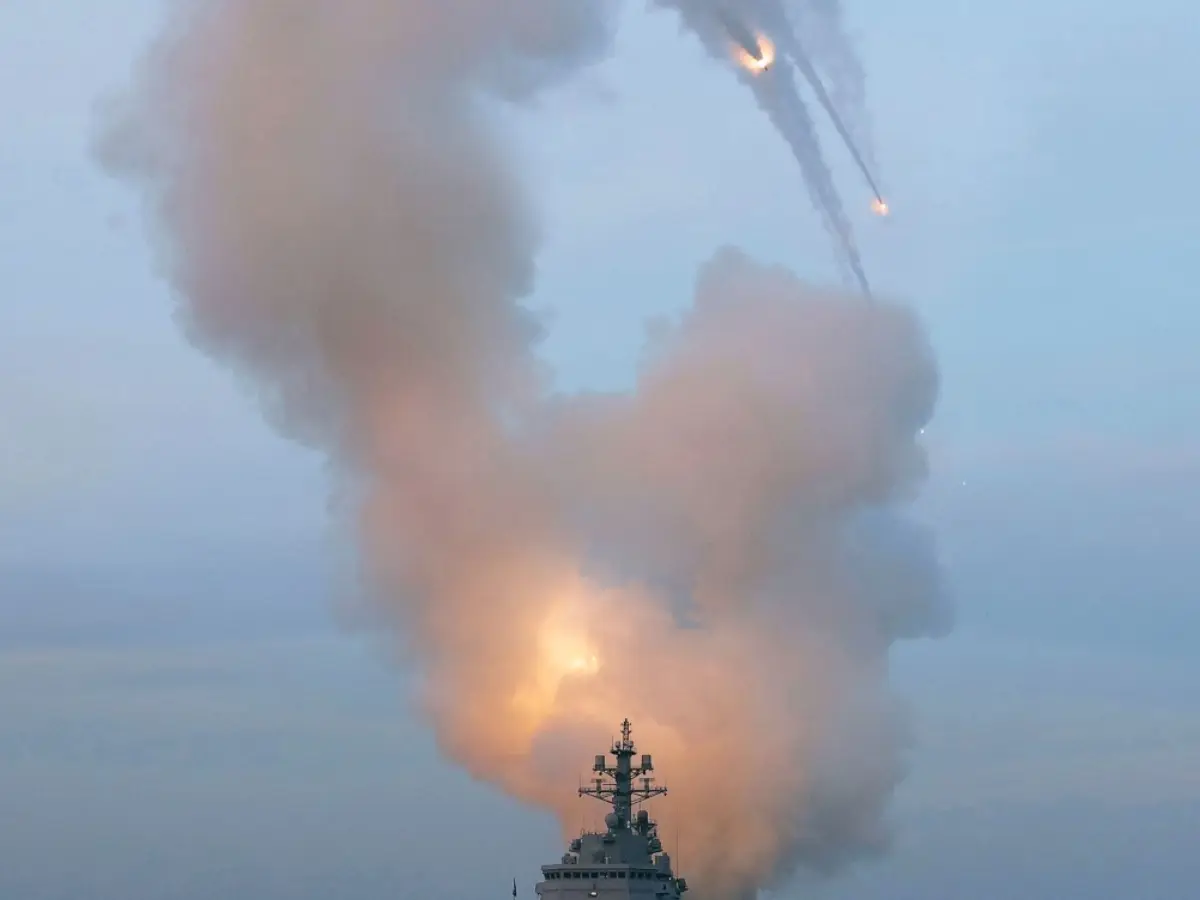
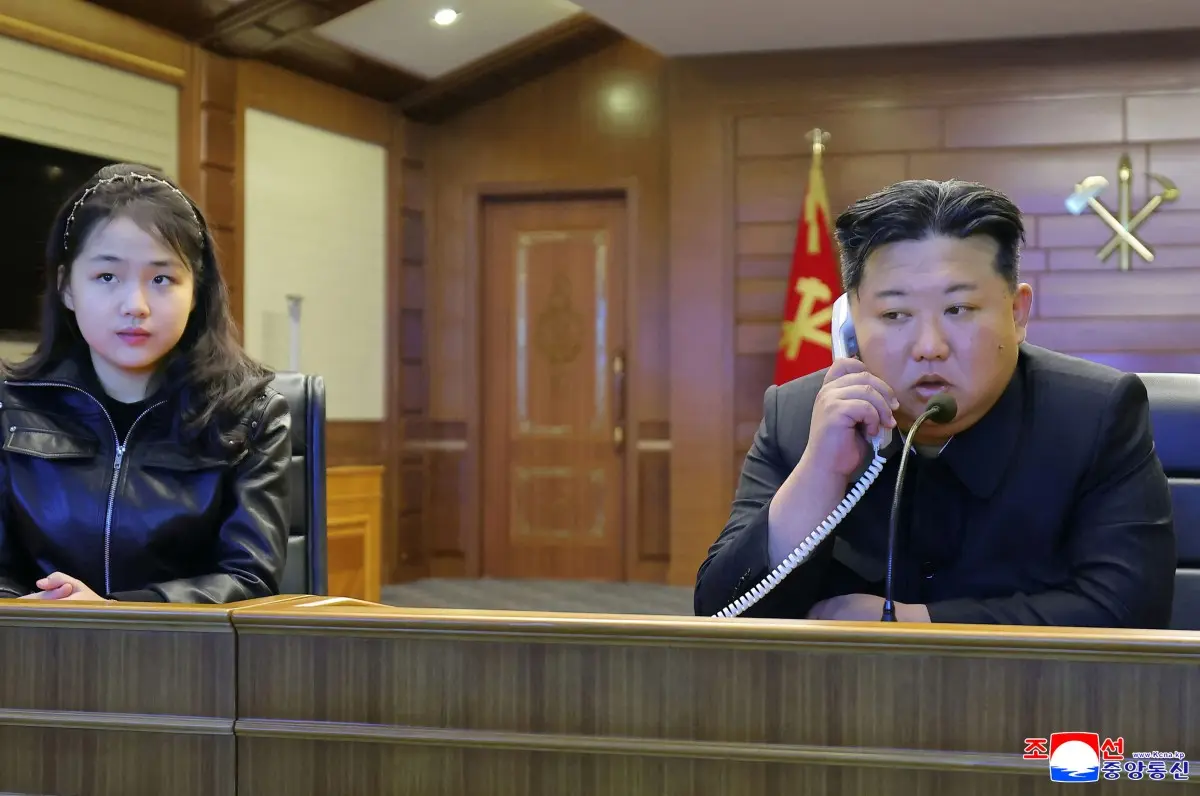
North Korea under the leadership of Kim Jong-Un has test-fired another strategic cruise missiles from the Choe Hyon destroyer, state media Korean Central News Agency reported on Wednesday (Mar 11). The North’s leader observed the test via video, stressing that it is important to maintain and expand a “powerful and reliable nuclear war deterrent." North Korea conducted a similar strategic cruise missile test from the destroyer last week ahead of its commissioning. Photos published by state media showed Kim’s daughter Ju-ae overseeing the test.
South Korea and the United States military drills
This comes as South Korea and the United States have kicked off their annual springtime military drills. The springtime joint exercise is named as Freedom Shield, which began on March 9, 2026, and is scheduled to run through March 19. These drills are a cornerstone of the U.S.-South Korea Mutual Defense Treaty and aim to enhance combined defense capabilities and interoperability between the two nations.
US relocates THAAD interceptors from South Korea to West Asia
The Washington Post reported this week that the United States was moving parts of its Terminal High Altitude Area Defence (THAAD) system from South Korea to the West Asia amid raging war that started after Feb 28 when the US and Israel launched strikes on Iran. While the US and South Korea has not confirmed the development, according to photos by South Korean media outlet Yonhap News Agency, THAAD battery was being dismantled in Seongju County, about 220 kilometres (136 miles) south of Seoul. Launchers were also spotted moving from the Seongju base last week to Osan Air Base in Pyeongtaek for onward transport.
What South Korea said after the development?
South Korea asserted on Wednesday (Mar 11) that it could deter threats from the North even if the United States relocated some of its military assets to the West Asia amid the war in Iran. Washington, Seoul's key security ally, stations about 28,500 troops and a range of air and missile defence systems in the South to help deter aggression from the North Korea - which it sees as a nuclear‑armed nation. "Regardless of whether certain USFK assets are deployed overseas, there is no issue whatsoever with our deterrence posture against North Korea, given the level of our military capabilities," the defence ministry said in a statement to AFP. President Lee Jae Myung said that his government is unhappy with the reported asset move but acknowledged there was little it could do about it. "The government is opposing the USFK's withdrawal of some air defence weapons for its own military needs. But the stark reality is that we are unable to fully implement our opinions."
Is South Korea in danger?
North Korea’s latest cruise missile test comes at a sensitive moment as the United States and Iran war has already destablised the West Asia region and world peace at large. The move by the US to move the THAAD missile defence system from South Korea to West Asia could temporarily weaken the perception of layered missile defence against North Korea’s expanding missile arsenal. Pyongyang may attempt to exploit the geopolitical distraction created by the West Asia conflict to test more weapons and increase pressure on the peninsula.
What is North Korea's view on Iran war?
North Korea has issued statement supporting Iran with its foreign ministry slamming the US and Israeli military operations as an "unlawful military attack" and a "despicable form of violation of national sovereignty". It accused Washington and Tel Aviv of "destroying the regional peace and security foundations" and trying to overthrow Iran's social system. Pyongyang has also backed appointment of Mojtaba Khamenei as the Supreme Leader and said that it “respects” him.
Disclaimer: WION takes utmost care to accurately and responsibly report ongoing conflicts in West Asia involving Israel, Iran, US, Gulf nations and non-state actors like Hezbollah, Hamas, Houthis, Islamic State, and others. Claims and counterclaims, disinformation and misinformation are being made online and offline. Given this context, WION cannot independently verify the authenticity of all statements, social media posts, photos and videos.
)
)
)
)
)