'Nokia 3310 to iPhone': What B-52 cockpit looked like in 1952 versus what pilots see today

The 1952 B-52 cockpit was a wall of round analogue dials, switches, and gauges that took years to master. The 2026 version has digital glass displays, GPS navigation, and touchscreen-compatible interfaces. Same aircraft frame. Completely different brain. Here is what changed and what stayed the same.
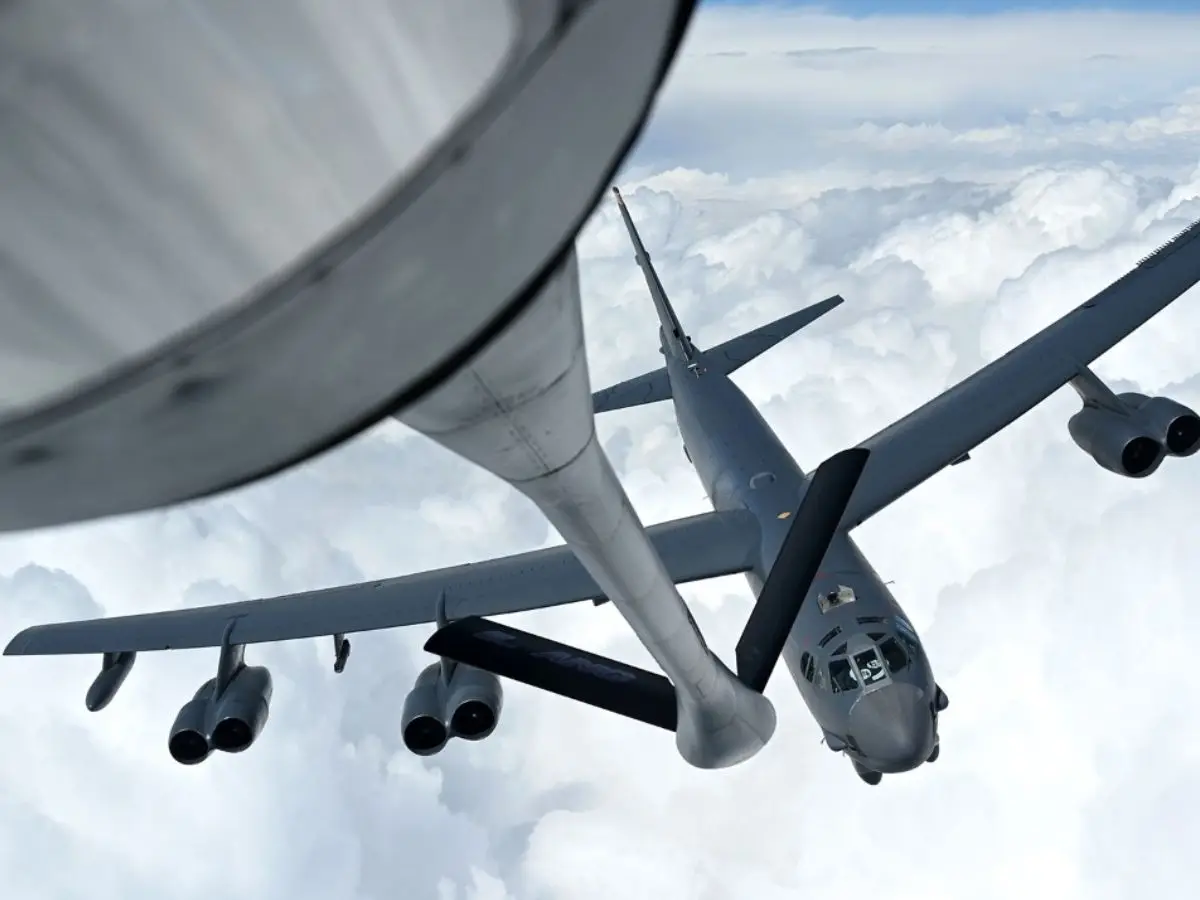
The Original Cockpit: A Wall Of Dials
The first B-52 cockpits featured hundreds of analogue instruments — round gauges for altitude, airspeed, engine RPM, fuel flow, oil pressure, hydraulic pressure, and dozens more. Reading the aircraft's state meant visually scanning this entire panel continuously, building a mental picture from dozens of separate data sources. Pilots trained for years just to manage instrument scan patterns.
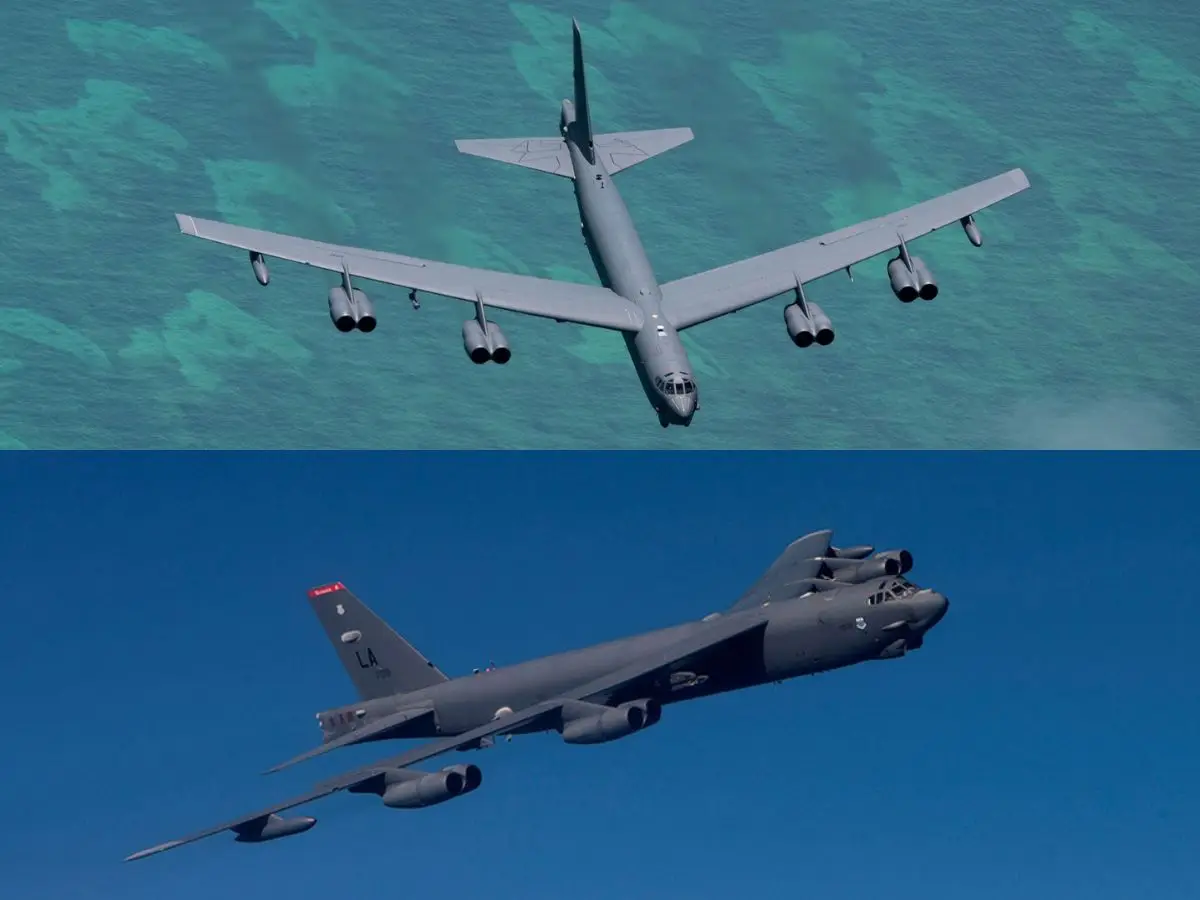
Eight Engines, Eight Of Everything
With eight engines, the original cockpit had eight engine temperature gauges, eight RPM indicators, eight fuel flow meters, eight oil pressure readouts — all analogue, all requiring individual attention. The flight engineer's panel alone covered an entire wall of instruments dedicated purely to managing propulsion systems. It was a full-time job for a dedicated crew member.
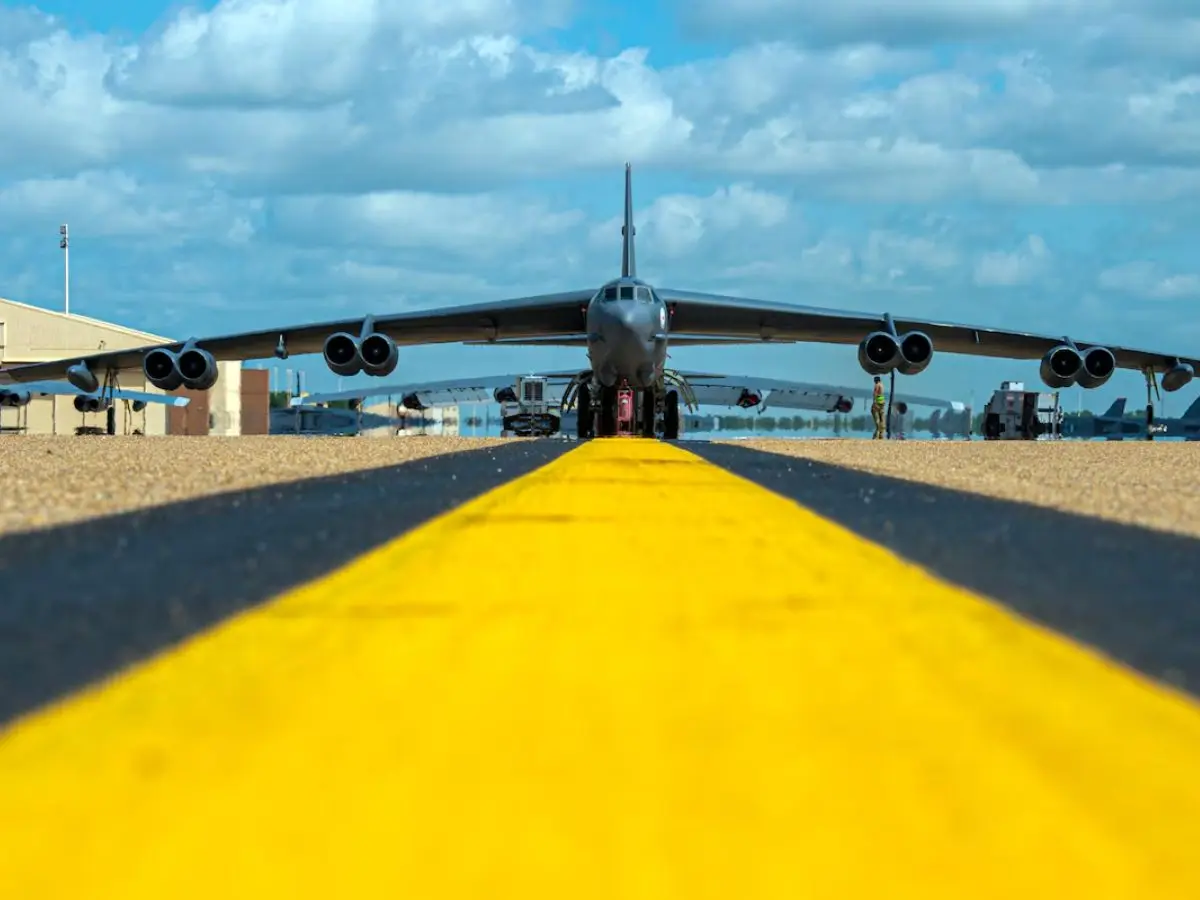
Navigation Before GPS: Star Trackers And Computers
The original B-52 navigated using celestial navigation — a sextant-like system that tracked star positions through a periscope in the fuselage roof — combined with early inertial navigation computers the size of washing machines. Navigators plotted positions by hand on paper charts. A transatlantic mission required hours of manual calculation to stay on course.
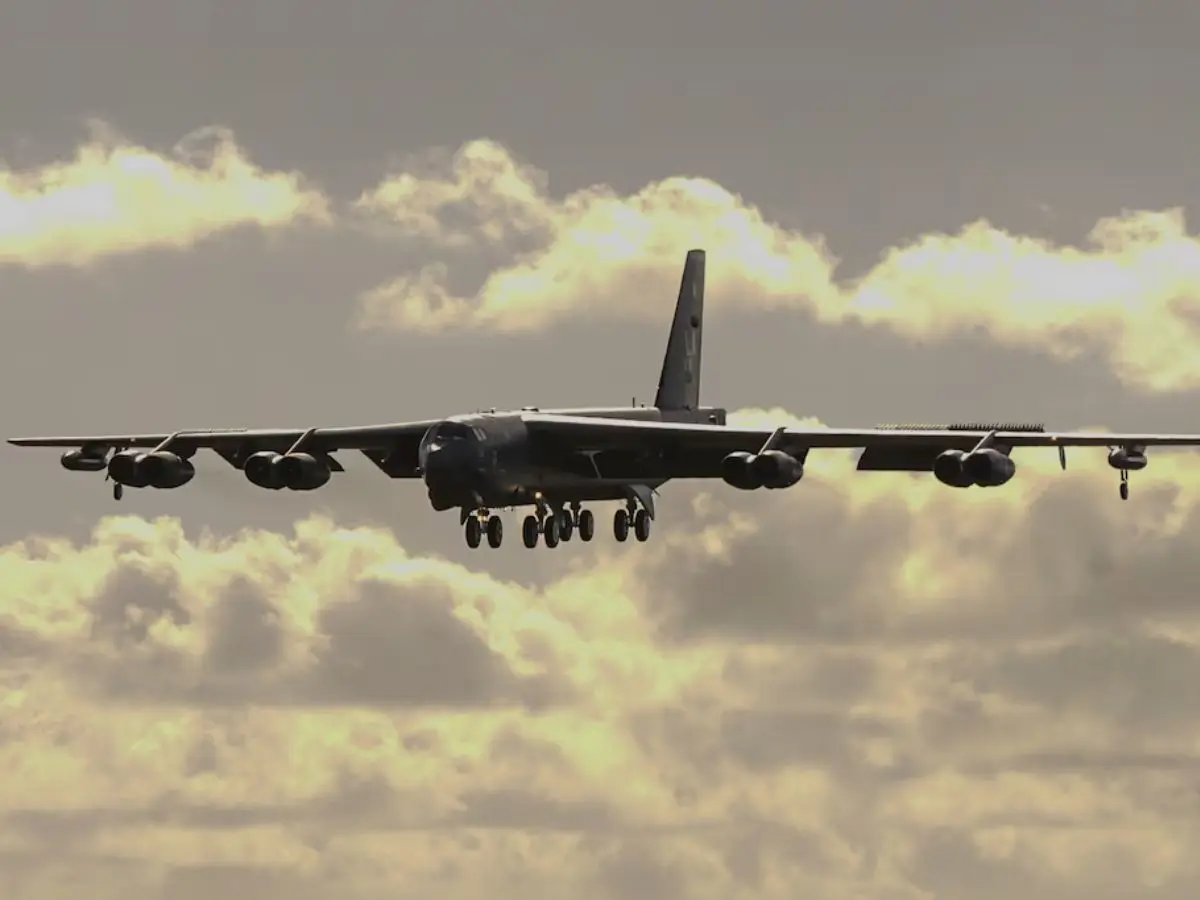
The Glass Cockpit Upgrade
Starting in the 1990s and continuing through multiple modernisation programmes, the B-52's cockpit was progressively replaced with digital glass displays. Engine data for all eight engines now appears on a single multi-function screen rather than eight separate gauges. Navigation is GPS-integrated. Systems that required a dedicated engineer to monitor are now managed by software that alerts the crew only when something goes wrong.
Same Seats, Different Universe
The physical layout of the B-52 cockpit — two pilot seats side by side, lower deck for navigator and electronic warfare officer — has not changed since the 1950s. What surrounds those seats has been transformed beyond recognition. A 1952 B-52 pilot transported to a 2026 B-52 cockpit would recognise the chairs and the view out the window. Everything else would be unrecognisable.
What The Nokia-To-iPhone Comparison Actually Means
The Nokia 3310 and the iPhone make calls. The 1952 and 2026 B-52s drop bombs. The function is identical. The interface to that function is separated by 70 years of computing, display, and sensor technology. What took a crew of six to manage in 1952 — reading, calculating, monitoring — now requires five, with software handling much of what the sixth person used to do full-time.
What Has Never Changed
Despite every upgrade, certain things remain constant. The view from the cockpit windows. The physical feel of the control yoke — still a large wheel, not a fighter-style sidestick. The basic wing-flex visible on long flights. And the fundamental task: fly a very large aircraft a very long distance and deliver its payload precisely. The tools have changed. The mission never has.
)
)
)
)
)