No coups, no chaos: Top 10 most politically stable countries in the world

Politically stable countries are those with consistent governance, the rule of law, and minimal political disruption. According to 2023 data published in The Global Economy, Switzerland was at the top with 1.07 points. Let's find the rest top 9 countries which are politically stable.

1. Switzerland
Switzerland ranks first globally with a political stability index of 1.07 as of 2023, reflecting a historically strong governance system marked by low risk of destabilisation. Since 1996, it has maintained consistently high scores in government effectiveness, rule of law, and control of corruption, making it a model for political resilience worldwide.

2. Japan
Japan holds the 2nd spot with a 2023 political stability index of 0.95. It bolsters long-standing democratic institutions and stable governance structures, contributing to low political risk. The recovery from past political shocks underscores Japan's resilient system, supported by transparency and a strong rule of law framework stretching back to 1996.

3. Canada
Canada ranks 3rd with a political stability score of 0.82 in 2023. Known for strong democratic traditions, Canada has an inclusive and transparent government with a low risk. Since 1996, it has consistently demonstrated effectiveness in governance, regulatory quality, and anti-corruption efforts, supporting stable political and social environments.

4. Sweden
Sweden is fourth with a 0.76 index score, characterised by high political stability and low unrest. Its social democratic model emphasises transparency, accountability, and citizen engagement. The long history of Sweden’s democratic governance since 1996 supports stability, reinforced by strong institutions and social policies designed to minimise political risks.

5. Netherlands
The Netherlands ranks fifth, scoring 0.66 in 2023. It benefits from a pluralistic democracy, the rule of law, and robust institutions contributing to low political instability. The Dutch governance framework has been stable since 1996, with emphasis on regulatory quality and anti-corruption mechanisms, ensuring a secure political environment.
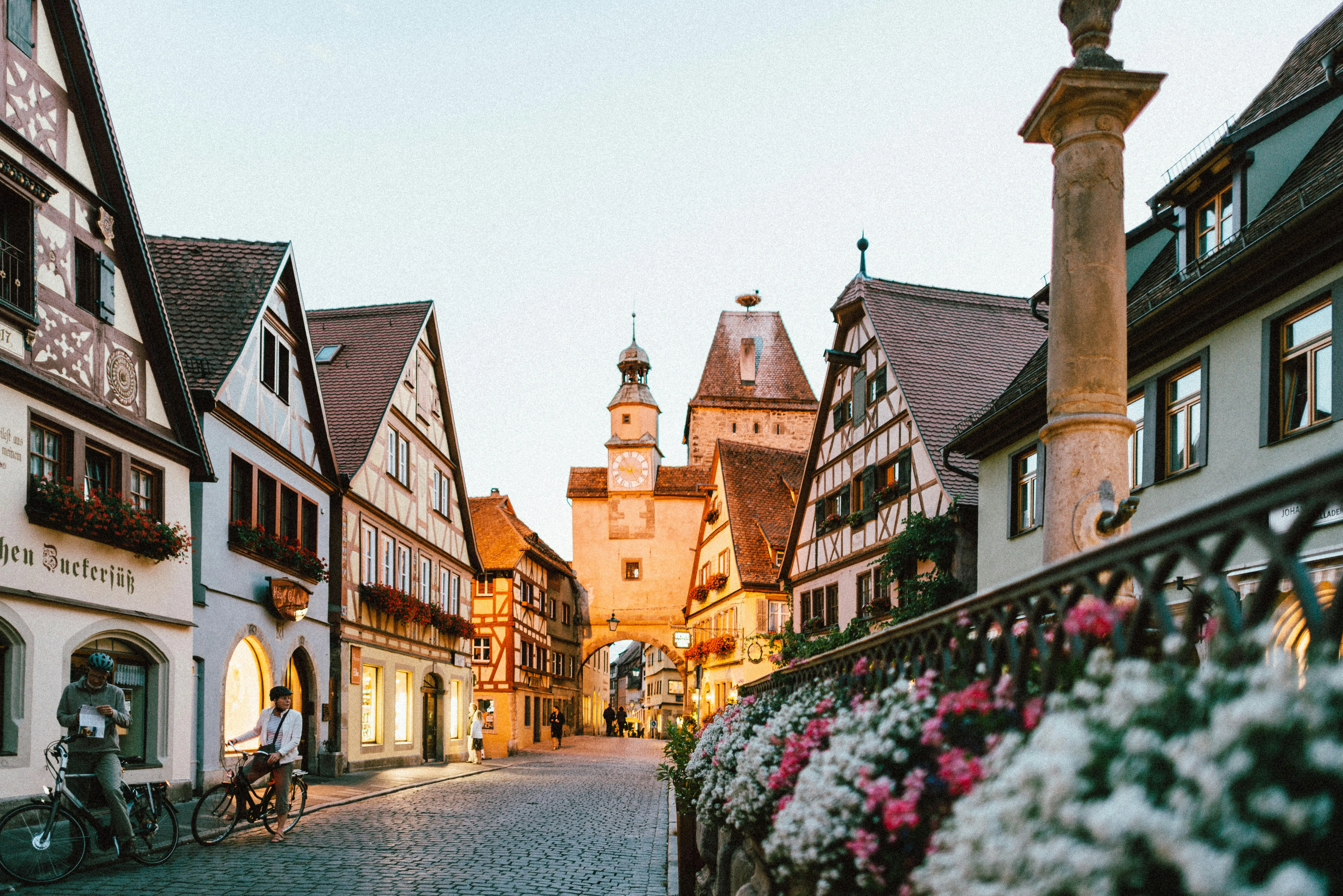
6. Germany
Germany holds sixth place with a political stability score of 0.59. The country’s federal democratic governance and rule of law have fostered effective policy-making and minimised political risks since 1996. Germany’s institutional strength supports resilience against political upheaval, backed by transparency and citizen trust in government.
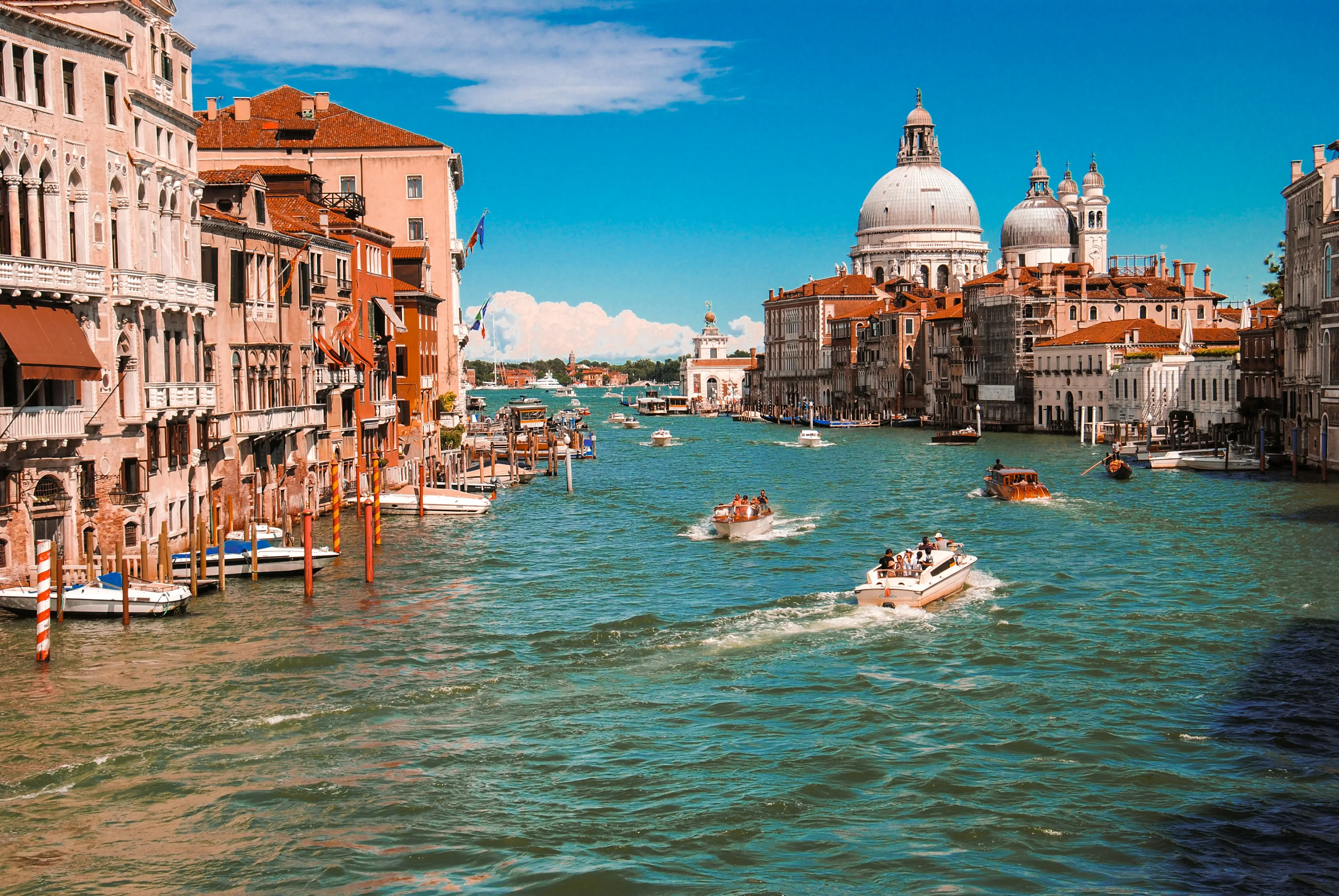
7. Italy
Italy ranks seventh with a 0.58 political stability index. While historically facing political fragmentation, recent reforms since 1996 have strengthened governance and control of corruption. Italy continues efforts to stabilise its democratic institutions and reduce political risk, reflecting moderate stability within the European context.

8. United Kingdom
The UK is eighth with a 0.51 score, characterised by a long-established parliamentary democracy and strong rule of law. Despite Brexit challenges, the UK's political institutions have remained stable since 1996. Governance effectiveness, regulatory quality, and low corruption support its political resilience amid evolving domestic and international pressures.
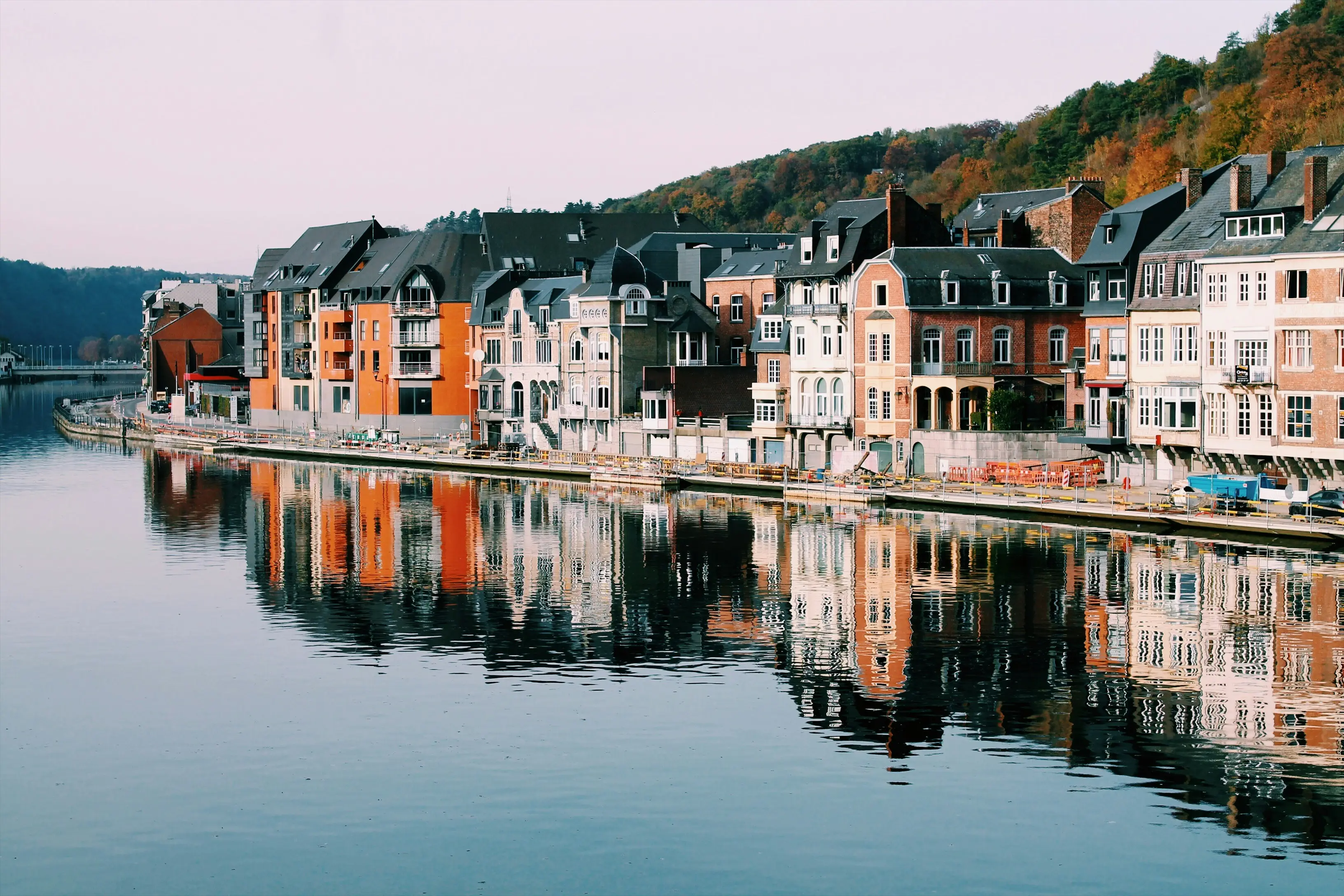
9. Belgium
With a 0.40 political stability index, Belgium ranks ninth, experiencing some regional tensions but maintaining national cohesion. Since 1996, federal reforms and democratic practices have enhanced stability. The country’s political system manages linguistic and regional diversity effectively, supporting governance that reduces the likelihood of violent upheaval.

10. France
France holds 10 the spot globally with a 0.34 index score. Its democratic institutions face periodic political protests but maintain overall stability. Since 1996, France has strengthened governance effectiveness and the rule of law, balancing active civic participation with the need for order and stability in a complex political landscape.
)
)
)
)
)