NASA's Artemis II Moon Mission: Know about launch time, crew, and how to watch it live

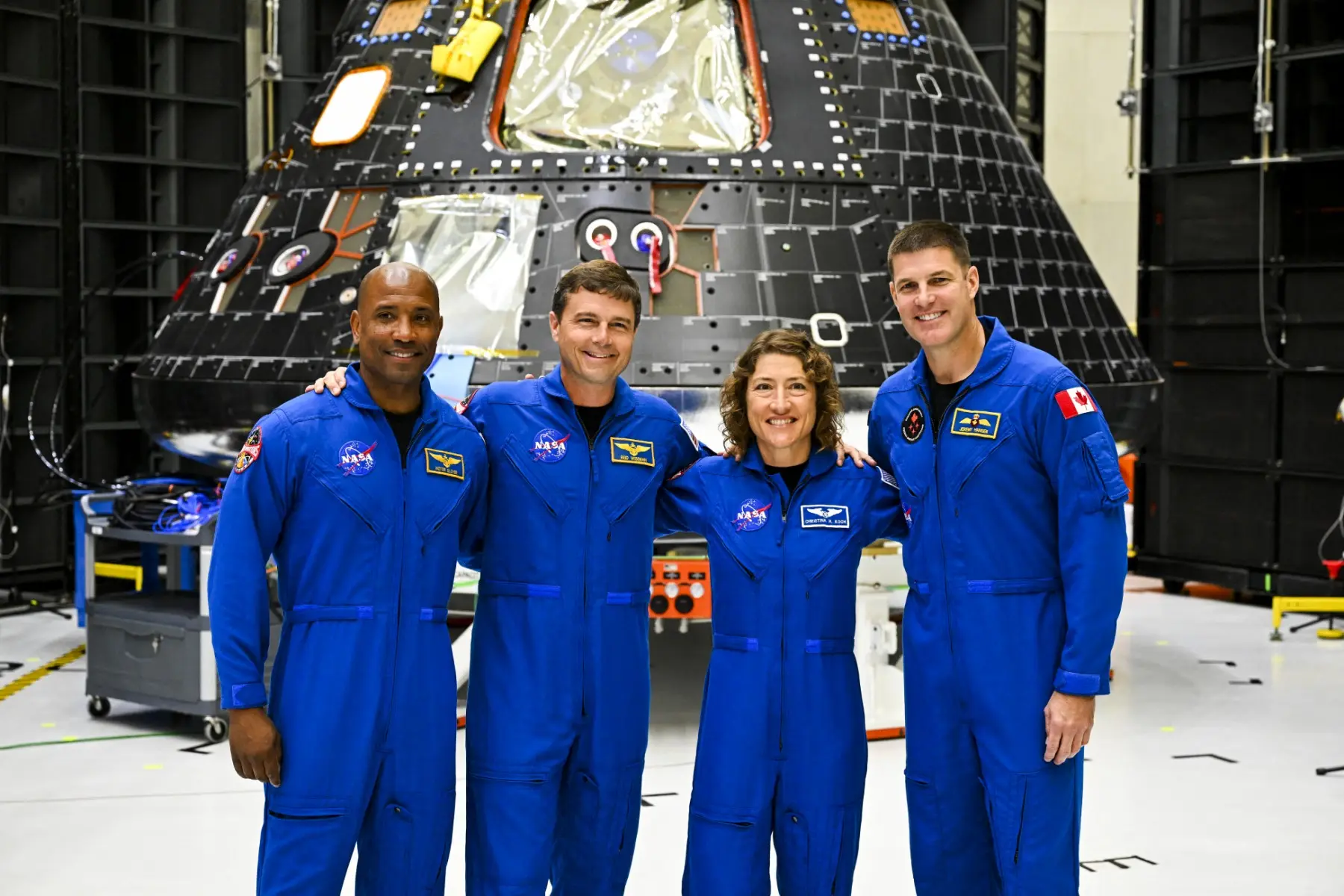
The spacecraft will be commanded by an experienced astronaut and piloted by a distinguished aviator, alongside two highly skilled mission specialists.
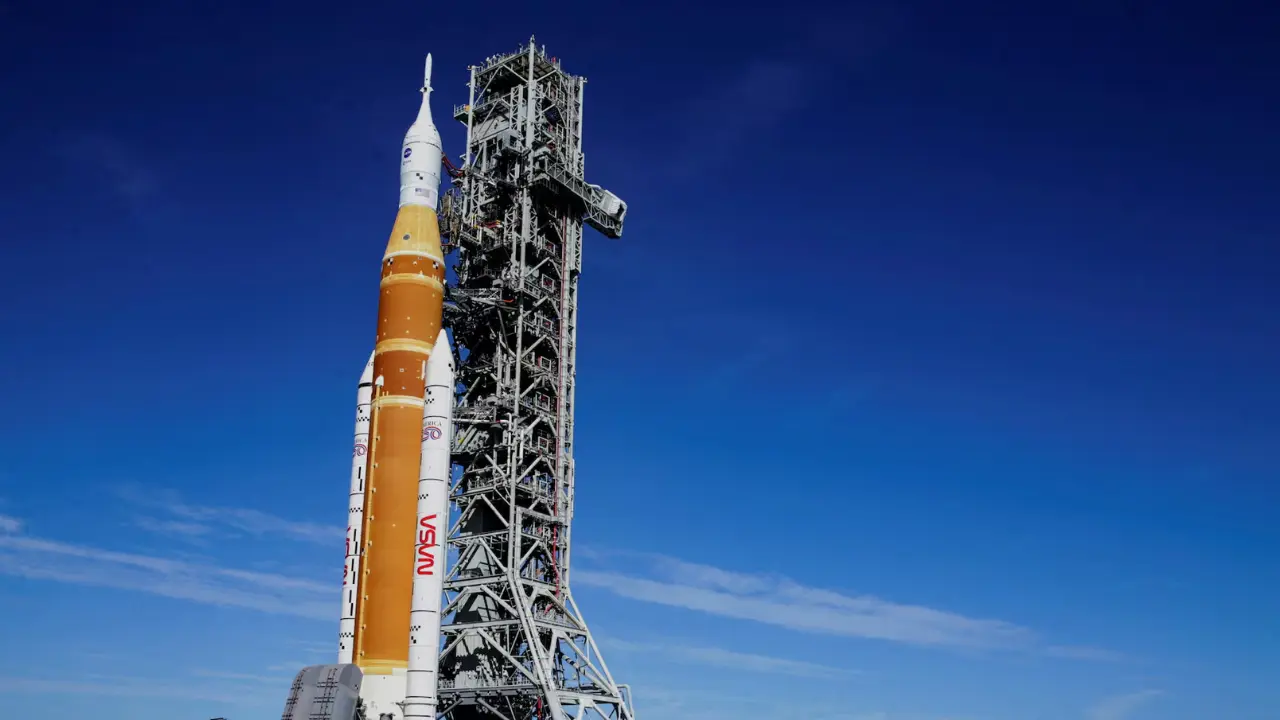
Introduction to the Historic Lunar Voyage
Marking humanity's highly anticipated return to deep space, this upcoming expedition represents the first crewed lunar mission in over fifty years. The initiative serves as a critical bridge between the uncrewed flight tests of the past and the ambitious surface landings planned for the future, demonstrating the agency's renewed commitment to exploring our closest celestial neighbor.
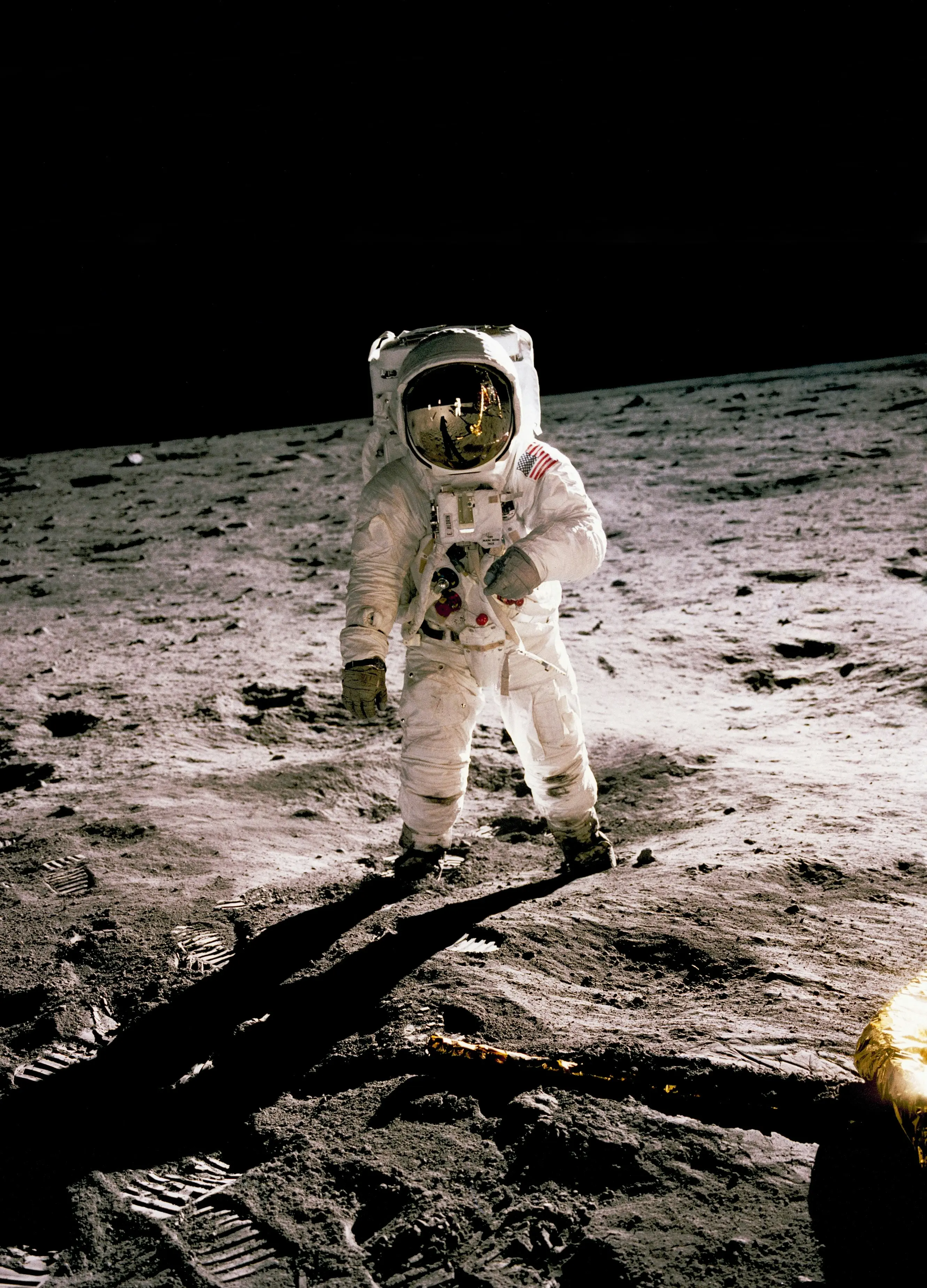
Meet the Diverse and Accomplished Crew
The spacecraft will be commanded by an experienced astronaut and piloted by a distinguished aviator, alongside two highly skilled mission specialists. This carefully selected team notably features the first woman, the first person of color, and the first international partner from the Canadian Space Agency to venture beyond low Earth orbit, reflecting a broader and more inclusive approach to modern space exploration.
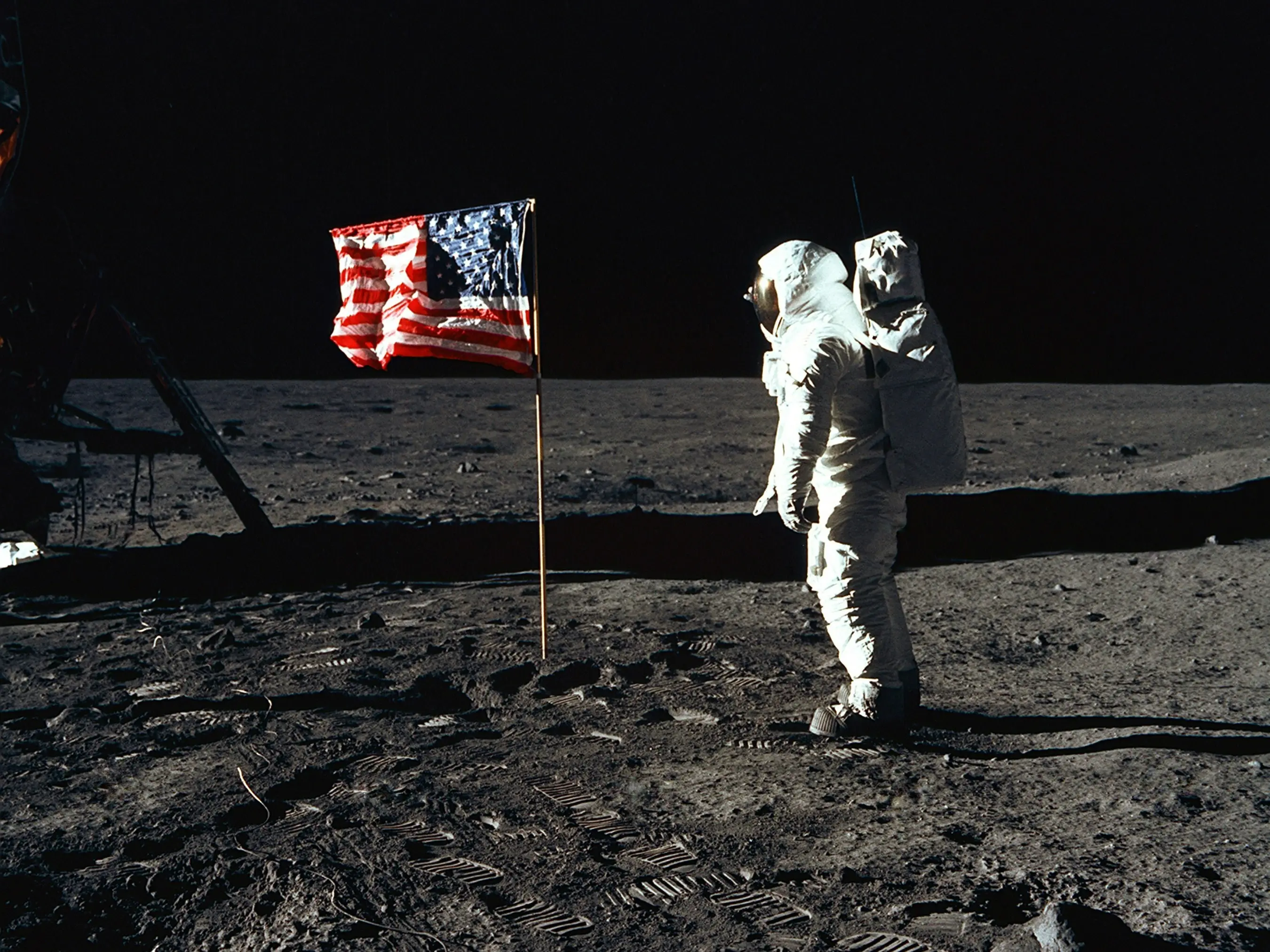
Core Objectives of the Ten-Day Expedition
Over the course of approximately ten days, the crew will execute a meticulously planned free-return trajectory around the lunar far side. This flight plan is specifically designed to rigorously evaluate the life support systems, navigation capabilities, and overall structural integrity of the spacecraft in a deep space environment without the immediate risks associated with a surface landing.
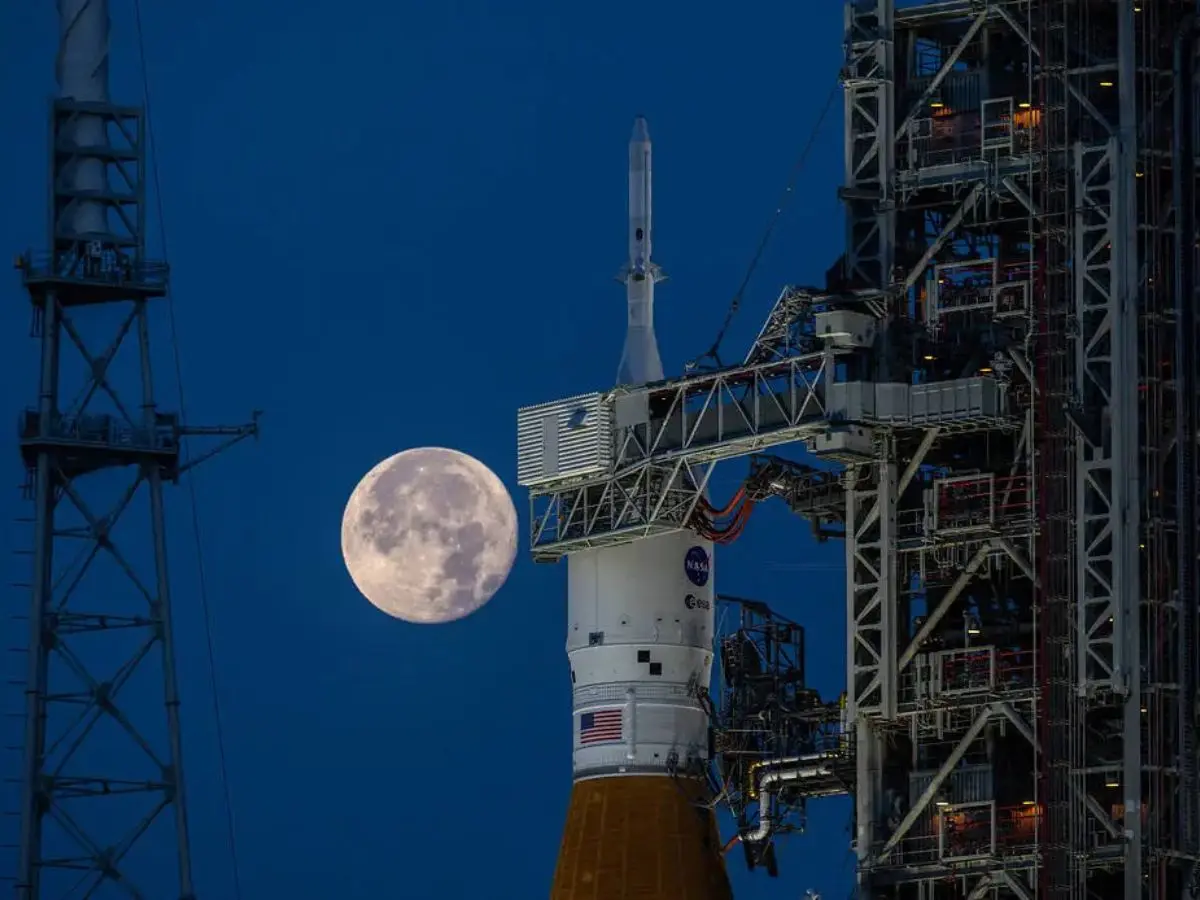
Cutting-Edge Launch Vehicle and Spacecraft
The mission relies heavily on the unprecedented power of the Space Launch System, an advanced heavy-lift rocket capable of pushing massive payloads out of Earth's gravitational pull. Atop this colossal rocket sits the crew module, a state-of-the-art capsule engineered to sustain human life in the harsh radiation environment of deep space and withstand extreme re-entry temperatures.

Anticipated Launch Schedule and Potential Adjustments
While mission planners continuously target a specific launch window, the exact liftoff time remains subject to strict safety reviews, technical readiness, and atmospheric conditions. Engineers and flight directors maintain a flexible approach, prioritizing crew safety and system reliability over strict adherence to the calendar, which means weather or technical anomalies could necessitate last-minute timeline shifts.

Comprehensive Guide for Global Spectators
Space enthusiasts worldwide will have multiple avenues to witness this monumental event live, ranging from official agency television broadcasts to various digital streaming platforms and social media channels. For those seeking an in-person experience, designated viewing areas along the coast offer unparalleled vantage points to feel the rumble of the engines and see the rocket ascend into the sky.
Paving the Way for Future Cosmic Endeavors
The success of this orbital test flight is absolutely essential for the subsequent phases of the lunar exploration program, which ultimately aim to establish a sustainable human presence near the lunar south pole. By proving that the hardware and operational protocols function flawlessly in deep space, this mission lays the essential groundwork for eventual crewed expeditions to Mars and beyond.
)
)
)
)
)