NASA once attached a fighter jet to a rocket! Know all about NF‑104A

Though its career was short, it played a critical role in training pilots to handle the near‑weightless conditions of high‑altitude flight.
What Was the NF‑104A?
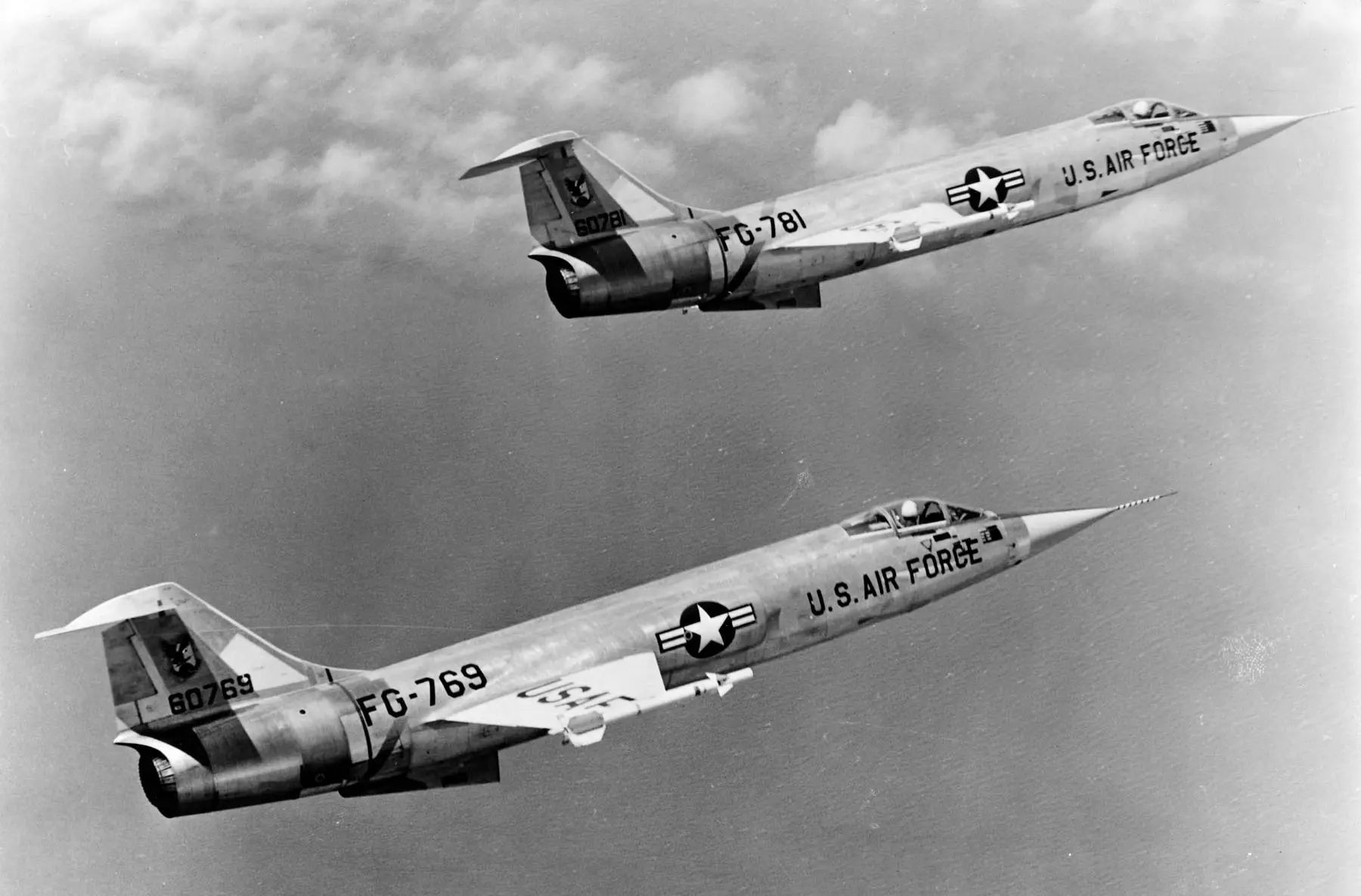
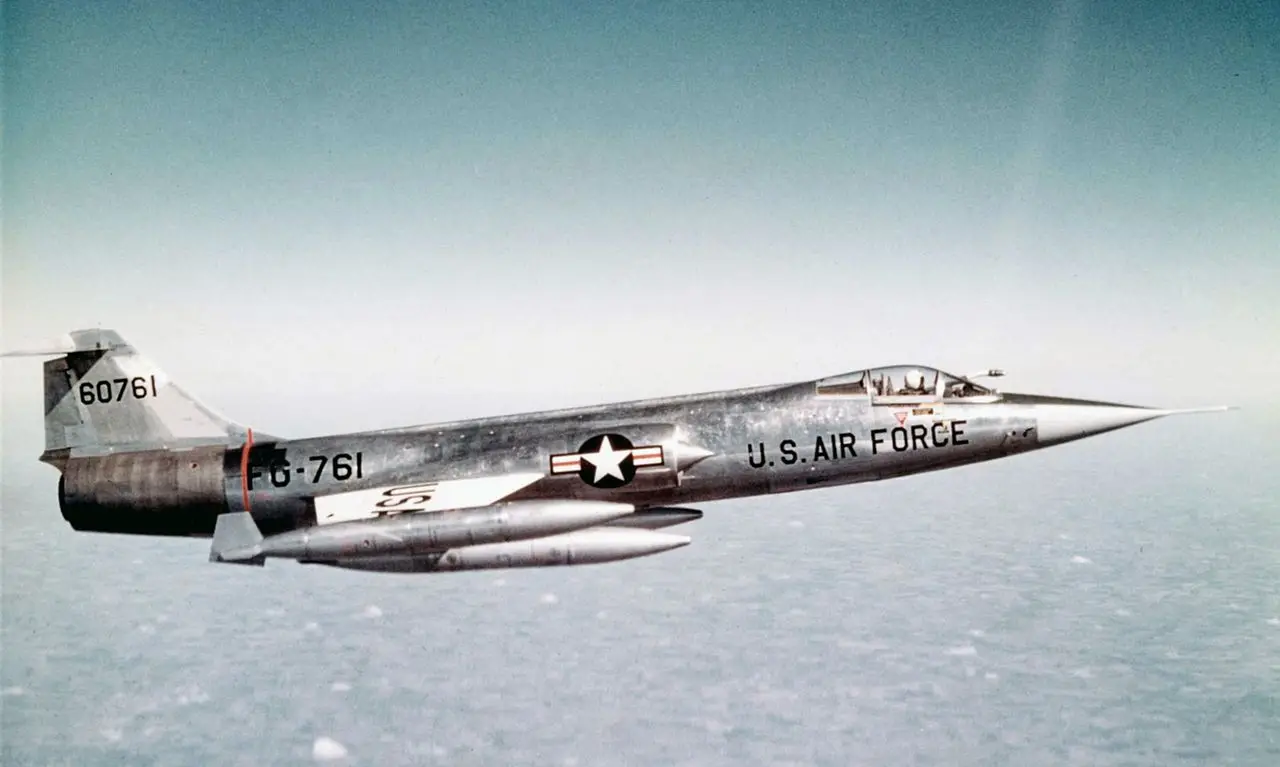
In the early 1960s, at the height of the space race, engineers took the Lockheed F‑104 Starfighter, already one of the fastest jets of its time, and fitted it with a powerful rocket engine. The result was the NF‑104A, an experimental aircraft used by the US Air Force and NASA to explore flight at the edge of space. Though its career was short, it played a critical role in training pilots to handle the near‑weightless conditions of high‑altitude flight.
Why Combine Jet and Rocket?
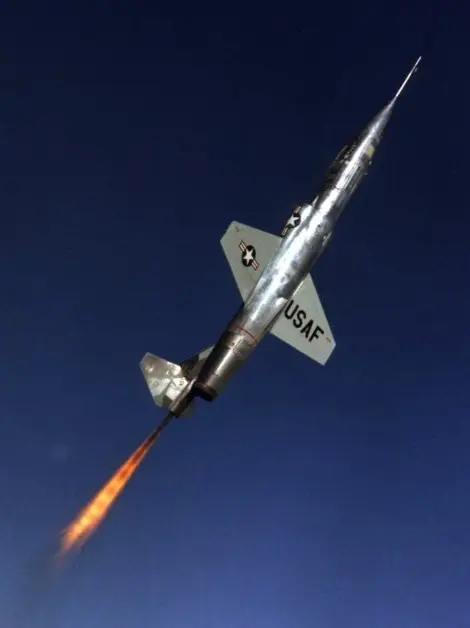
The F‑104’s turbojet engine, while fast, could not push the aircraft to the extreme heights needed for astronaut training. To solve this, engineers added the Rocketdyne XLR11 rocket motor, producing around 6,000 pounds of thrust. This hybrid design allowed pilots to first climb under jet power, then ignite the rocket to reach far greater altitudes. Nicknamed the Aerospace Trainer, the NF‑104A could briefly simulate the thin‑air environment pilots would face beyond the atmosphere.
How High Could It Fly?
The NF‑104A reached altitudes over 100,000 feet (about 30,000 metres). Pilots would execute a steep climb under jet thrust before firing the rocket engine to push into a near‑ballistic arc. At the peak, aerodynamic control surfaces became ineffective, requiring pilots to use small reaction control thrusters, experience vital for those heading to space.
Technical Details
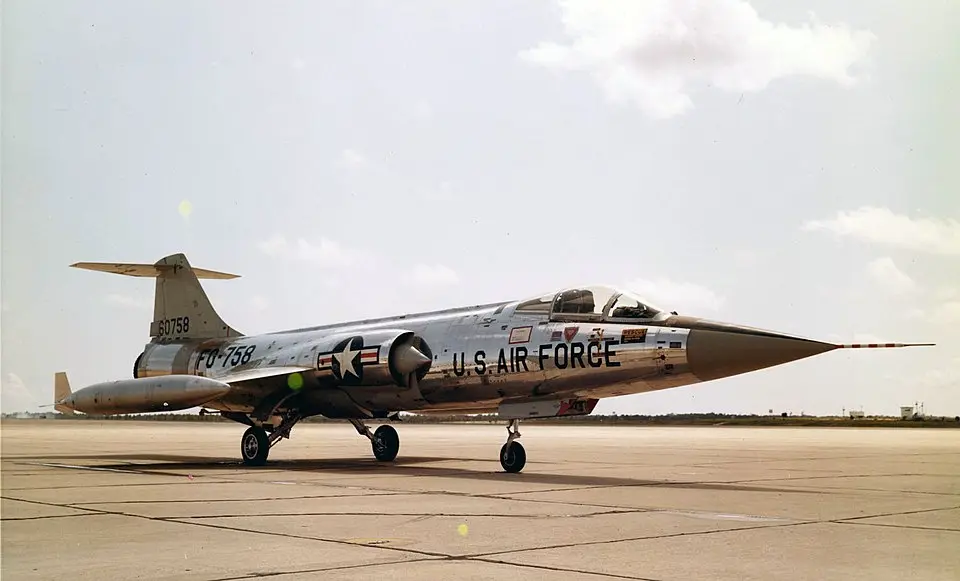
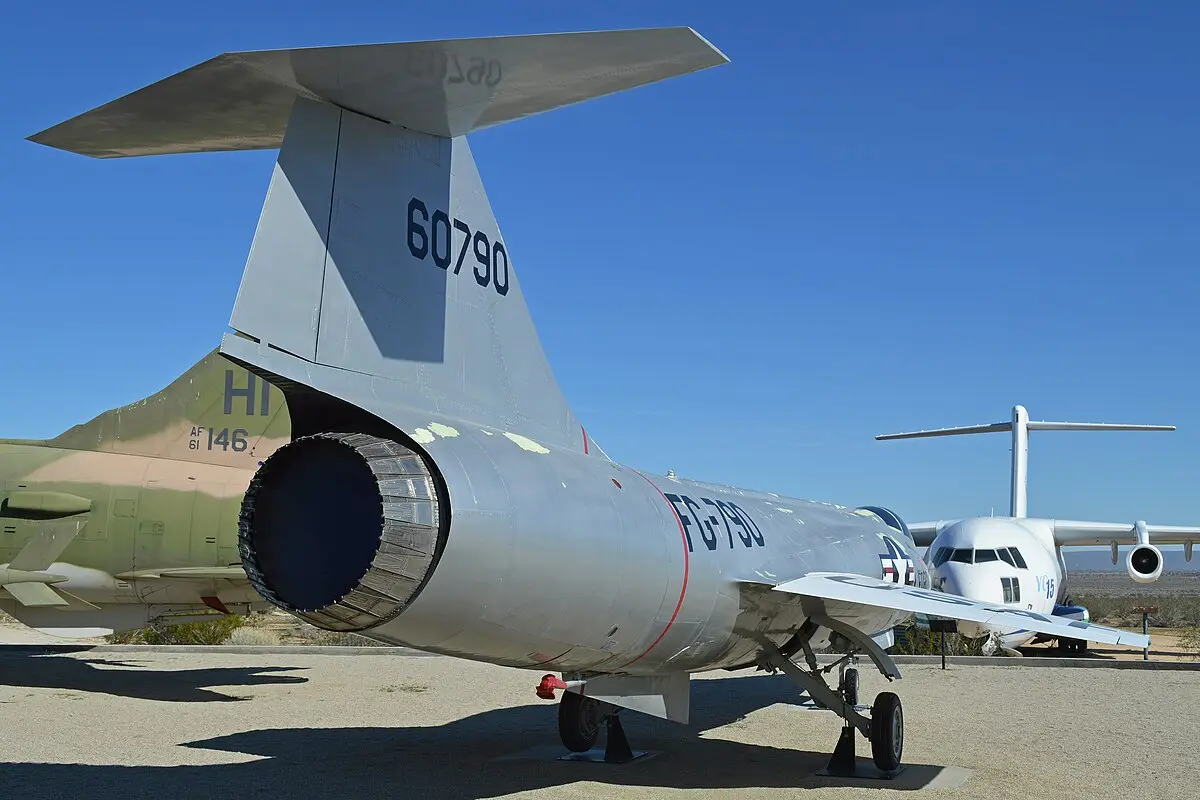
The NF‑104A was built on the airframe of the Lockheed F‑104A Starfighter and fitted with a Rocketdyne LR‑121‑NA‑1 (XLR11) liquid‑fuel rocket engine producing around 6,000 pounds of thrust. This rocket engine worked alongside the aircraft’s turbojet, creating a hybrid propulsion system capable of pushing the jet to altitudes beyond 100,000 feet. To maintain control in the thin upper atmosphere where normal aerodynamic surfaces became ineffective, the NF‑104A was equipped with small reaction control thrusters and an extended dorsal fin to improve stability during high‑altitude climbs and descents.
Purpose and Training Role
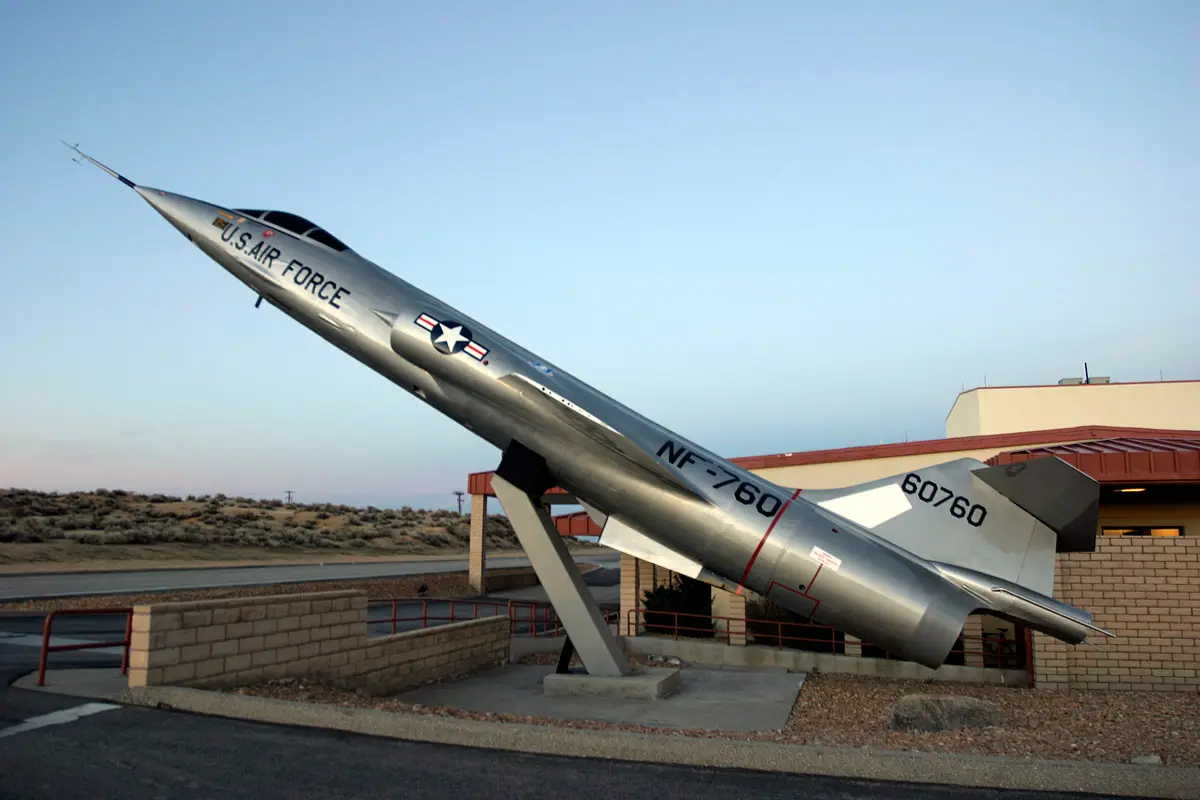
Three NF‑104As were built by modifying surplus F‑104As from storage at Davis‑Monthan Air Force Base. They served as stepping stones for pilots moving on to the X‑15 programme and later space missions. The aircraft taught them to control flight when traditional control surfaces stopped working. Despite two of the three aircraft being lost in crashes, including the notable accident involving Chuck Yeager, the programme yielded valuable data and practical lessons.
Notable Incidents
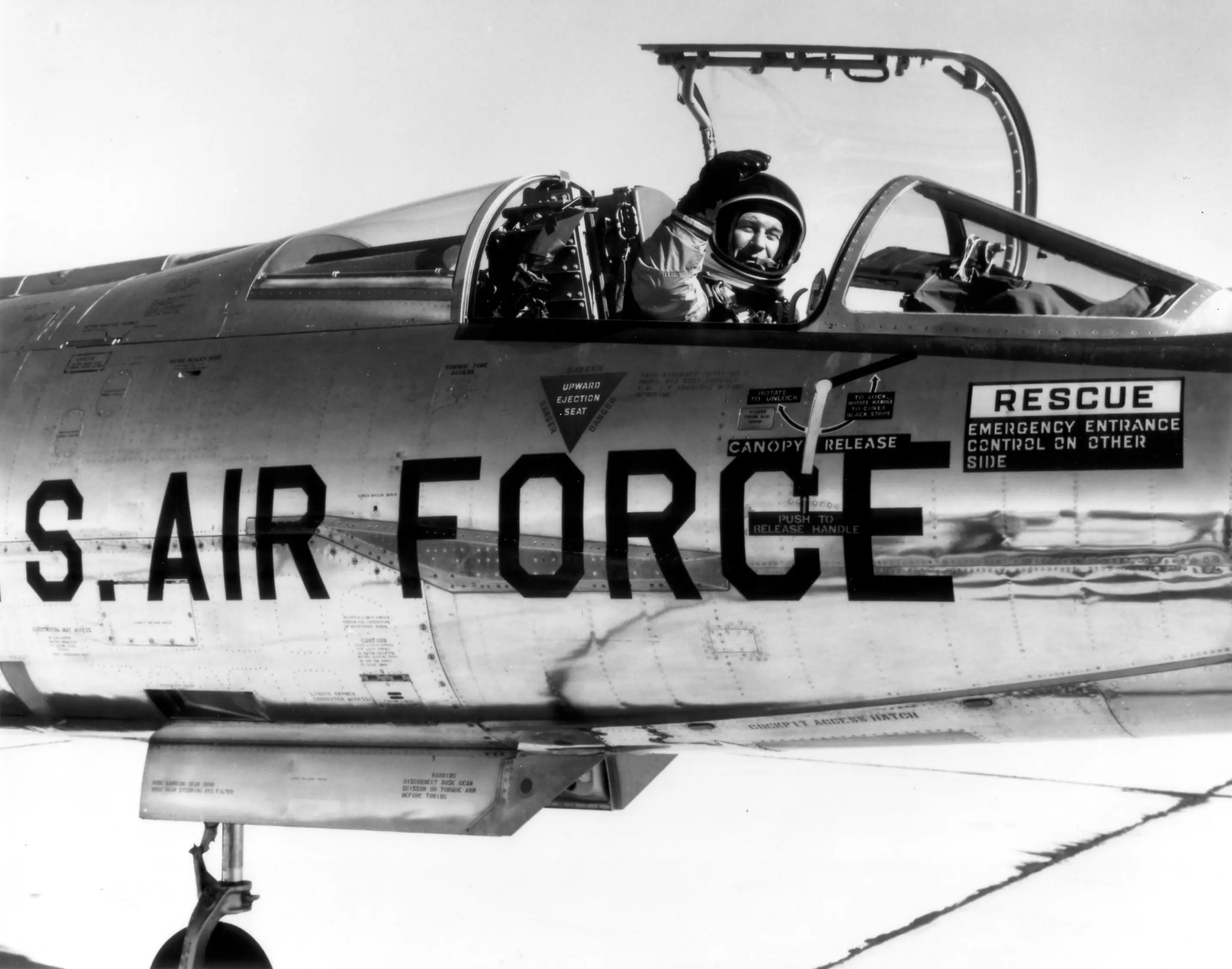
In December 1963, test pilot Chuck Yeager lost control of an NF‑104A during a high‑altitude climb. The aircraft entered a flat spin, forcing Yeager to eject. He suffered burns but survived and continued his career. Of the three NF‑104As, two were destroyed in accidents, highlighting the risks of flying so close to the edge of space.
Legacy
Though few in number, the NF‑104A aircraft shaped the way pilots were trained for spaceflight. The programme contributed to understanding reaction controls, high‑altitude aerodynamics, and pilot handling beyond the atmosphere. Its legacy lives on as a unique experiment that brought jet aviation and rocketry together in one bold design.
)
)
)
)
)