NASA explains what would kill you first on every planet in the solar system

Each planet in our Solar System presents a unique set of conditions that would kill an unprotected human almost instantly. NASA’s planetary science missions and decades of study provide clear insights into what makes survival impossible elsewhere.
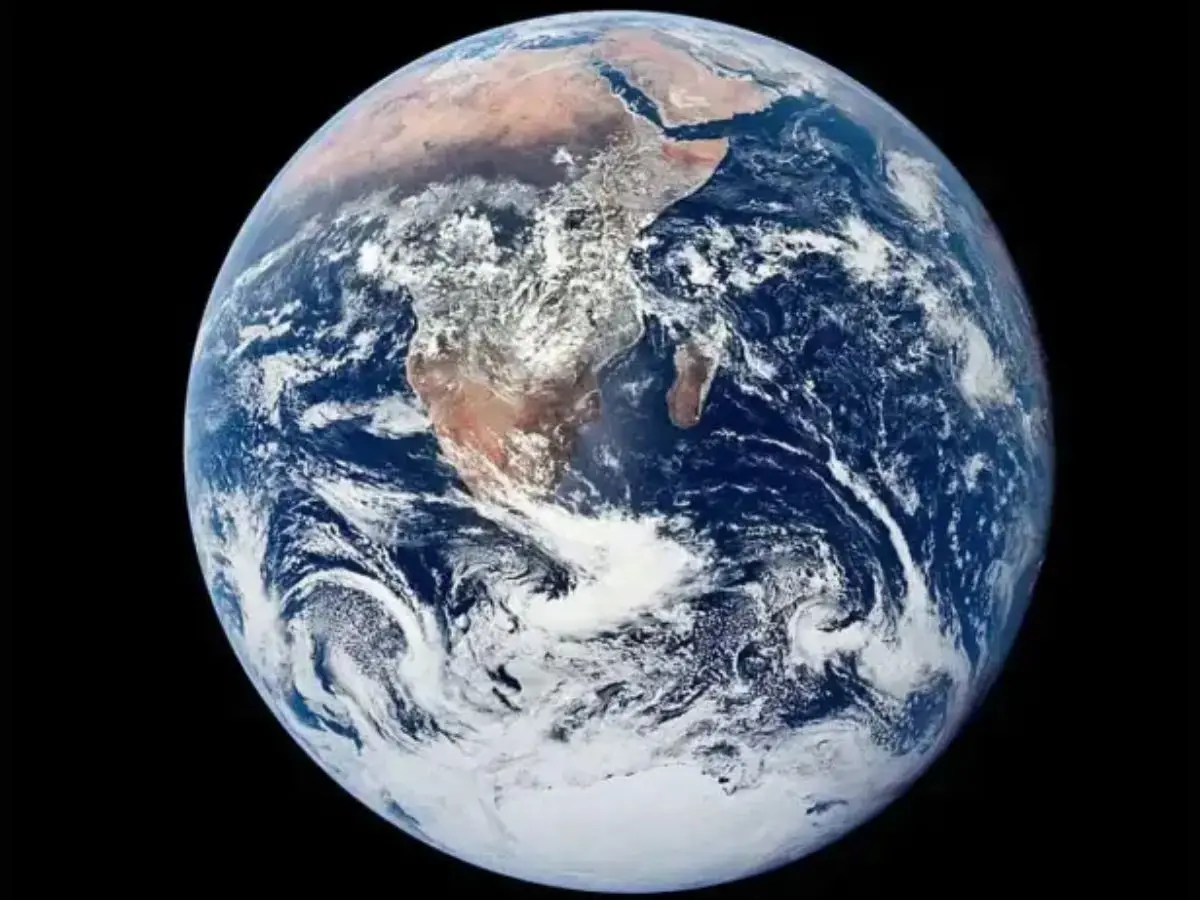
A deadly journey across the planets
Human beings evolved for Earth, a planet with the right air, temperature, and pressure to sustain life. But step beyond our atmosphere and the story changes drastically. Each planet in our Solar System presents a unique set of conditions that would kill an unprotected human almost instantly. NASA’s planetary science missions and decades of study provide clear insights into what makes survival impossible elsewhere.
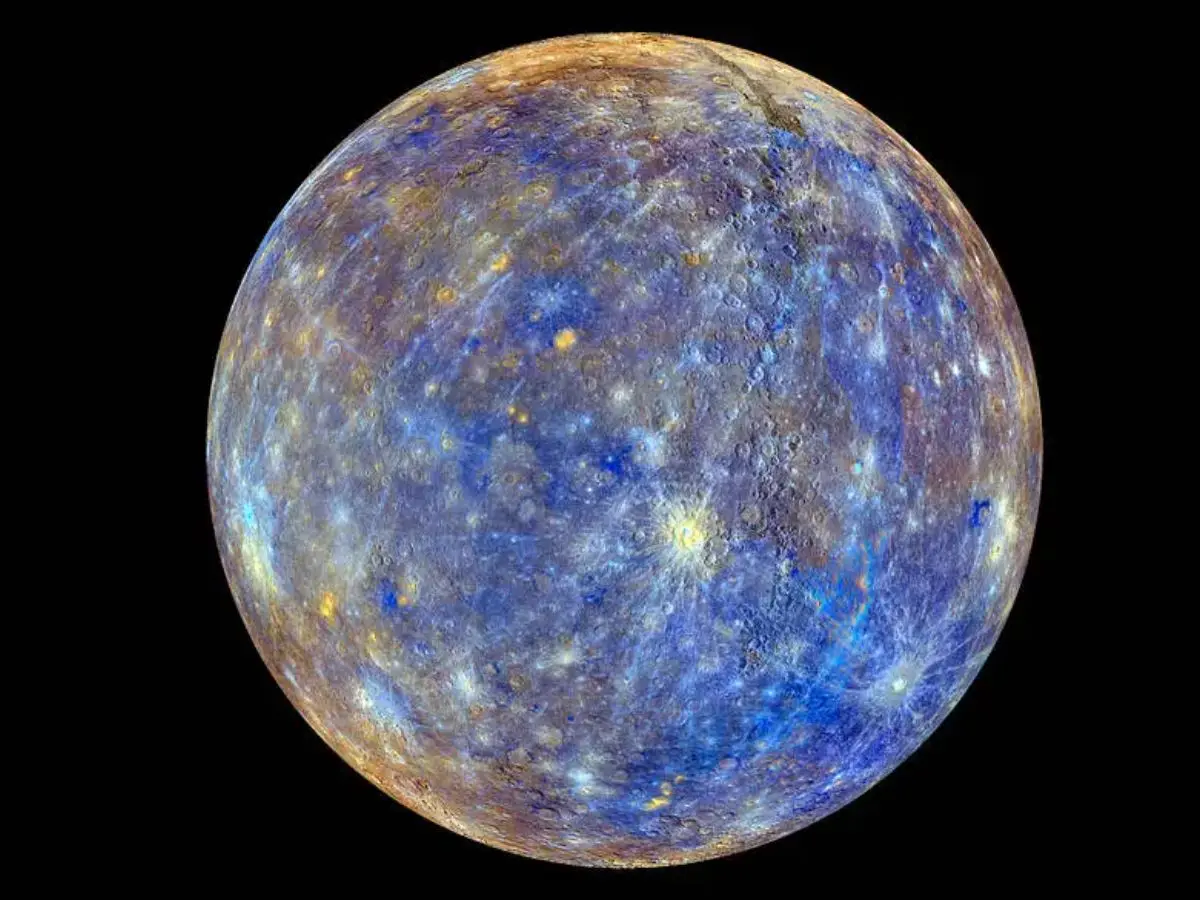
Mercury
Mercury, the smallest planet, has almost no atmosphere. This leaves its surface exposed to intense solar radiation. Daytime temperatures can rise to 430°C, while nights plunge to –180°C. A human on Mercury would be both unshielded from deadly radiation and subject to rapid heating or freezing, with death occurring within minutes.
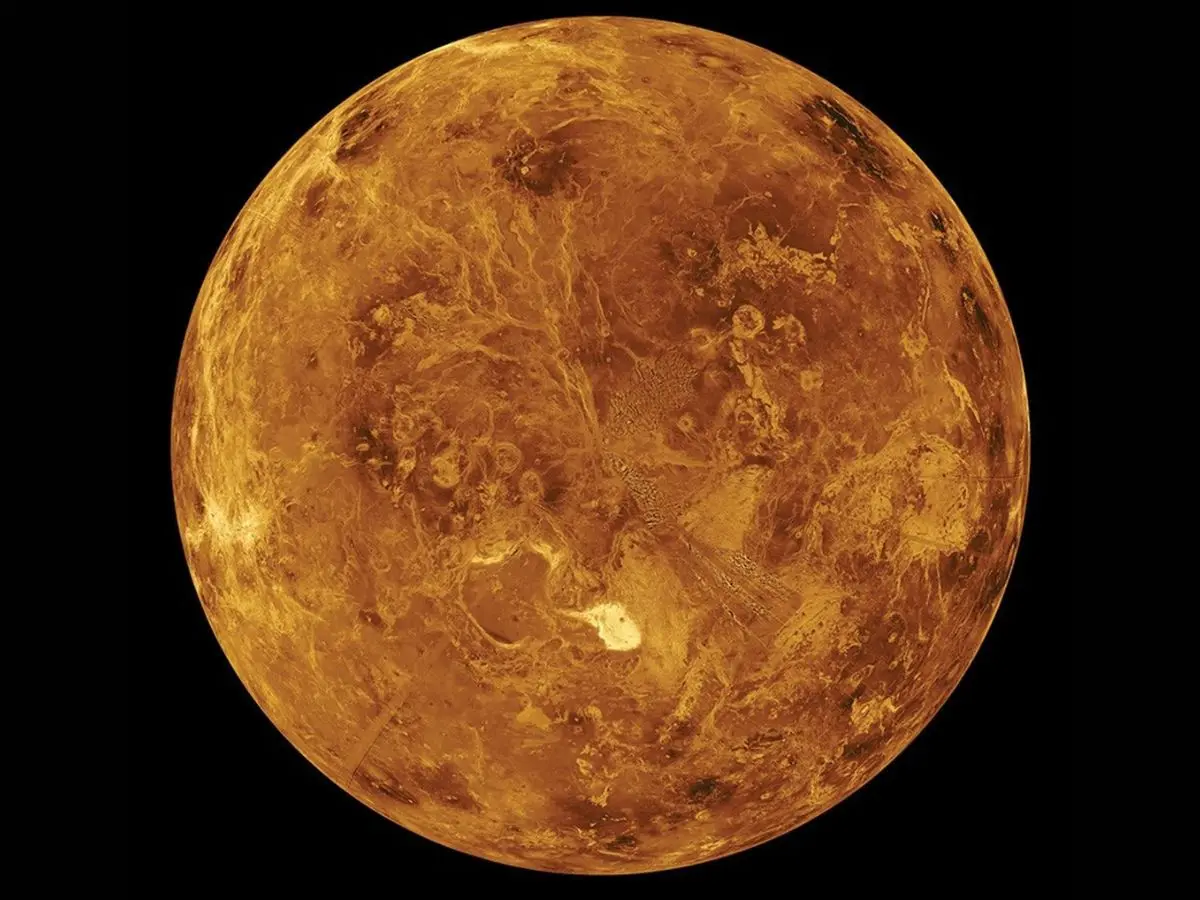
Venus
Venus is Earth’s 'twin' in size, but conditions there are lethal. Its thick atmosphere of carbon dioxide and sulphuric acid clouds exerts a surface pressure about 92 times that of Earth’s. Combined with surface temperatures averaging 465°C, a human would be crushed and burned almost instantly. NASA describes Venus as the most hostile planet in the Solar System for human life.
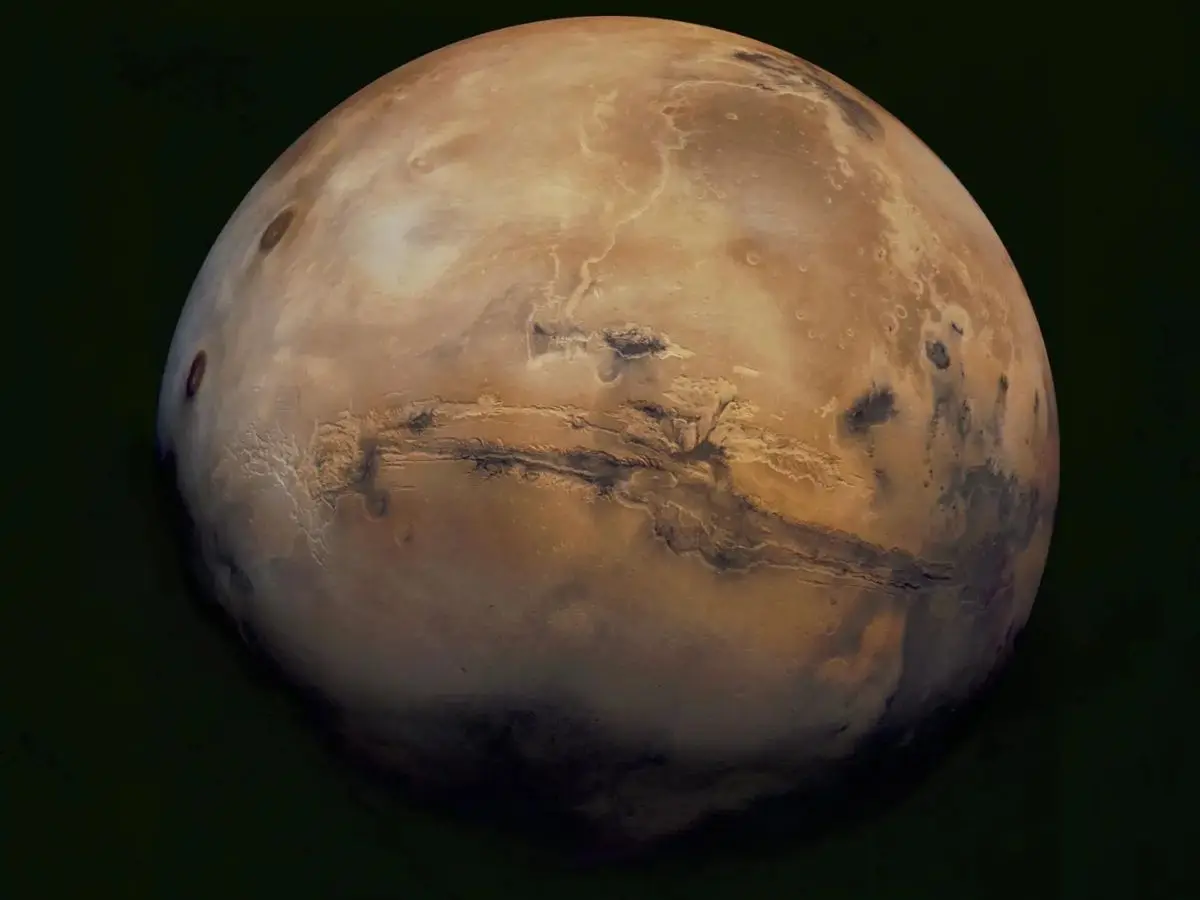
Mars: thin air and cold
Mars is the most studied planet after Earth, and while it is a target for future exploration, its environment remains deadly. The thin atmosphere, made mostly of carbon dioxide, cannot support breathing and offers little protection from radiation. Average surface temperatures are about –60°C. A human would suffocate within seconds and freeze soon afterwards without a pressurised suit and life support system.
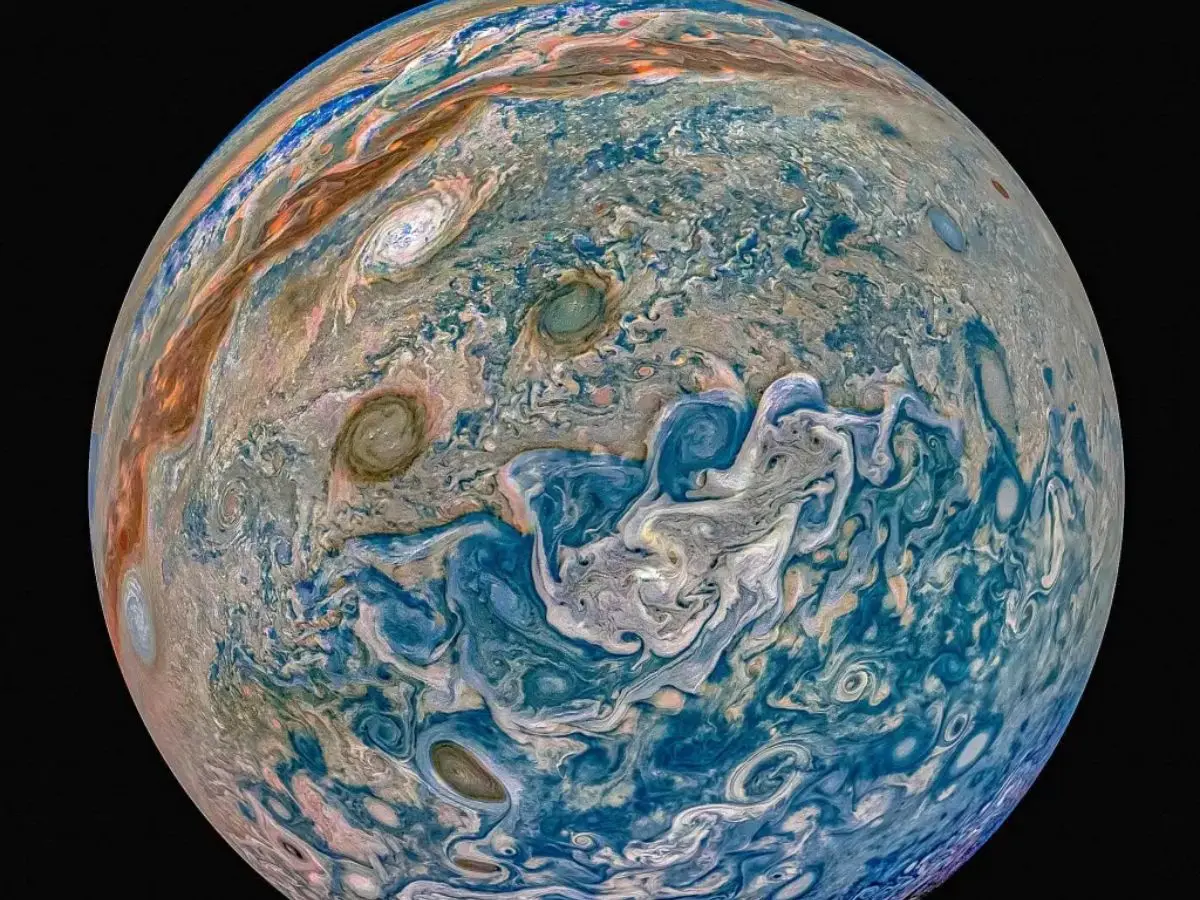
Jupiter: Crushed by Gravity and Radiation
Jupiter has no solid surface. A human falling in would first be battered by violent storms, including winds over 400 mph. As you descended, the pressure would rise so quickly that you’d be crushed long before reaching any kind of core. NASA also warns Jupiter’s radiation belts are extreme, doses hundreds of times lethal to humans, enough to kill within hours.
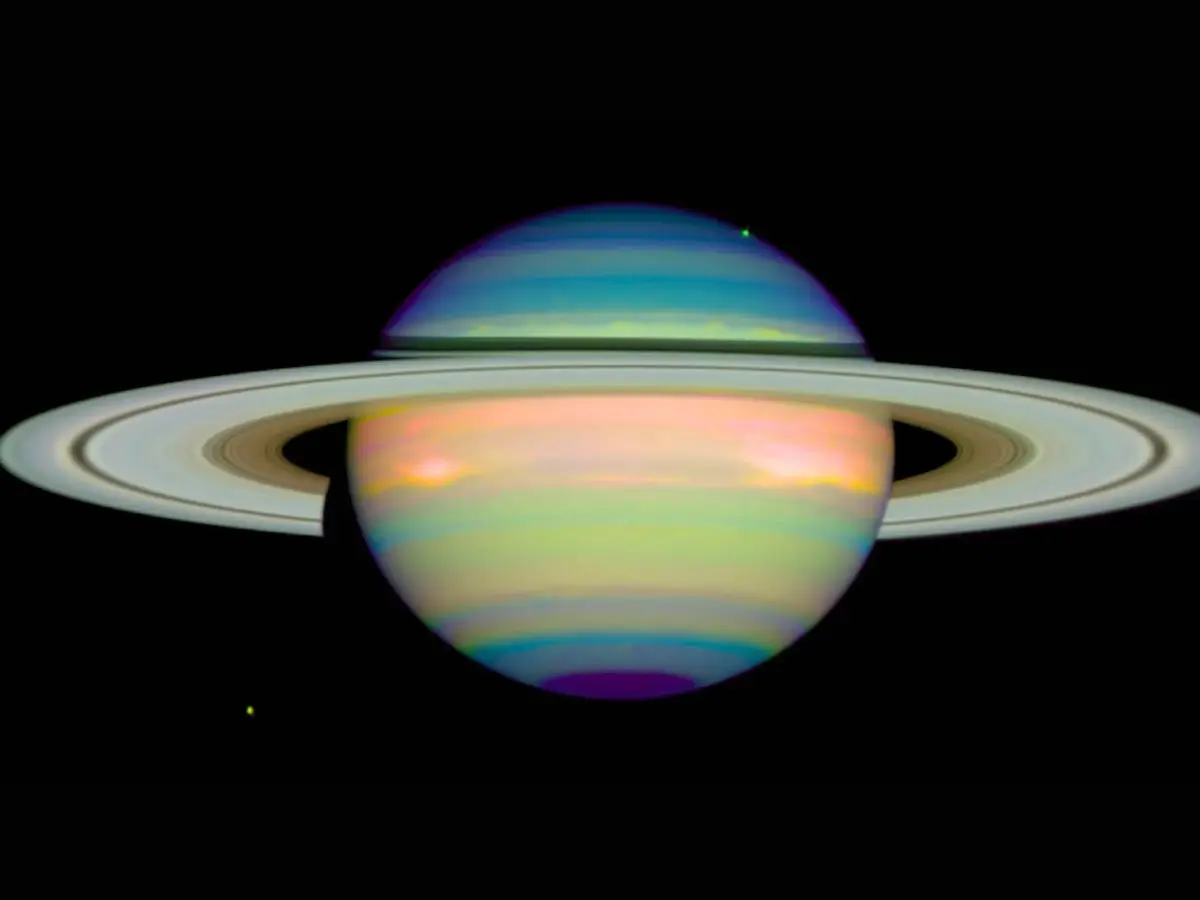
Saturn: Frozen and Crushed
Saturn, like Jupiter, lacks a surface. Its atmosphere of hydrogen and helium would offer no oxygen to breathe. With average temperatures of –178°C, you’d freeze almost instantly. Falling deeper, atmospheric pressure would become millions of times greater than Earth’s, compressing gases into liquids and metals, easily fatal to a human.
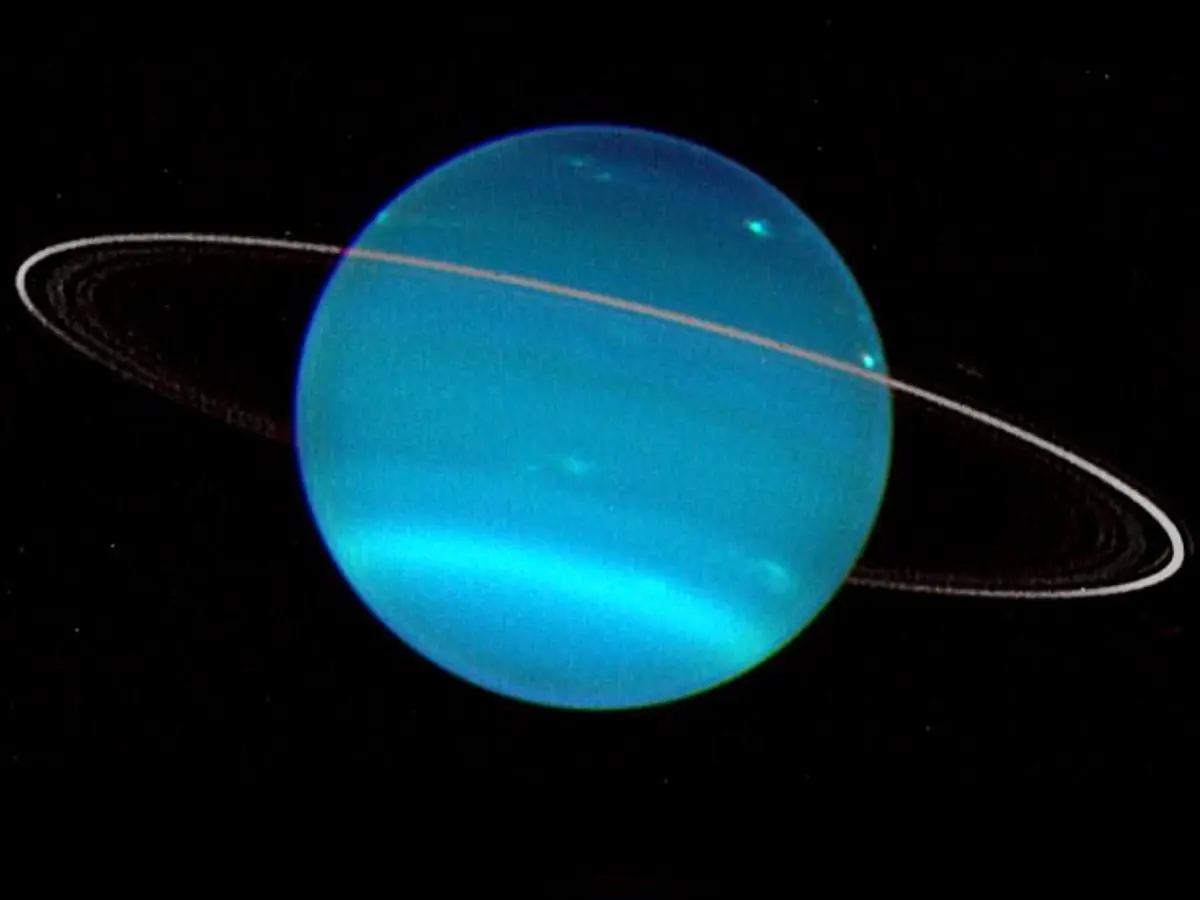
Uranus: Extreme Cold and No Oxygen
Uranus is an ice giant with an atmosphere of hydrogen, helium, and methane, offering no oxygen to breathe. Surface temperatures can fall to –224°C, the coldest recorded in the Solar System. A human exposed here would suffocate instantly, while the extreme cold would freeze the body almost immediately.
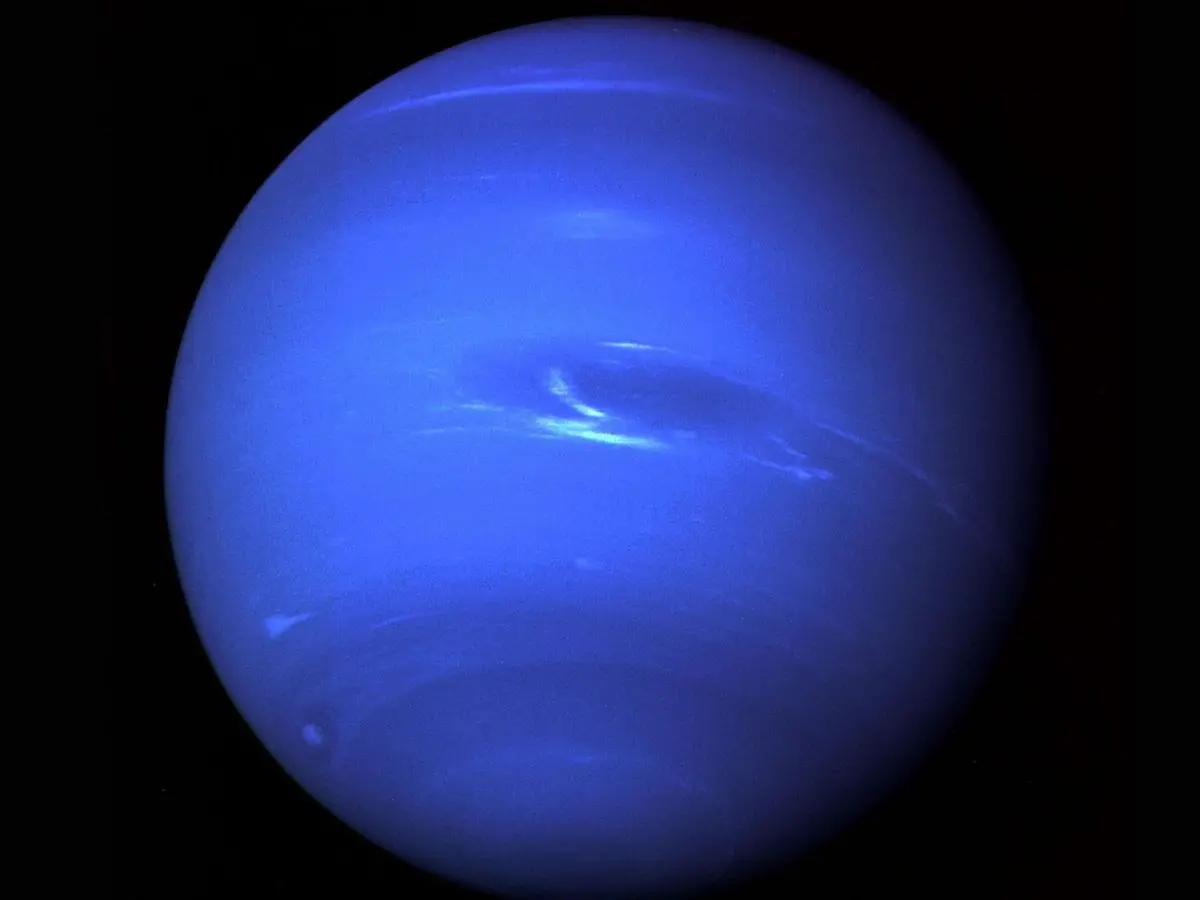
Neptune: Supersonic Winds and Suffocation
Neptune’s atmosphere, like Uranus, contains no oxygen and would cause instant suffocation. But its most lethal feature is its weather: winds exceeding 2,000 kilometres per hour, faster than the speed of sound. Combined with freezing conditions, these storms would tear apart anything attempting to survive.
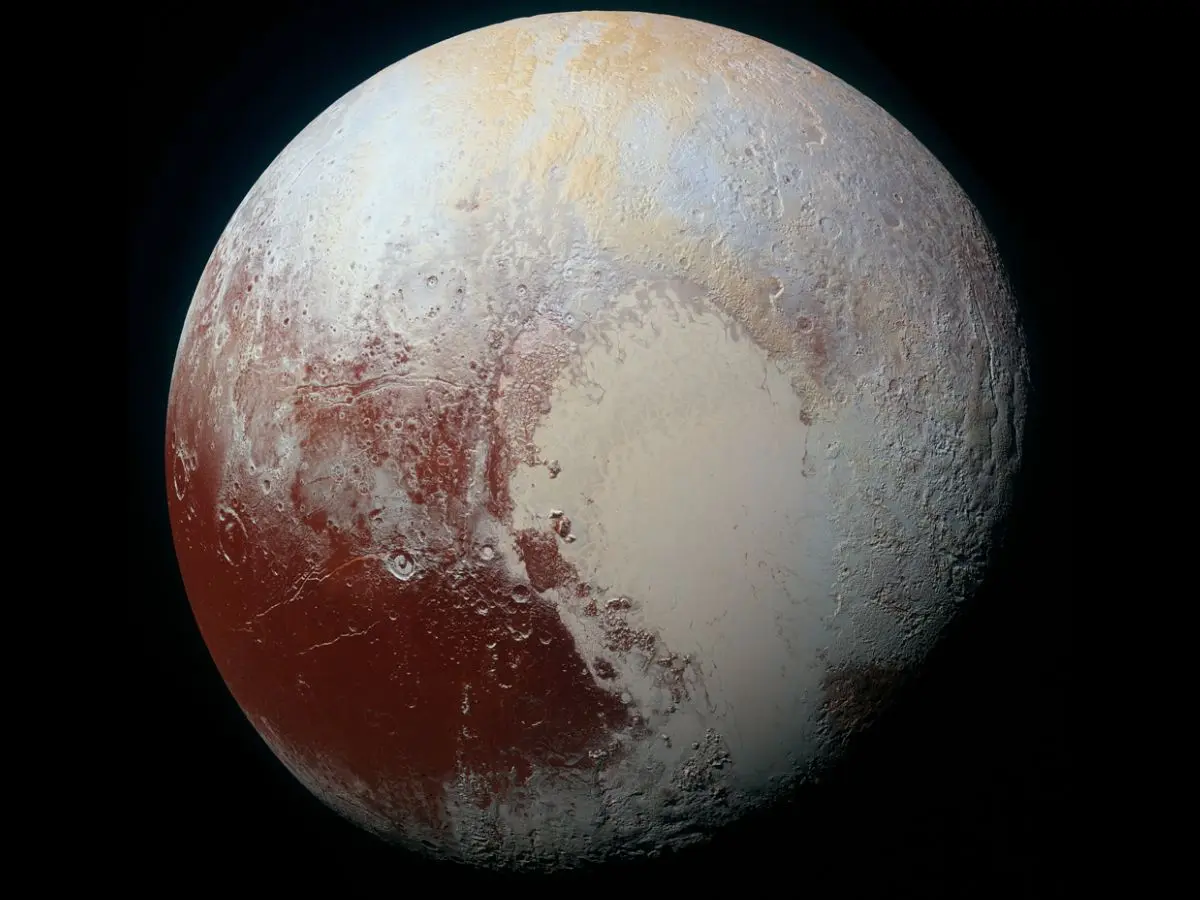
Beyond the planets: Pluto
Although reclassified as a dwarf planet, Pluto provides another example of deadly conditions. Its thin atmosphere cannot support breathing, and surface temperatures average –225°C. A human would freeze solid within moments.
)
)
)
)
)