NASA caught 3 black holes that destroyed stars weighing 'three to ten times heavier than our Sun'

Edited By Subhadra Srivastava
Published: Jun 05, 2025, 21:31 IST | Updated: Jun 05, 2025, 21:31 IST
Recently, scientists have recorded three rare events in which supermassive black holes consumed giant stars, releasing more energy than 100 supernovae.

1 / 6
(Photograph: NASA)
A Sudden Burst of Activity
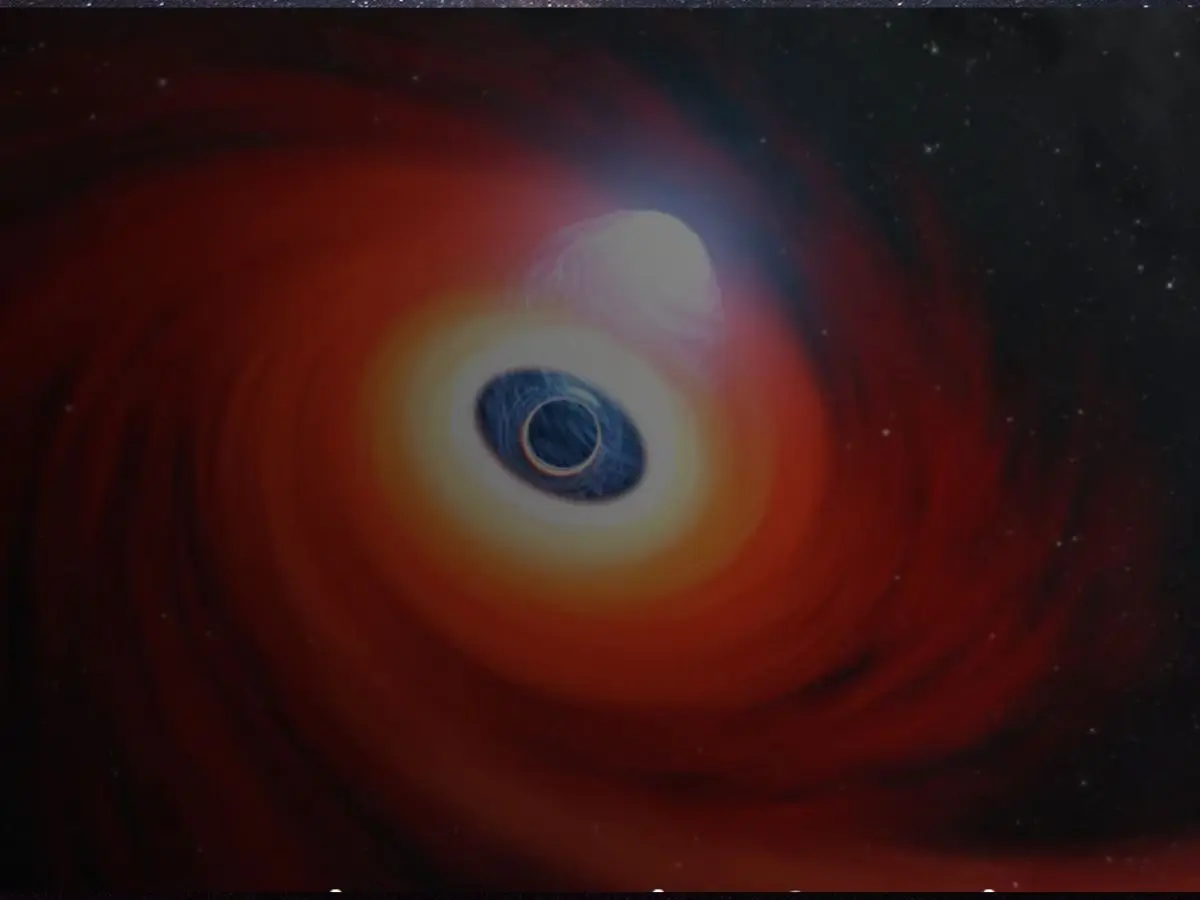
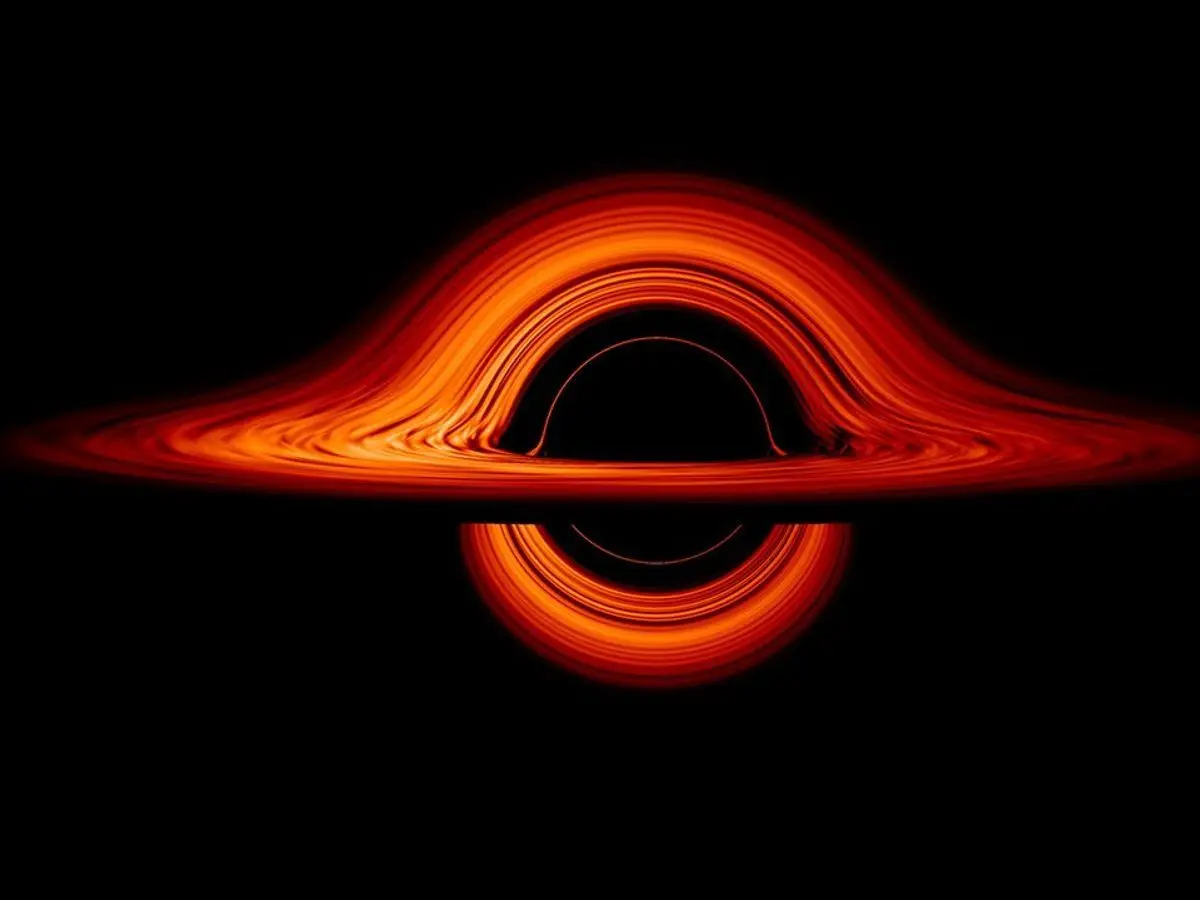
Space is fascinating subject and among some of the strangest and most fascinating objects in the space, are black holes. The gravity of these holes is so strong that not even light can escape once it crosses the boundary known as the event horizon. While these are usually invisible to us, unless they interact with something else, they continuously eat gas and dust and glow brightly as matter falls in. Recently, scientists have recorded three rare events in which supermassive black holes consumed giant stars, releasing more energy than 100 supernovae. These unusual outbursts were detected and studied using data from NASA, the European Space Agency (ESA), and various ground-based telescopes. The also events offer a glimpse into how typically inactive black holes can suddenly become some of the brightest objects in the universe as they snack on big stars.
2 / 6
(Photograph: NASA)
Introducing Extreme Nuclear Transients
The black holes that have been detected are all located in distant galaxies. Each remained quiet for years before tearing into stars, some about three and ten times the heavier than the Sun. The brightness of these explosions lasted for several months. Scientists have described these rare events 'extreme nuclear transients,' and they could help identify otherwise supermassive and undetectable black holes across the universe.
3 / 6
(Photograph: NASA)
Key Discoveries and Observations
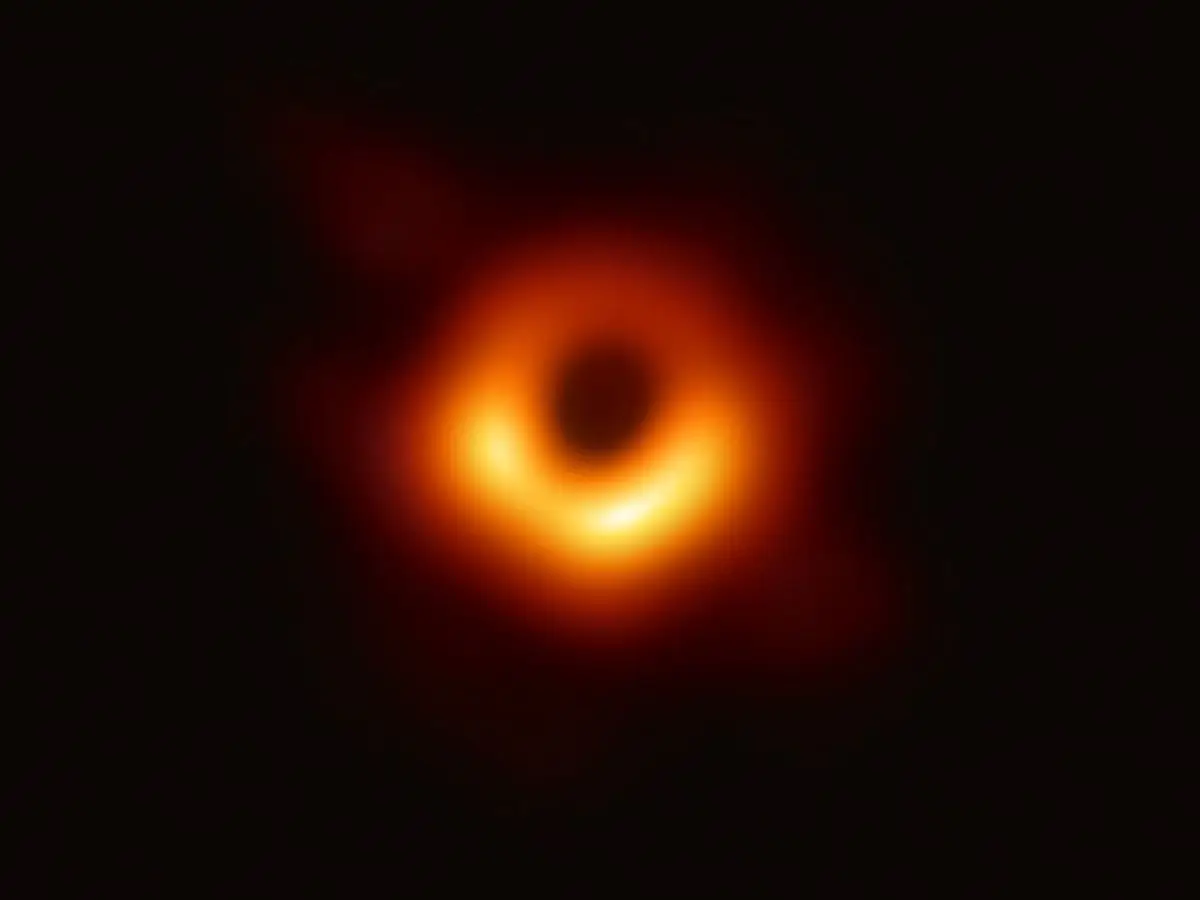
One of the explosions, first detected in 2020 was nicknamed 'Barbie' (ZTF20abrbeie), it was observed by the Zwicky Transient Facility in California. The other two events were spotted in earlier ESA Gaia mission data from 2016 and 2018. All of these three were later confirmed by NASA’s Swift Observatory after the space agency tracked their X-ray, ultraviolet, and visible light signatures, thus matching the profile of black holes destroying stars.
4 / 6
(Photograph: NASA)
Tracking the Light Curve
Another interesting fact highlighted in the NASA study was that the black holes had taken more than 100 days to reach the peak brightness and over 150 days to decline to half that level. These timeframes and the light patterns proved beneficial in distinguishing the events from ordinary supernovae. The signals were also detected by several ground-based observatories such as ALTAS, and Pan-STARRS.
5 / 6
(Photograph: NASA)
Role of Infrared Telescopes
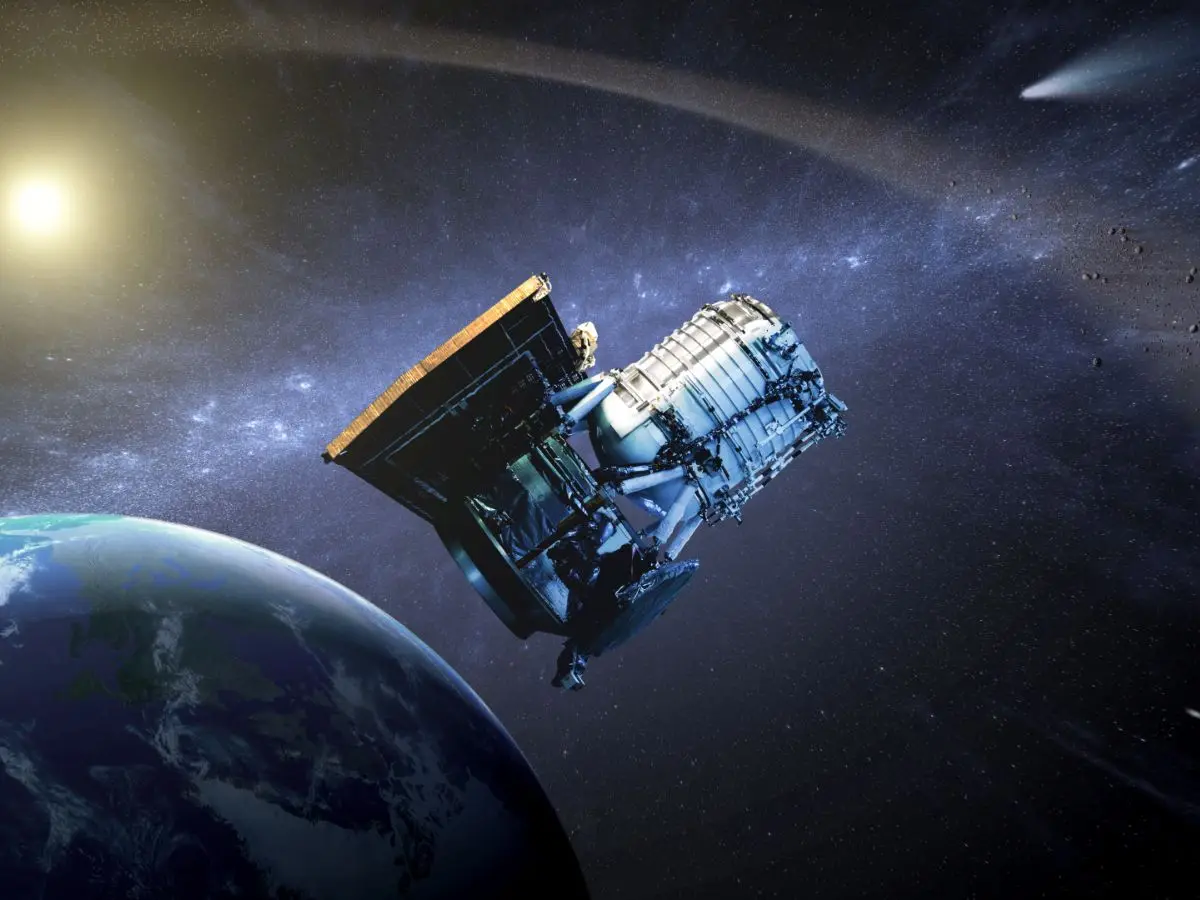
NASA’s retired Wide-field Infrared Survey Explorer (WISE) spacecraft, reactivated as Near-Earth Object Wide-field Infrared Survey Explorer (NEOWISE), contributed by mapping dust around the black holes in infrared light. The data aided scientists during the study of the environment in which these star-destroying events occurred. Ground-based chemical analysis also supported the findings.
6 / 6
(Photograph: NASA)
Looking Ahead with Roman
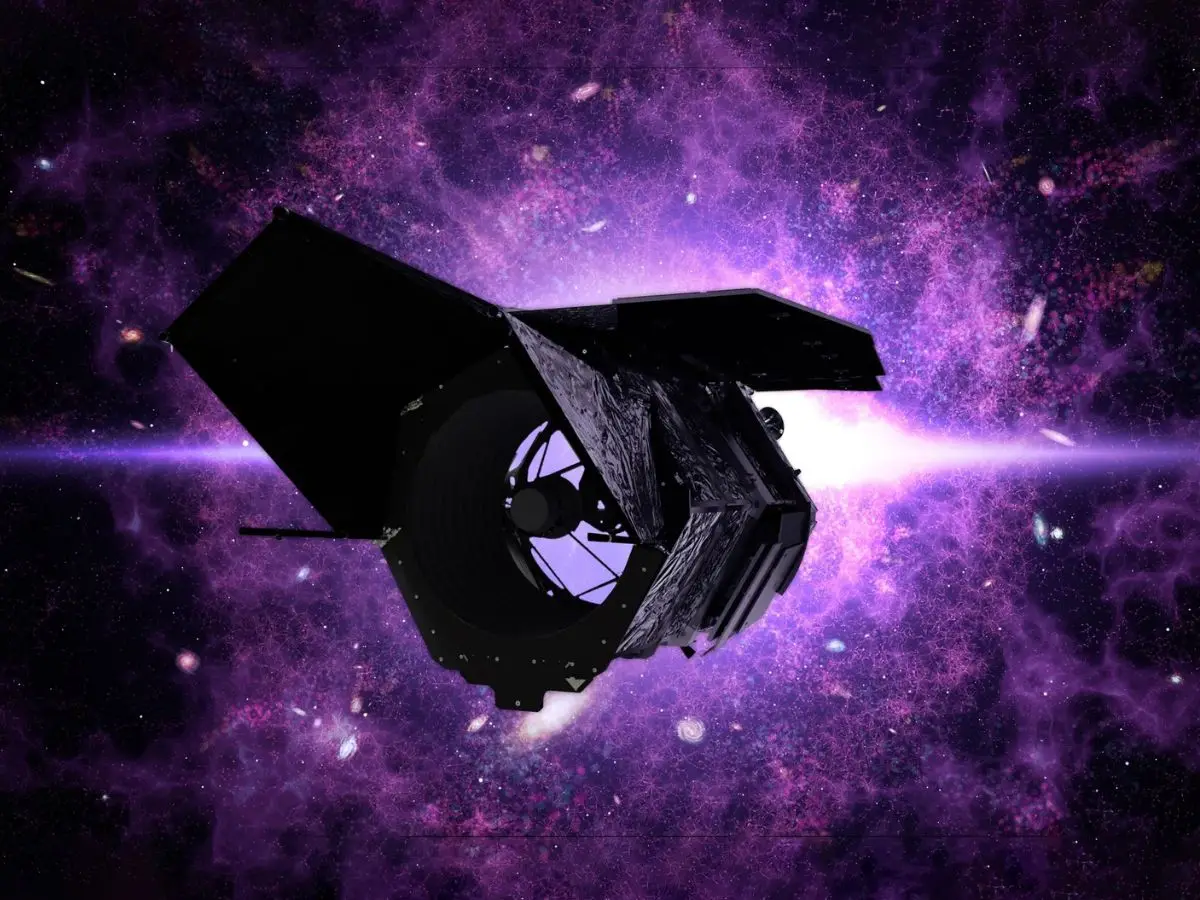
NASA’s upcoming Nancy Grace Roman Space Telescope is expected to play a very crucial role in detecting similar events. It will also observe infrared light, which is important since this is where ultraviolet emissions from distant black holes shift as the universe expands. Roman could be helpful in detecting such flares from as far back as 12 billion years ago. These findings backed the data from the James Webb Space Telescope, which focuses on how black holes consume gas in the early universe.
)
)
)
)
)