Missile & drone attacks by Iran: Will insurance companies pay if a building is hit?

Standard property insurance denies claims for missile damage due to war exclusion clauses. Gulf businesses must buy specialised Political Violence insurance to ensure they receive payouts if buildings are hit by drone or missile strikes.
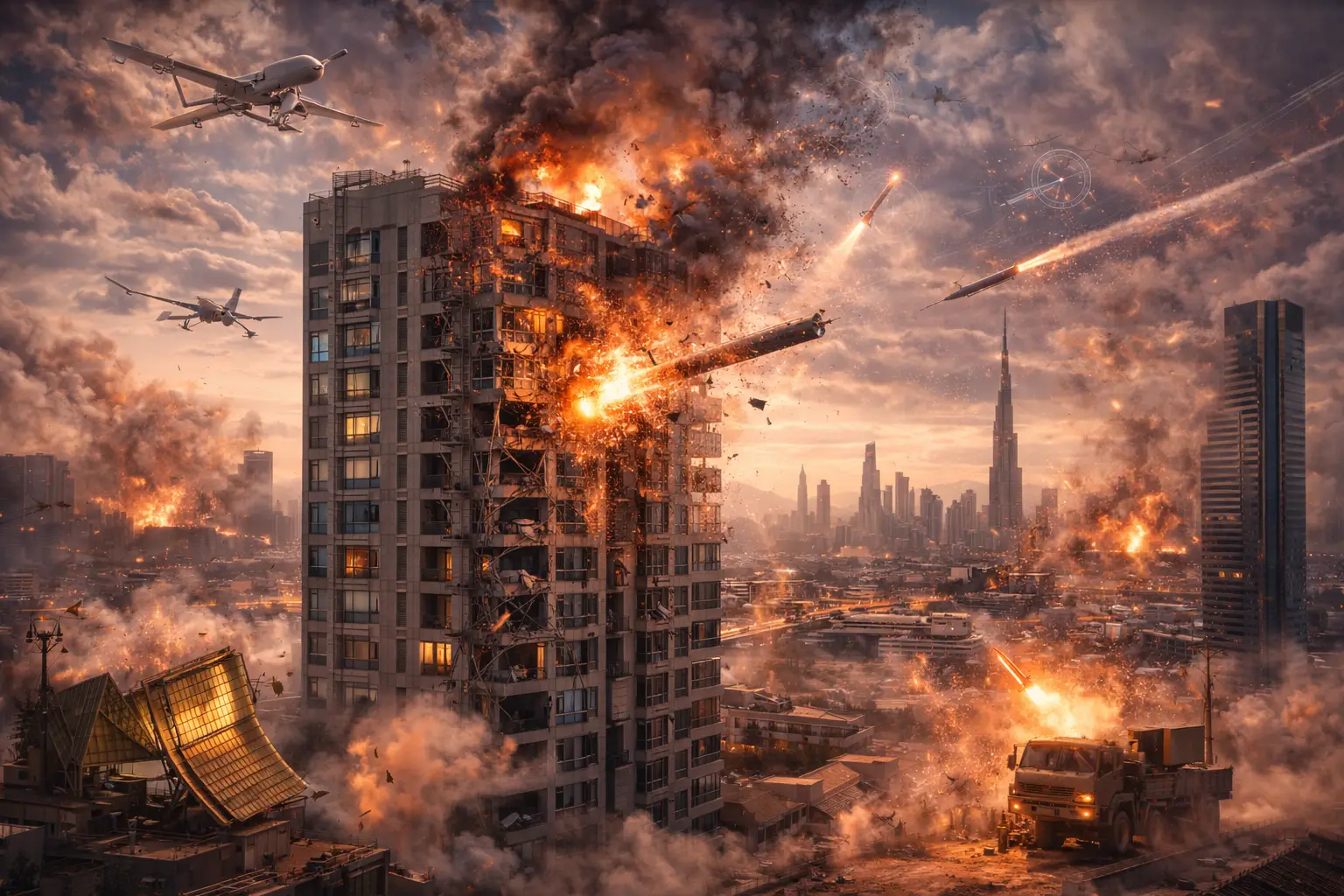
The standard war exclusion
Standard commercial and residential property policies contain a strict 'war exclusion clause'. This means everyday insurers will not pay for any building damage caused by foreign invasions, hostilities, or missile strikes.
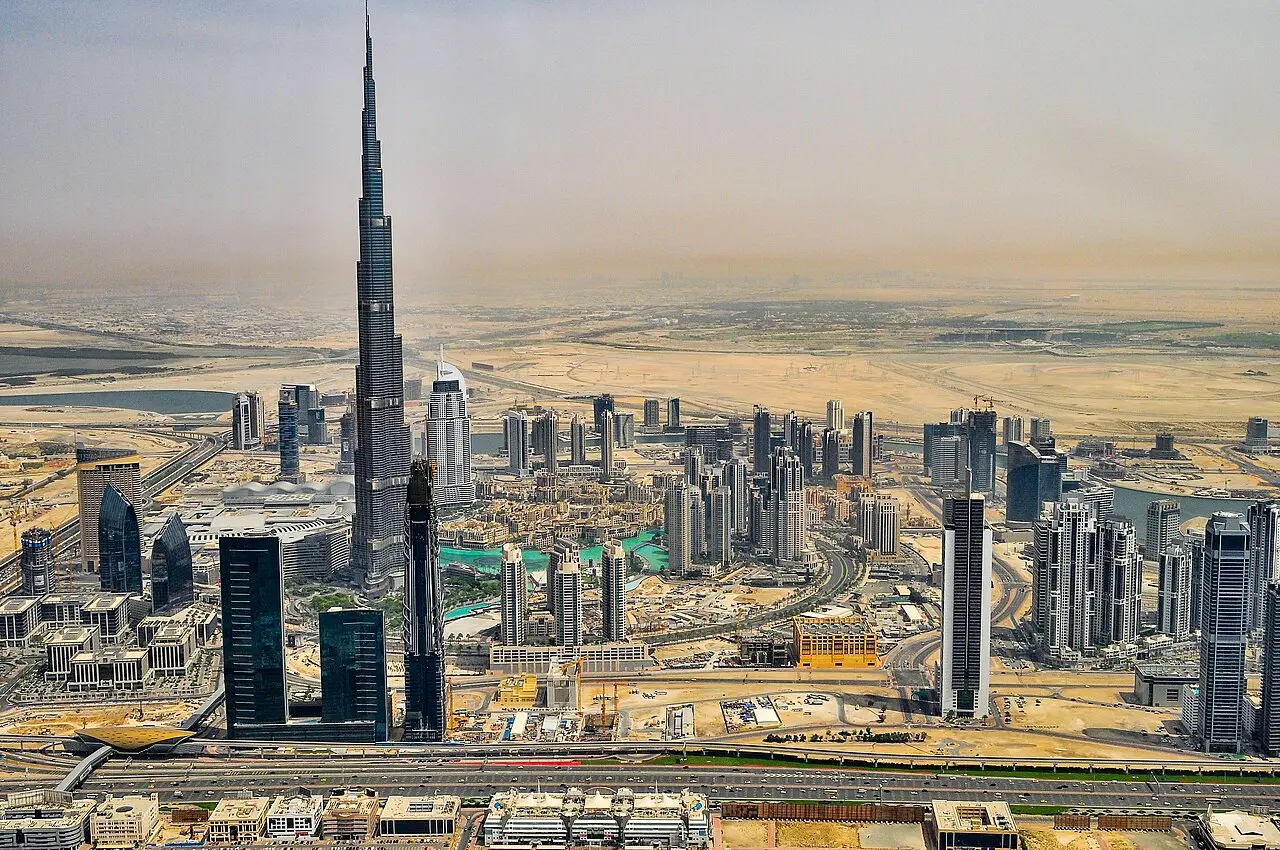
How a government classifies an attack
Insurance payouts depend heavily on how a government classifies an attack. If a missile strike by a state actor is officially declared an 'act of war' rather than 'terrorism', basic terrorism policies will completely deny the claim.
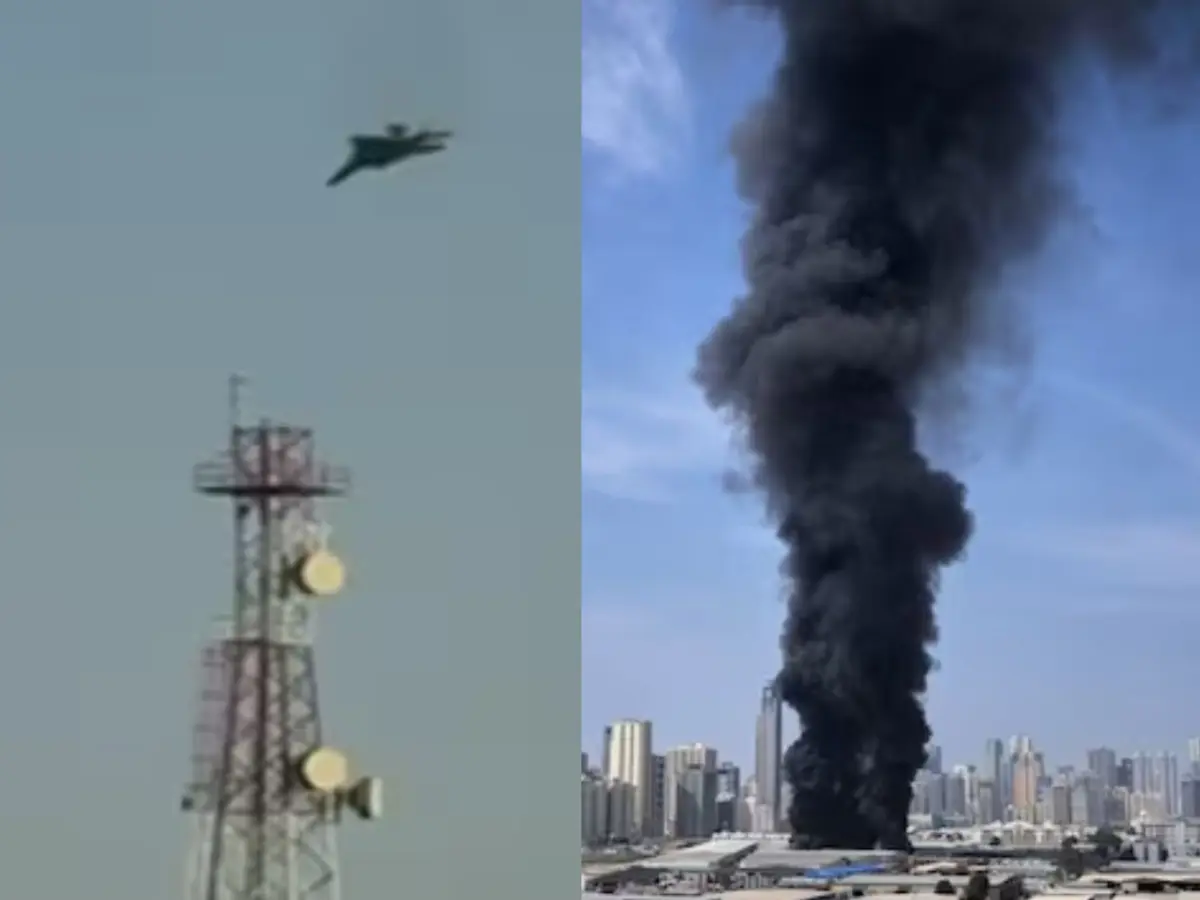
Political Violence (PV) coverage
To guarantee payouts, major businesses in the Gulf purchase specialised Political Violence (PV) insurance. These specific policies cover physical damage caused directly by war, sabotage, and drone bombardments.
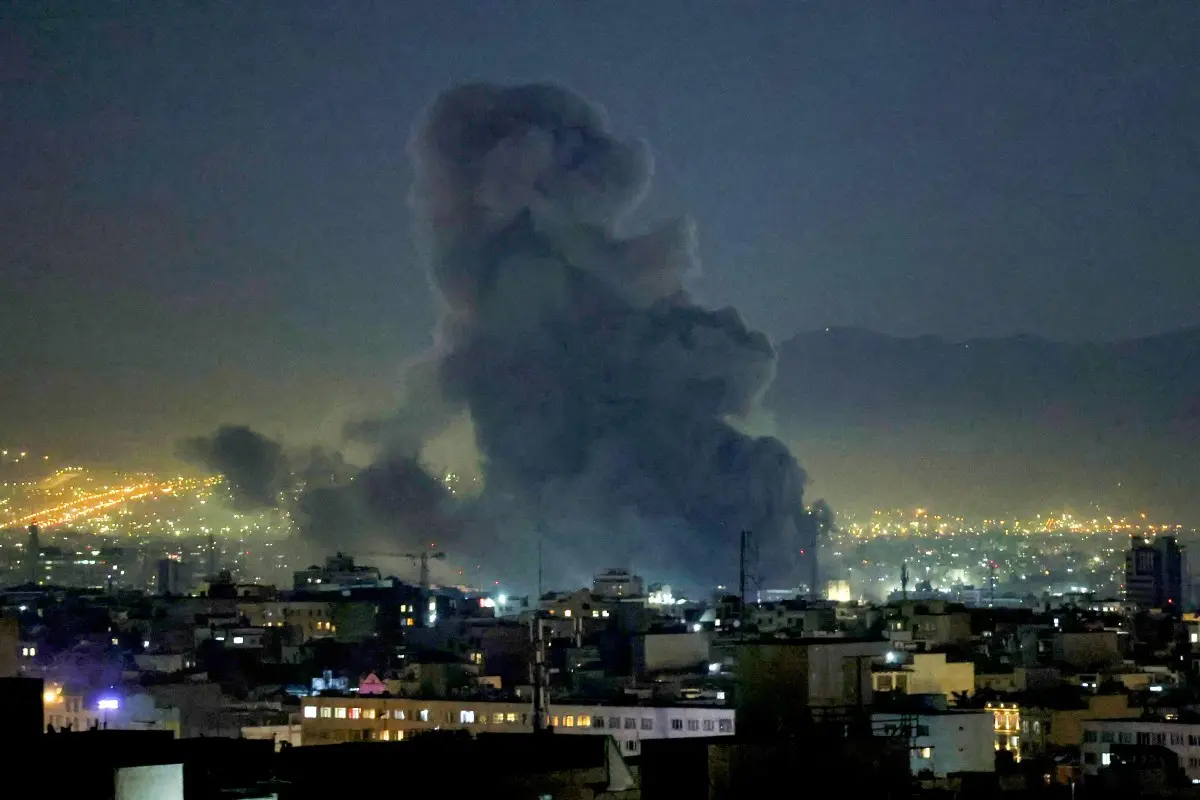
Surging insurance premiums
Due to the escalating conflict with Iran, PV insurance premiums in the Middle East have surged significantly. Companies are now paying much higher rates to secure their skyscrapers and logistical hubs against aerial threats.
Business interruption claims
Beyond physical damage, advanced PV policies also cover 'business interruption'. If a missile strike forces a factory or hotel to close, the insurance pays for the lost revenue during the reconstruction period.

State-backed compensation
In some Middle Eastern nations, governments manage emergency compensation funds. If a civilian building is destroyed by a foreign missile, the state may step in to cover the rebuilding costs if private insurance fails.
Proof
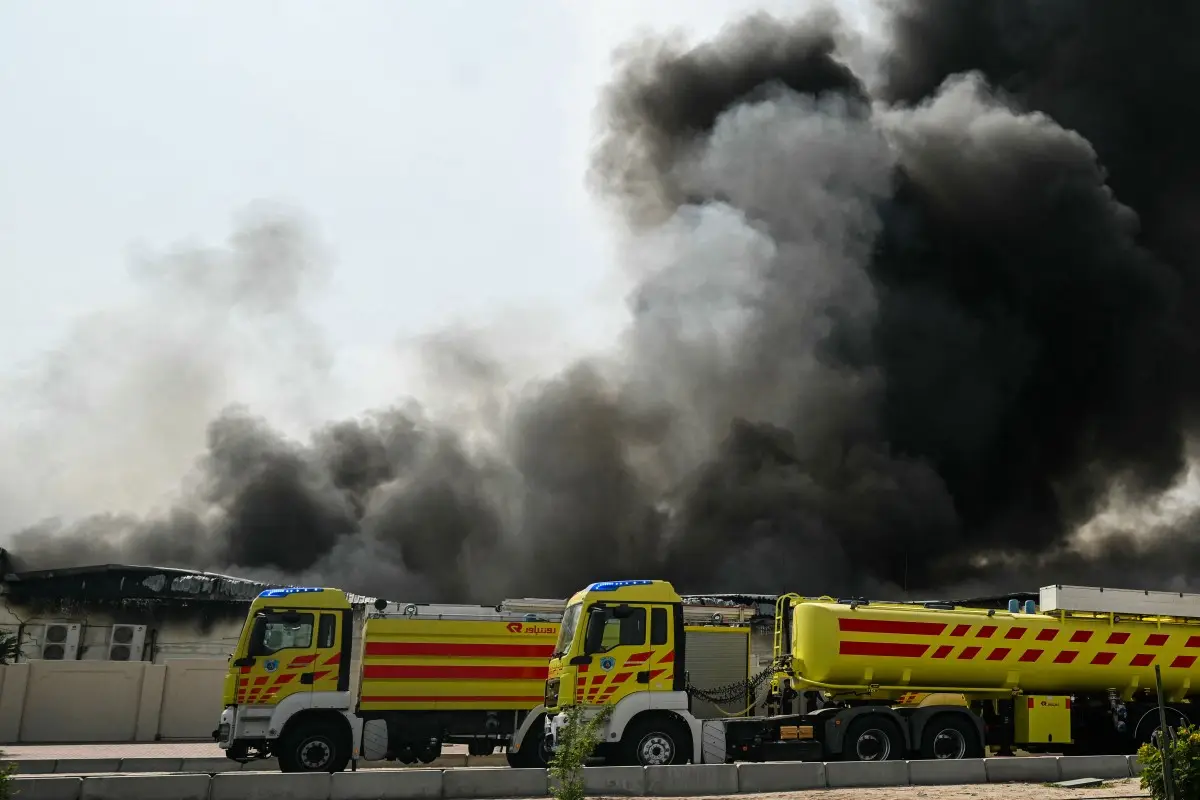
Following a strike, forensic investigators must confirm the exact cause of damage. Payouts are only approved once experts verify that the building was hit directly by a missile or damaged by falling interceptor debris.
)
)
)
)
)