MiG‑21, Mirage III and Su‑22: The world’s 7 ancient fighter jets that refuse to retire

Their survival owes much to rugged design, upgrades and enduring tactical relevance. Here are seven of the oldest fighter jets still in active service.
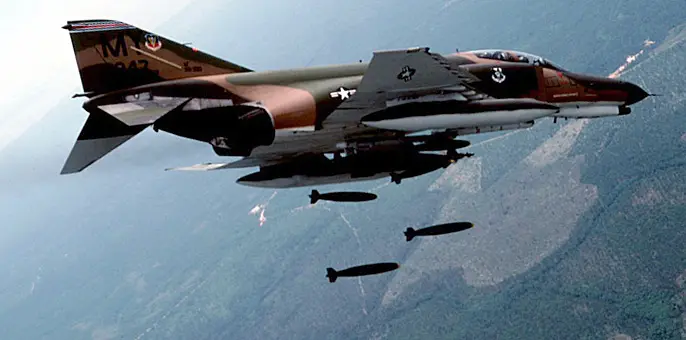
Timeless machines in the skies
While aviation technology has advanced dramatically, a surprising number of fighter jets built decades ago continue to fly combat and patrol missions worldwide. Their survival owes much to rugged design, upgrades and enduring tactical relevance. Here are seven of the oldest fighter jets still in active service.
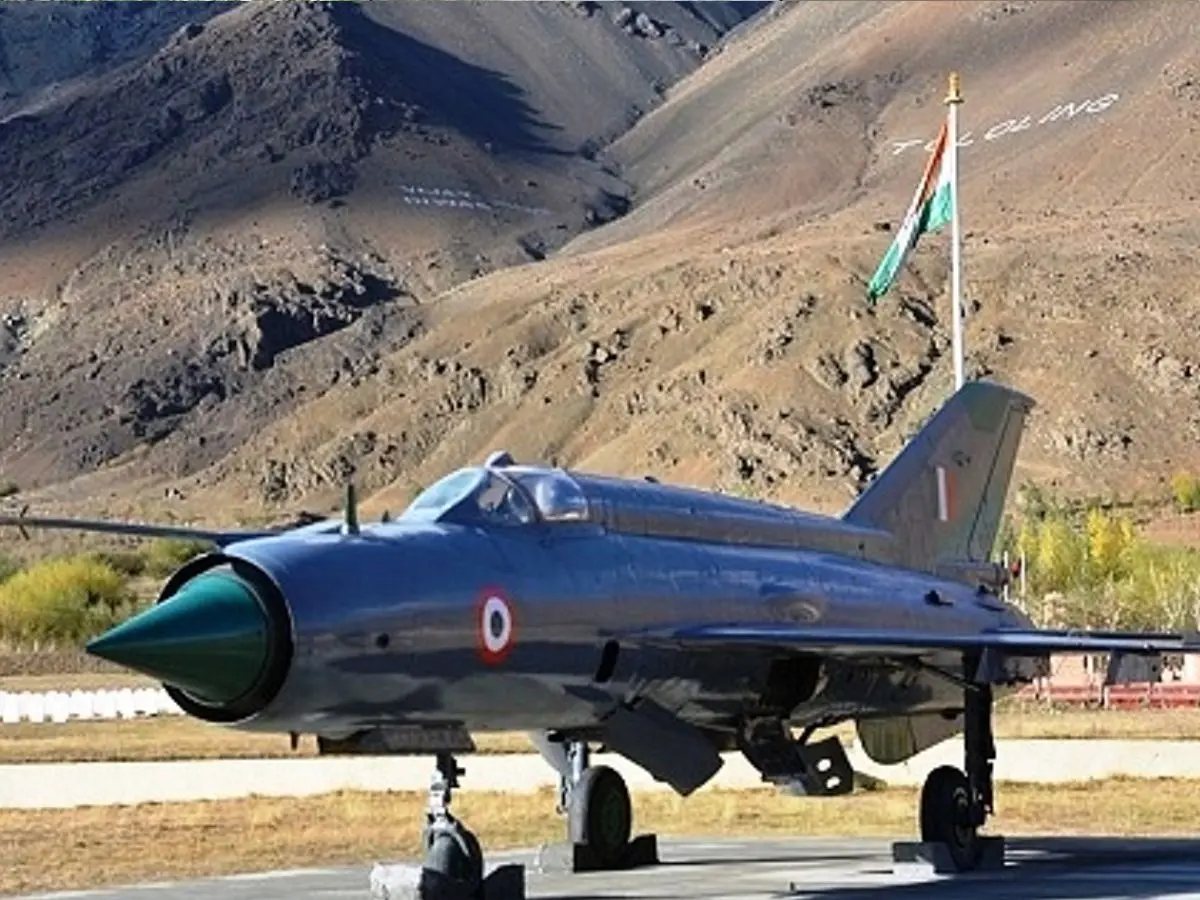
MiG‑21: the supersonic workhorse
First flown in 1955 and entering service in 1959, the Soviet‑designed MiG‑21 remains operational in air forces including India, Croatia and several African nations. Its slender delta wing, top speed exceeding Mach 2 and relatively low operating cost made it the backbone of many Cold War‑era fleets. In India, the MiG‑21 notably achieved victories in the 1971 Indo‑Pakistan War and has undergone multiple upgrades to extend its service life. However, IAF is planning to retire the ageing fleet by September 2025.
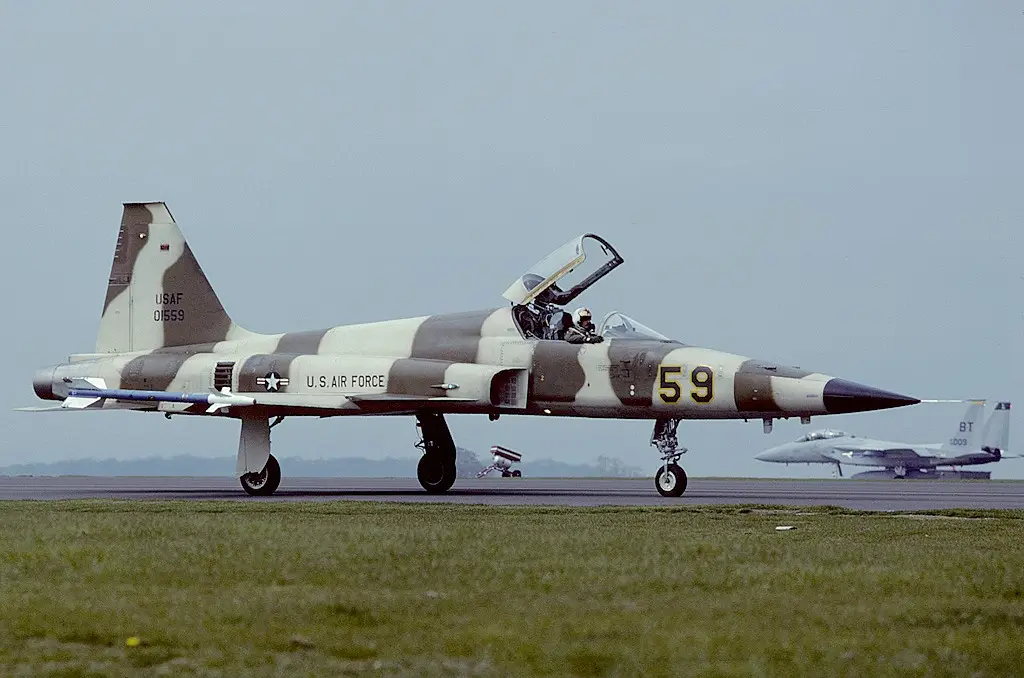
Northrop F‑5: agile and adaptable
Debuting in the early 1960s, the American F‑5 Freedom Fighter and its successor, the F‑5E Tiger II, remain in service with countries such as Brazil, Tunisia and Taiwan. Known for its agility and reliability, the F‑5 has served as a trainer, frontline fighter and even aggressor aircraft in training exercises. Despite limited range and payload, it remains valued for low maintenance costs and ease of operation.
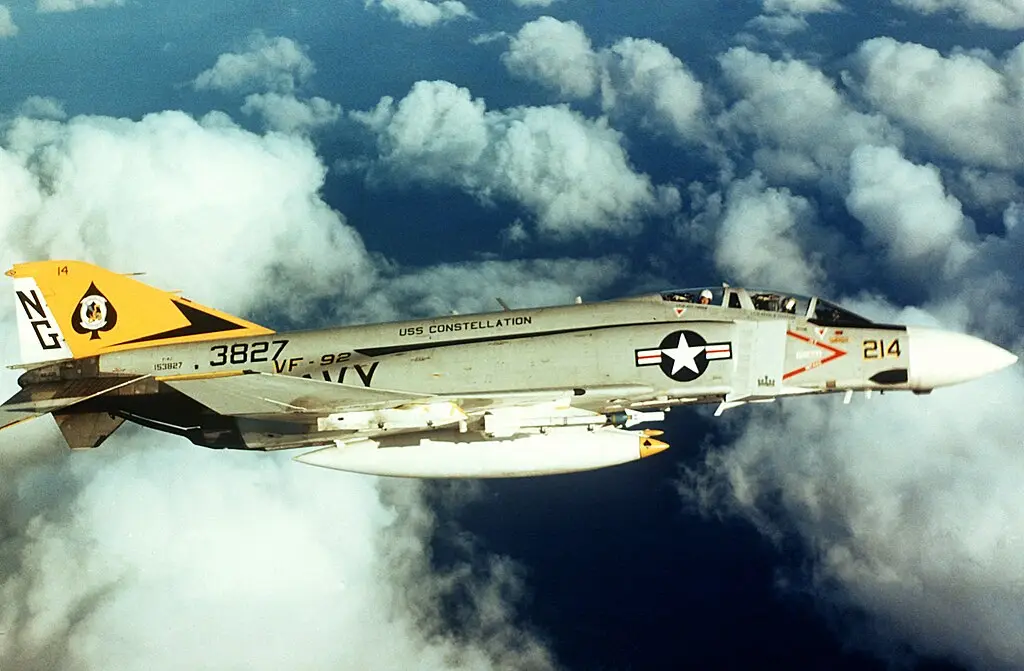
F‑4 Phantom II: the versatile legend
Introduced in 1960, the twin‑engine McDonnell Douglas F‑4 Phantom II is still flown in modified forms by Iran, Turkey and South Korea. The Phantom gained fame in the Vietnam War for its speed and heavy payload capacity, carrying up to 8,400 kg of ordnance. Modernised versions feature new radar and electronic warfare systems, keeping them relevant in specialised roles like reconnaissance.
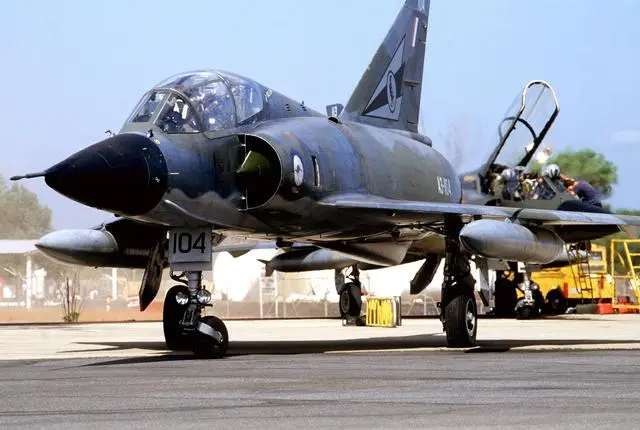
Mirage III: the delta pioneer
France’s Dassault Mirage III entered service in 1961 and remains active in Pakistan and Argentina. Its distinctive delta wing offered high speed and climb performance. The Mirage III first saw combat in the 1967 Six‑Day War, where Israeli pilots scored numerous victories. Modernised avionics and weapons integration have kept it useful in limited roles.
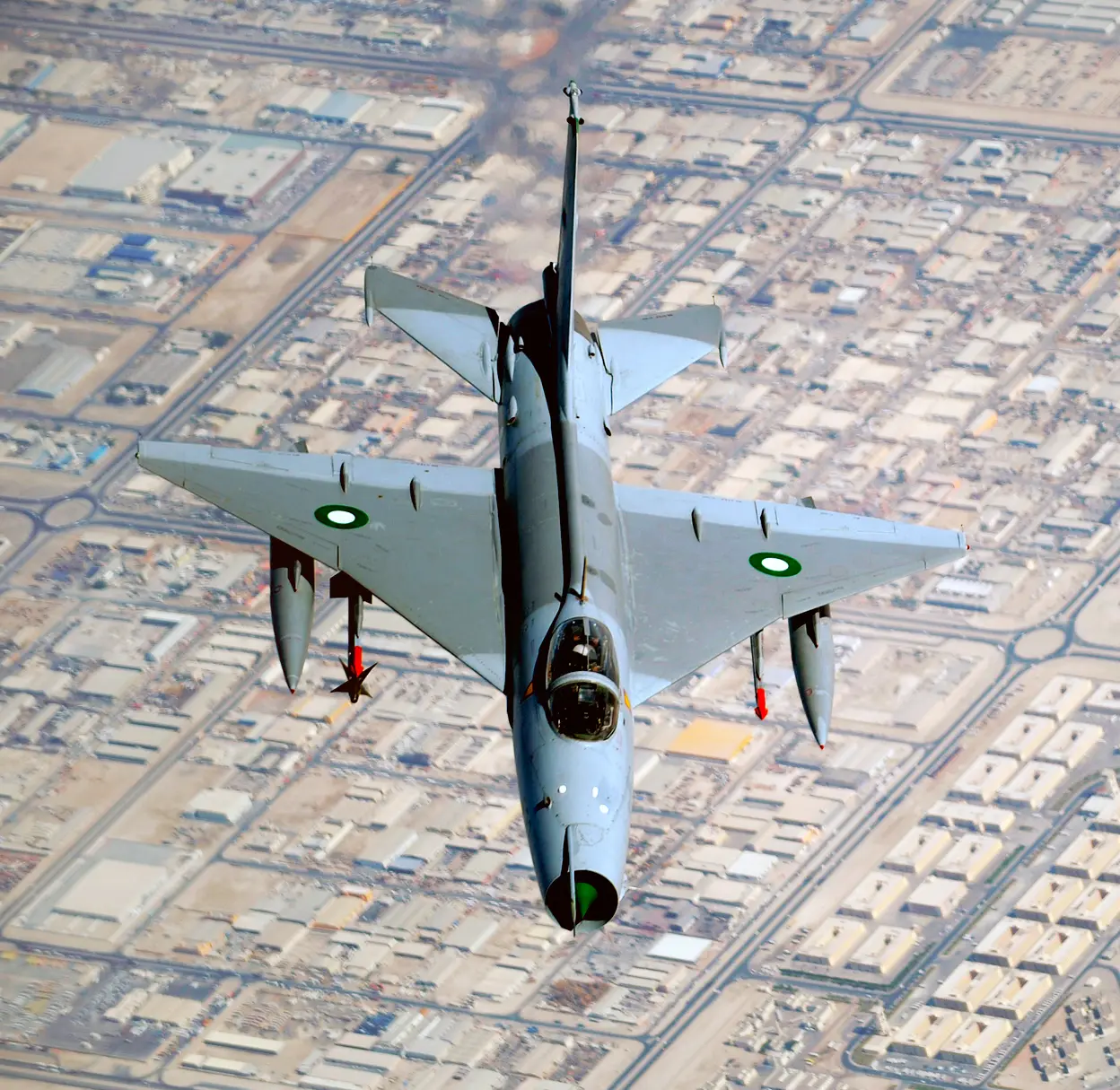
Chengdu J‑7: China’s MiG‑21 clone
China’s J‑7, based on the MiG‑21, first flew in the 1960s and continues to serve in the Chinese People’s Liberation Army Air Force in secondary roles and as an export fighter. The J‑7 retains the MiG‑21’s speed and simplicity, though with limited range and radar capability. It remains part of training and border patrol duties.
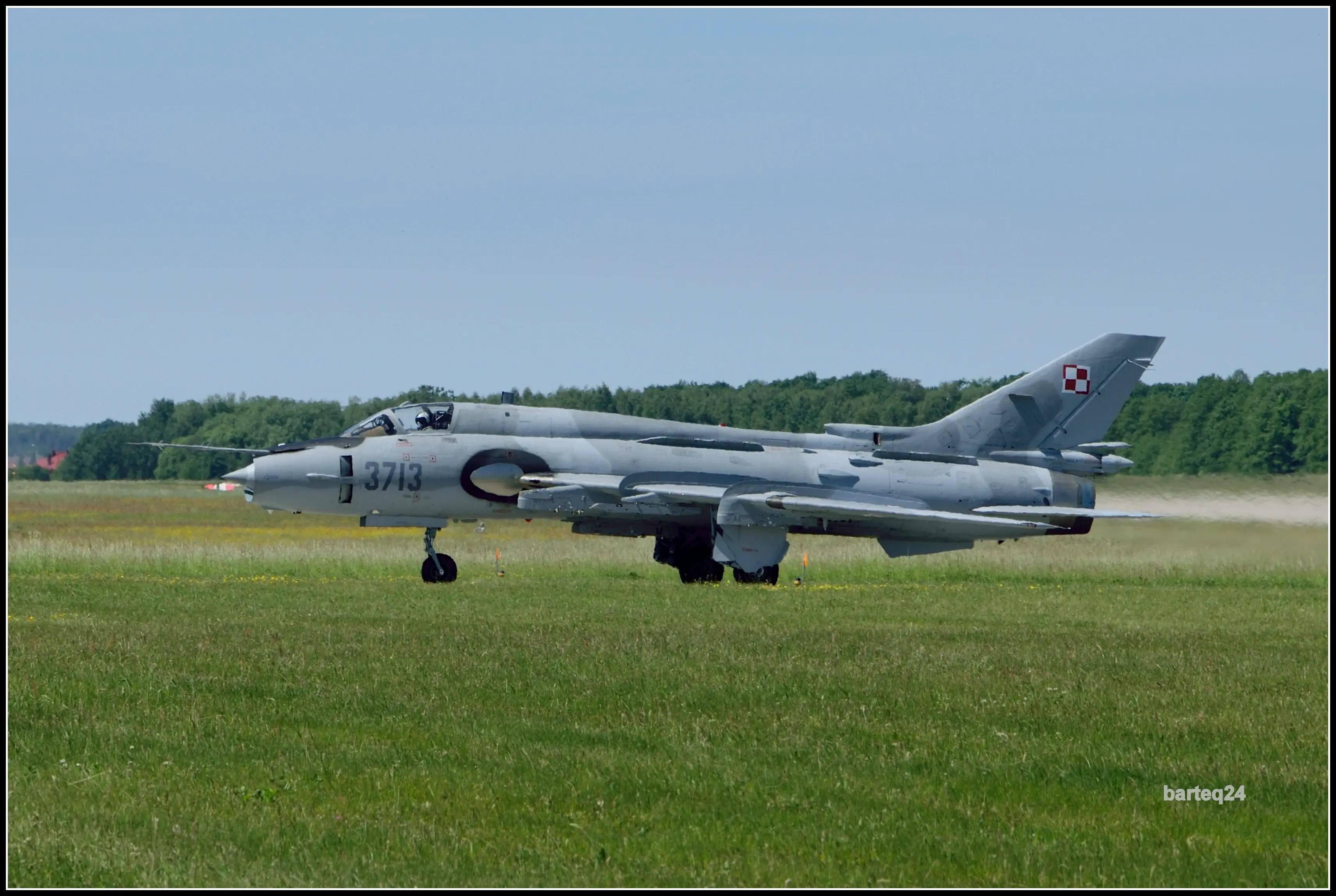
Sukhoi Su‑22: swing‑wing survivor
The Soviet Su‑17, later designated Su‑22 for export, entered service in 1970. Its variable‑geometry wings allow better take‑off and low‑speed performance. Poland and Syria still operate Su‑22s, primarily in ground‑attack roles, benefiting from sturdy airframes and large ordnance loads.
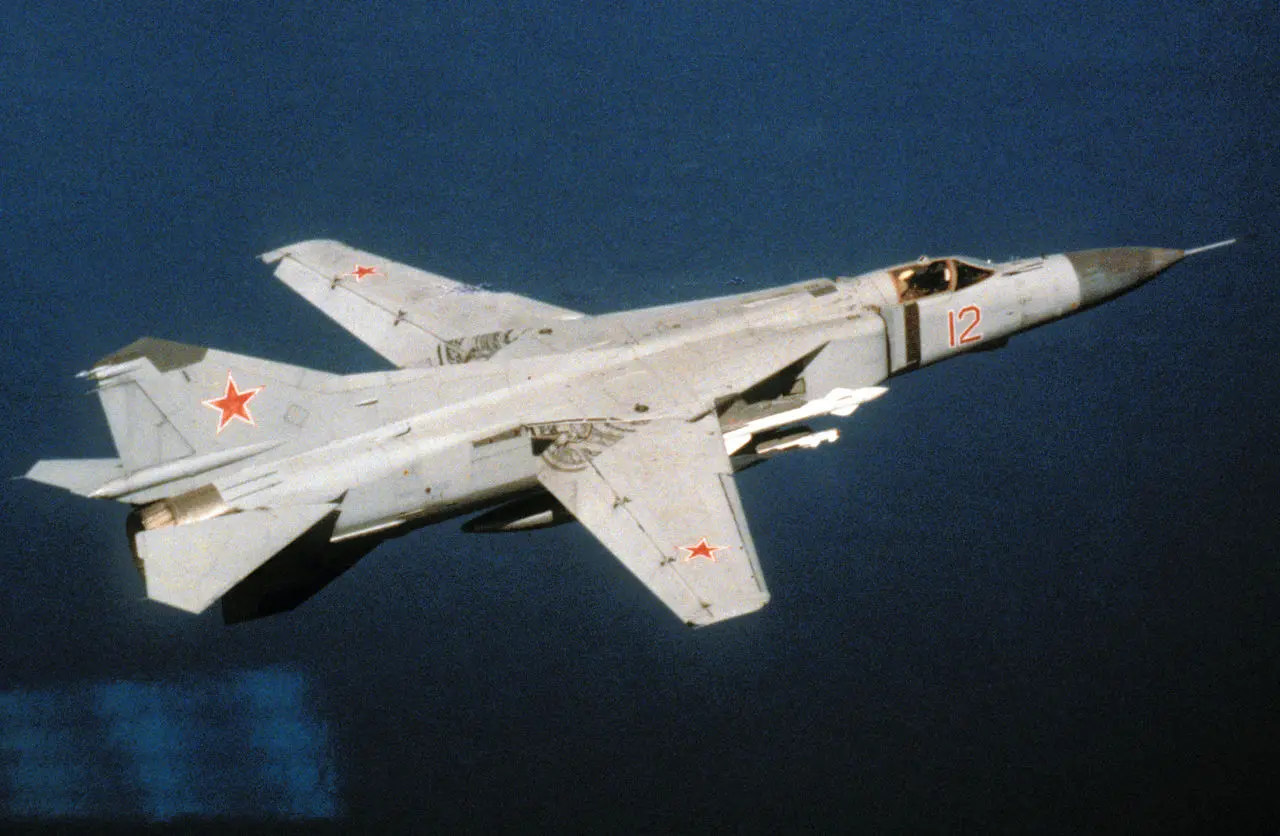
MiG‑23: the final Cold War relic
The MiG‑23 Flogger first flew in 1967 and offered a powerful radar and swing‑wing design for improved speed and range. Though largely retired, it remains in limited use by Syria and Angola. Its high‑speed intercept capability once made it a feared adversary, though it now serves mainly in defensive roles.
Enduring legacy
From the supersonic MiG‑21 to the swing‑wing Su‑22, these ageing fighters remain airborne through a blend of solid engineering and strategic necessity. Their continued service highlights how, even in an era of stealth and digital warfare, proven designs can still play a role on the modern battlefield.
)
)
)
)
)