Massive explosion at pro-Israel centre in the Netherlands, HAYI claims responsibility — Could it be linked to Iran's war with Israel?

A blast hit the Christians for Israel centre in Nijkerk, causing no injuries. Harakat Ashab al-Yamin al-Islamiya claimed responsibility, though experts doubt its existence and suspect possible Iranian links amid rising European antisemitism.
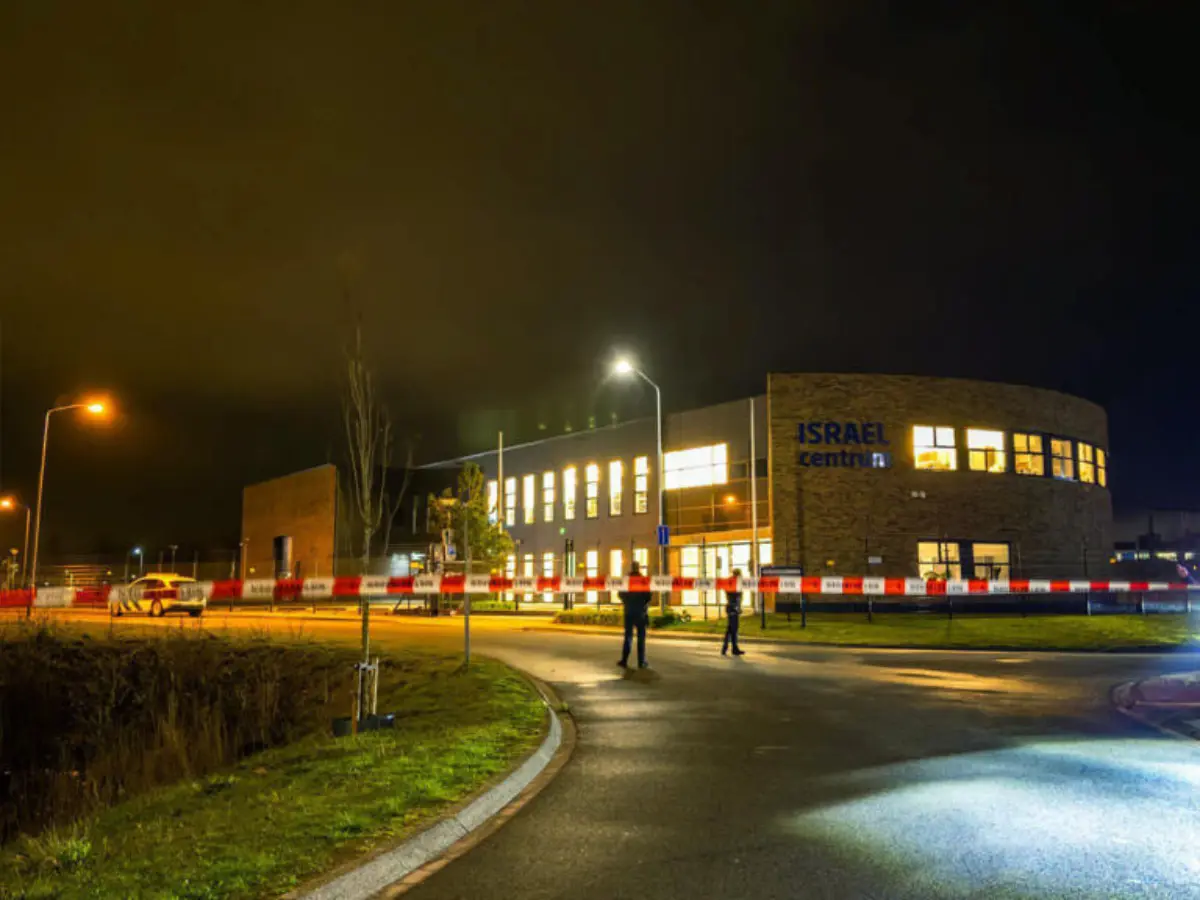
Explosion hits pro-Israel centre in the Netherlands
A blast struck a pro-Israel centre in the Netherlands' Nijkerk town, causing minimal damage and no injuries, police said. The site is operated by Christians for Israel, and no one was present when the explosion occurred outside its gate late Friday. Authorities said that a suspect dressed in black placed the explosive device. Police have launched an investigation and appealed for witnesses, adding that no arrests have been made and the motive remains unclear.
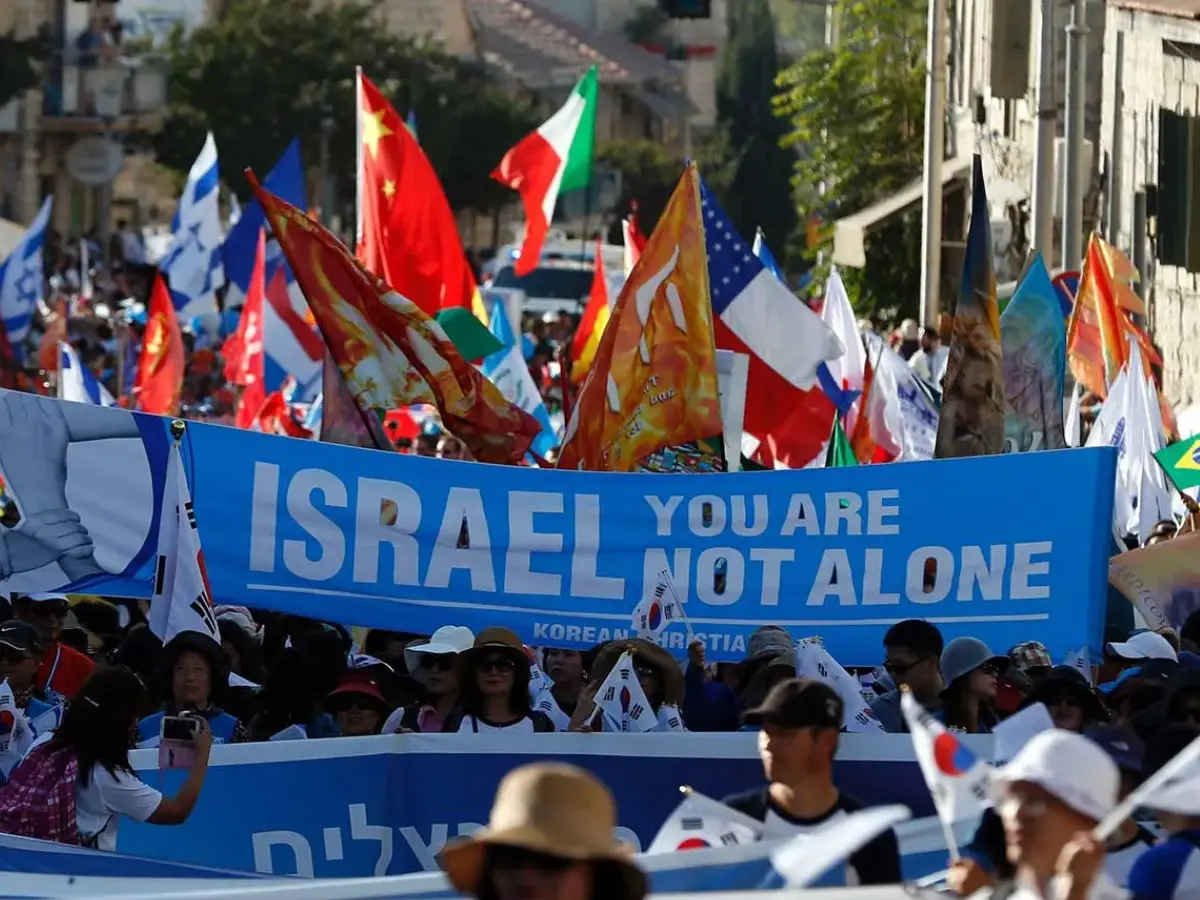
How Israeli group reacted?
Christians for Israel issued a statement and said it was “shocked,” describing the incident as part of a “worrying pattern” targeting Jewish and pro-Israeli sites across Europe. Similar incidents have taken place in the UK and Belgium amid heightened tensions between Israel and Iran since January this year. "The damage was limited, but the impact is significant," the group said in a social media post. "The fact that this took place on the eve of Easter, the most important celebration for Christians, makes it all the more poignant." Christians for Israel said that its mission is to promote "Biblical understanding in the Church and among the nations concerning God’s purposes for Israel and to promote comfort of Israel through prayer and action". Its "Israel Centre" in Nijkerk hosts exhibitions, lectures and a shop, according to the group's website.
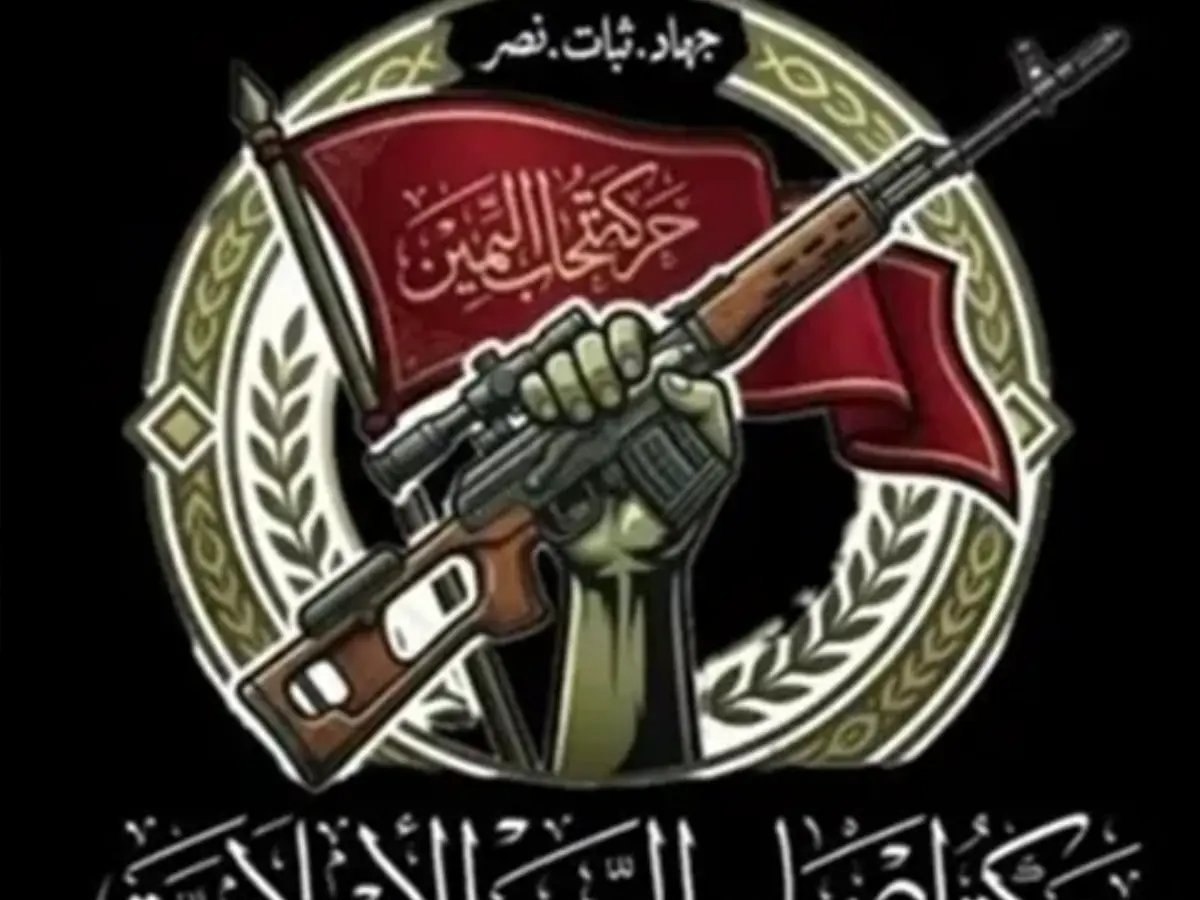
Who claimed responsibility?
A lesser-known group, Harakat Ashab al-Yamin al-Islamiya (HAYI), claimed responsibility online. Monitoring group SITE Intelligence Group reported the claim, but many have questioned the group’s existence and possible links to Iranian intelligence. The group has also claimed involvement in low-level attacks in cities like London, Antwerp, Liege, Rotterdam, and Amsterdam, raising concerns over growing antisemitism amid ongoing West Asia tensions. Unlike previous clips of attacks at other locations, the footage by Harakat Ashab al-Yamin al-Islamiya group, meaning the Islamic Movement of the People of the Right Hand, did not show the attack itself but featured online photos of the building and a threat against Israeli supporters, AFP reported quoting SITE.

Other attacks across Europe
A series of coordinated incidents targeting Jewish-linked sites has been reported across Europe. In Rotterdam on March 13, an arson attack set fire to a synagogue entrance, leading to the arrest of four teenagers, while Harakat Ashab al-Yamin al-Islamiya claimed responsibility. A day later in Amsterdam, an overnight blast damaged the country’s only Orthodox Jewish school, with footage showing suspects on a scooter placing the device, followed by a similar claim. In London on March 23, four volunteer ambulances were torched in Golders Green, with police probing possible Iranian links. The next day in Antwerp, a car was set ablaze in the Jewish quarter, where two minors were quickly arrested, and the group again issued a video claim.
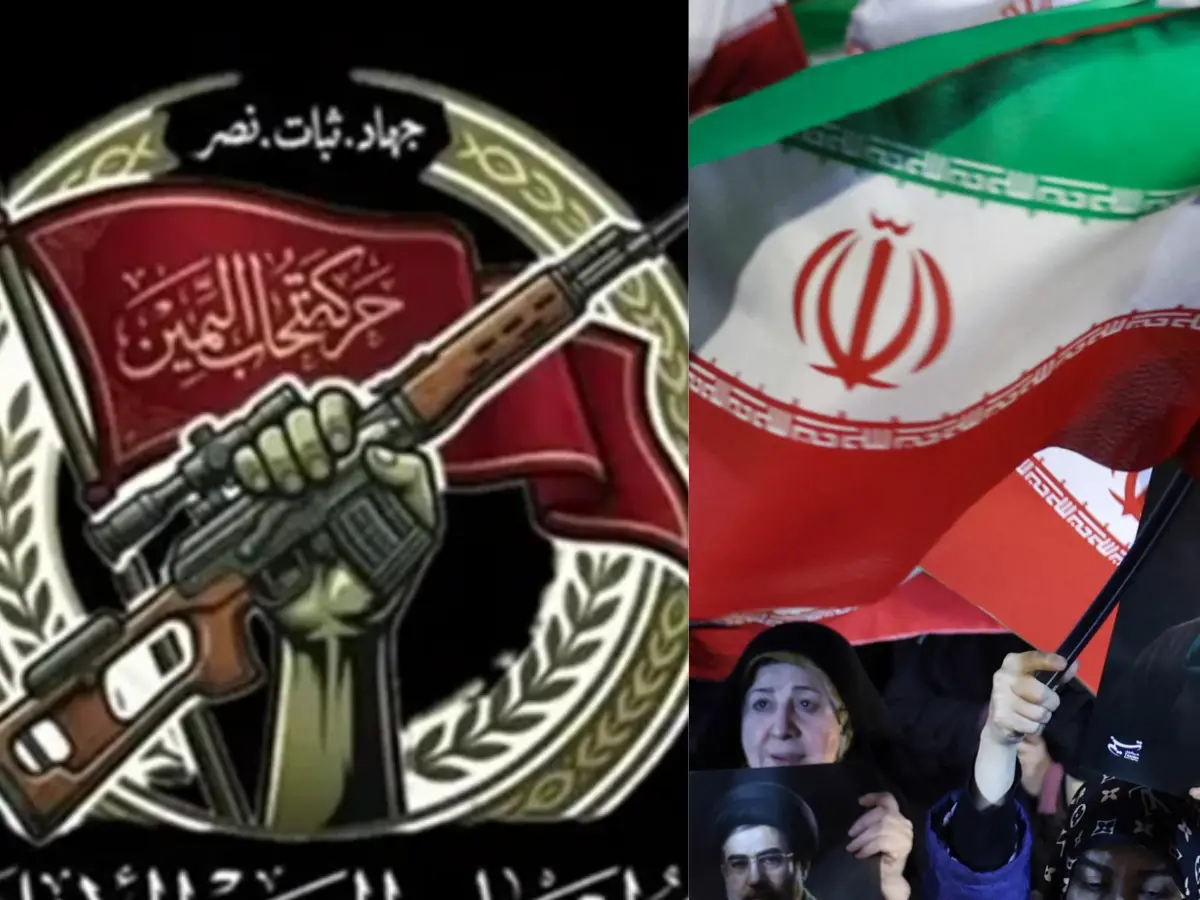
HAYI - bogus group to hide Iran's involvement?
Experts have raised doubts about the existence of Harakat Ashab al-Yamin al-Islamiya, suggesting it may be a bogus front rather than a genuine organization. The group has no verifiable history or infrastructure outside its online claims, and its rapid, coordinated claims of responsibility across multiple countries are unusual for a small, unknown organization. Analysts note that its messaging aligns closely with Iranian geopolitical interests, fueling speculation that it could be a propaganda tool to obscure Iranian involvement in attacks. Authorities have not independently verified HAYI’s operations on the ground, further questioning its legitimacy. While it publicly takes credit for arson, explosions, and other attacks, evidence indicates that HAYI may function primarily as a vehicle for intimidation and influence rather than an actual militant network.
)
)
)
)
)