Khamenei skips key military event for first time in 37 years: Is US strike looming over Iran?

Iran’s Supreme Leader Ayatollah Ali Khamenei skipped a key military event for the first time in 37 years, fuelling security speculation amid US pressure. As Trump ramps up military and economic threats, Washington and Tehran cautiously return to nuclear talks despite deep mistrust.
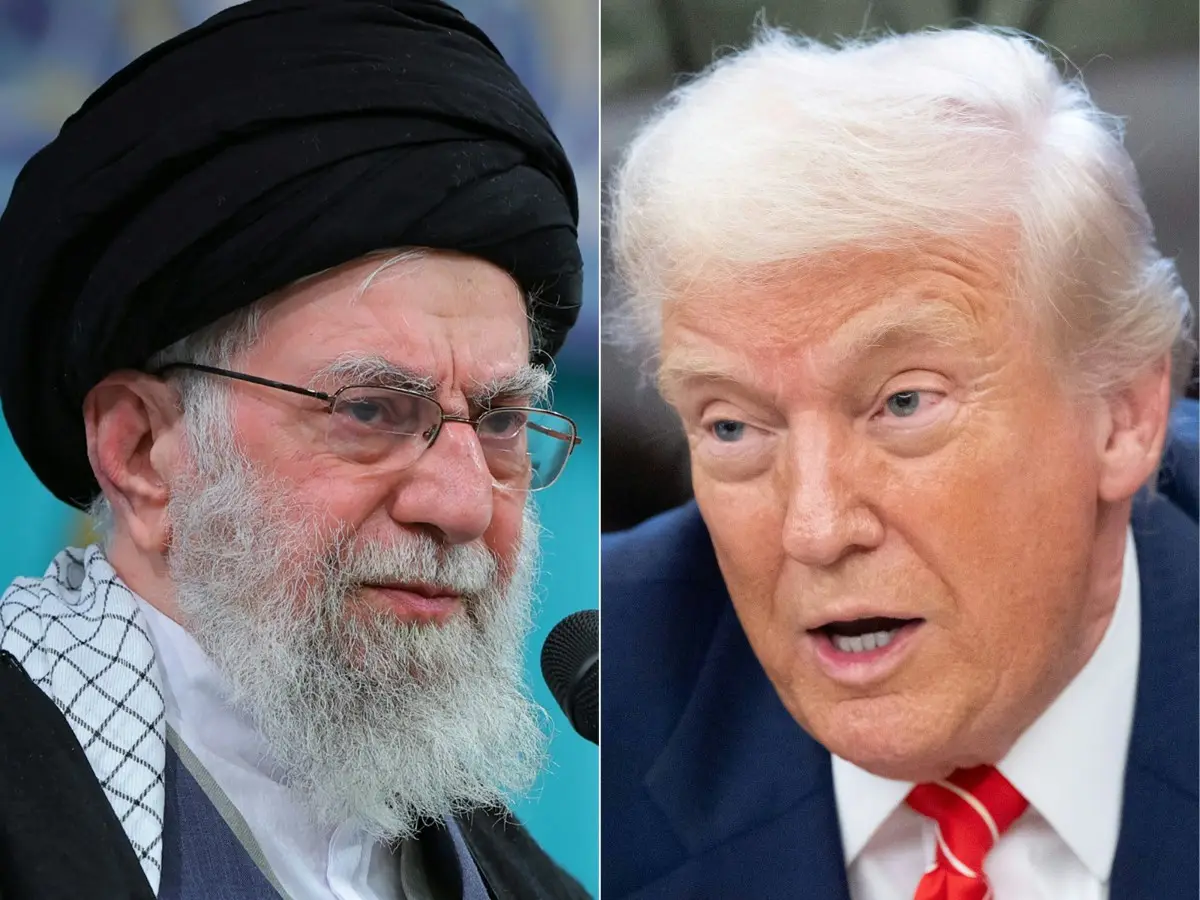
Khamenei skips annual event first time in 37 years: Is it fear of US strike?
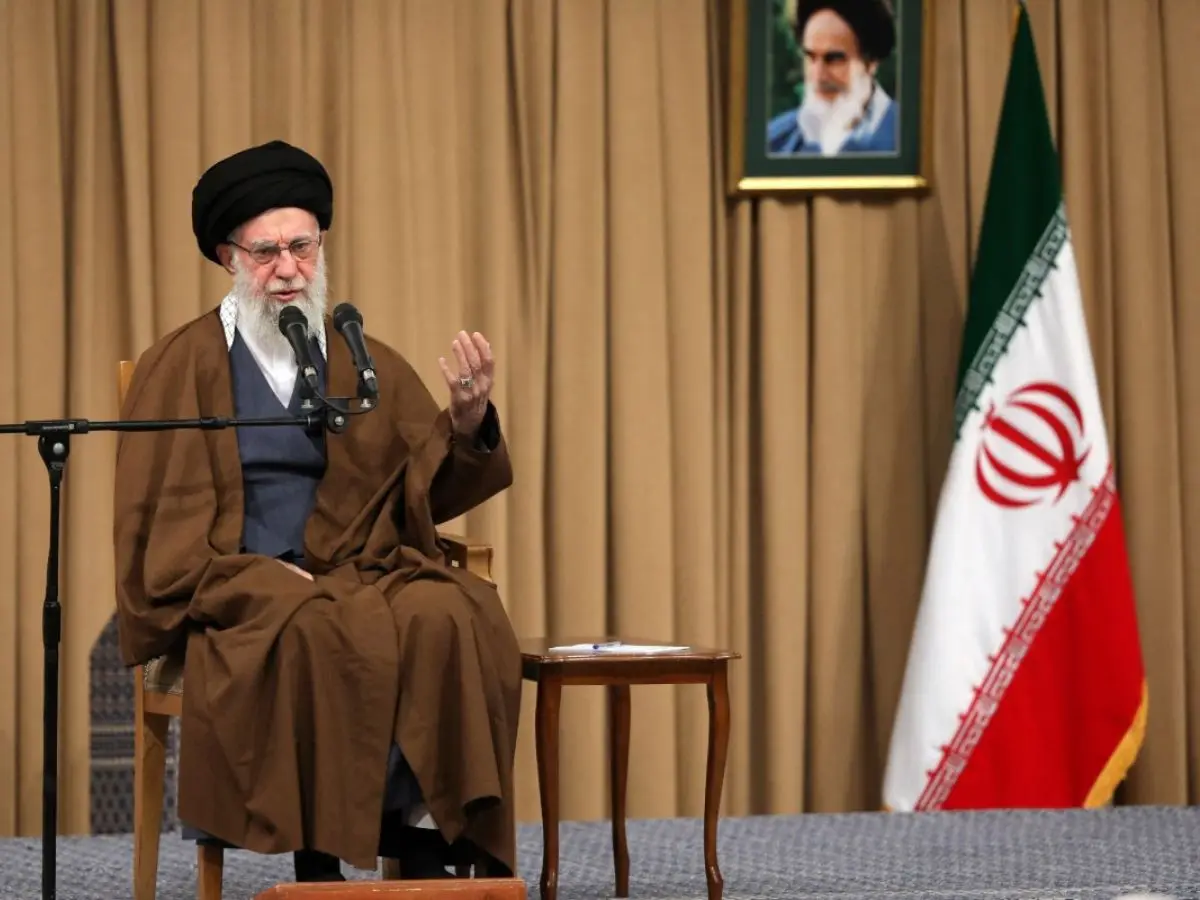
Iran’s Supreme Leader Ayatollah Ali Khamenei skipped the annual meeting with army air force commanders for the first time in 37 years on Sunday (Feb 8). The chief of staff of the armed forces Abdolrahim Mousavi attended the meeting. The annual meeting marks the anniversary of February 8, 1979, when a group of air force officers pledged allegiance to Ruhollah Khomeini, founder of the Islamic Republic and Khamenei’s predecessor as Supreme Leader. Khamenei has attended the event every year on this day since becoming Supreme Leader in 1989. He did not break the tradition even during the COVID-19 pandemic.
What Iran fears
Iran fears June 2025 like attack. On June 19, 2025, Trump had told reporters he would decide whether to strike "within the next two weeks". However, on June 21, Operation Midnight Hammer was launched under his order in which the USAir Force and Navy struck three key Iranian nuclear facilities: Fordow, Natanz, and Isfahan. Reports suggest that Khamenei might be keeping a distance from such large event amid security concerns. It is also being reported that Khamenei has moved to a fortified underground bunker in Tehran despite US envoys ruling out such possibilities.
Trump's pressure tactics
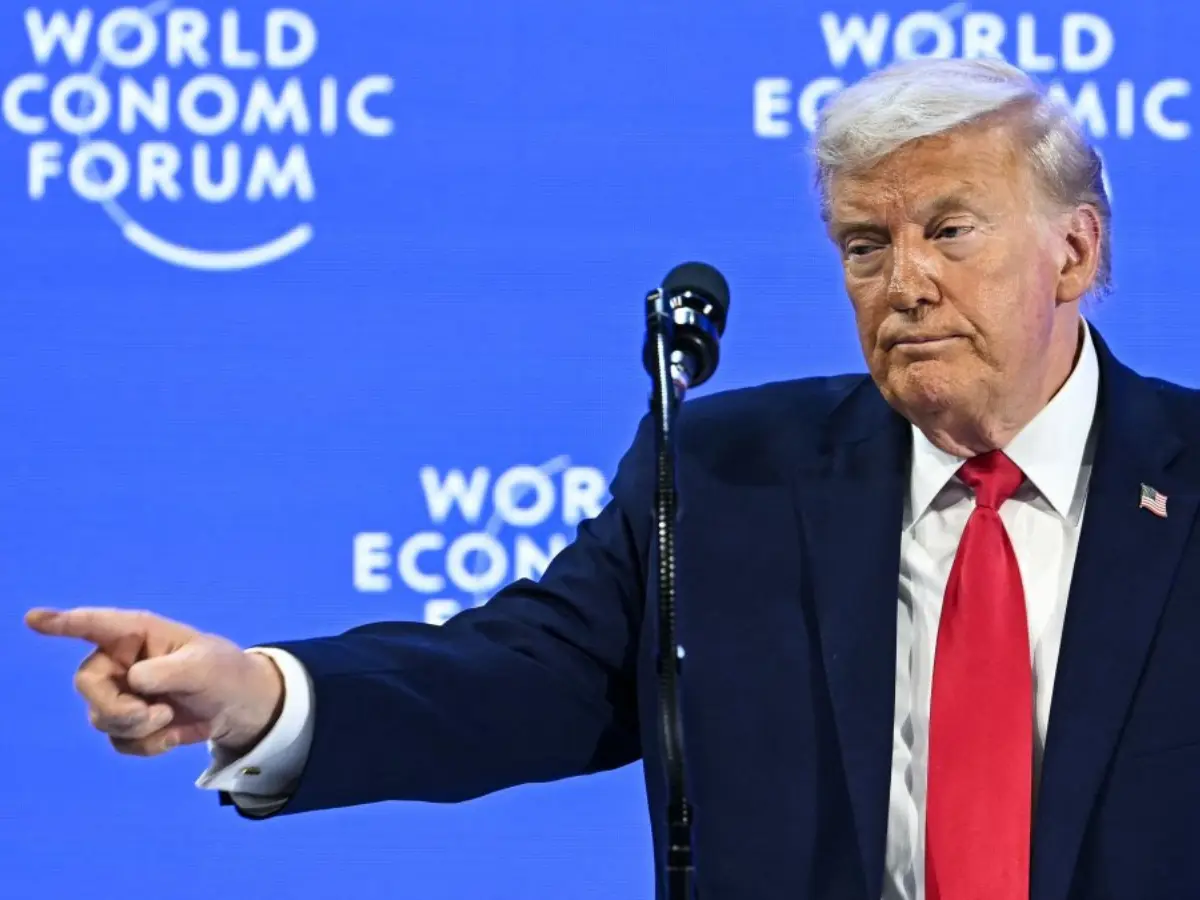
US continues to build pressure on Tehran amid massive military buildup. On Feb 7, US envoys Steve Witkoff along with Jared Kushner and Brad Cooper, the commander of US Central Command (CENTCOM), visited the USS Abraham Lincoln in the Arabian Sea. Trump has warned that of steep consequences if Iran does not negotiate with the US. In a February 5 interview, Trump stated that Supreme Leader Ayatollah Ali Khamenei should be "very worried." Moreover, he has signed an executive order calling for the “imposition of tariffs” on countries still doing business with Iran despite US sanctions.
How are both sides back on nuclear talks table
What started as talks of regime change and support for pro-democracy movement quickly transformed into pressure tactics for nuclear deal with Trump saying that Iran must ensure no nuclear weapon and no enrichment in order to strike a deal with Washington. Amid Trump's threat and military buildup in the region including naval and air presence, Iran also agreed for talks while clearly stating that it won't give up on uranium enrichment.
Iranian drone incident
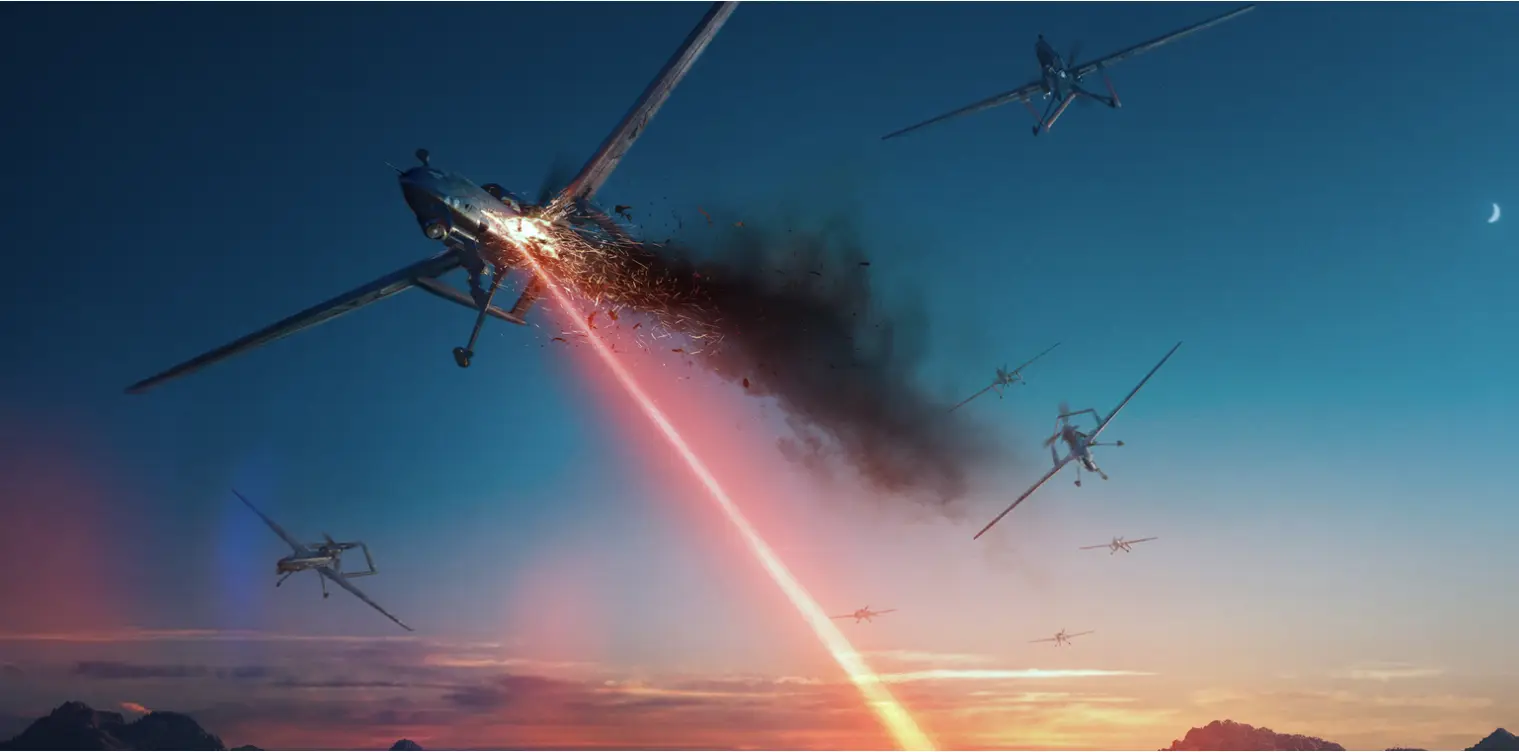
On February 3, 2026, a U.S. Navy F-35C shot down an Iranian Shahed-139 drone that was "aggressively approaching" an aircraft carrier. Despite the incident, the White House confirmed that the scheduled talks will go on. There is no fixed date for next rounds of negotiation yet
What we know about the talks
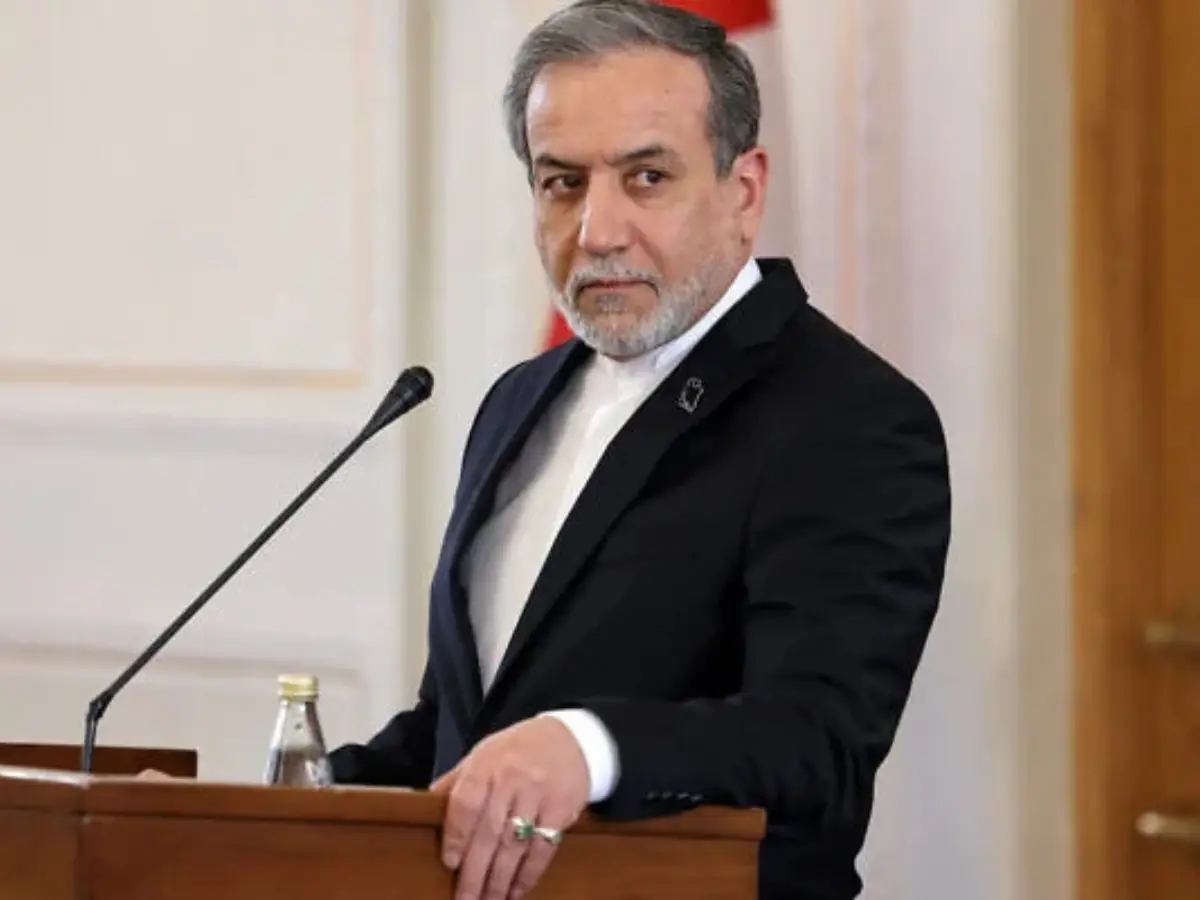
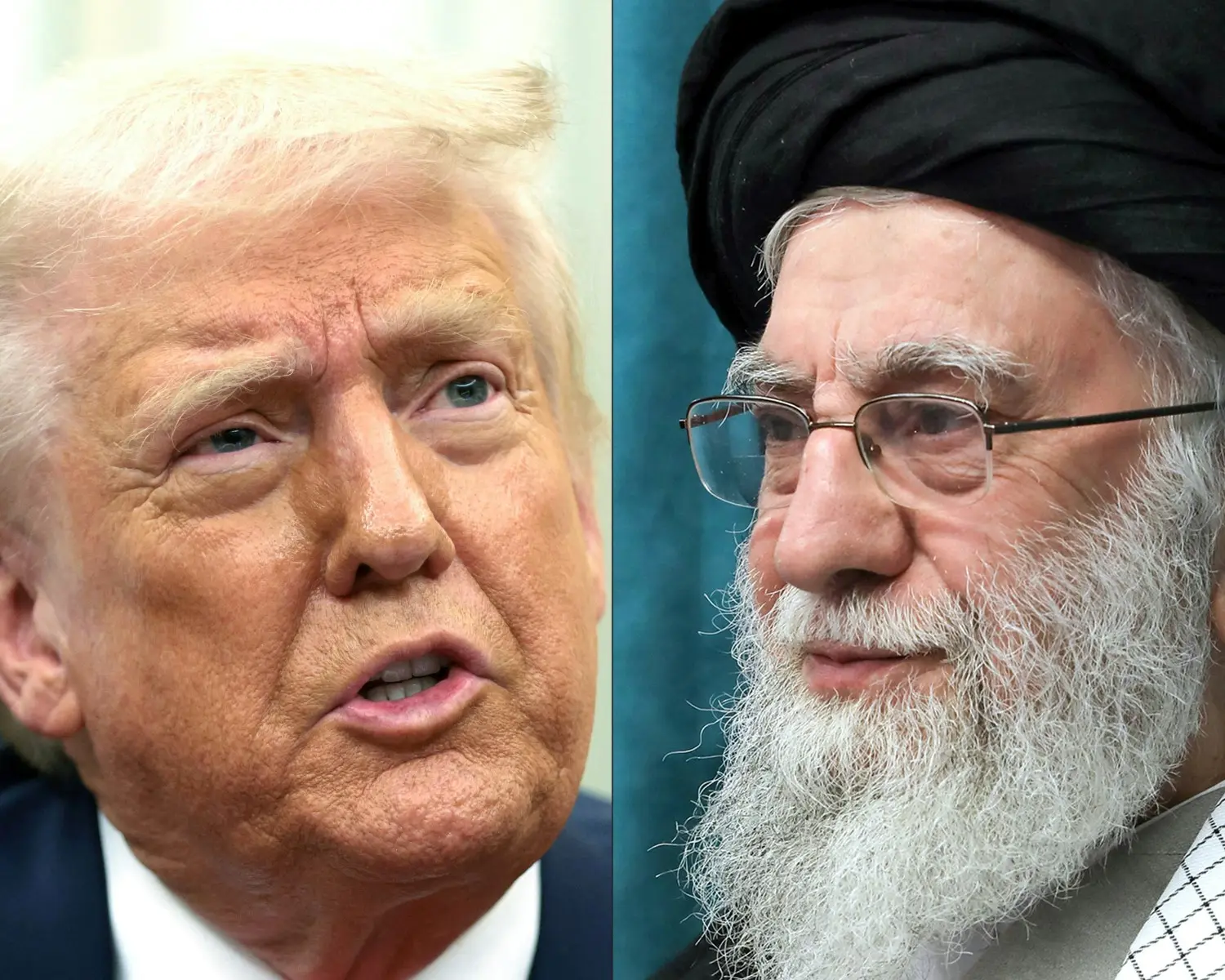
First round of talks took place in Muscat, Oman on February 6, with Iran describing it as a "good start." However, February 7, 2026.Iranian Foreign Minister Abbas Araghchi on Sunday (Feb 8) said that Tehran had little trust in Washington, and even doubted that the US side was taking renewed negotiations seriously. “Why do we insist so much on enrichment and refuse to give it up, even if a war is imposed on us? Because no one has the right to dictate our behavior,” Araghchi declared.
)
)
)
)
)