'Just one mutation away': COVID-19-like virus in China could spark outbreak, says study

Edited By Subhadra Srivastava
Published: Jun 06, 2025, 15:45 IST | Updated: Jun 07, 2025, 03:44 IST
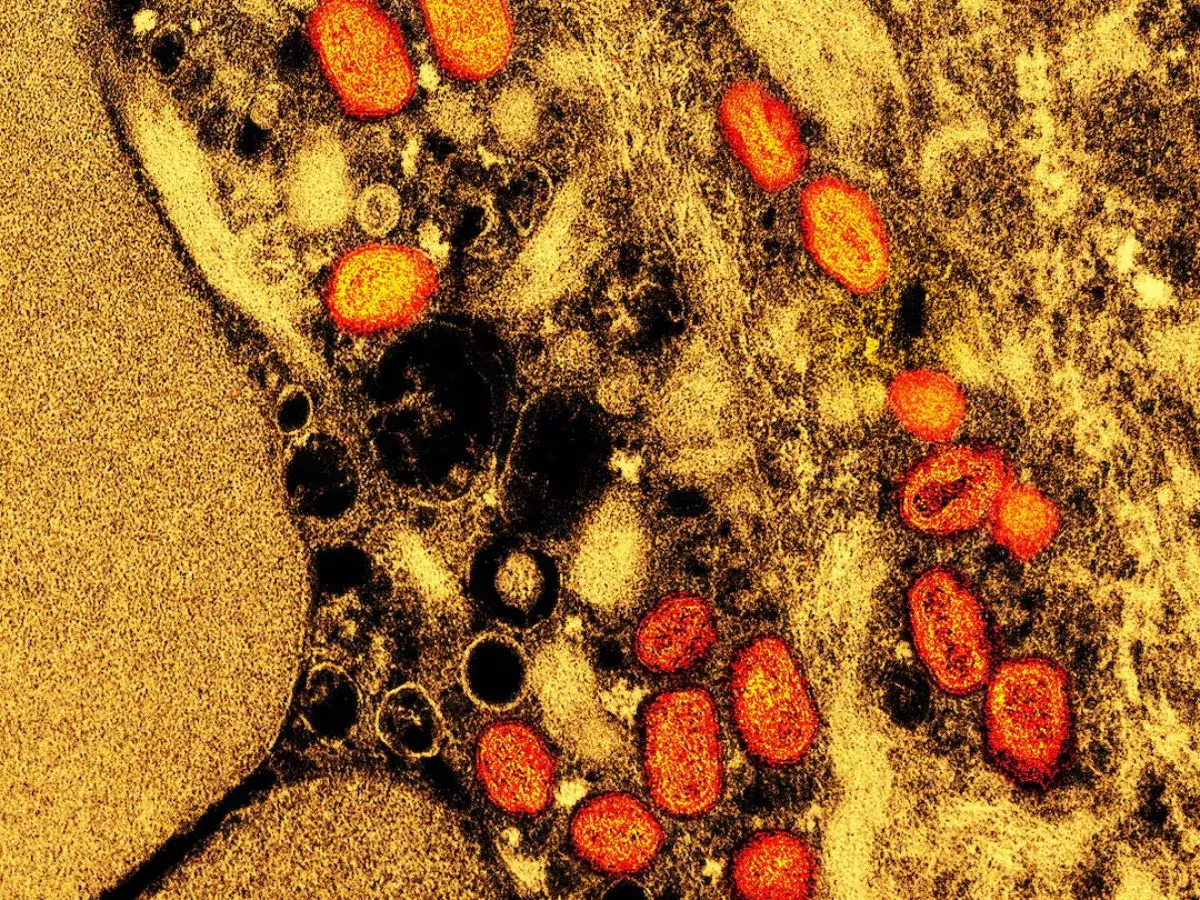
One of the key findings of this team revealed that just one small mutation in its spike protein, the HKU5-CoV-2 being potentially bind to human ACE2 receptors, the same receptors targeted by SARS-CoV-2.
1 / 6
(Photograph: Reuters / Representational image)
A New Threat on the Horizon
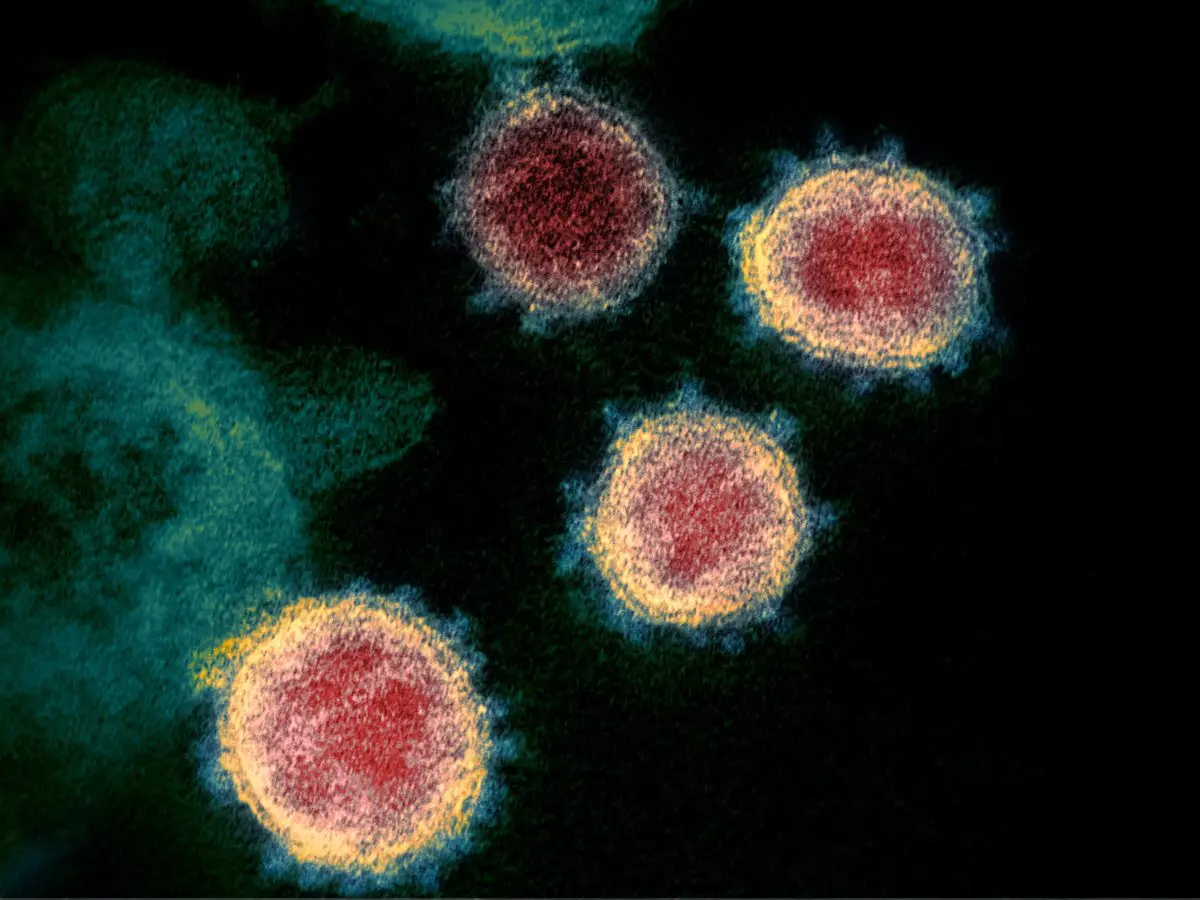
A dangerous bat coronavirus, recently identified in China may be only a single mutation away from becoming capable of infecting humans lethally, scientists have warned. Known as HKU5-CoV-2, the virus is part of a larger group of pathogens called merbecoviruses, which includes the deadly Middle East Respiratory Syndrome Coronavirus (MERS-CoV), known to affect those who live in or travel to the Arabian peninsula. This research has sent alarm bells ringing as it says that the new virus closely resembles MERS, raising concerns over its pandemic potential.

2 / 6
(Photograph: Pexels)
The Science Behind the Risk
The study was conducted by a team of researchers from Washington State University, the California Institute of Technology, and the University of North Carolina and it was published in Nature Communications. One of the key findings of this team revealed that just one small mutation in its spike protein, the HKU5-CoV-2 being potentially bind to human ACE2 receptors—the same receptors targeted by SARS-CoV-2. These receptors are normally located in human respiratory tract, making them a key entry point for respiratory viruses.
3 / 6
(Photograph: Reuters)
From Bats to Humans?
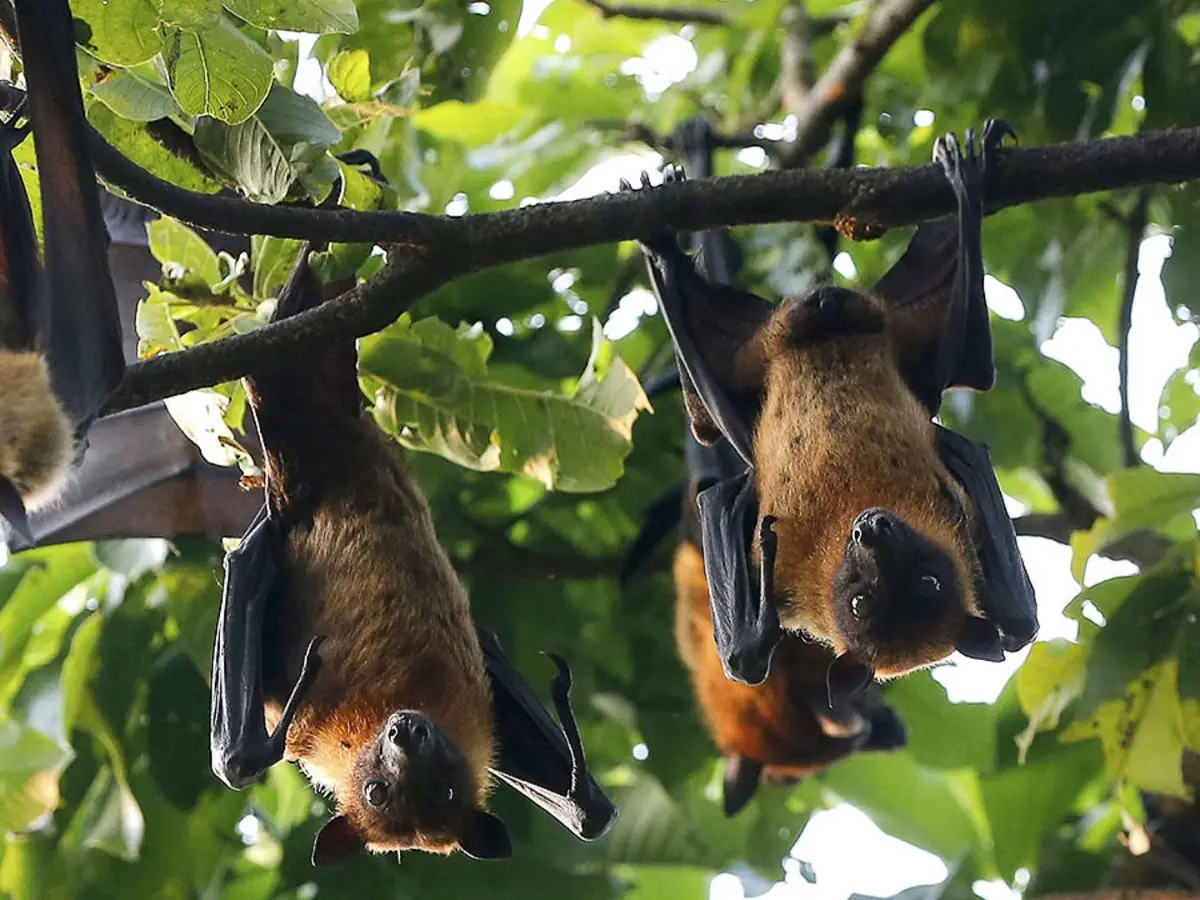
HKU5 viruses originate in bats, specifically from the Japanese house bat (Pipistrellus abramus), but the recent findings have revealed that one variant has already infected minks in China. This sudden and unpredictable jump to an intermediate species is seen as a warning sign. Scientists caution that such spillovers increase the chances of human infection, particularly in such places where wildlife and humans interact closely.
4 / 6
(Photograph: Reuters / Representational image)
How the Virus Was Tested
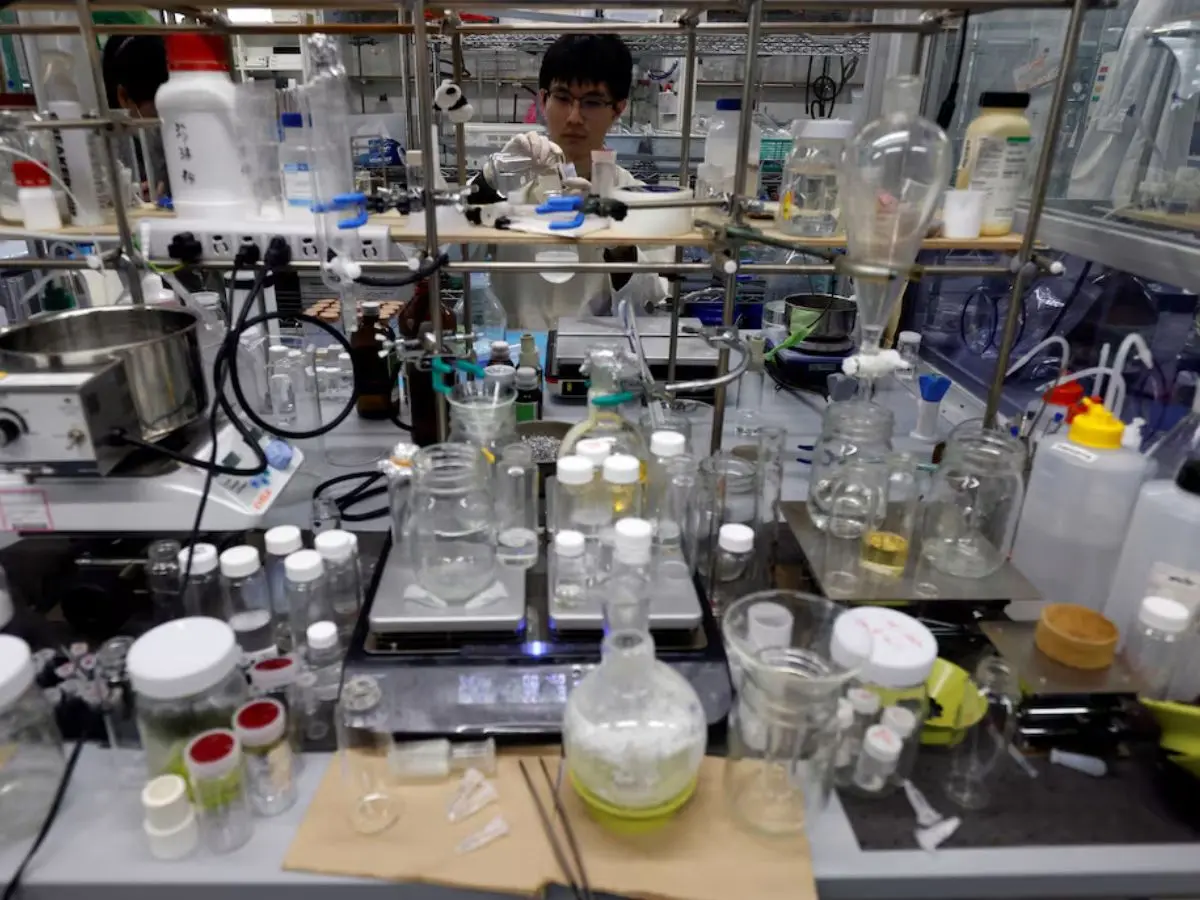
The researchers created engineered pseudo-viruses, to assess and study the virus’s potential threat. The pseudo-virus carried only the receptor-binding domain of the HKU5 spike protein. They tested these viruses on a range of cells, including the cells of human and bats. The results hinted that these virus lacked the efficiency to bind to human cells without mutation, but just a slight alterations significantly improved its ability to do so.
5 / 6
(Photograph: Wikipedia / Representational image)
AI Accelerates Threat Detection
Advanced AI tools played a significant role in the research. Victoria Jefferson, a PhD researcher at Washington State University, used AlphaFold3 to model the interactions between the virus’s spike protein and human ACE2 receptors. The technology dramatically sped up the analysis, hence confirming that minor mutations could enable human infection.

6 / 6
(Photograph: Reuters)
Why Scientists Are Worried
Although the situation doesn't seem frightening since HKU5-CoV-2 has not yet infected humans, its close similarity to MERS-CoV paired up with the ability to infect animal hosts raise significant concerns. Virologist Dr Michael Letko, who co-led the study, said, “There’s no proof they’ve infected people yet, but they could, and that’s why we need to keep an eye on them.”
)
)
)
)
)