Jobs up, poverty down: What Economic Survey 2026 tells about India’s workforce, labour market and gig workers

The Economic Survey 2025–26, tabled in Parliamen, highlights the implementation of Labour Codes as a major step to simplify compliance, improve labour market flexibility and extend social security while safeguarding wages and safety.

Economic Survey 2025-26 tabled
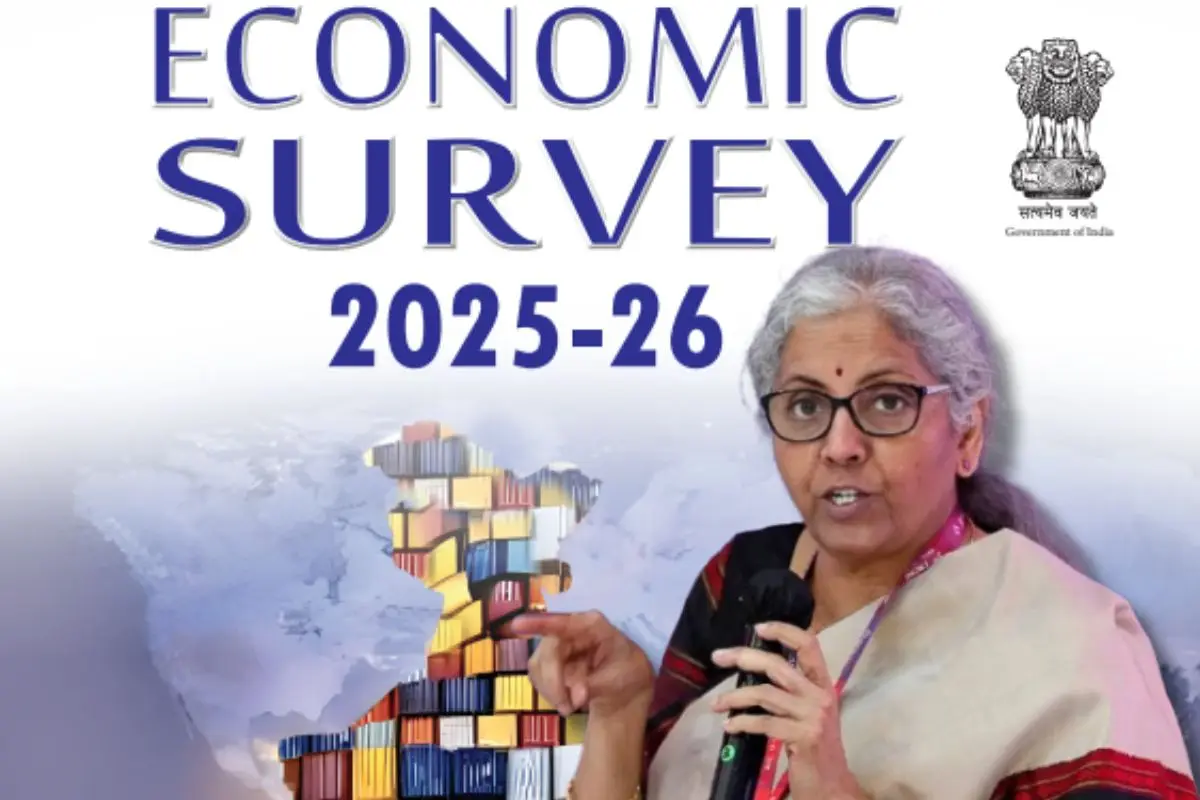
According to the Economic Survey 2025-26 tabled in Parliament by Finance Minister Nirmala Sitharaman on Thursday (Jan 29), India has recorded major progress in the labour market, supported by regulatory reforms, expanded social protection, and targeted skill development initiatives. It also highlighted that the recognition of gig and platform workers represents a step towards formalising non-traditional forms of employment. The survey revealed that welfare schemes, economic reforms, and expanded access to essential services have contributed to a reduction in poverty levels. These measures have also improved job quality.
Reduction in poverty levels
The Survey said, "Social sector initiatives, supported by targeted welfare schemes, economic reforms, and expanded access to essential services, have contributed to a reduction in poverty levels." It noted that in June 2025, the World Bank revised the international poverty line from USD 2.15 to USD 3.00 per day (PPP, 2021 prices). Based on the revised poverty benchmark, India's poverty rate in 2022-23 is estimated at 5.3 per cent for extreme poverty and 23.9 per cent for lower-middle-income poverty, though these estimates are not directly comparable with earlier poverty lines.

Labour Market Reforms
The survey credits the government for its regulatory reforms, expanded social protection, and skill development initiatives for improving employment conditions. "The union government's landmark step of notifying the implementation of the Labour Codes marks a significant reform in the regulatory framework. The consolidation of 29 central laws into four Labour Codes aims to simplify compliance, enhance labour market flexibility, and extend security to a broader section of the workforce, while maintaining safeguards for wages, occupational safety, and social security," said the economic survey.

Formalisation of Work
The Economic Survey states that the recognition of the gig and platform workers, with provisions to enable their registration and inclusion within social security schemes, marks a step towards formalising non-traditional forms of employment. "Complementing these reforms, government-led skilling initiatives have focused on enhancing employability through industry-aligned training," it notes.

Human Development
The survey also points to steady improvements in key health and education indicators, such as life expectancy, infant mortality rate (IMR), and the gross enrolment ratio (GER), reflecting gains in overall well-being and human capital formation.
)
)
)
)
)