Japan working on silent supersonic jet designs using shockwave management technology

Shockwave management involves reshaping the aircraft body, controlling airflow, and using aerodynamic “boom shaping” techniques to spread pressure waves over a wider area. This reduces the intensity of the sonic boom at ground level without compromising speed or manoeuvrability.
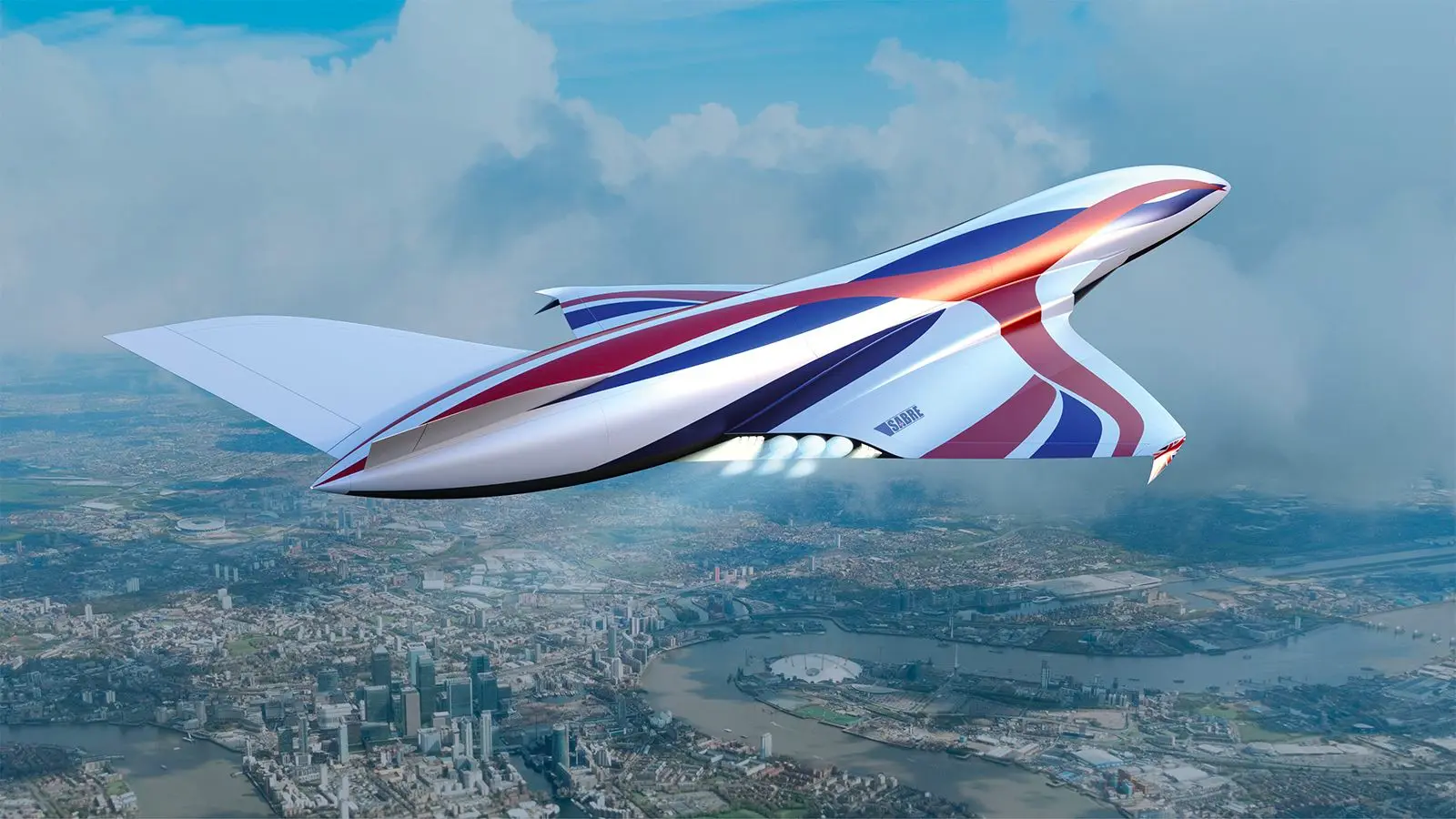
1. The challenge of supersonic flight1. The challenge of supersonic flight
Flying faster than the speed of sound produces a sonic boom, a sudden pressure wave that can be heard miles away and can cause structural damage. Japan’s aerospace research teams are developing silent supersonic jets that aim to reduce or redirect these shockwaves, making high-speed flight quieter and more practical over populated areas.
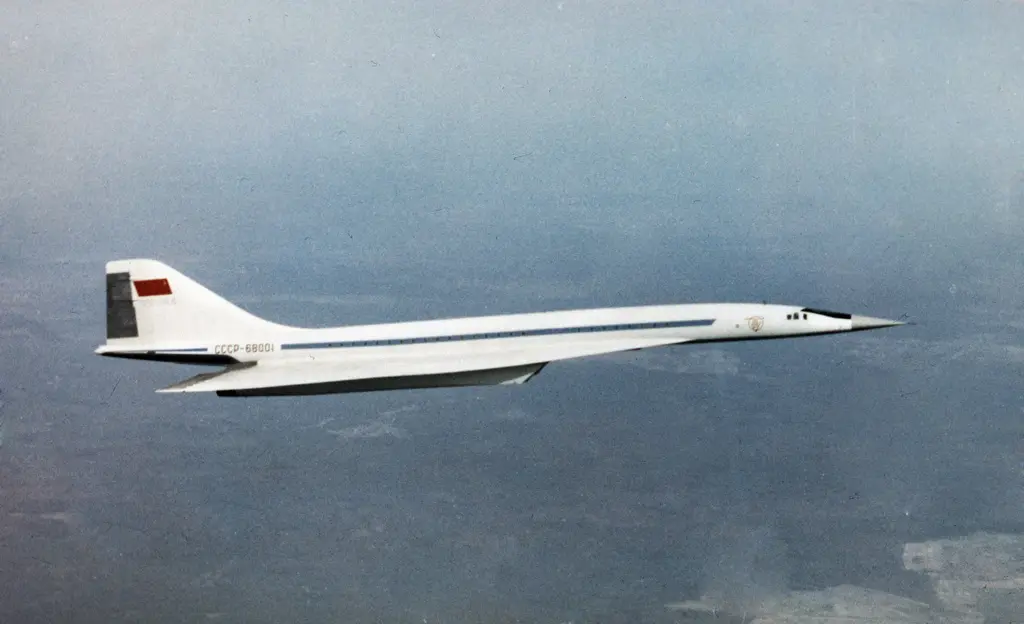
2. Shockwave management explained
Shockwave management involves reshaping the aircraft body, controlling airflow, and using aerodynamic “boom shaping” techniques to spread pressure waves over a wider area. This reduces the intensity of the sonic boom at ground level without compromising speed or manoeuvrability.

3. Current experimental aircraft programs
Japan’s Japan Aerospace Exploration Agency (JAXA) has been testing experimental supersonic aircraft models in wind tunnels. The studies focus on nose shaping, fuselage contouring, and engine intake design to minimise noise, drawing on research similar to NASA’s X-59 QueSST low-boom demonstrator.
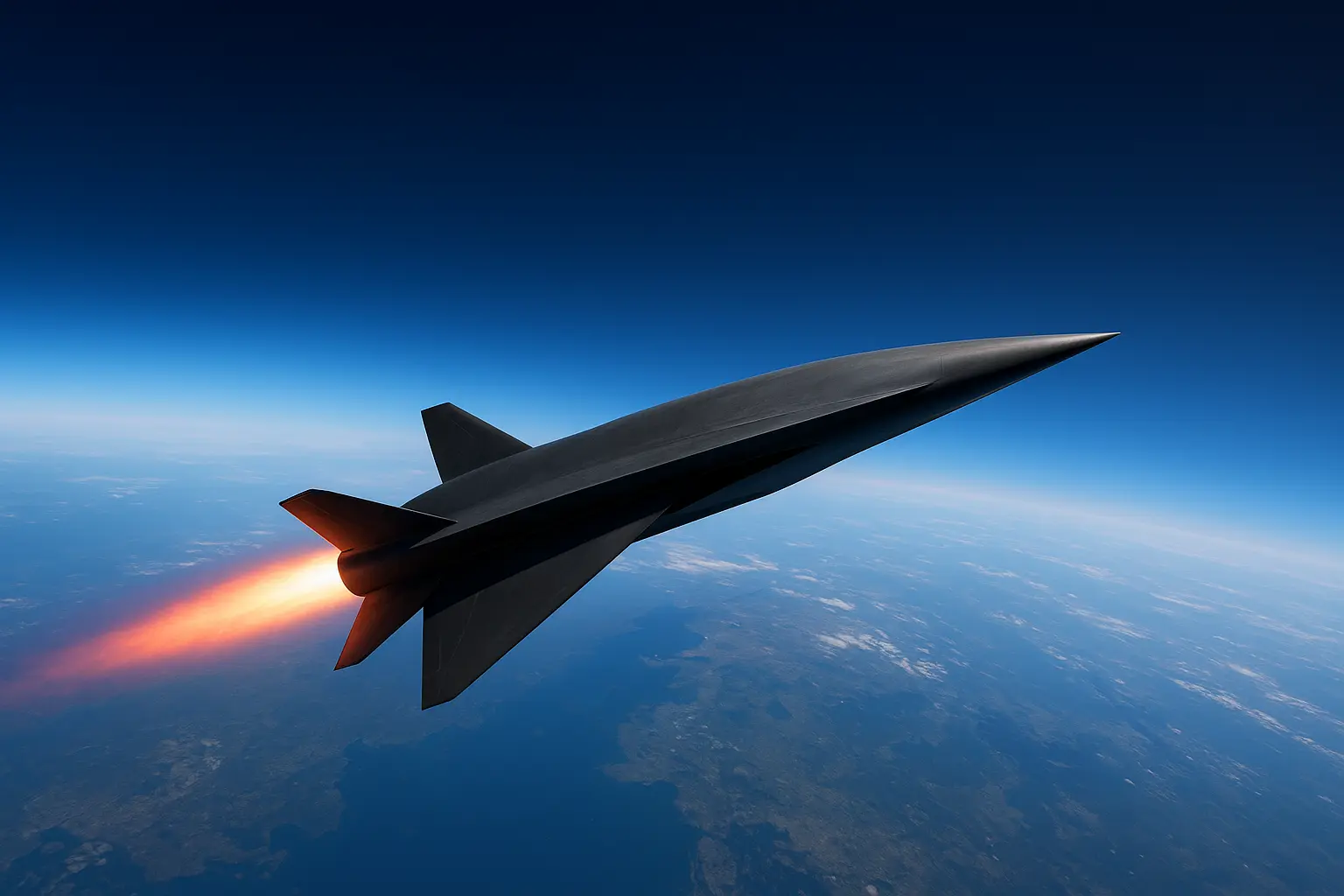
4. Benefits for military operations
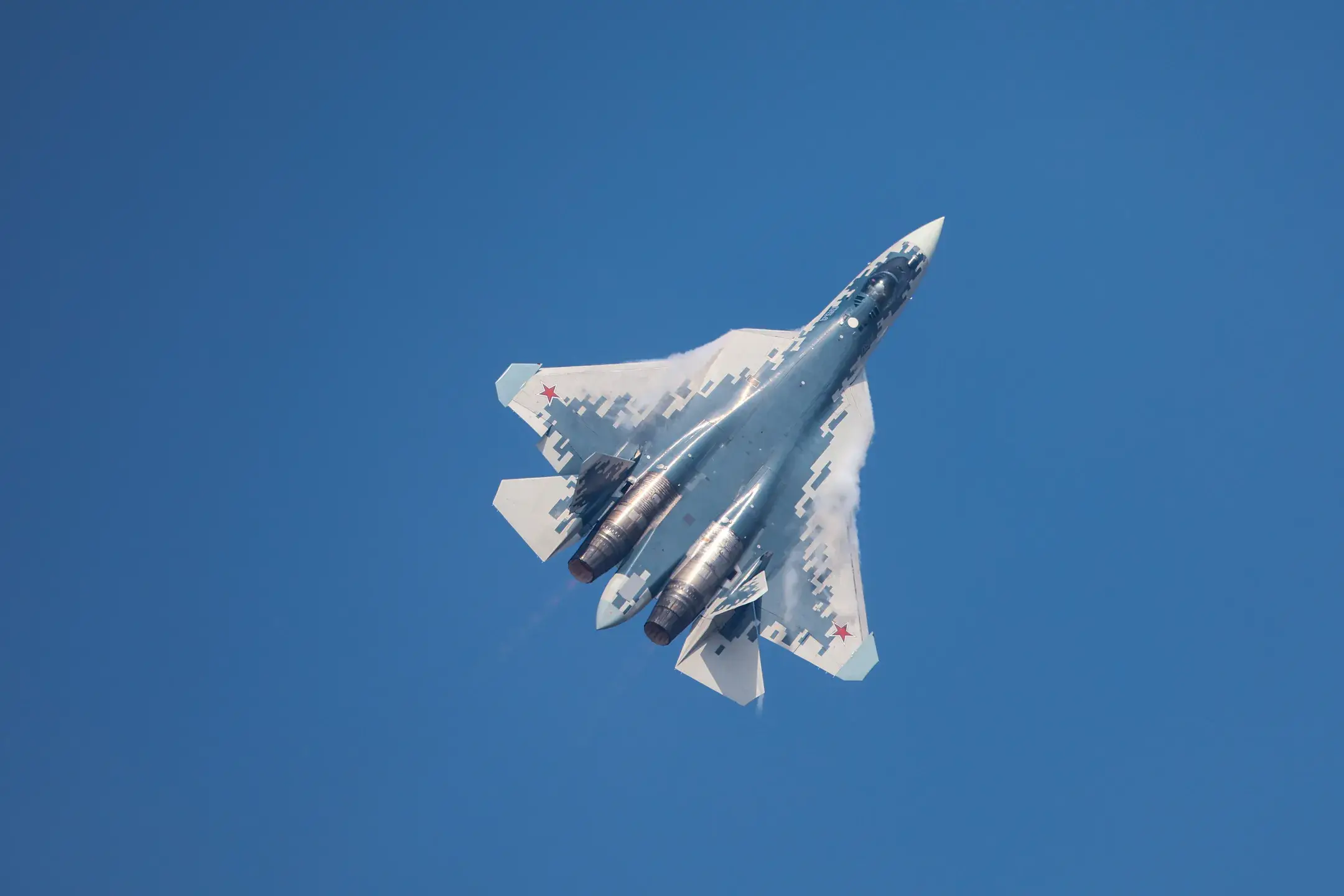
Silent supersonic jets could allow military aircraft to strike or reconnoitre at high speeds without immediately alerting enemies. Reduced sonic signatures improve stealth and operational flexibility, particularly in regions where detection by both radar and sound is a concern.
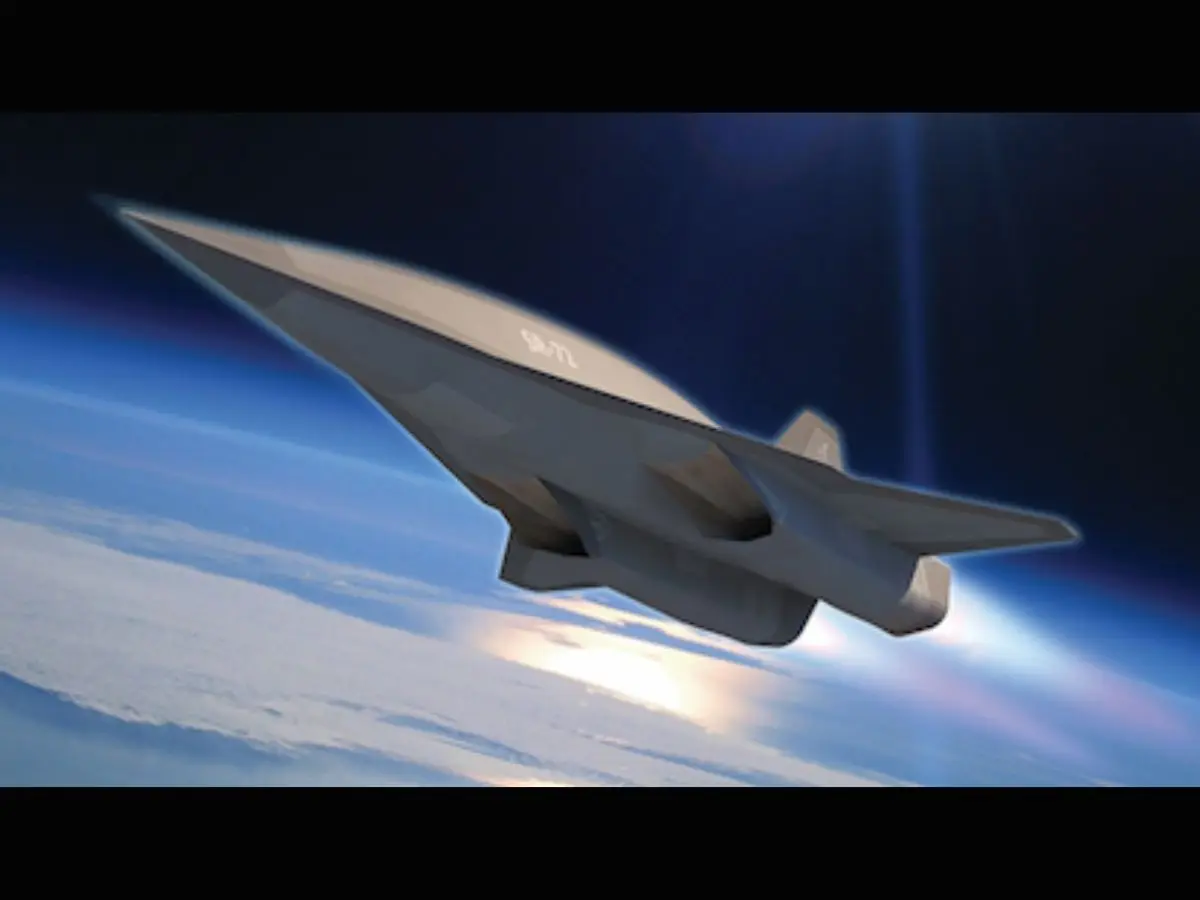
5. Challenges in engineering and materials
Maintaining supersonic speeds while reducing shockwaves requires lightweight, heat-resistant materials and precise aerodynamic control. Jet engines must operate efficiently at Mach 1+ speeds while limiting exhaust noise, a balance that pushes current aerospace engineering limits.
6. Potential civilian applications
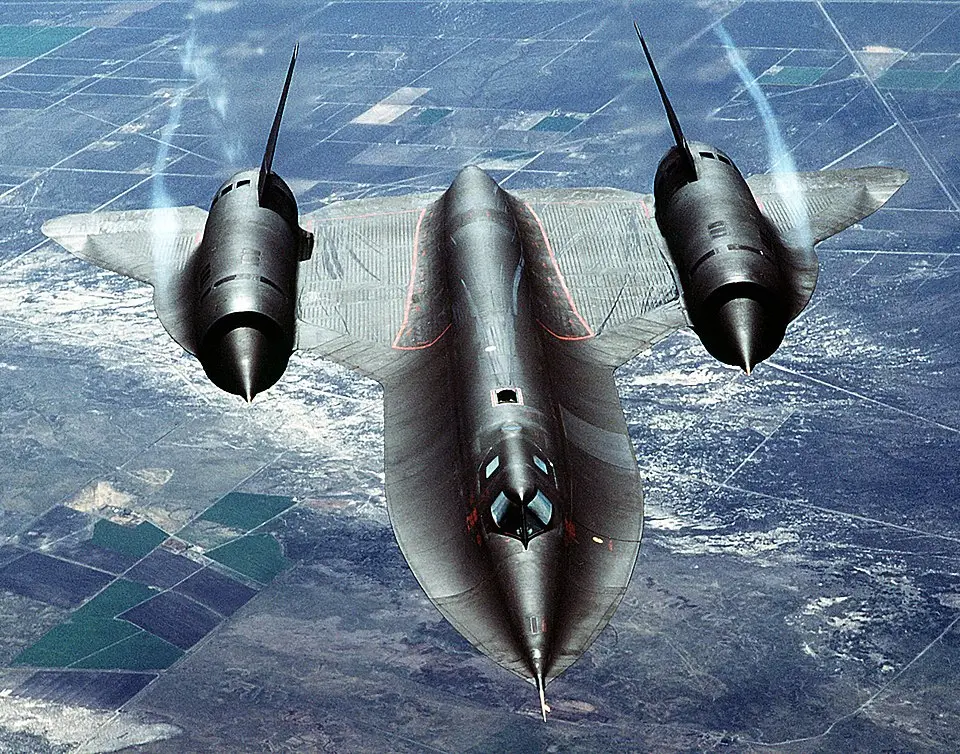
Beyond defence, these technologies could pave the way for quiet supersonic commercial travel. Airlines may one day operate jets that travel at Mach 2–3 without disturbing communities below, potentially reviving supersonic passenger transport in a more environmentally and socially acceptable way.
7. Looking ahead to the next decade
Experts predict that Japan could field operational low-boom supersonic jets within the 2030s. The combination of shockwave management, advanced aerodynamics, and next-generation engines could make “silent” supersonic flight a reality, transforming both military and civilian aviation.
)
)
)
)
)