James Webb Telescope vs Hubble Space Telescope: Which one is a real game-changer?

How much better is the James Webb Telescope compared to Hubble? Know the surprising differences that could change our view of the universe forever. See what Webb reveals beyond Hubble.
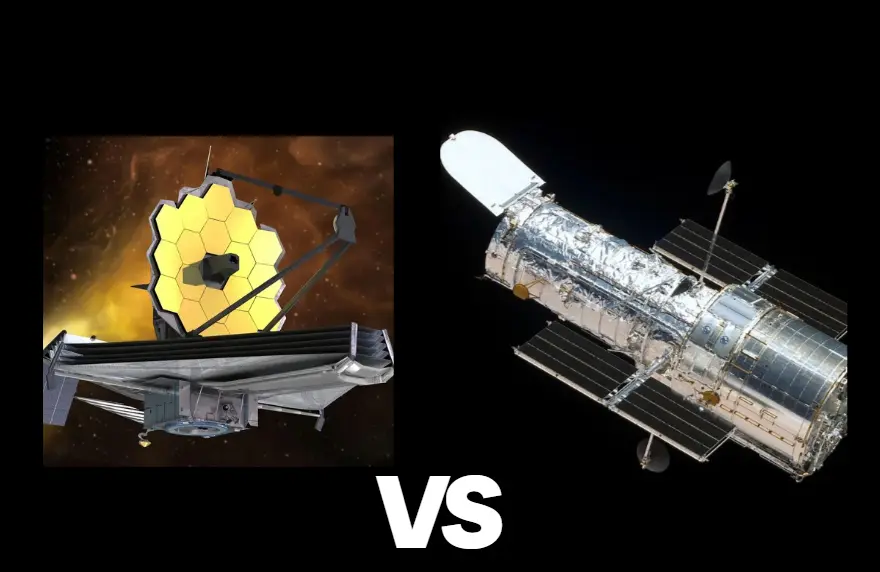
Bigger Mirror for Deeper Views
JWST has a mirror 6.5 metres wide, over two and a half times bigger than Hubble’s 2.4-metre mirror. This larger size allows JWST to collect more light and see very faint and distant objects in the universe.
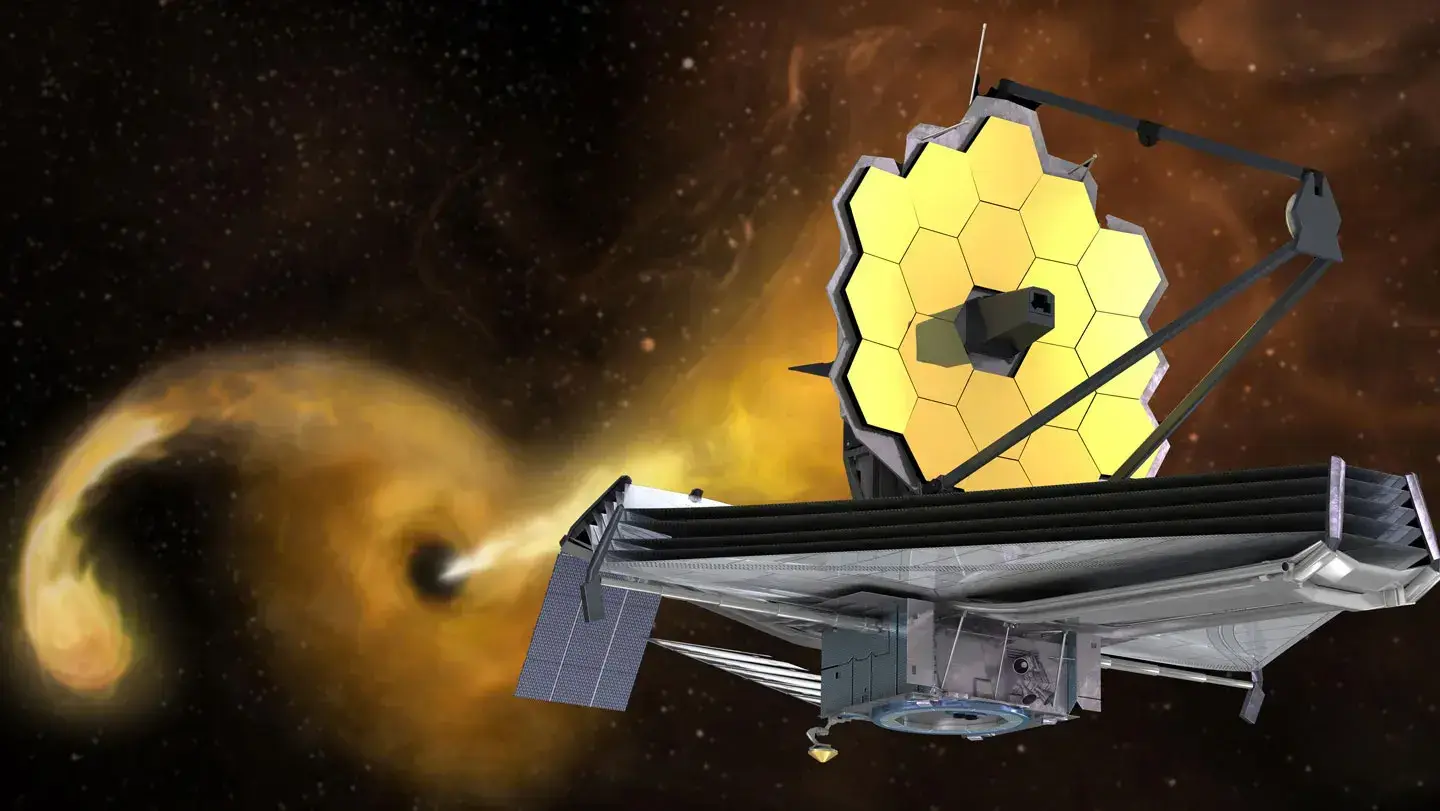
Focus on Infrared Light
Unlike Hubble, which mainly observes visible and ultraviolet light, JWST is designed to see infrared light. This lets it peer through cosmic dust clouds and view objects hidden from Hubble, like newborn stars and distant galaxies.
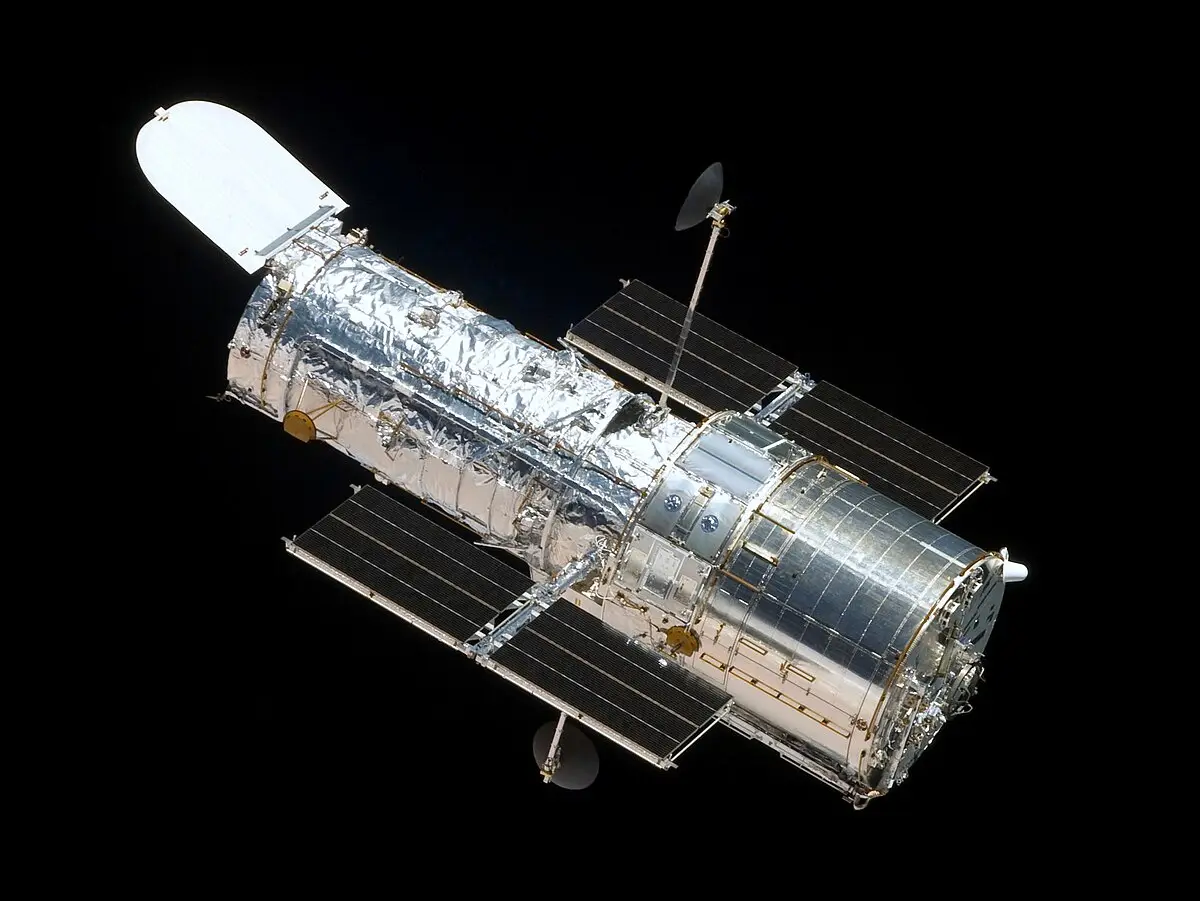
Positioned Farther from Earth
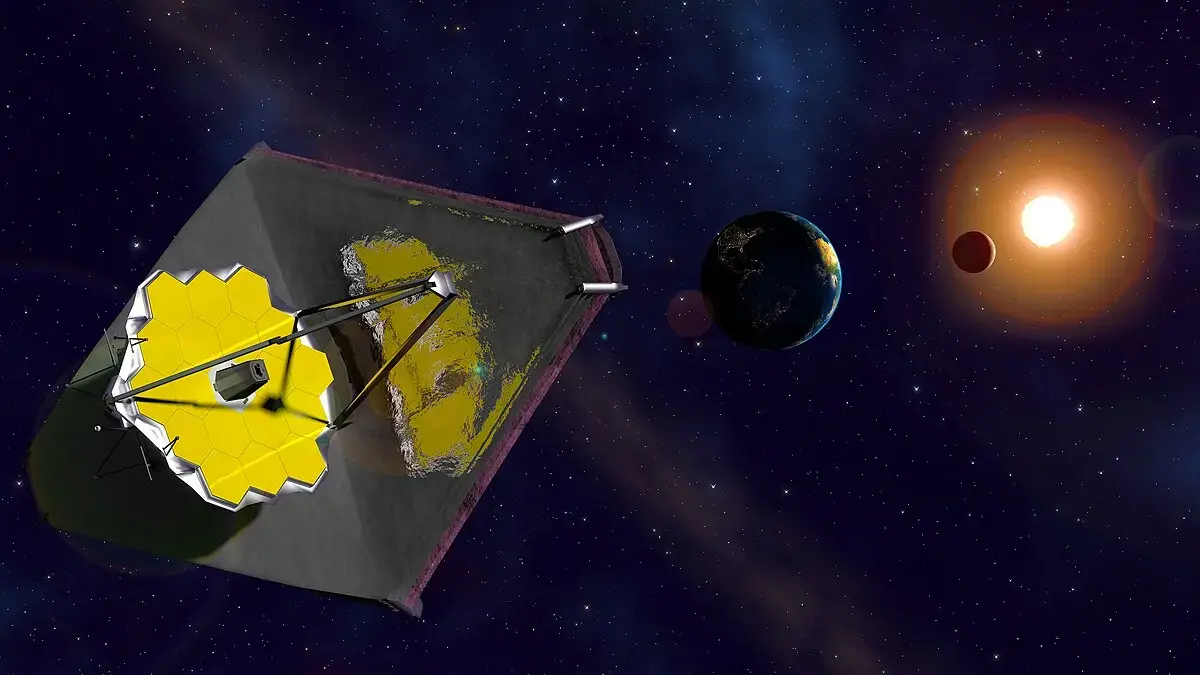
JWST orbits about 1.5 million kilometres from Earth at the L2 point. This distance shields it from Earth’s heat and light, helping it stay cold and stable - essential for accurate infrared observations.
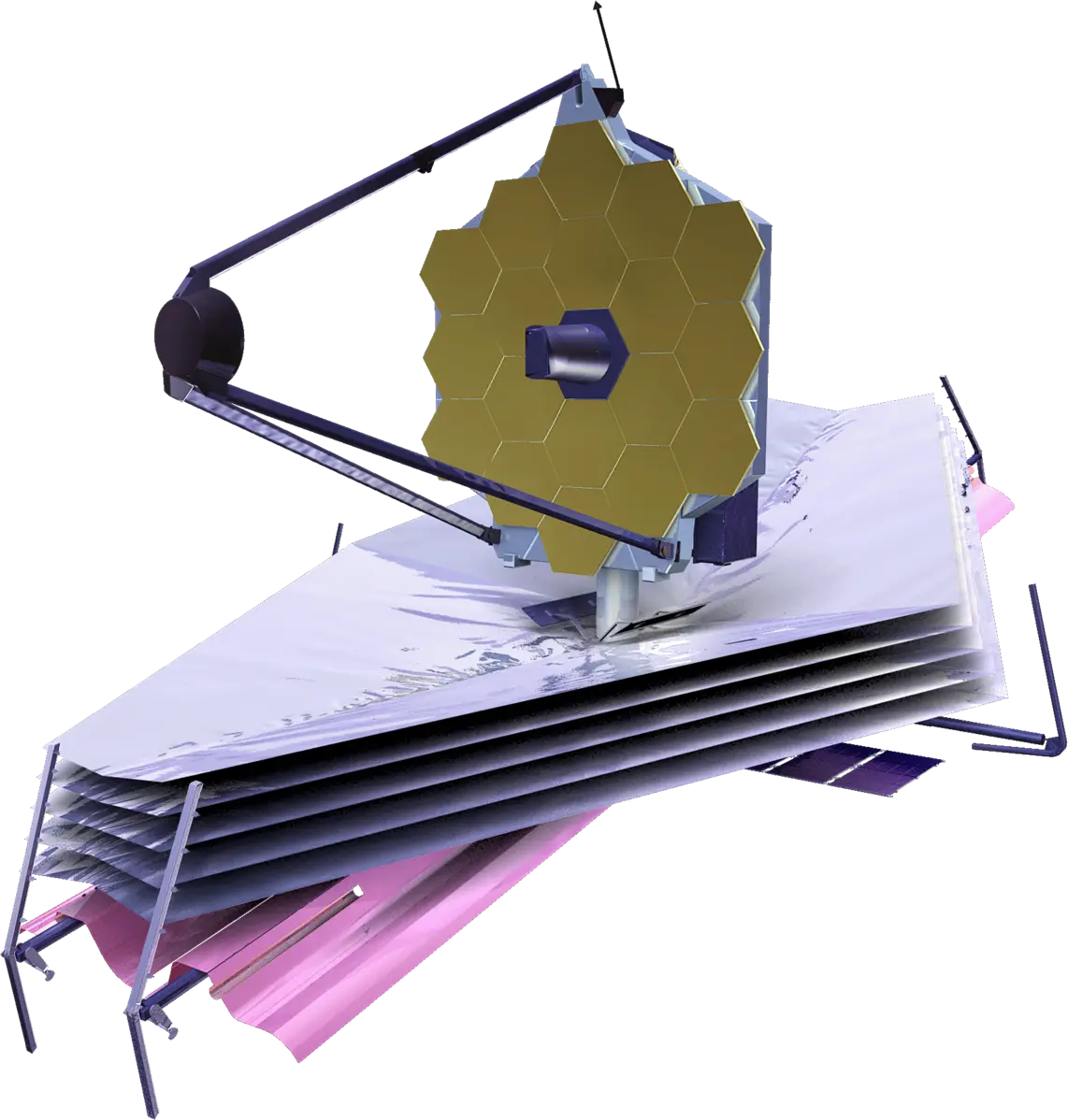
Advanced Instruments
JWST has state-of-the-art cameras and spectrographs that can analyse the atmospheres of exoplanets, detect water and other chemicals, and study the earliest galaxies. These tools offer far more detail than Hubble’s instruments.
Different Missions but Complementary
Hubble has been crucial for visible light astronomy for over 30 years, while JWST focuses on infrared observations. Together, they provide a fuller picture of the cosmos, each excelling in their own field.
Early Results Show JWST’s Power
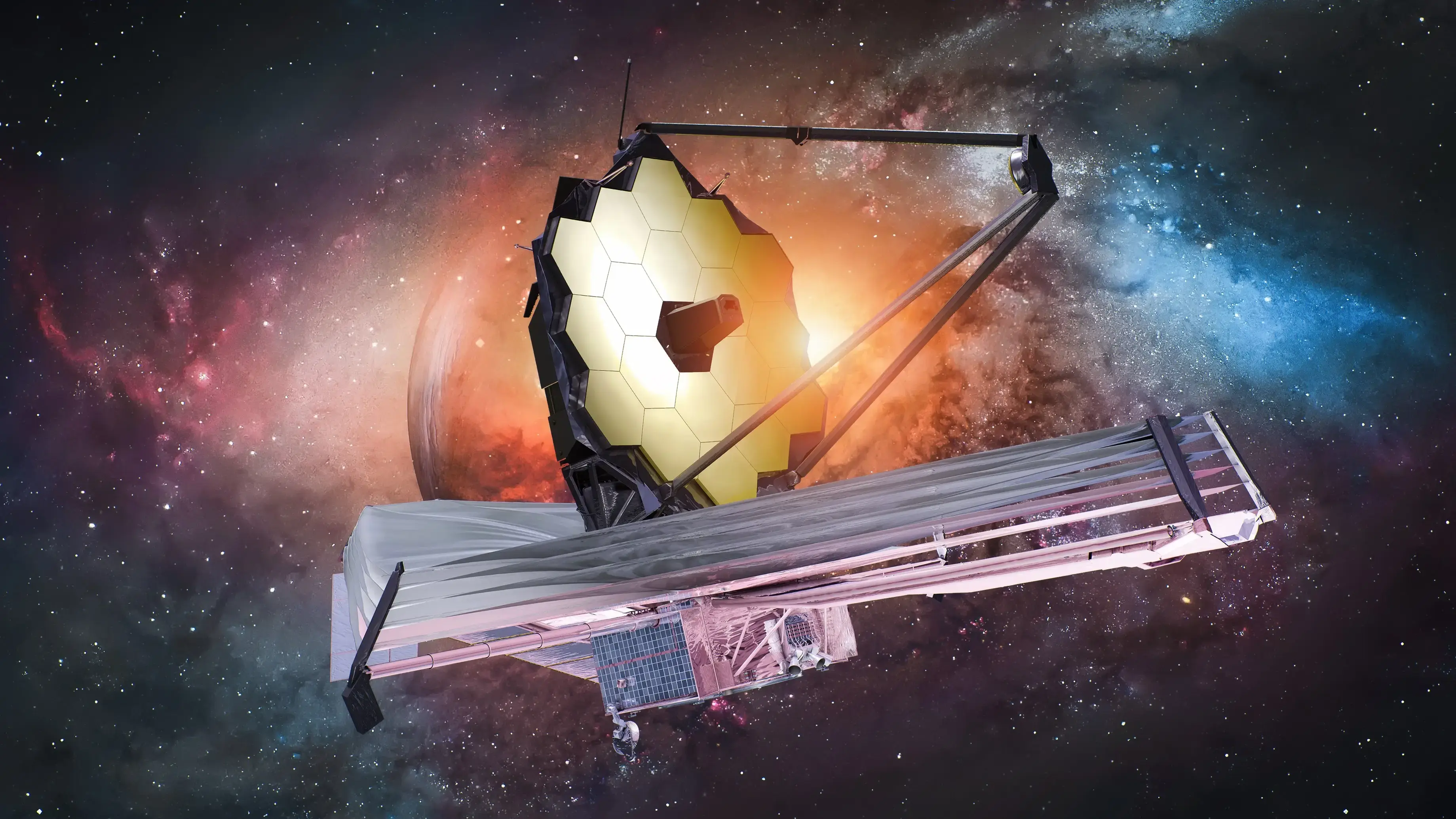
Since launch, JWST has delivered stunning images and data of distant galaxies, exoplanets, and nebulae. Its discoveries are already challenging scientific theories, proving it to be a powerful successor and complement to Hubble.
)
)
)
)
)