Is this the world's oldest pyramid? Experts argue humans could not have built it, because...

The world's oldest pyramid might not have been built by humans at all. In Gunung Padang, Indonesia, this pyramid was reportedly constructed as far back as 25,000 BC, when even agriculture didn't exist. Another expert pans this theory, saying no one built it, and it was a natural occurrence.
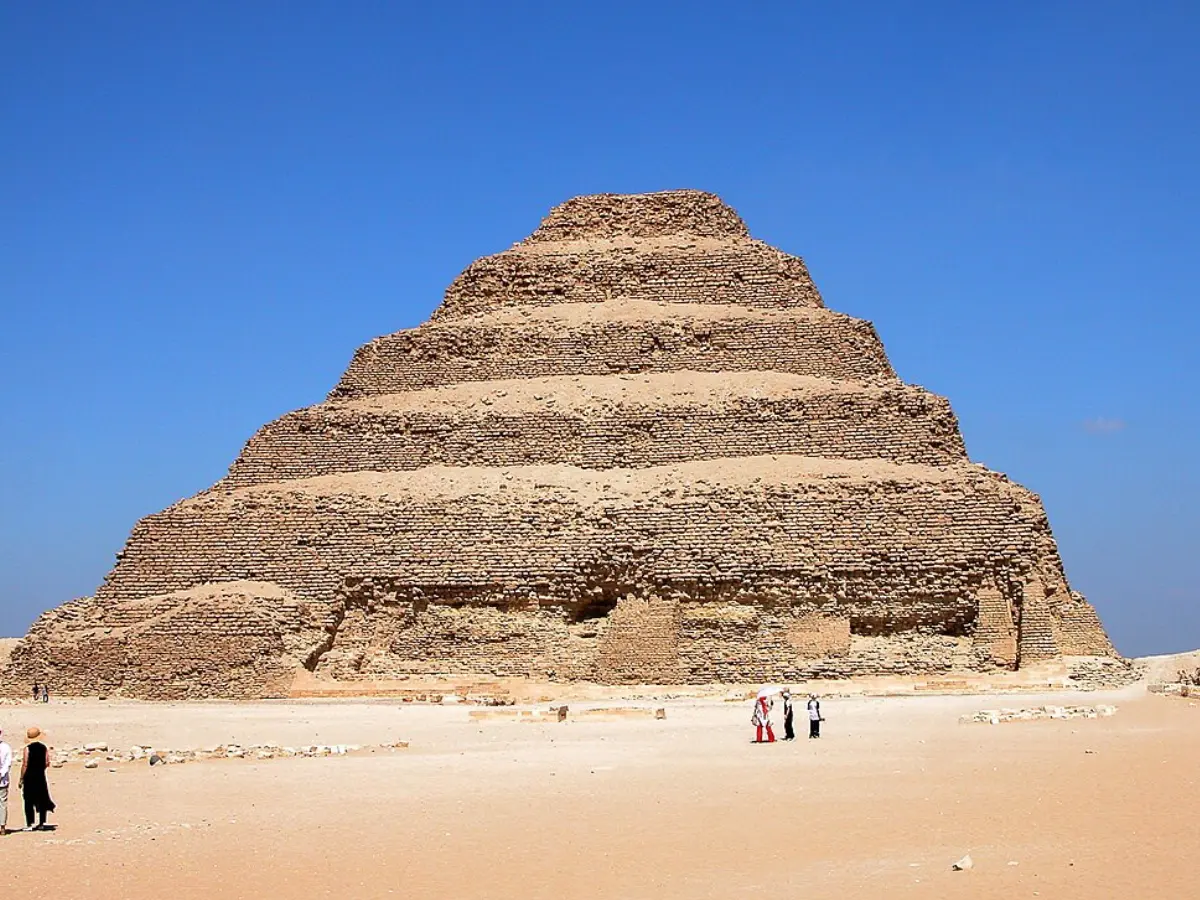
Djoser Step pyramid in Egypt
The Djoser Step pyramid in Egypt is believed to be the world’s oldest pyramid, built around 2,630 BC. However, according to another study, the Gunung Padang pyramid in Indonesia is even older, constructed as far back as 25,000 BC. But something else about it remains even more doubtful - Who built it? One expert thinks humans had no role in its construction.
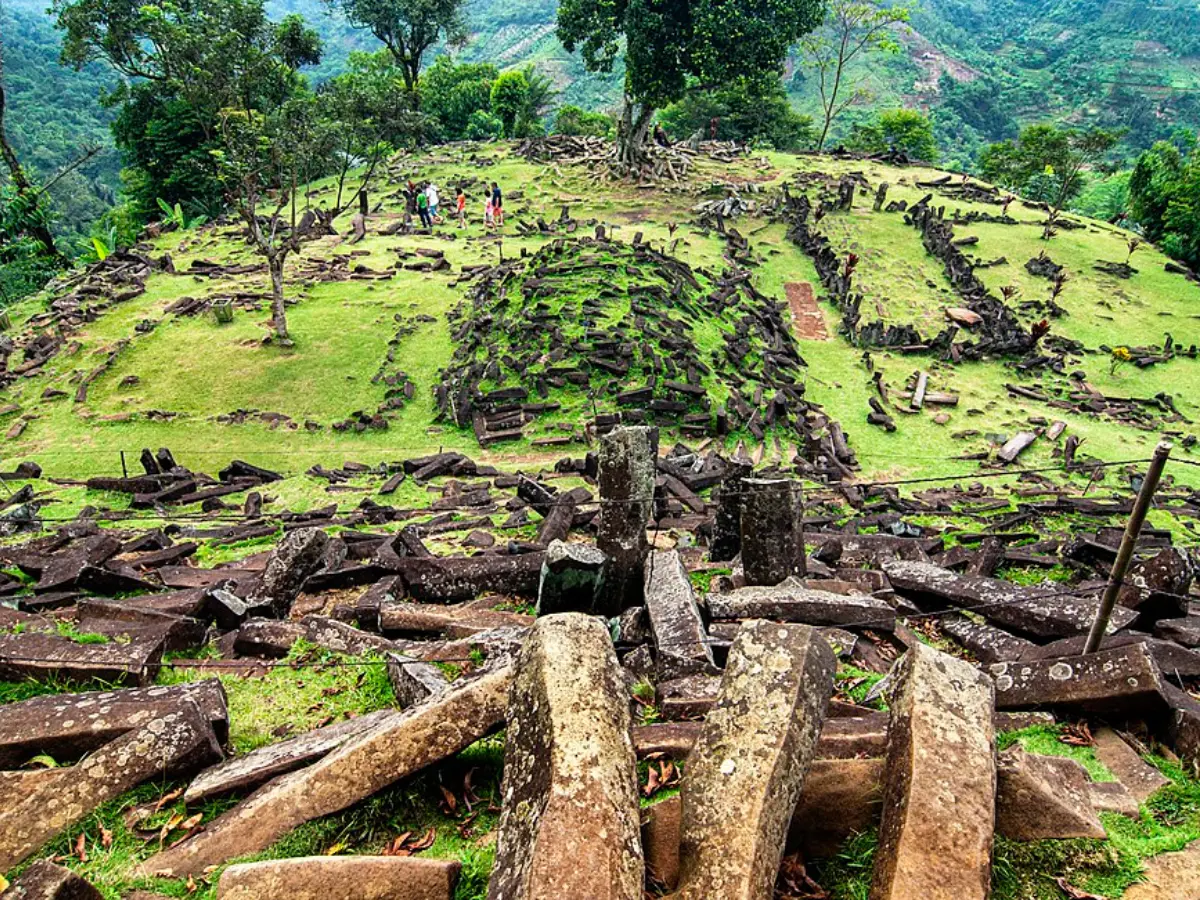
Gunung Padang pyramid in Indonesia is believed to be the oldest
According to research published in the journal Archaeological Prospection, the oldest construction element of the pyramid is believed to have originated "as a natural lava hill," and was later sculpted and then "architecturally enveloped."
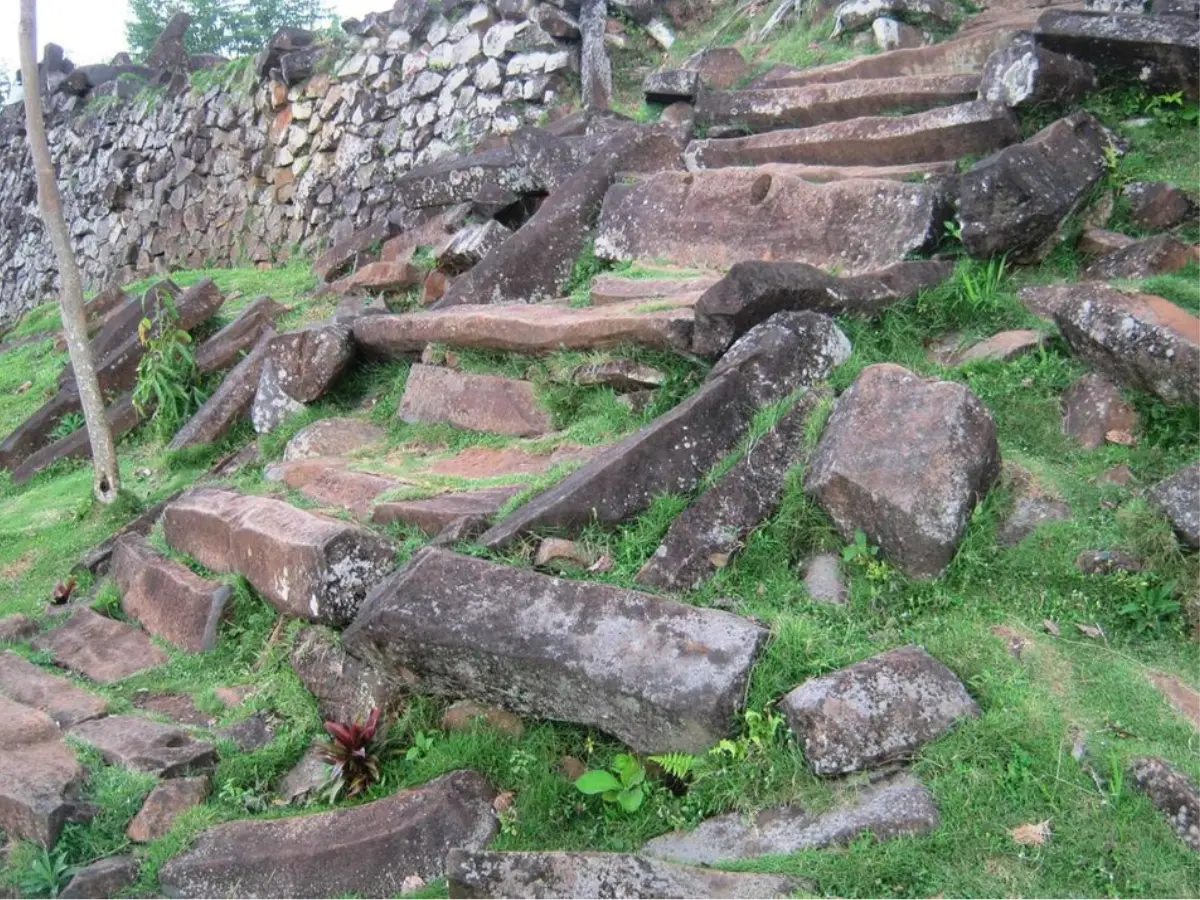
Gunung Padang pyramid was built in 25,000 BC
This is based on the finding that “the pyramid’s core consists of meticulously sculpted massive andesite lava”. The researchers wrote that the discovery points to "advanced masonry skills dating back to the last glacial period." According to earlier historical records, it was only after agriculture kicked off 11,000 years ago that advanced construction techniques emerged.
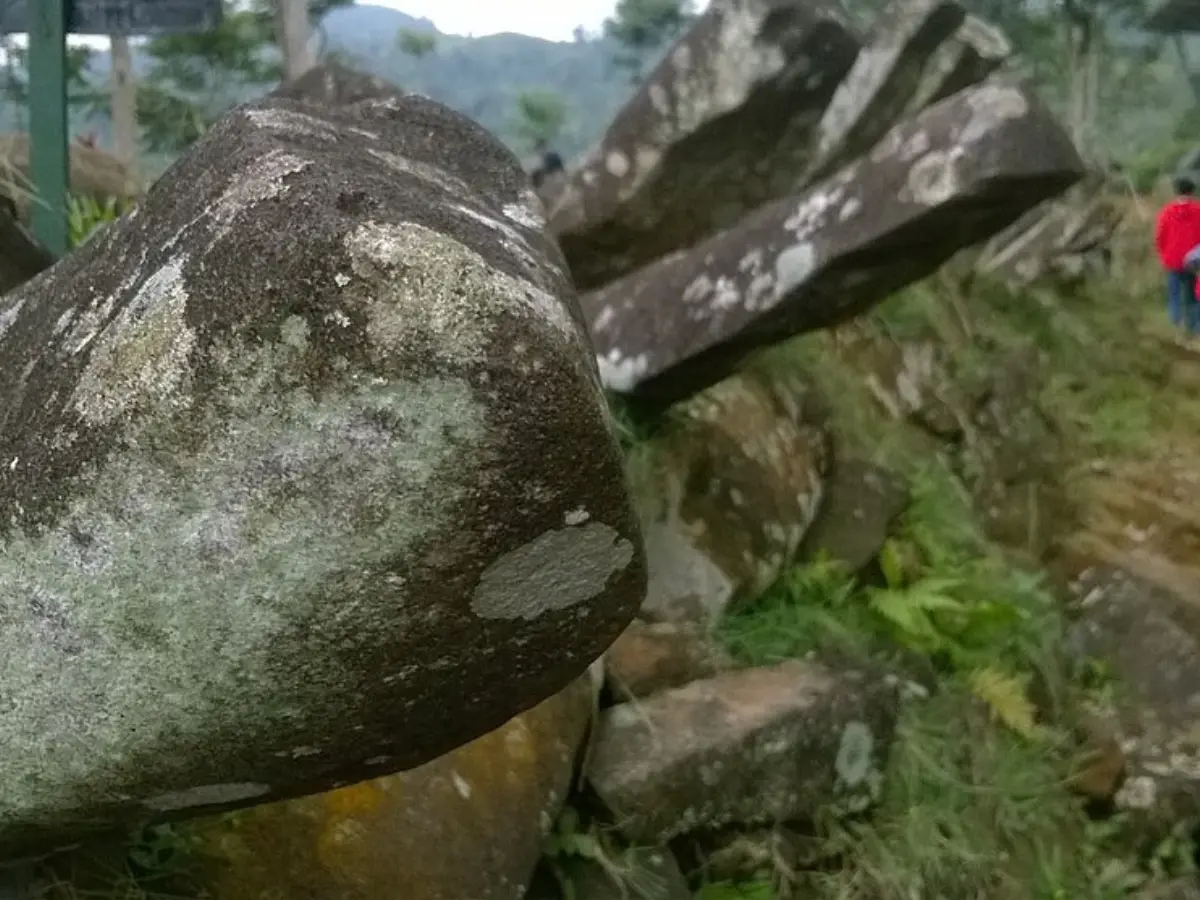
How could advanced construction practices have existed before agriculture?
However, now this theory is being proven wrong. The study talks not only about Gunung Padang, but also other sites, such as Gobekli Tepe in Turkey, stating that evidence found at these sites suggests that advanced construction practices were already present when agriculture was likely not even invented.
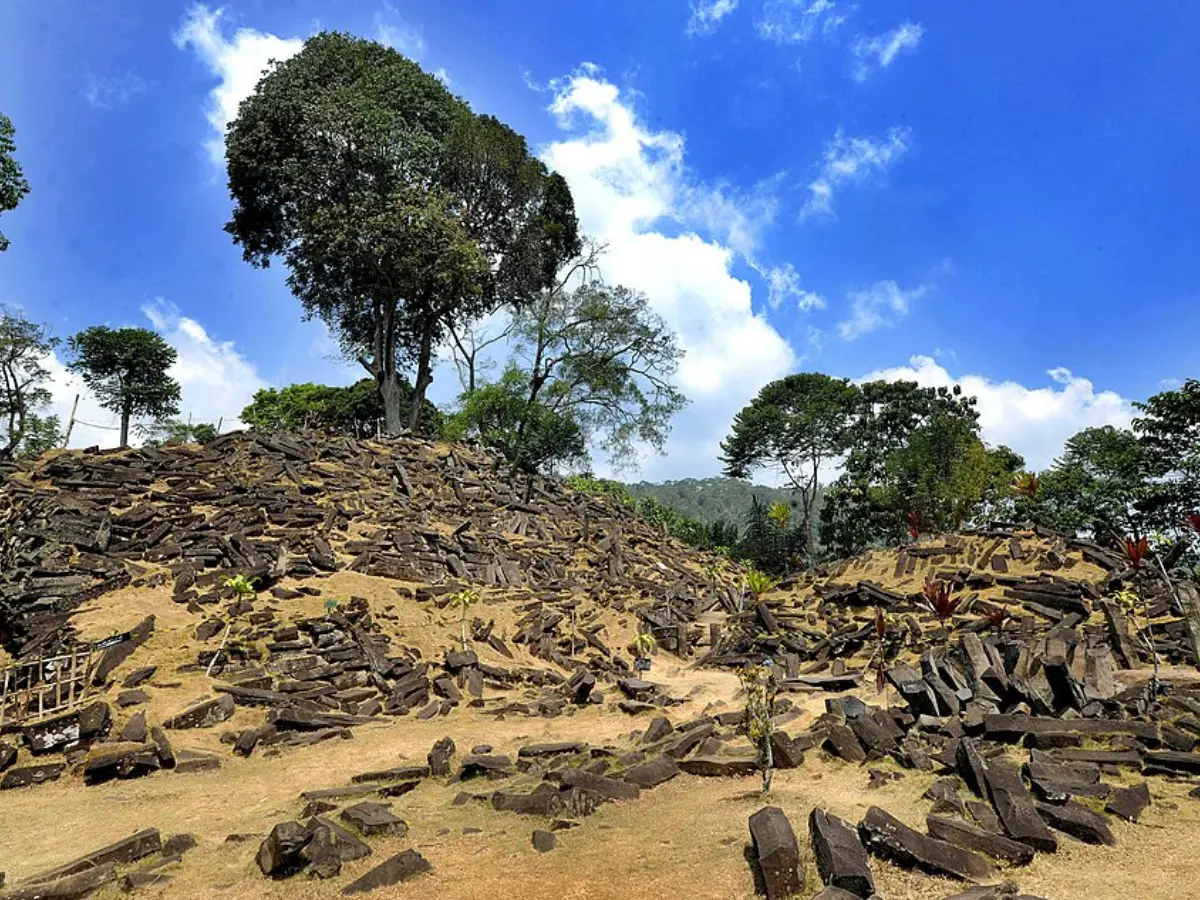
No evidence that the Indonesia pyramid was built by humans
However, a UK archaeologist is baffled by the study. Flint Dibble, from Cardiff University, told the journal Nature that no evidence has ever been found proving that humans built the layers buried deep below. He states that any material "rolling down a hill is going to orient itself." He added, that there is no evidence of work being done there "to indicate that it’s man-made”.
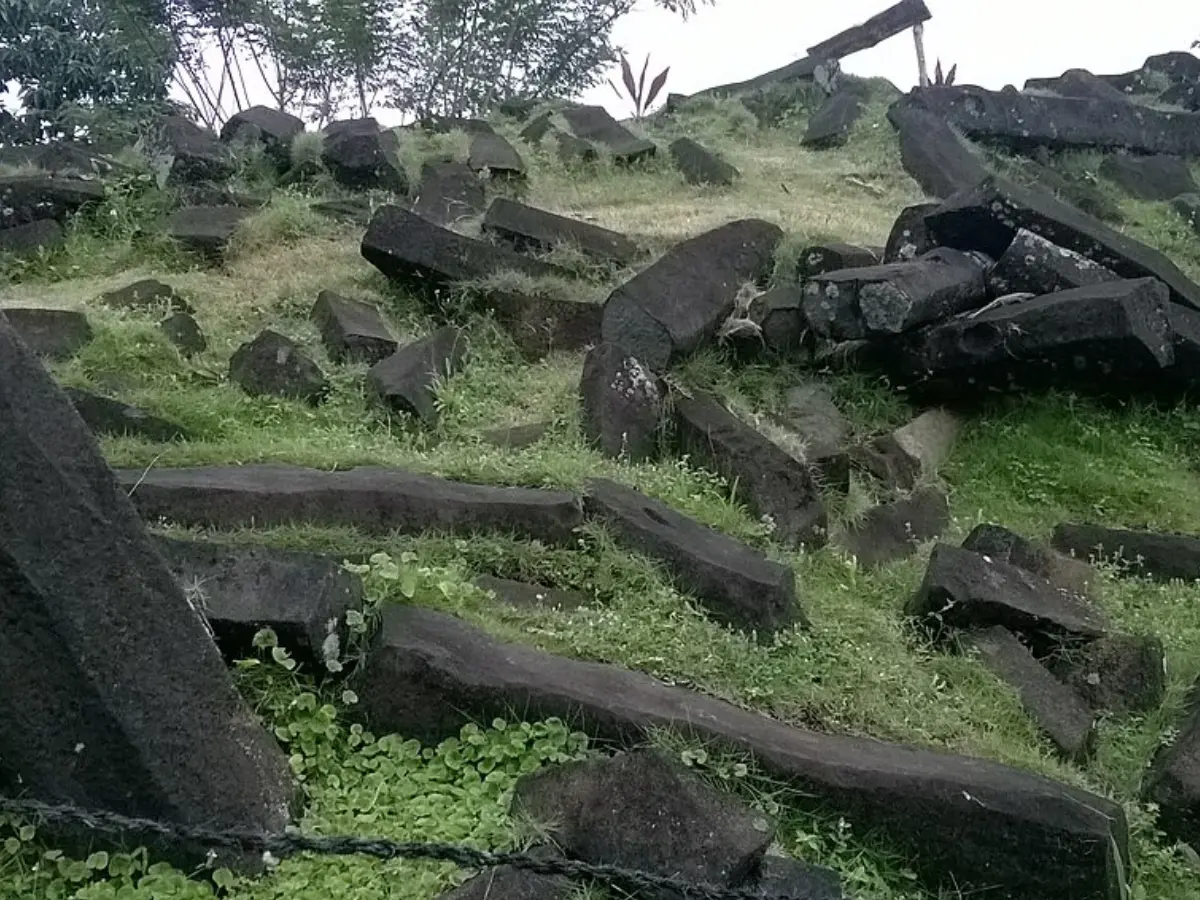
Claims of prehistoric construction are doubtful
Bill Farley, an archaeologist at Southern Connecticut State University, backs Dibble and says that even though the soil from Gunung Padang was accurately dated to ~27,000 years ago, it lacks any human-related evidence like charcoal or bone fragments. This casts doubt on claims of prehistoric construction.
)
)
)
)
)