Is the universe coming to a halt? Shocking study says it has slowed down

A team of astronomers at Yonsei University has found that the universe has slowed down. It is not expanding at a fast pace any more as hypothesised by scientists. This means that dark energy has weakened. So what is really going on in the universe?
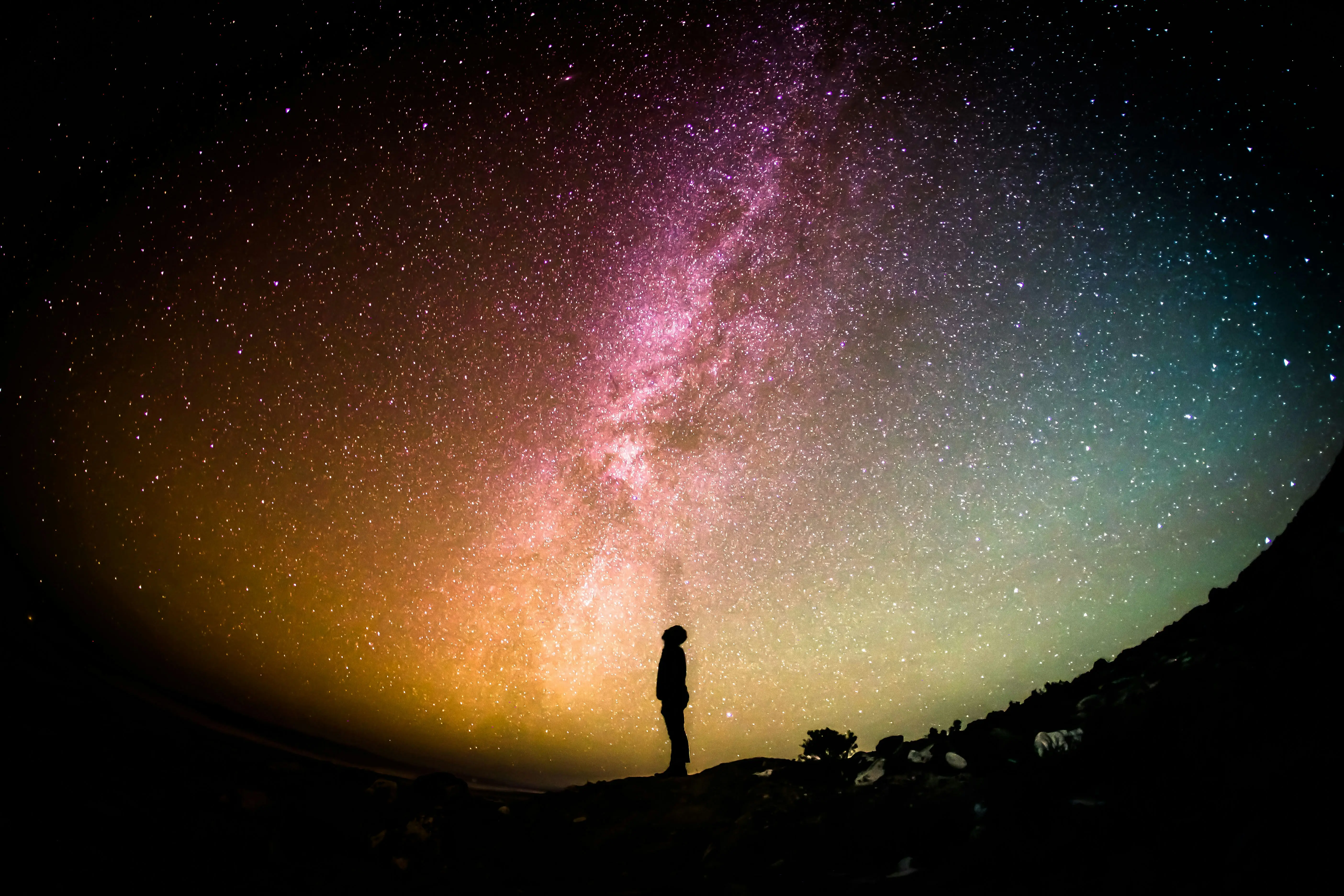
Scientists have long believed that the universe is expanding at great speed
We all know that the universe is growing, or at least we think it is. The cosmos is increasingly moving outwards as observed by all the technology that peers into space. Galaxies are going further and further away, and all this is believed to happen because of black energy, something that only exists in theory. But now a team of astronomers has thrown a wrench into the entire belief.
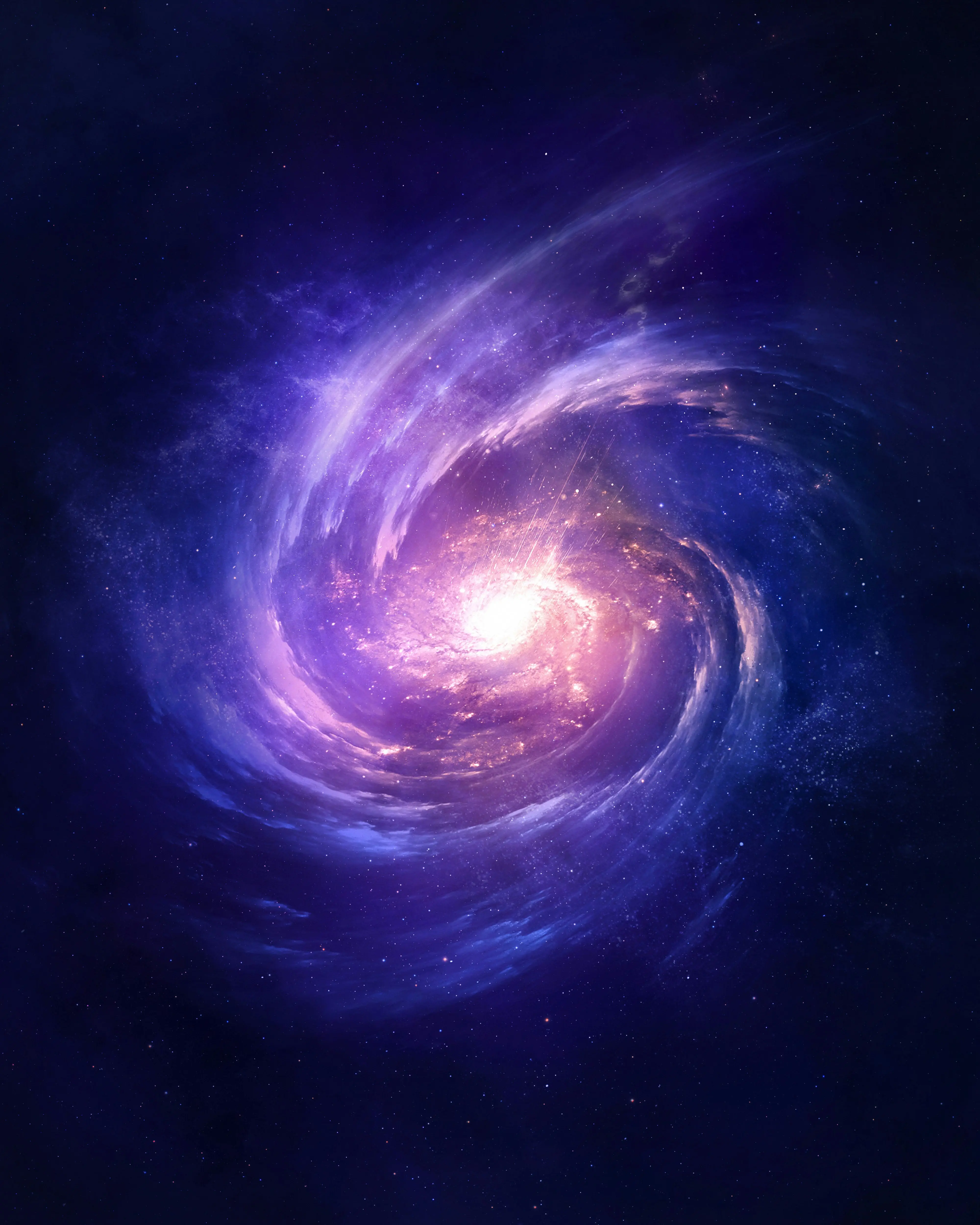
Dark energy is getting weaker, scientists suggest in a study
According to astronomers at Yonsei University, dark energy may be losing strength, which means that the speed at which the universe was expanding is already slowing down. This changes things on a larger scale since the one belief that has tied studies on the cosmos in place is that the universe continues to expand.
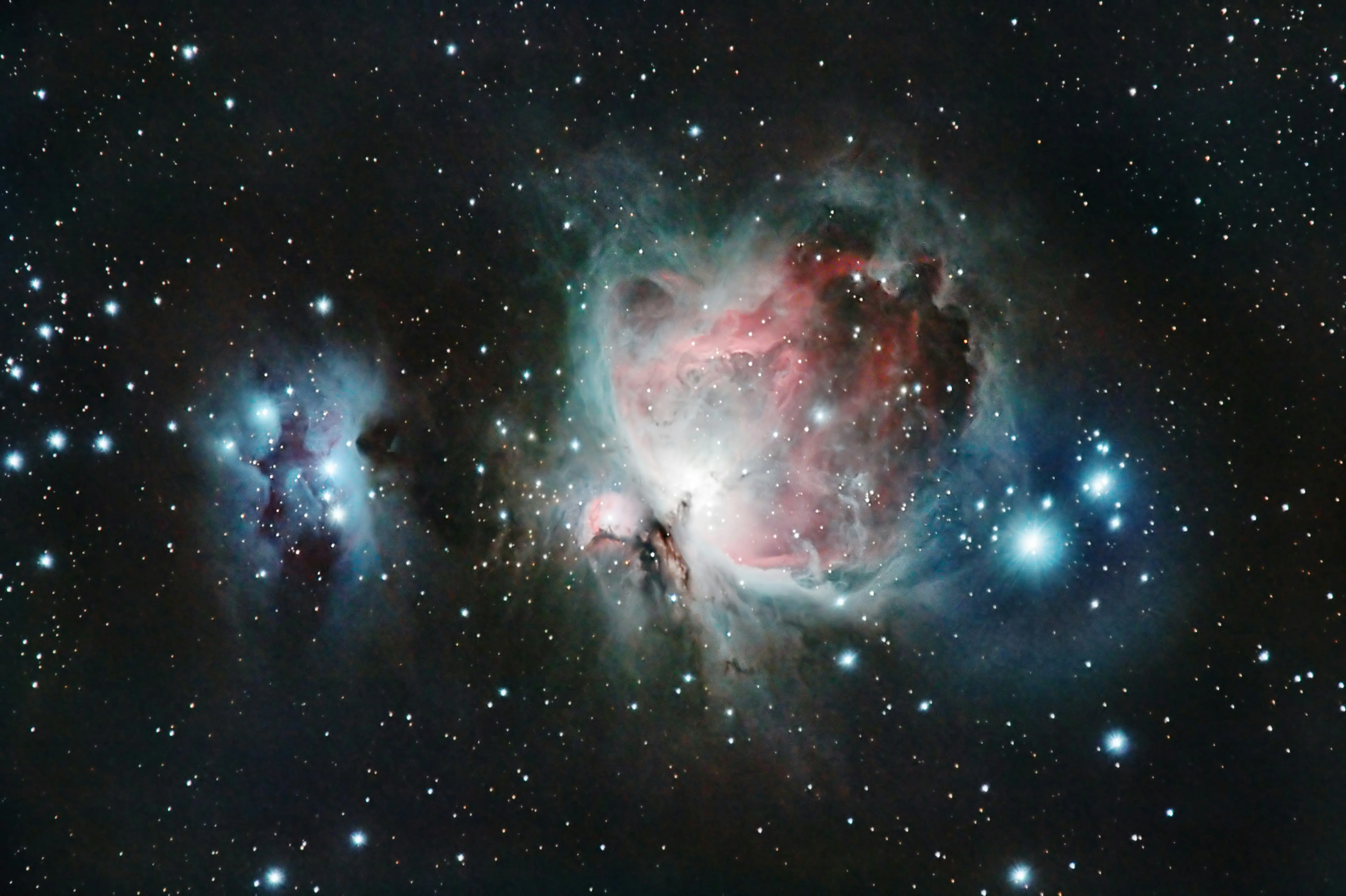
Is the universe still expanding?
The findings were published on November 6 in Monthly Notices of the Royal Astronomical Society. They challenge the belief that an unknown force called “dark energy” is pushing galaxies apart at a fast pace. But the researchers found no evidence that the expansion is still going on at a great speed.

Universe has already entered a phase of decelerated expansion
Lead researcher Professor Young-Wook Lee of Yonsei University in South Korea explained, “Our study shows that the Universe has already entered a phase of decelerated expansion at the present epoch and that dark energy evolves with time much more rapidly than previously thought." He added that if this finding is true, then "it would mark a major paradigm shift in cosmology since the discovery of dark energy 27 years ago."

Ia supernovae that hinted at dark energy might not be what it seems to be
Dark energy is believed to dominate the universe and contributes 68% of the total energy in the present-day observable universe. Measurements of distant type Ia supernovae, with constant luminosity and used as accurate distance measures, were what led to the theory that dark energy is accelerating the expansion of the universe.
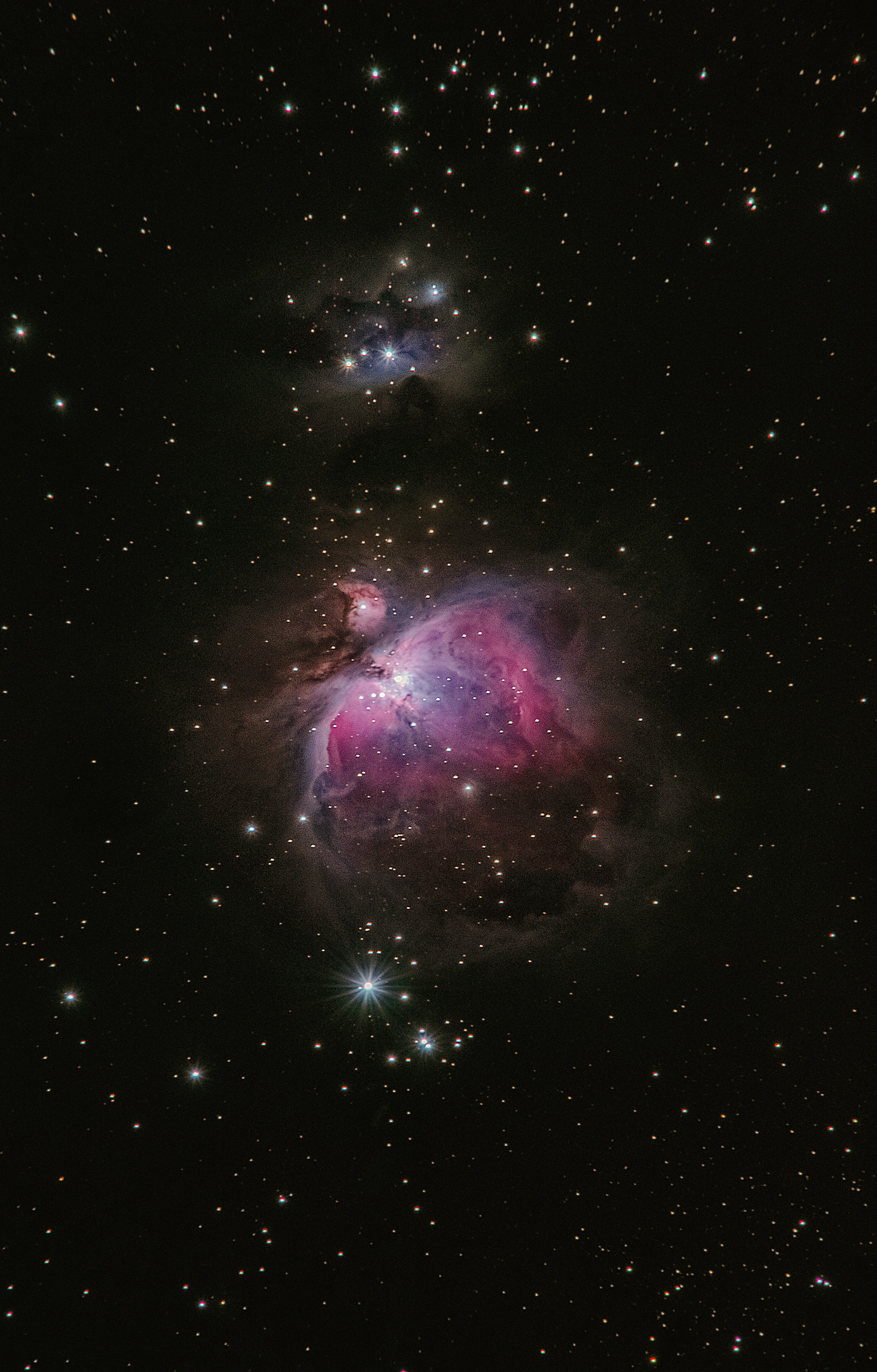
What scientists found on old and new supernovae
But the new study states that Ia supernovae appear to be influenced by the ages of the stars that created them. The researchers standardised the brightness of young and old supernovae, and still found that supernovae from younger stellar populations were systematically dimmer, while those from older populations shone more brightly.

What's going in the universe?
The study used data on 300 host galaxies, and its findings show a 99.999% statistical possibility. This means that the observed dimming of distant supernovae might not just be happening because of the expansion of the universe, but something else.
)
)
)
)
)