Is the CIA using AI to predict world leaders’ next moves?

The CIA has built an advanced AI chatbot to simulate conversations with virtual versions of foreign leaders. By training models on classified intelligence, analysts can test hypothetical crises and predict adversarial behaviour before acting.

The 'Digital Twins'
The CIA is quietly utilising advanced Large Language Models (LLMs) to create highly accurate 'digital twins' of foreign presidents and prime ministers. These simulated avatars allow analysts to interact directly with virtual versions of world leaders to predict their behaviour.
Training the AI
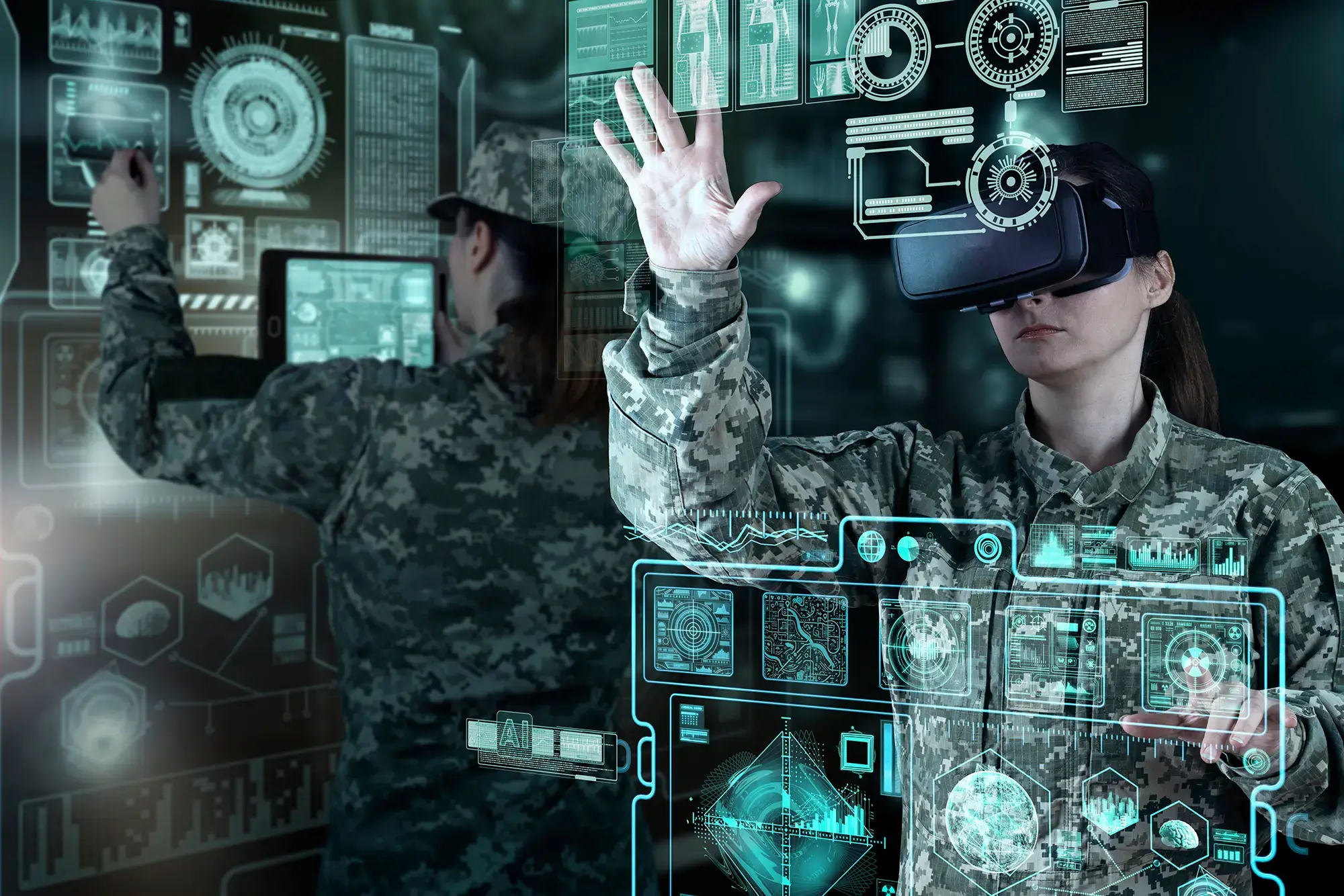
To build these highly realistic avatars, the artificial intelligence is trained on massive datasets combining public records and highly classified intelligence. This includes analysing decades of past speeches, historical decision-making habits, subtle behavioural cues, and private policy statements.
Testing Diplomatic Crises
Instead of relying solely on traditional psychological profiles, analysts use the chatbot for dynamic, interactive scenario planning. They can feed the AI a hypothetical crisis, such as new economic sanctions, to observe exactly how a leader might react in real-time.
Adapting to New Intelligence
These predictive models are not static; they continuously update their knowledge base with the latest global developments. If a leader suddenly shifts their geopolitical stance, the AI instantly adapts, ensuring its simulated responses reflect the most current intelligence available.
Running Multiple Simulations
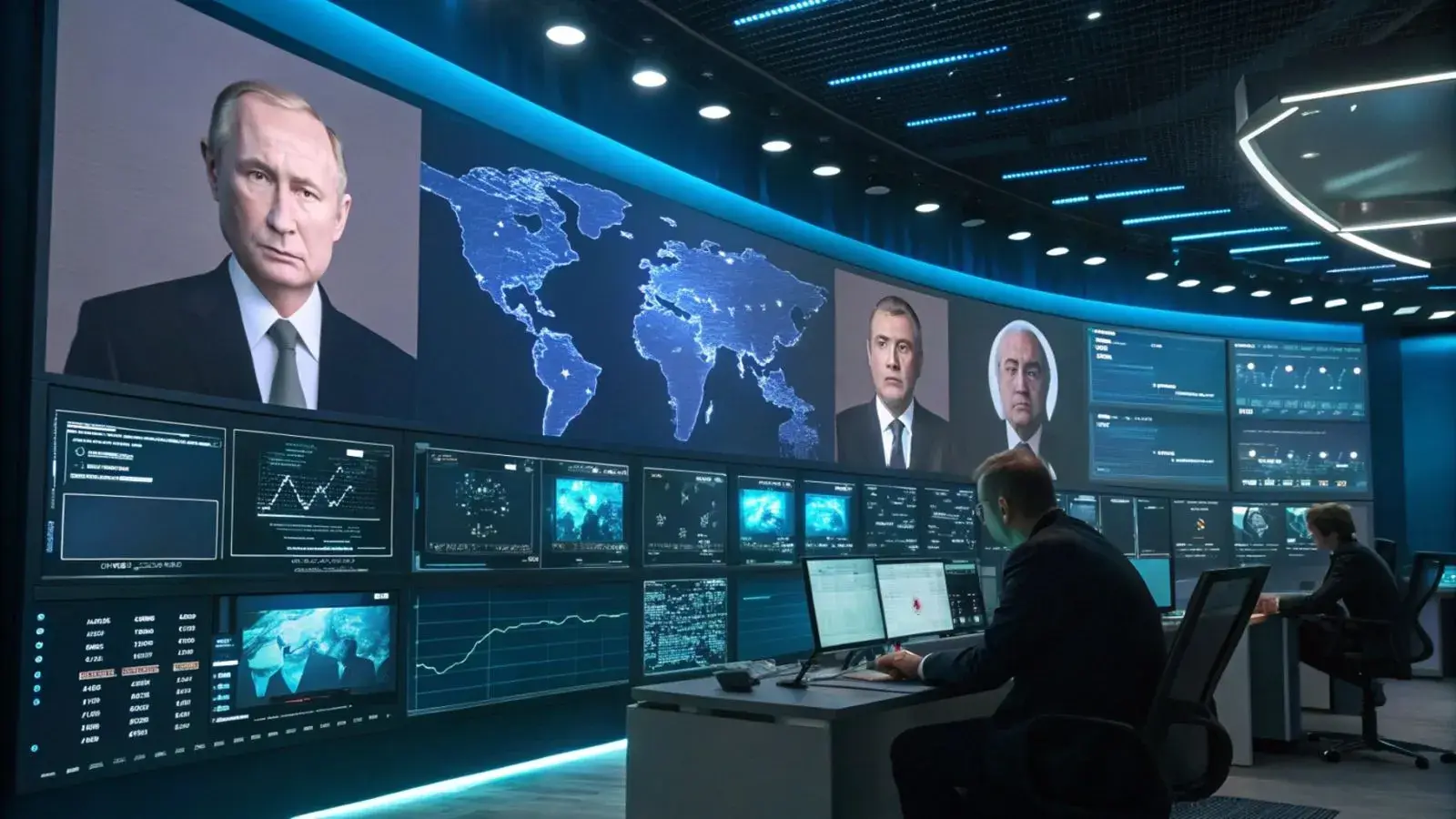
The AI platform can run thousands of simulations simultaneously to test a wide range of possible adversarial responses. It then ranks these potential outcomes by likelihood, ensuring US policymakers are fully prepared for both best-case and worst-case scenarios.
The Silicon Valley Shift
This technological leap is being spearheaded by CIA Chief Technology Officer Nand Mulchandani, a Silicon Valley veteran. Under his guidance, the traditionally secretive agency is streamlining bureaucracy to collaborate more closely with private sector tech innovators.
A New Era of Espionage
While AI cannot predict human emotion with absolute certainty, this tool dramatically reduces the risk of strategic miscalculations. By gaming out potential reactions before making real-world decisions, the CIA maintains a crucial advantage over geopolitical rivals like China and Russia.
)
)
)
)
)