Is switching to public transit actually cheaper than buying fuel right now?

Global fuel prices jumped by 20 per cent in 2026, while transit fares saw a minor 6 per cent hike. Commuters are rapidly shifting to buses, metro networks, and carpooling to reduce daily expenses.
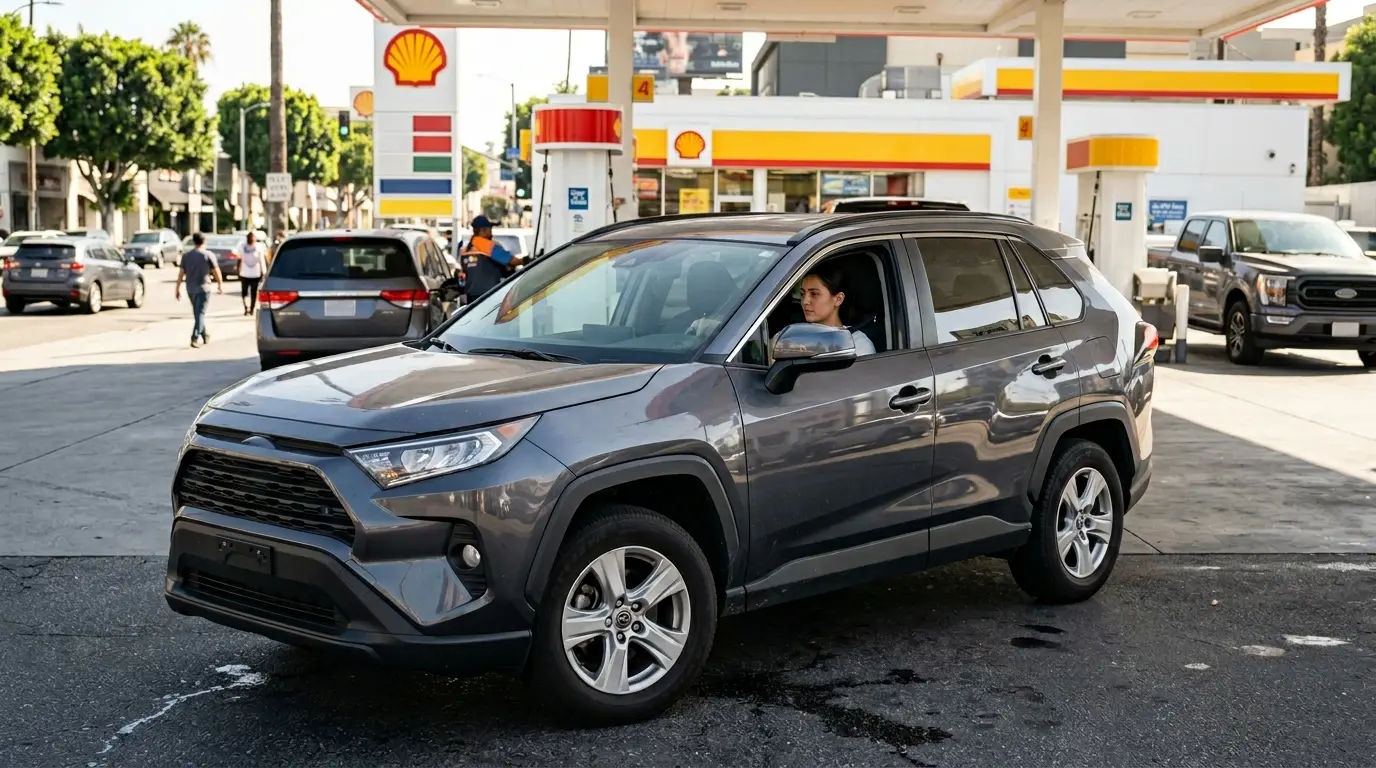
Fuel up 20%
Global petrol and diesel rates have surged dramatically over recent months. Average vehicle running expenses jumped by nearly 20 per cent in early 2026. This sudden spike has forced daily commuters to rethink their travel budgets and seek cheaper mobility options.
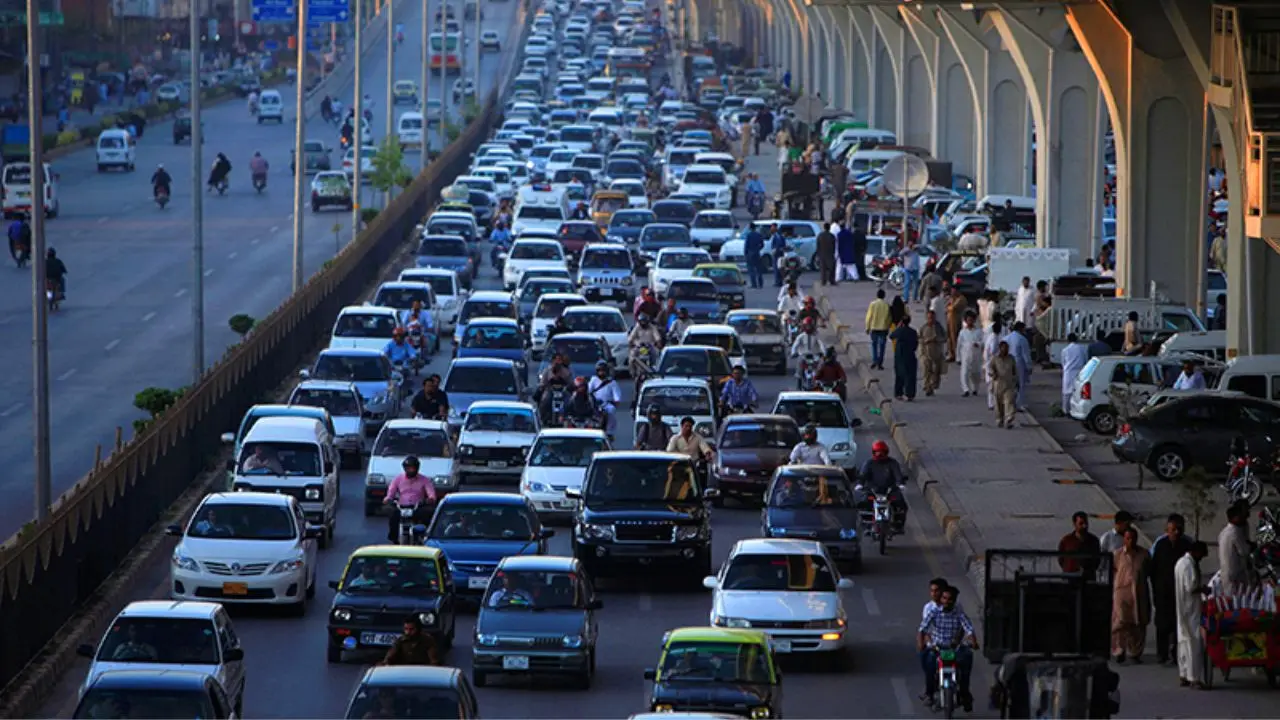
Transit fares up 6%
Buses and metro networks are not entirely immune to the ongoing energy crunch. Transport authorities have raised public ticket prices by roughly 5 to 6 per cent to cover soaring fuel bills. However, this hike remains significantly lower than the cost of filling a private car.
Rs 1.2 billion burden
Large state transport fleets face massive financial pressure due to rising diesel rates. A single major transport utility can easily incur an additional annual expenditure of over Rs 1.2 billion. Despite mounting operational losses, government subsidies often keep passenger tickets stable.
40% carpool spike
Ride-sharing platforms recorded a massive influx of new users throughout the year. Passenger volumes on popular carpooling apps increased by 40 per cent in major mobility markets. Workers now prefer sharing a ride to offset expensive fuel while avoiding crowded trains.
32% income spent
Transportation has become the second-largest household expense after housing. Lower-income families can end up spending nearly 32 per cent of their pre-tax income on private vehicle costs. Switching to local rail or bus services provides immediate financial relief to tight household budgets.
31% electric bus transition
Transit agencies are rapidly shifting away from expensive fossil fuels. Electric buses accounted for almost 31 per cent of all new global fleet deliveries recently. This ongoing transition makes long-term public transport operations cheaper and less vulnerable to volatile oil markets.
)
)
)
)
)