Is Japan' Baba Vanga real or just AI generated hoax? Myths and mysteries behind her rise

She may be a composite character or even an AI-generated hoax that snowballed on social media.
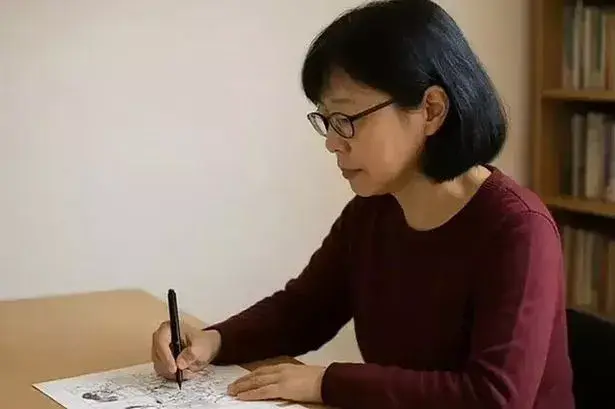
Decoding the myths and mysteries
Move over Nostradamus and Baba Vanga, the internet is now obsessed with a Japanese prophet whose eerie predictions are being shared across TikTok, Telegram, and even conspiracy forums. Dubbed the “Japanese Baba Vanga,” this mysterious woman has sparked both fascination and skepticism for her alleged foresight into global catastrophes, celebrity deaths, and even the rise of AI. But who is she really? And is there any truth to her predictions?
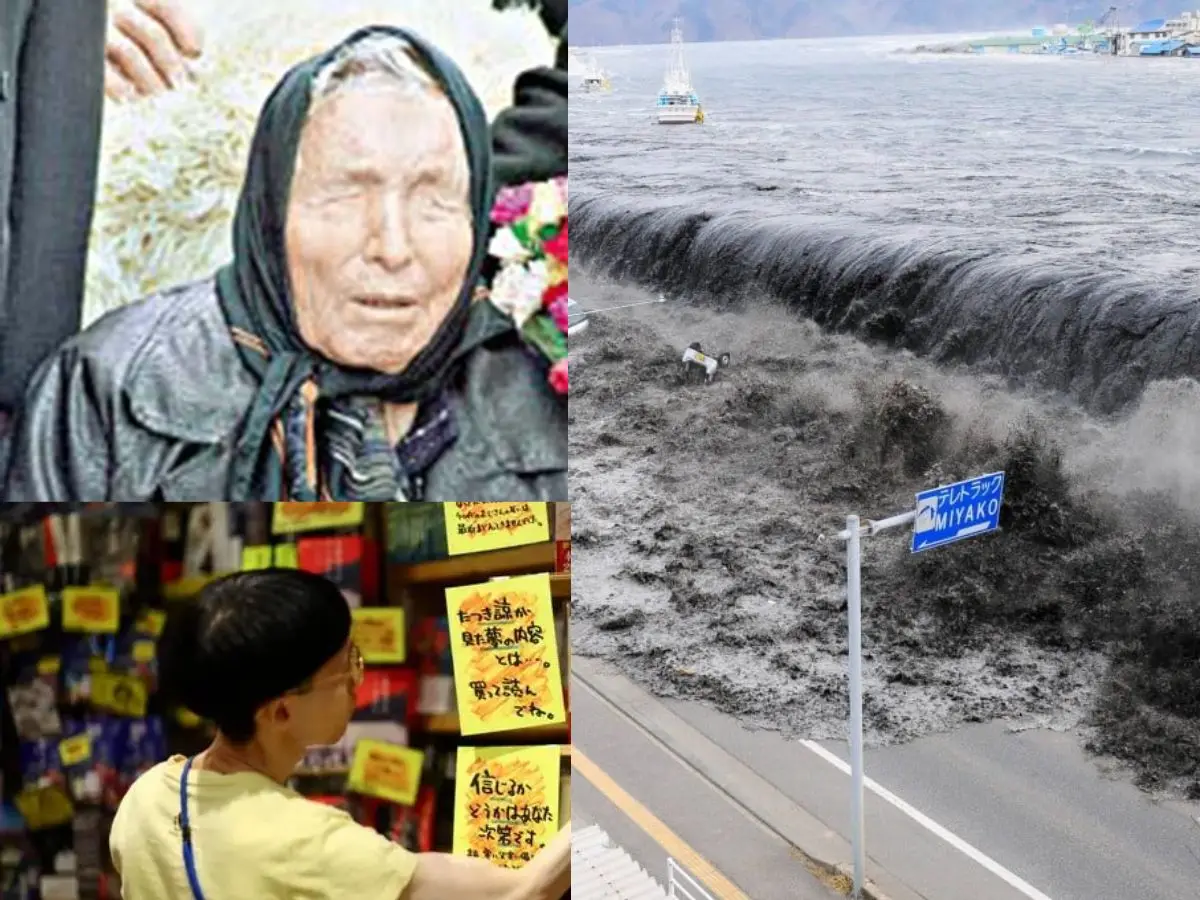
The Myth of the “Japanese Baba Vanga”
Unlike the original Bulgarian mystic, the identity of the Japanese Baba Vanga is murky. She’s often described as:
- An elderly spiritual woman from rural Japan
- Someone who entered a “silent retreat” after visions in her youth
- A figure who made predictions about the Fukushima disaster, COVID-19, and even the Ukraine-Russia conflict
However, most of these details are anecdotal and many of her predictions are shared without timestamps or sources.
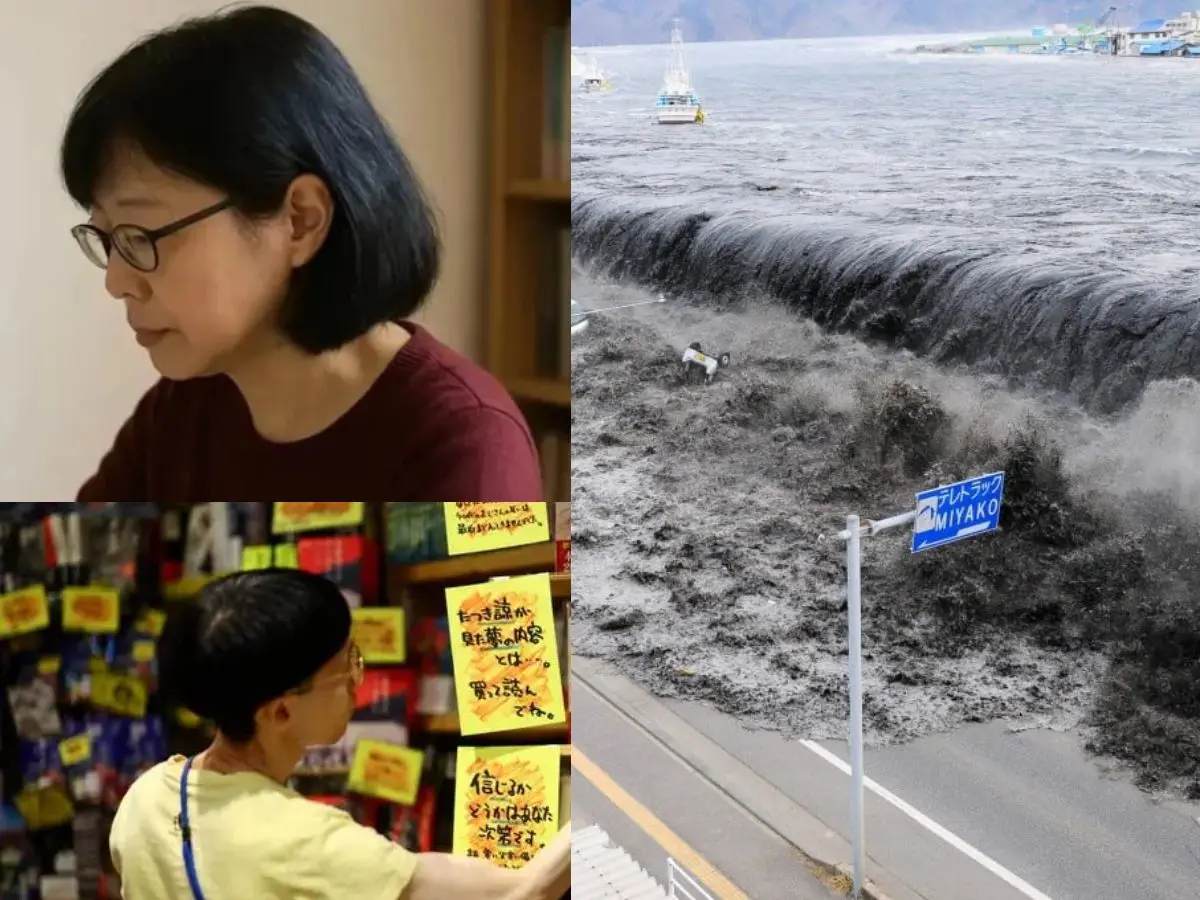
Why Is She Being Compared to Baba Vanga?
- Both are from the East and are considered “blind seers” in some versions of the story
- Their predictions are vague but emotionally charged
- Many fans claim she “saw events decades ahead of time,” including:
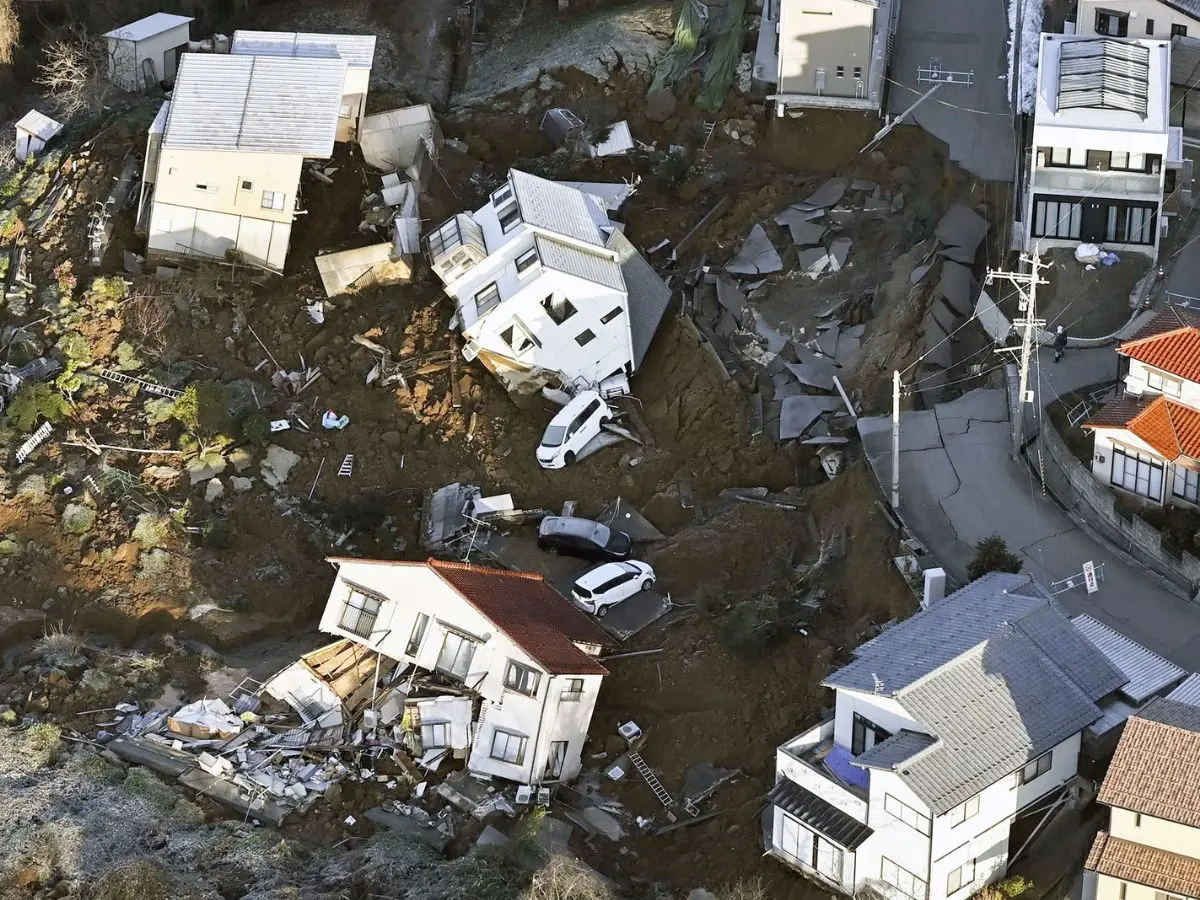
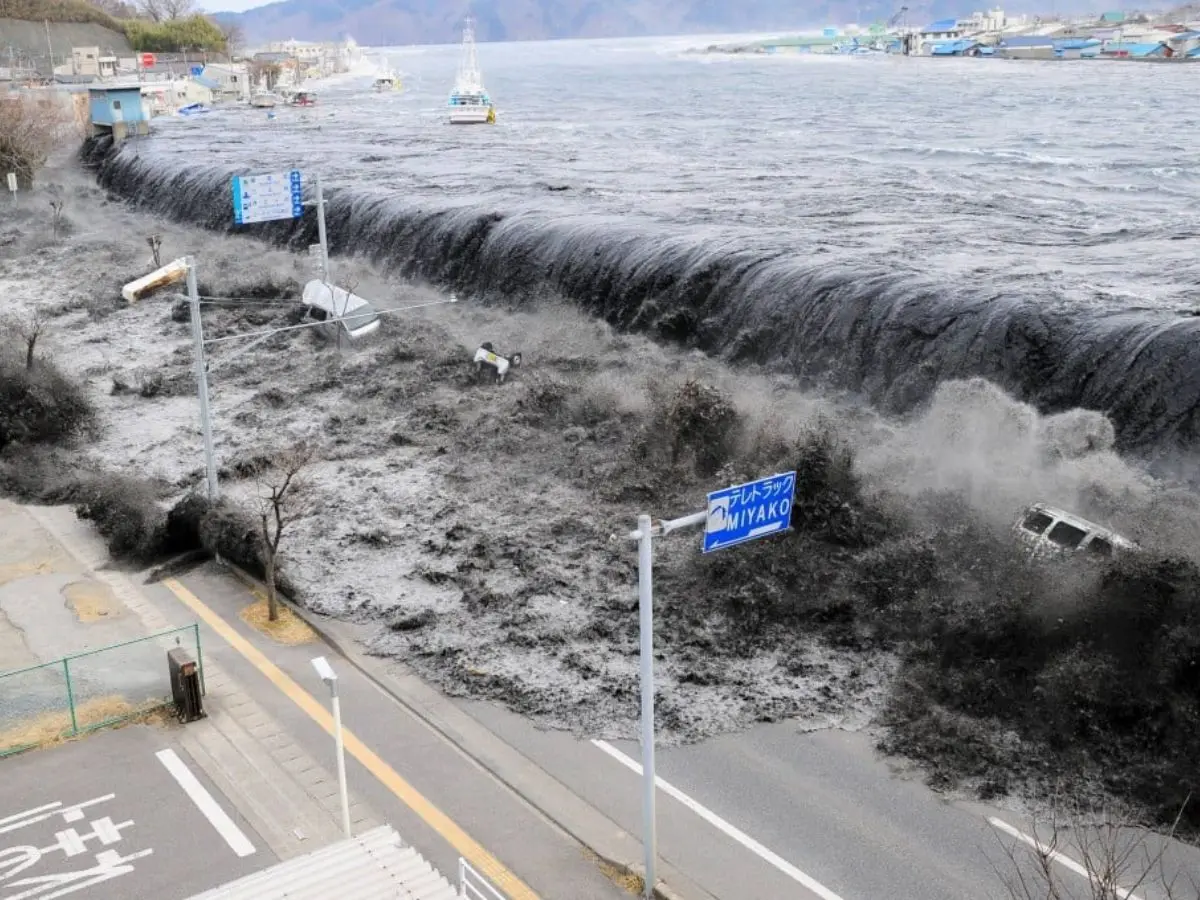
- A major earthquake and tsunami in 2011 (Fukushima)
- A global virus emerging in 2019 (COVID-19)
- A future war involving Japan and Taiwan in 2025
- The collapse of global banking systems before 2030
Some of these claims are being pushed by AI-generated content or repurposed from conspiracy circles.
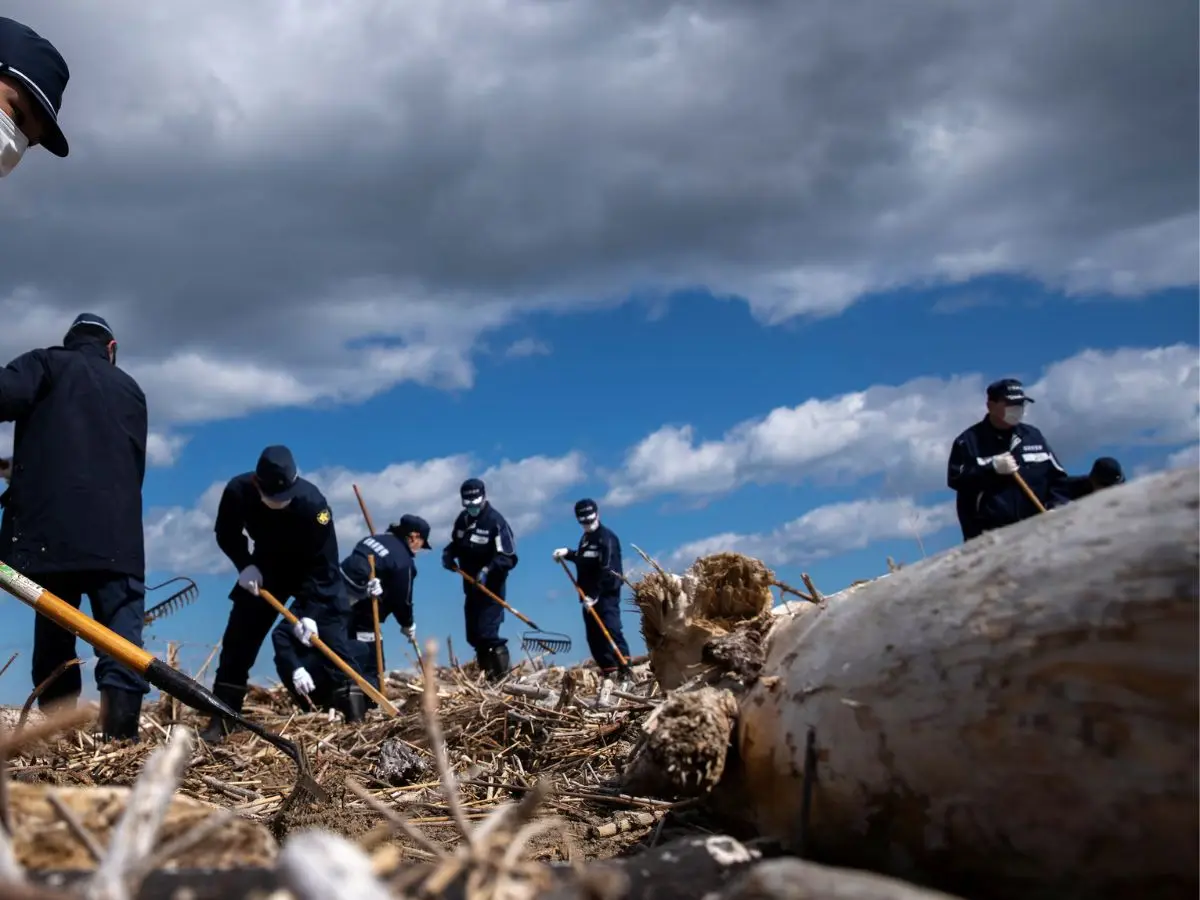
The Catch: No Verified Identity, No Verifiable Predictions
Unlike Baba Vanga — whose existence, interviews, and followers were documented — the “Japanese Baba Vanga” seems more like an internet myth than a real, verifiable person.
- No mainstream Japanese media has covered her existence
- Her so-called “prophecies” are not traceable to original documents
- Some predictions are copied from Nostradamus, and adapted for an Asian context
She may be a composite character or even an AI-generated hoax that snowballed on social media.
Why Are People Believing Her?
- Fear of the unknown: In uncertain times, people turn to spiritual figures for answers.
- Cultural mystery: Japan has a strong tradition of mysticism, Shinto beliefs, and spiritual healers.
- Viral psychology: The more cryptic and doomsday-like a message, the more it spreads online.
What Did She Allegedly Predict for 2025?
According to viral posts (unverified), she allegedly predicted:
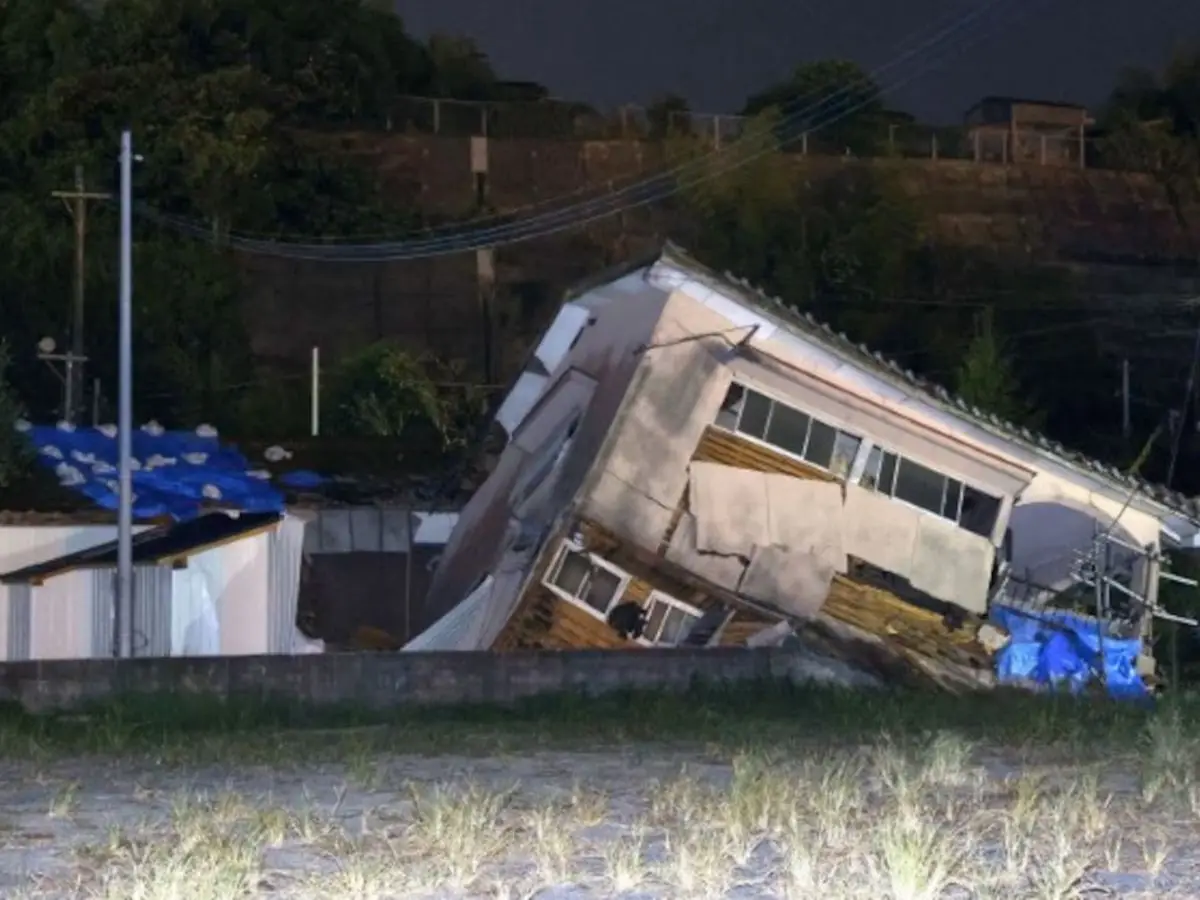
- A large earthquake in Tokyo or Osaka
- Rising tensions over Taiwan leading to regional conflict
- AI overtaking human intelligence by 2026
- A new economic depression sparked by global tech failure
Again, there is no evidence she said any of this — these are mostly unattributed claims amplified by social media.
Final Take: Entertaining Myth, Not a Verified Prophet
The Japanese Baba Vanga is less a person and more a mystic meme. While her story is captivating and fits well into the “doomsday prophet” internet genre, there is no documentation or legitimacy to back her claims.
Watch her predictions with curiosity, but don’t mistake them for actual forecasts.
)
)
)
)
)