Is Iran preparing for war with US? fortified nuclear sites, drills in Hormuz Strait as Shamkhani takes command

The measures follow heightened warnings from Washington and come amid nearly stalled diplomatic efforts over Tehran’s nuclear programme.
A Region on Edge
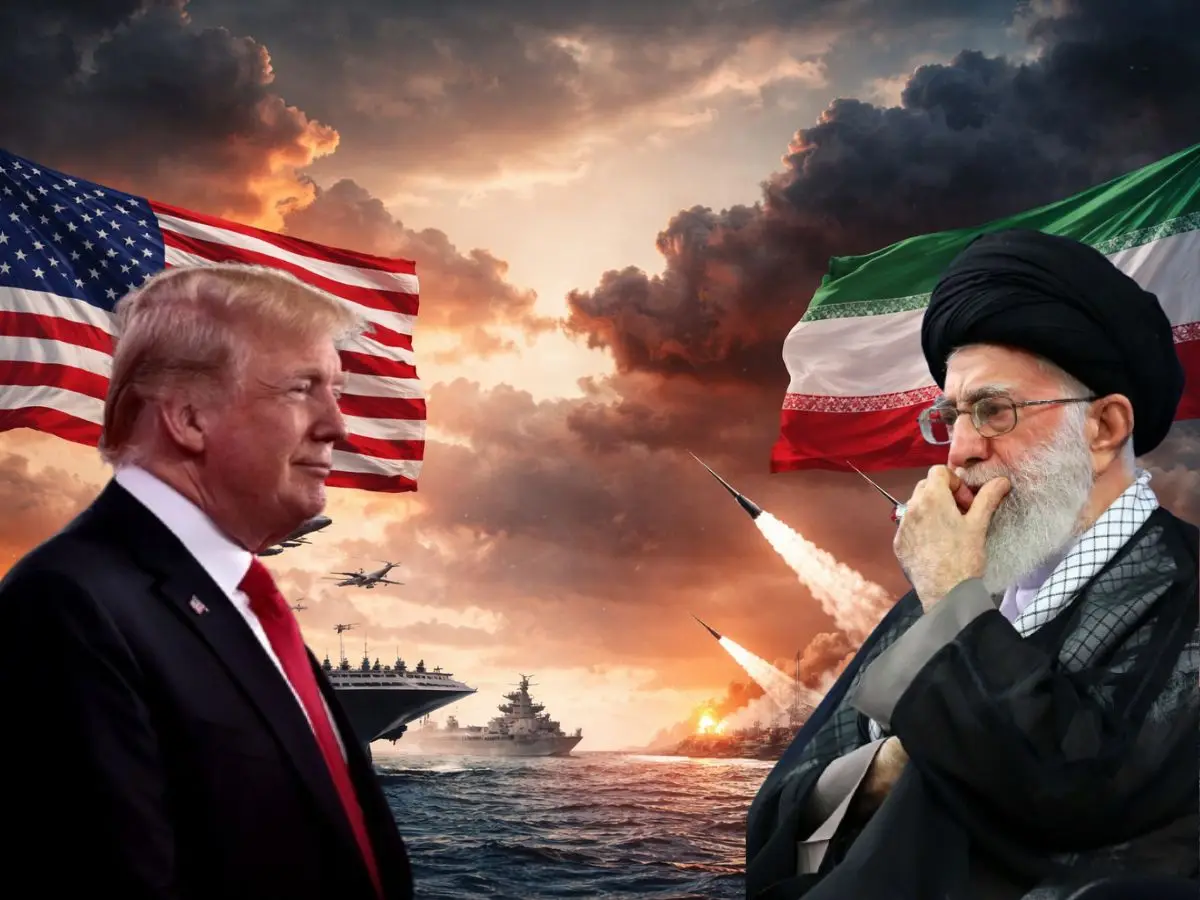
As tensions with the United States sharpen, Iran has moved to consolidate its military posture at home and at sea. Several media reports point to a coordinated effort to reinforce sensitive sites, intensify naval activity and streamline command structures. The moves follow renewed warnings from Washington and come as diplomatic engagement over Tehran’s nuclear programme has nearly ground to a halt, after US President Donald Trump publicly gave Iran 10 to 15 days to agree to a nuclear deal.
Concealment and Repairs at Key Sites
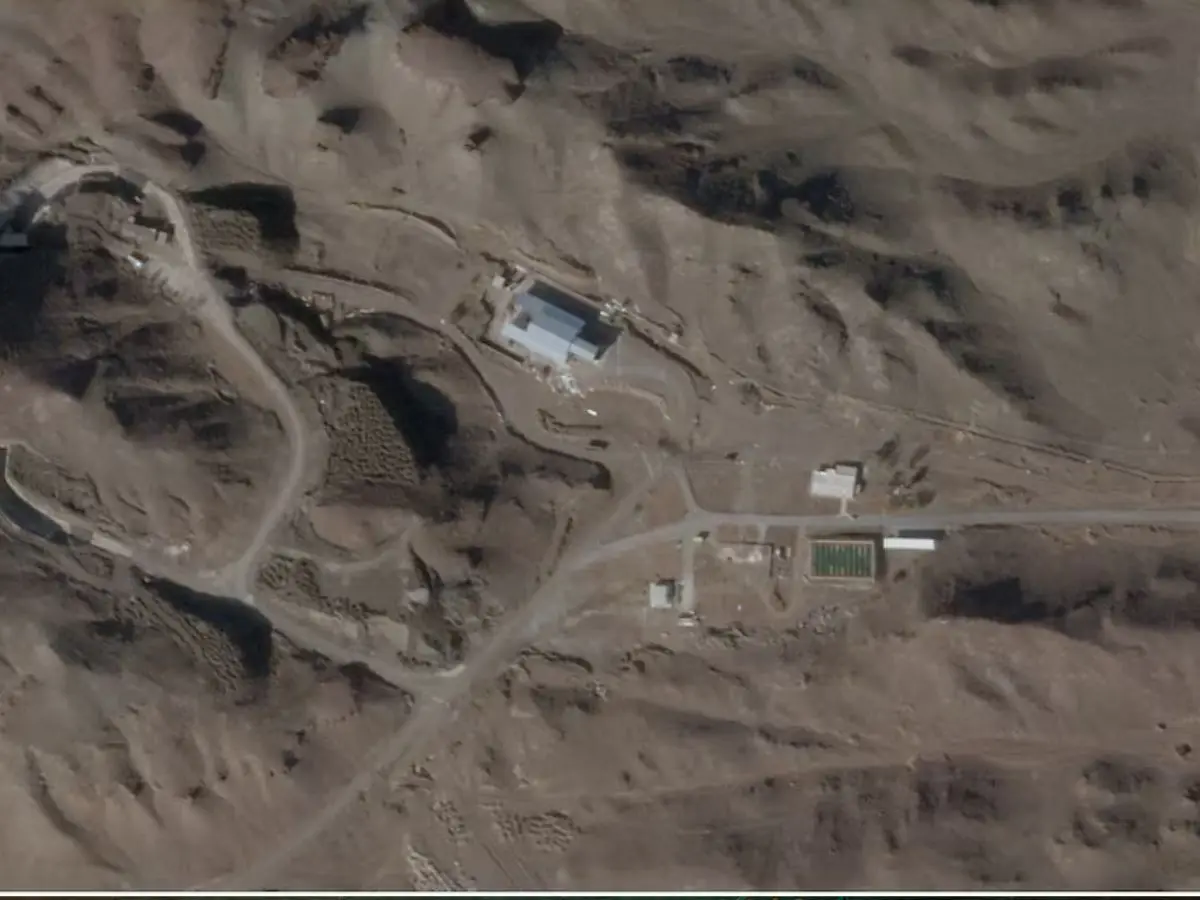
Recently, satellite imagery indicated that Iran has been repairing and concealing parts of sensitive nuclear and military facilities. According to Reuters, work has included protective earthworks and structural reinforcements around strategic locations, including the nuclear facilities that had been bombed in the targeted strikes by US in June 2025. The steps are widely interpreted as precautionary, designed to reduce vulnerability in the event of potential US or Israeli strikes.
Hormuz Drill Sends Signal
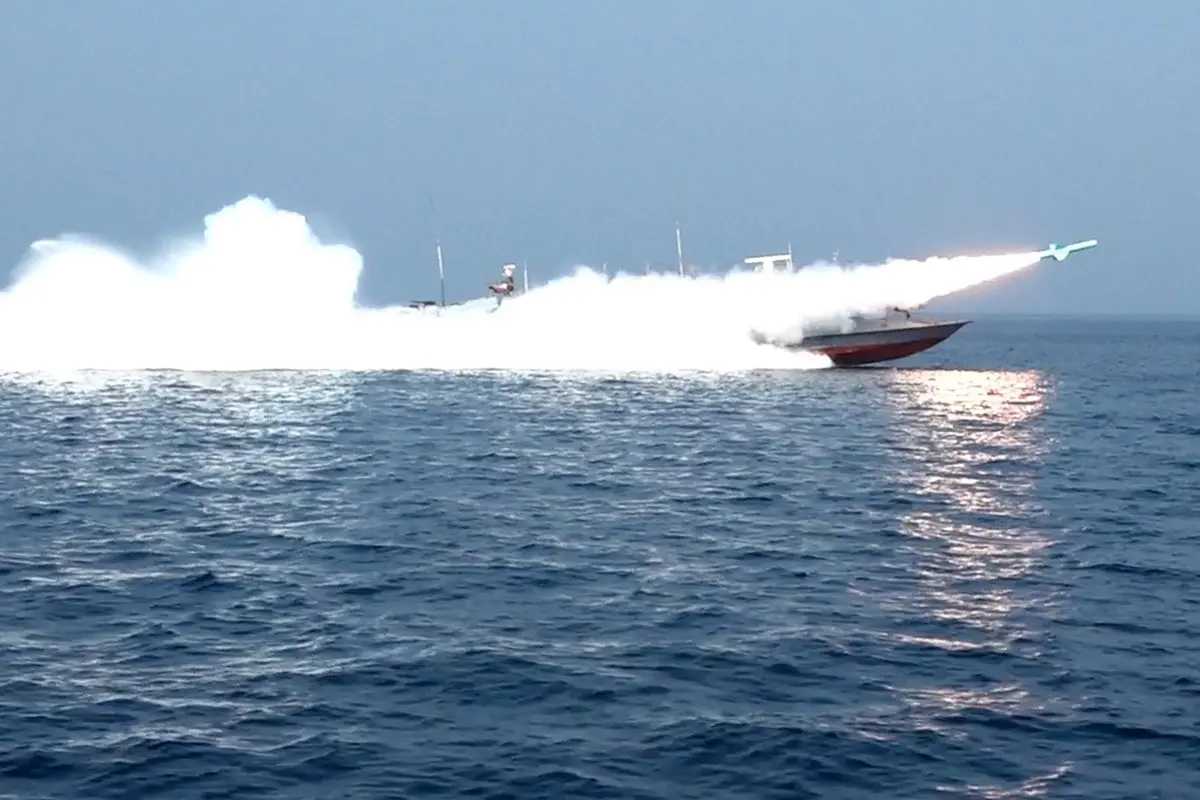
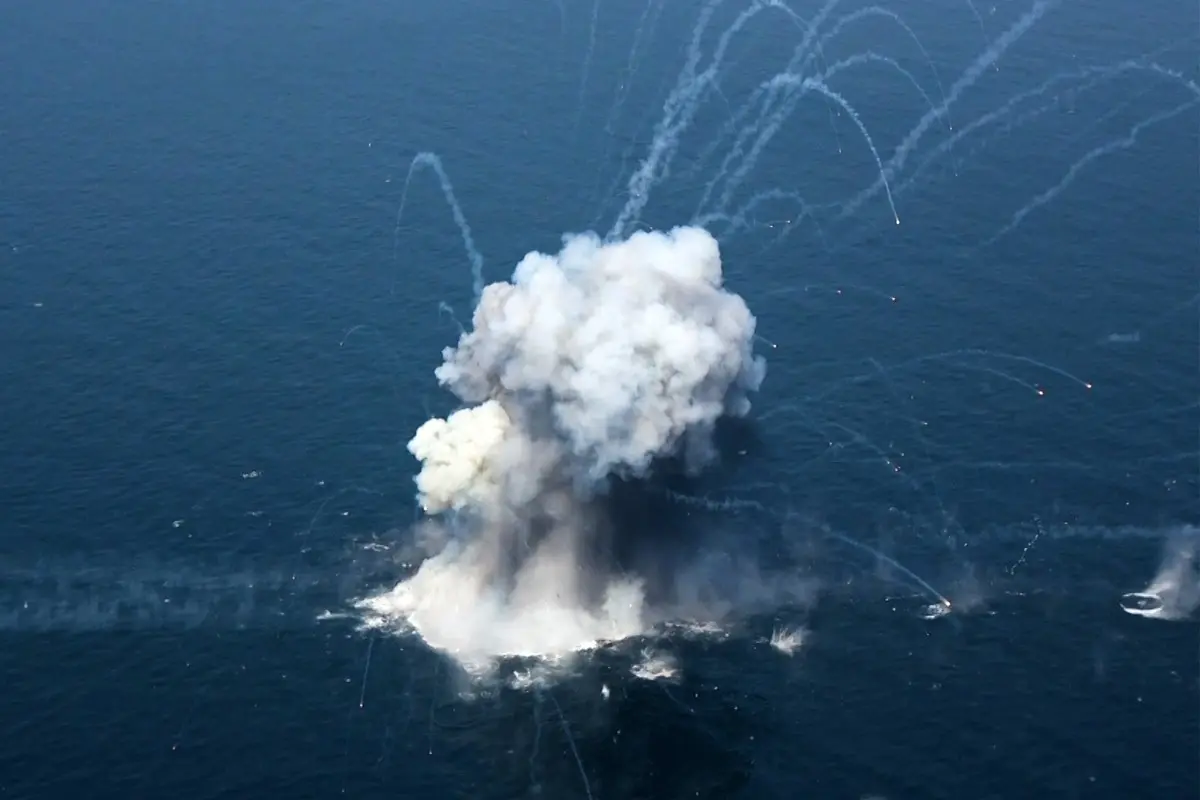
Iran's Revolutionary Guard naval forces have been carrying out live-fire exercises in the Strait of Hormuz. On Tuesday, Iran temporarily closed parts of the Strait of Hormuz during a military drill. The Strait, through which roughly a fifth of global oil consumption passes, is a critical maritime artery. Even a short disruption highlights Tehran’s ability to affect global energy markets and signals readiness to leverage geographic advantage.
Centralising Wartime Authority
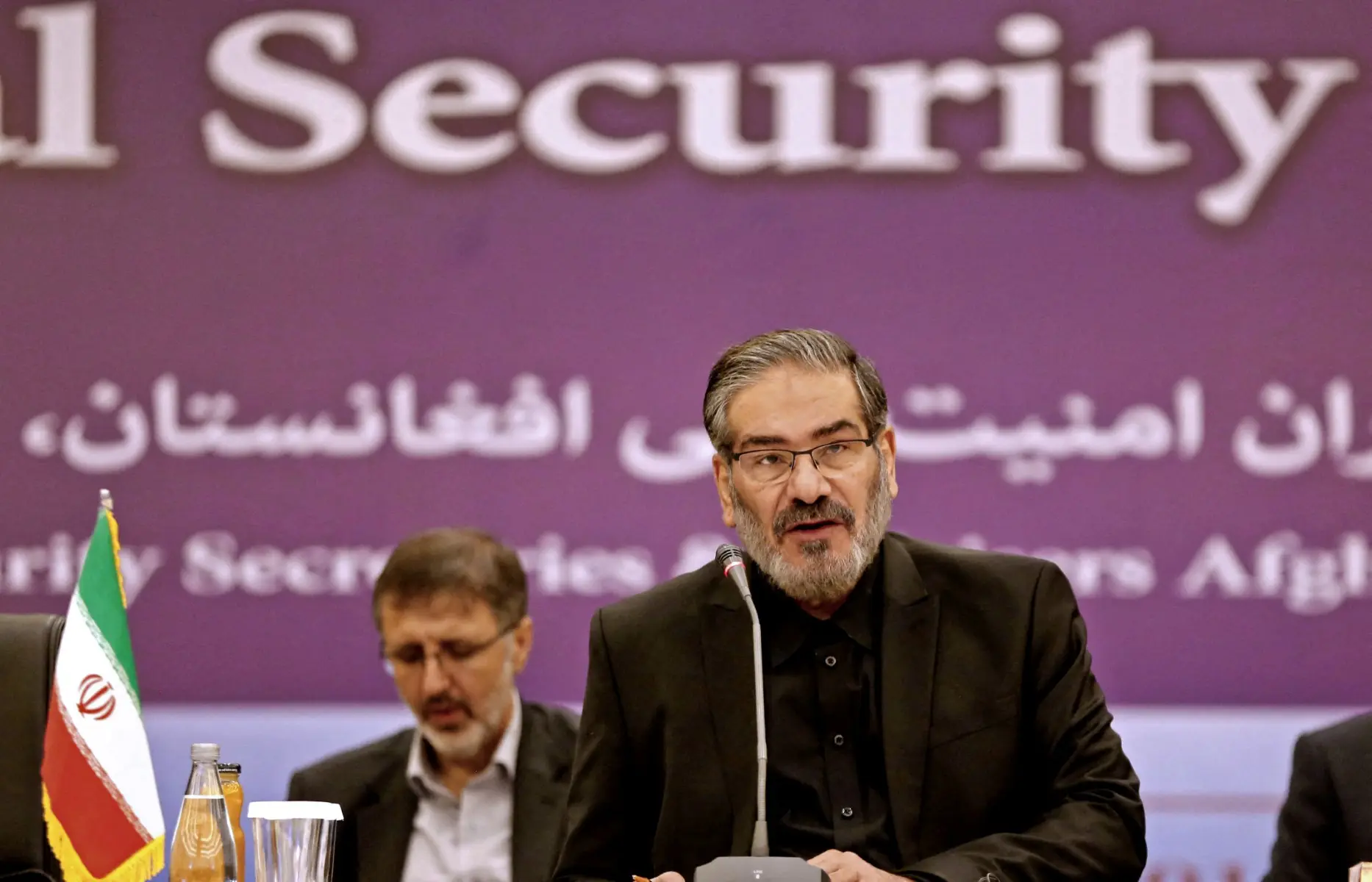
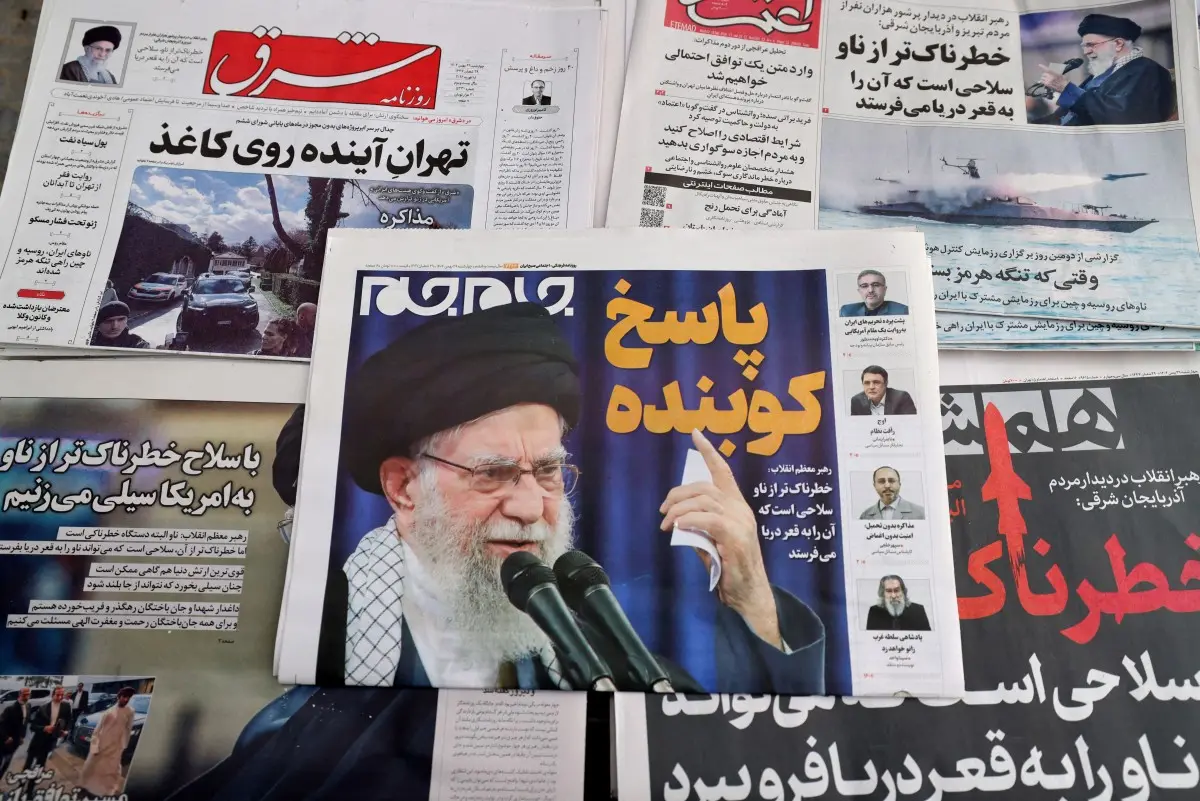
Iran's President Masoud Pezeshkian has also appointed Ali Shamkhani, a navy admiral and long-time security official, as Secretary of Iran’s Supreme Defence Council. Shamkhani previously served as defence minister, secretary of the Supreme National Security Council and navy commander. He was already the Supreme Leader’s representative at the Defence Council, positioning him at the centre of strategic planning.
The Role of the Defence Council
Iran established the Defence Council under the Supreme National Security Council to centralise military decision-making. According to an August 2025 statement by the SNSC Secretariat, its core task is to enable swift, unified defence decisions in wartime or national emergencies, including scenarios ranging from external conflict to leadership transition following last year’s confrontation with Israel.
US Strike Options Under Review
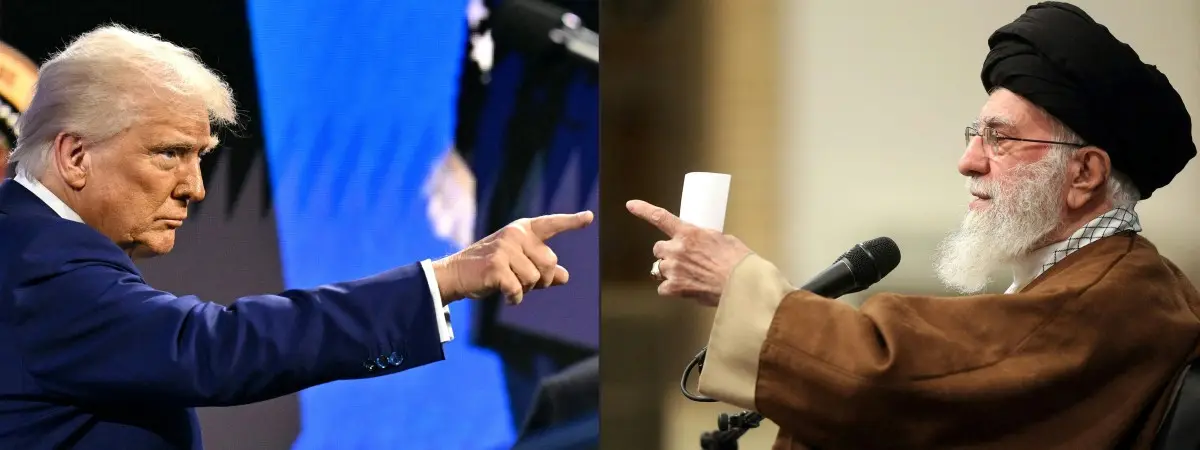
Reports also indicate that US officials have examined potential strike options that could extend to individual Iranian leaders. While no action has been ordered, the disclosures underline the seriousness of the planning on both sides.
A Narrow Path to a Deal
Yet the door to an agreement is not entirely closed. Axios reports that the Trump administration is open to considering a proposal that would allow Iran to retain a 'token' enrichment capability, provided that any pathway to an atomic bomb is fully blocked. A senior US official cautioned, however, that Tehran’s expected proposal “must clear a very high bar”. “The Iranians keep missing the window,” the official said. “If they play games there won’t be a lot of patience", he added.
Calculated Preparation, Not Rhetoric
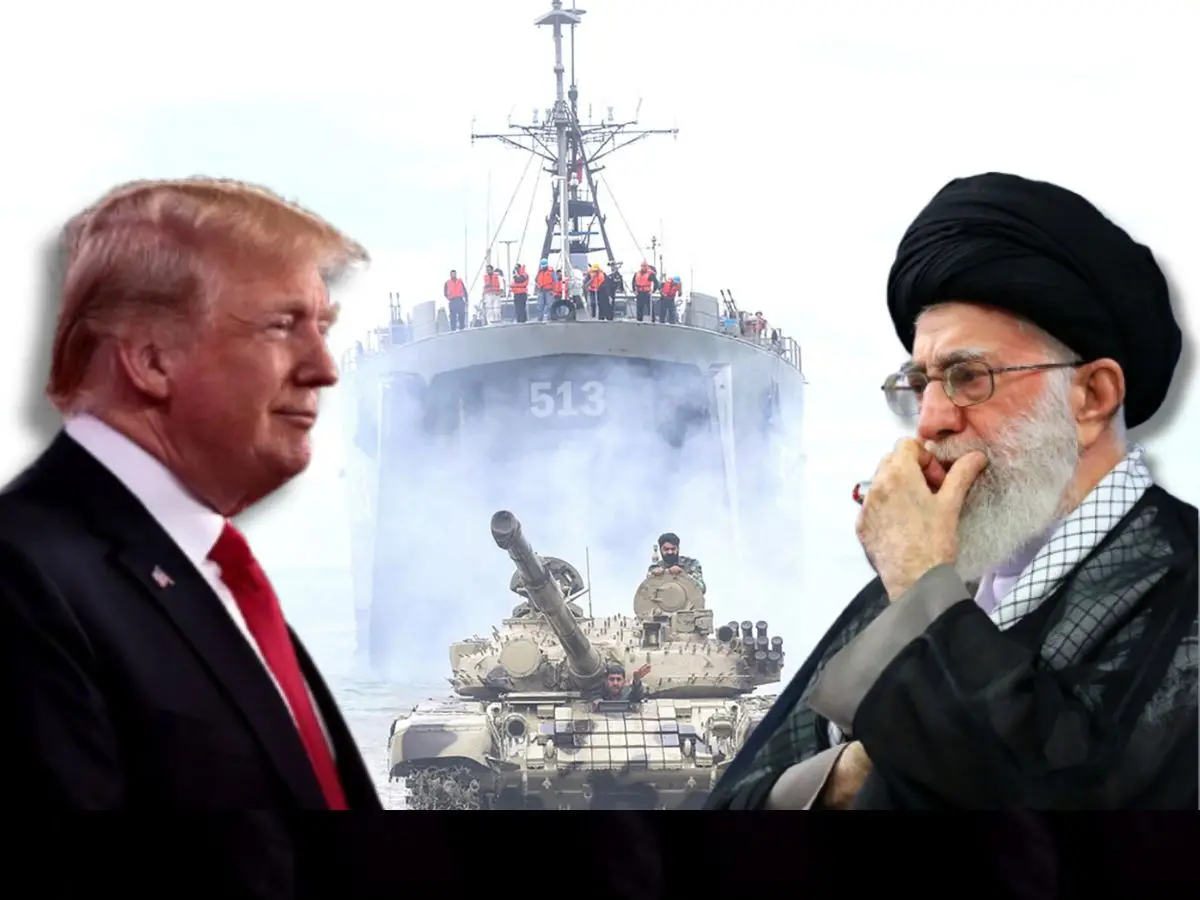
Taken together, Iran’s fortifications, naval drills and command restructuring reflect methodical preparation rather than rhetoric. With diplomatic channels seemingly strained, Tehran appears intent on strengthening deterrence and ensuring that, should confrontation come, decisions can be made quickly and centrally.
)
)
)
)
)