Is India’s K-5 missile better than BrahMos and Agni-5?

Together, K-5, Agni-5 and BrahMos form a balanced triad of strategic and conventional capabilities. K-5 secures the sea-based nuclear leg, Agni-5 strengthens land-based nuclear deterrence, and BrahMos gives India cutting-edge conventional strike power.
1. These Three Missiles Serve Completely Different Purposes
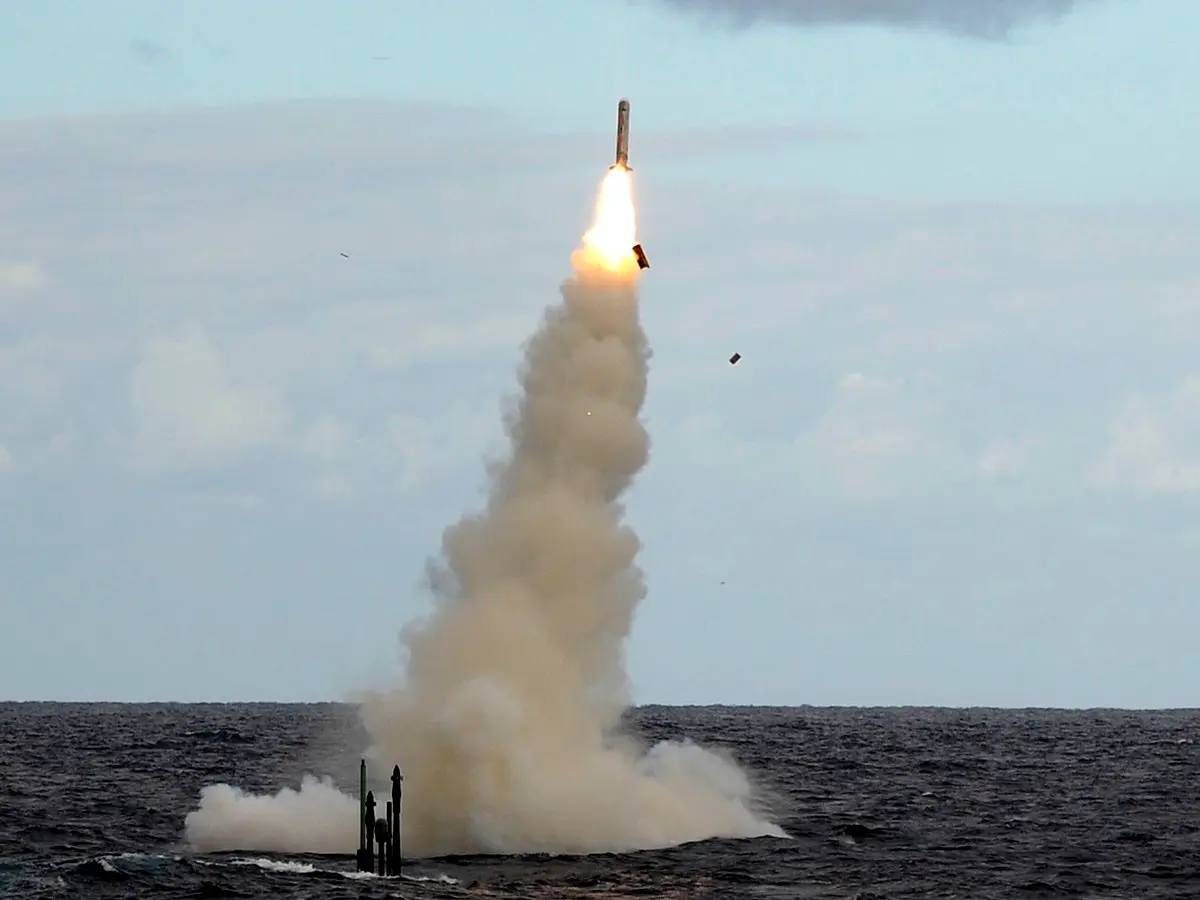
K-5, BrahMos and Agni-5 cannot be compared directly because each belongs to a different class of weapon with a different strategic purpose. K-5 is a submarine-launched nuclear ballistic missile, BrahMos is a conventional supersonic cruise missile, and Agni-5 is a long-range nuclear-capable land-based ballistic missile. Their roles do not overlap, which means none is objectively “better”, each is designed to dominate a particular mission profile.
2. K-5: India’s Future Sea-Based Second-Strike Weapon
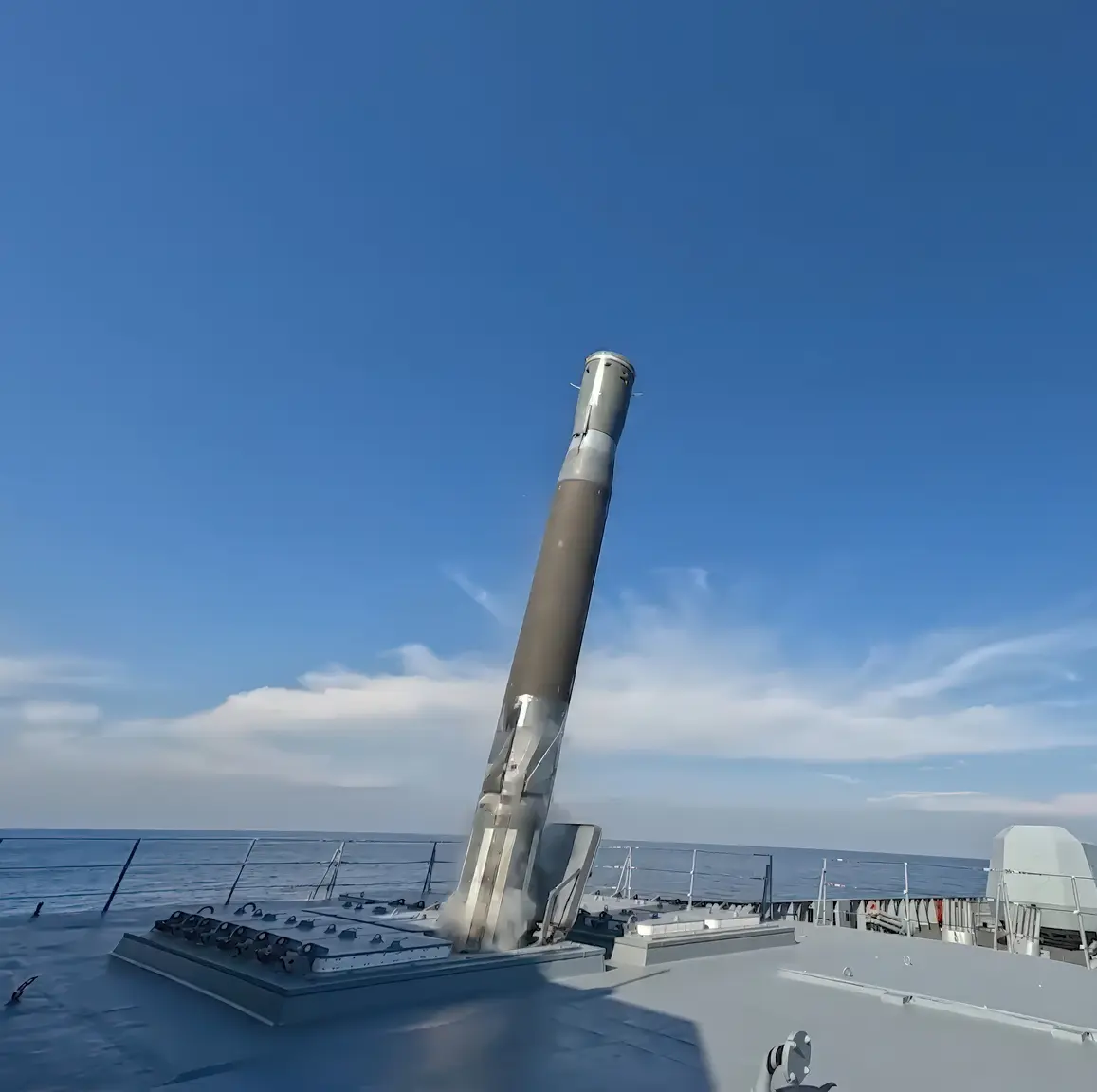
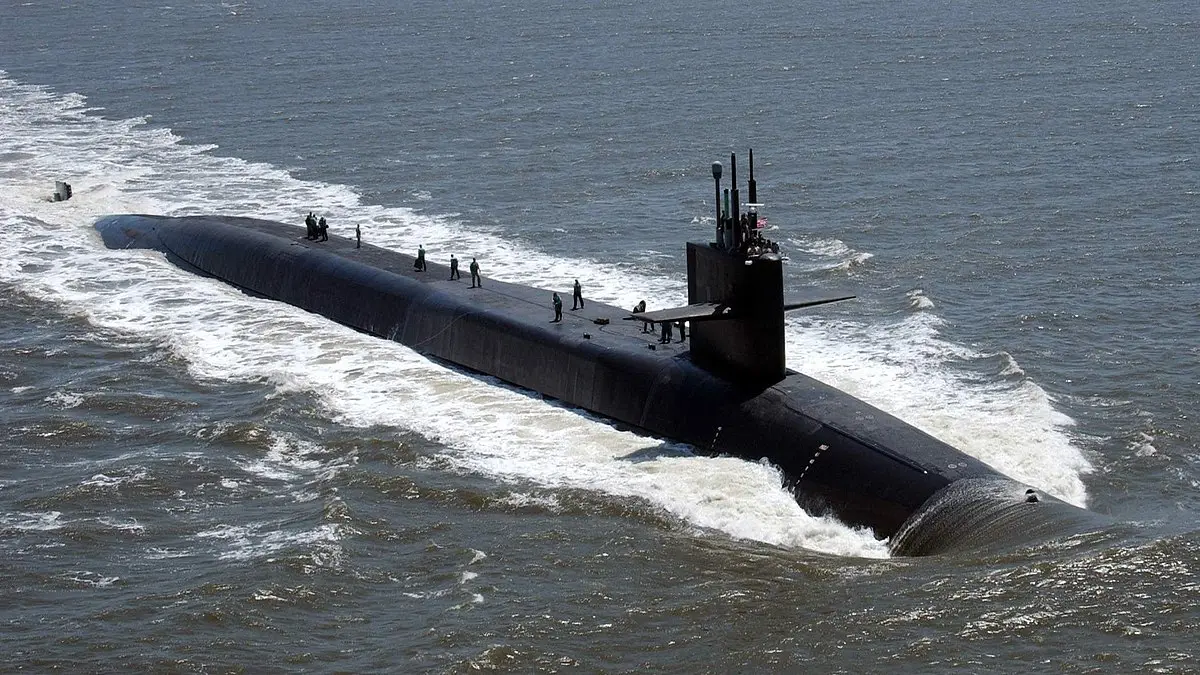
Open-source defence reports suggest the K-5 missile may have a range of 5,000–6,000 km, far greater than the K-15 and K-4 already linked to the Arihant-class submarines. This range allows submarines to stay deep within secure Indian Ocean waters while still reaching key targets across the region. Because it is launched from an underwater platform that is extremely difficult to detect, K-5 strengthens India’s survivability and ensures a credible nuclear second-strike capability.
3. Agni-5: India’s Land-Based Intercontinental Reach
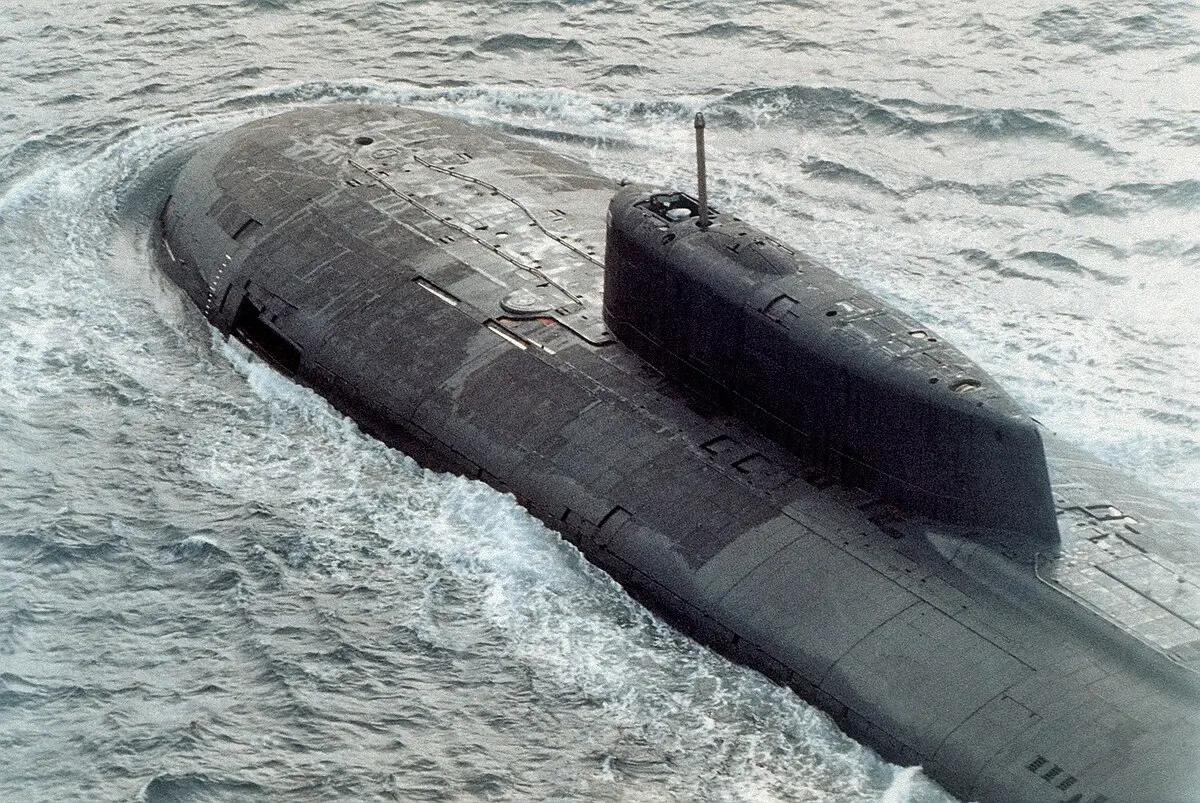
Agni-5 is India’s most advanced land-based nuclear-capable missile with an open-source range of over 5,000 km. It is road-mobile, can be deployed across multiple terrains, and provides India with the ability to reach far-off strategic targets. Although powerful, Agni-5 is still vulnerable to reconnaissance satellites and enemy missiles because it is deployed on land. This makes it a critical deterrent weapon, but not as survivable as a submarine-launched system like the K-5.
4. BrahMos: A Supersonic Conventional Strike Weapon
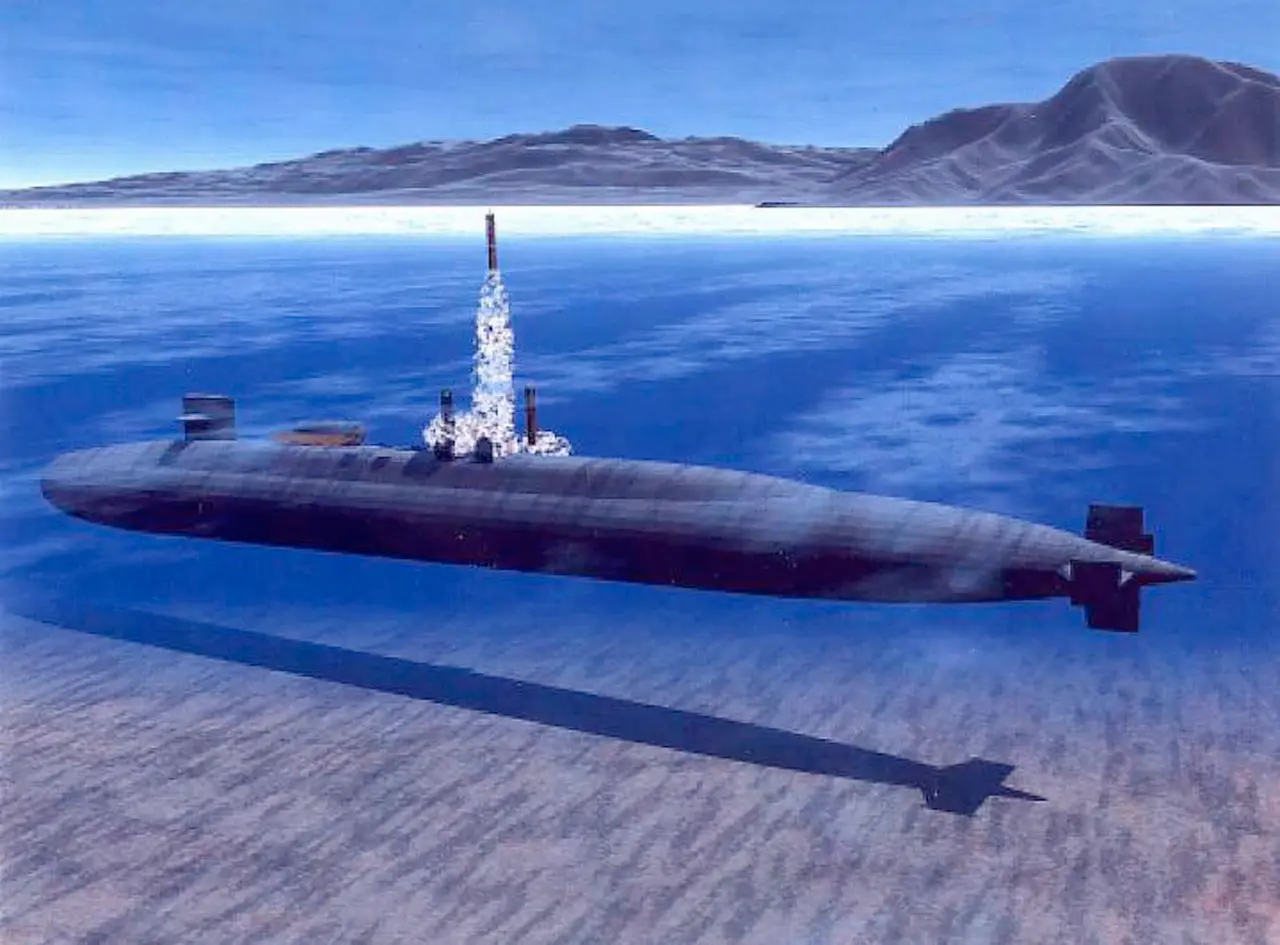
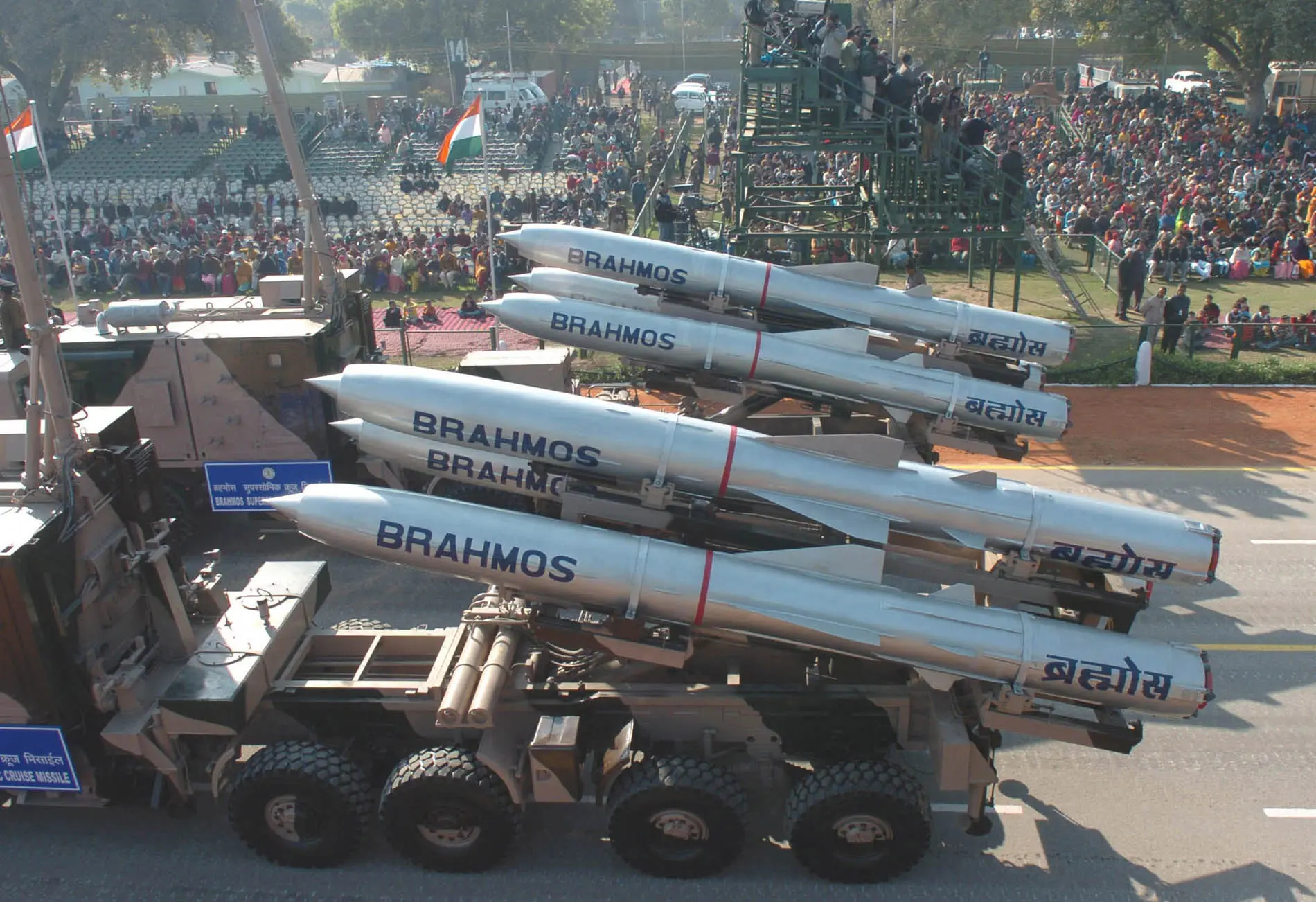
BrahMos is not a nuclear strategic weapon, it is a precision, supersonic cruise missile used against warships, enemy bases, logistics hubs, and high-value military installations. With speeds of Mach 2.8 to Mach 3 and a range of 300–500 km, BrahMos is one of the fastest operational cruise missiles in the world. Its purpose is battlefield dominance and conventional deterrence, not nuclear retaliation, making it fundamentally different from both Agni-5 and K-5.
5. K-5 vs Agni-5: Which Is Better for Nuclear Deterrence?
For nuclear deterrence, survivability is the deciding factor, and this is where K-5 holds the edge. Submarines carrying K-5 can remain hidden underwater for months, making them extremely difficult to detect or target. Agni-5, while powerful and precise, still relies on land deployment and therefore cannot be completely shielded from enemy surveillance. Both are essential for India’s strategic posture, but the K-5 offers unmatched resilience for second-strike stability.
6. K-5 vs BrahMos: Not Comparable in Mission or Capability
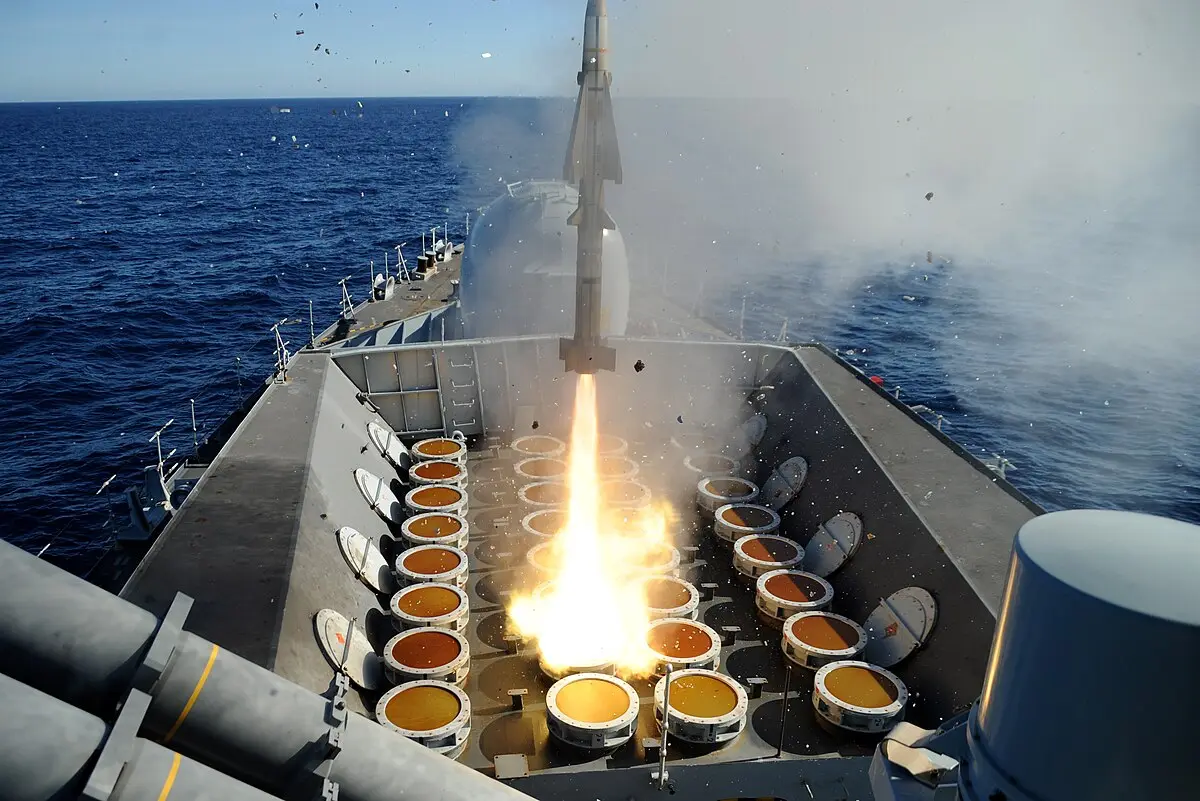
K-5 and BrahMos do not compete because they serve opposite ends of India’s military spectrum. K-5 is a strategic, nuclear second-strike platform intended to prevent war through deterrence. BrahMos is a tactical, conventional missile intended to be used in wartime for quick, high-precision attacks. While BrahMos is unmatched in speed and accuracy for battlefield use, it does not contribute to nuclear deterrence the way K-5 does.
7. India Needs All Three for a Strong, Balanced Defence Posture
Together, K-5, Agni-5 and BrahMos form a balanced triad of strategic and conventional capabilities. K-5 secures the sea-based nuclear leg, Agni-5 strengthens land-based nuclear deterrence, and BrahMos gives India cutting-edge conventional strike power. This combination allows India to deter nuclear threats, respond to regional challenges, and maintain superiority in high-precision warfare. The strength of India’s defence comes not from one missile, but from the synergy of all three.
)
)
)
)
)