Iron Beam weather performance: Can lasers work in rain, fog, or dust storms?

Iron Beam brings cheap, speed-of-light defence but struggles in rain and fog. Advanced adaptive optics and deformable mirrors correct atmospheric distortion, yet the system relies on the all-weather Iron Dome during storms. It’s a cost-effective, fair-weather shield.
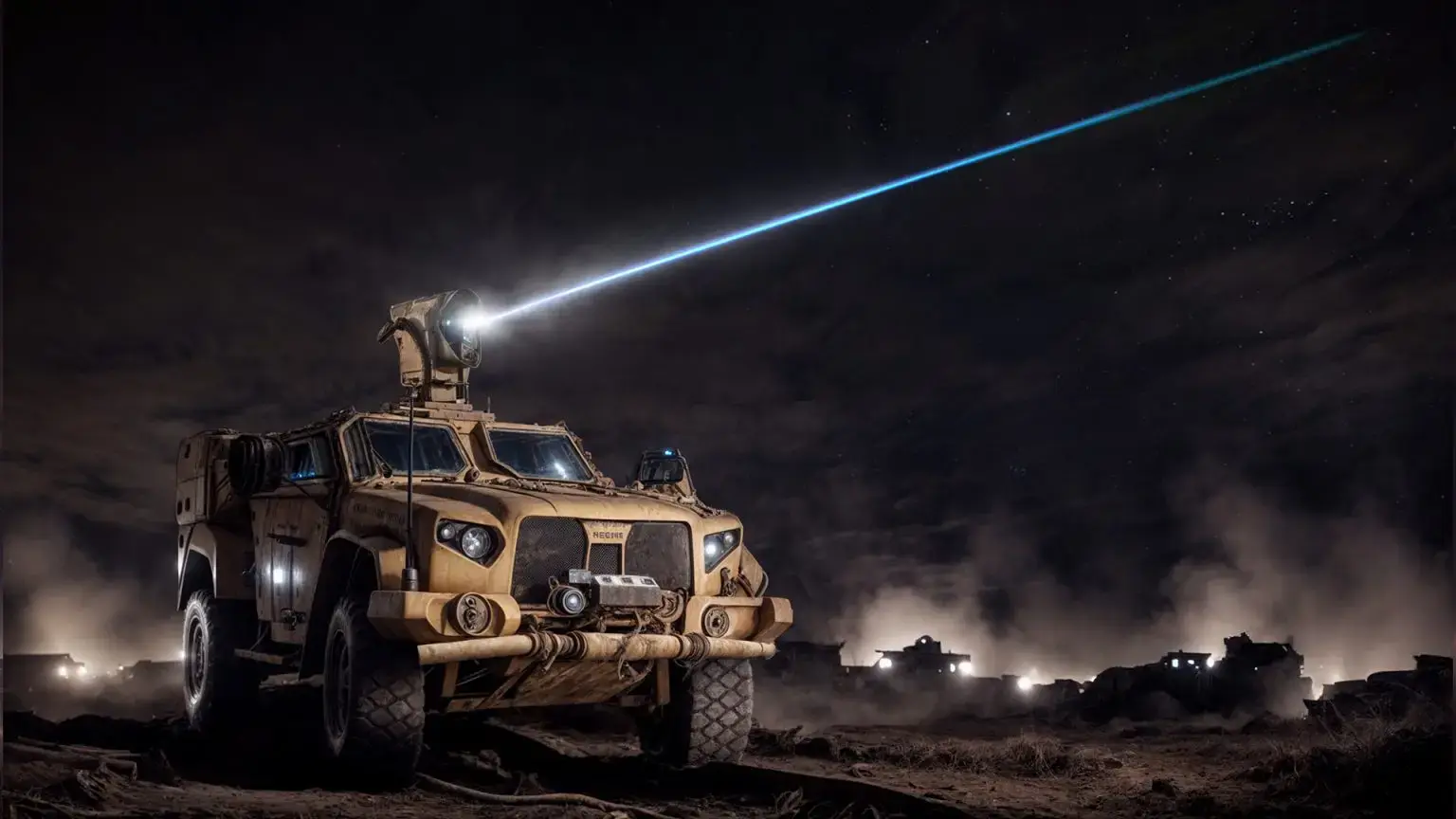
Weather Sensitivity:
The Laser’s Achilles’ Heel Why Weather Weakens Lasers While Iron Beam intercepts threats at the speed of light, it faces a major hurdle: the atmosphere. Heavy rain, dense fog, and sandstorms scatter the laser beam, significantly reducing its range and effectiveness compared to clear-sky operations.
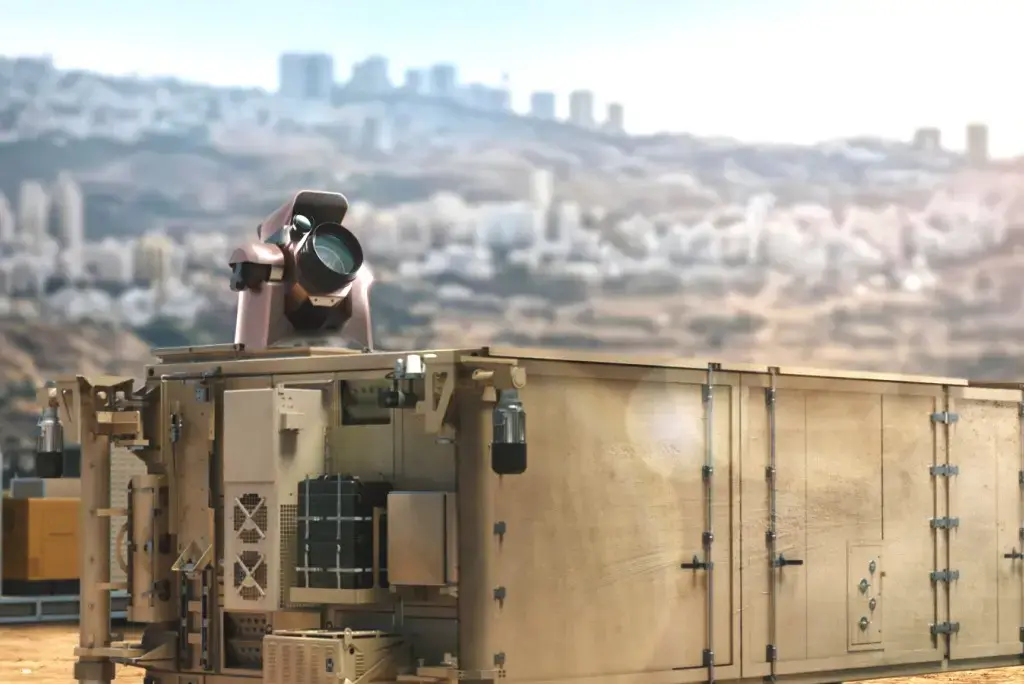
Thermal Blooming:
When Rain Absorbs Power Water Droplets Diffuse Heat Humidity and rain droplets absorb the high-energy laser, causing ‘thermal blooming’ which heats the air path. This creates a lens-like distortion that spreads the beam’s energy, preventing it from burning through the target’s casing.
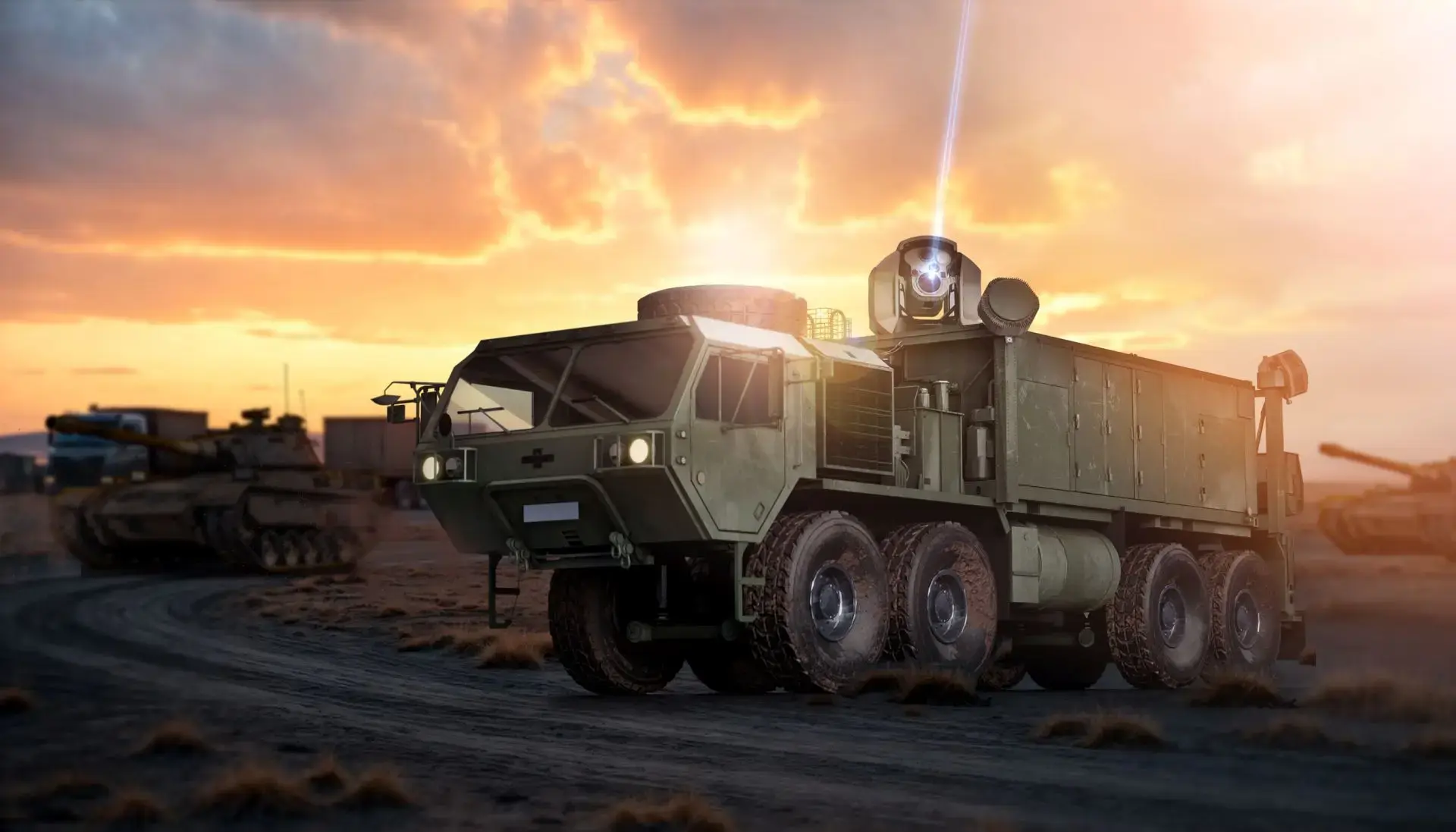
Dust Storms:
Scattering the Kill Shot Particles Block the Beam In dusty environments, suspended sand particles act like a barrier, scattering photons in multiple directions. This ‘scattering effect’ drastically cuts the 100kW laser's intensity, making it difficult to maintain a lethal focus on incoming rockets.
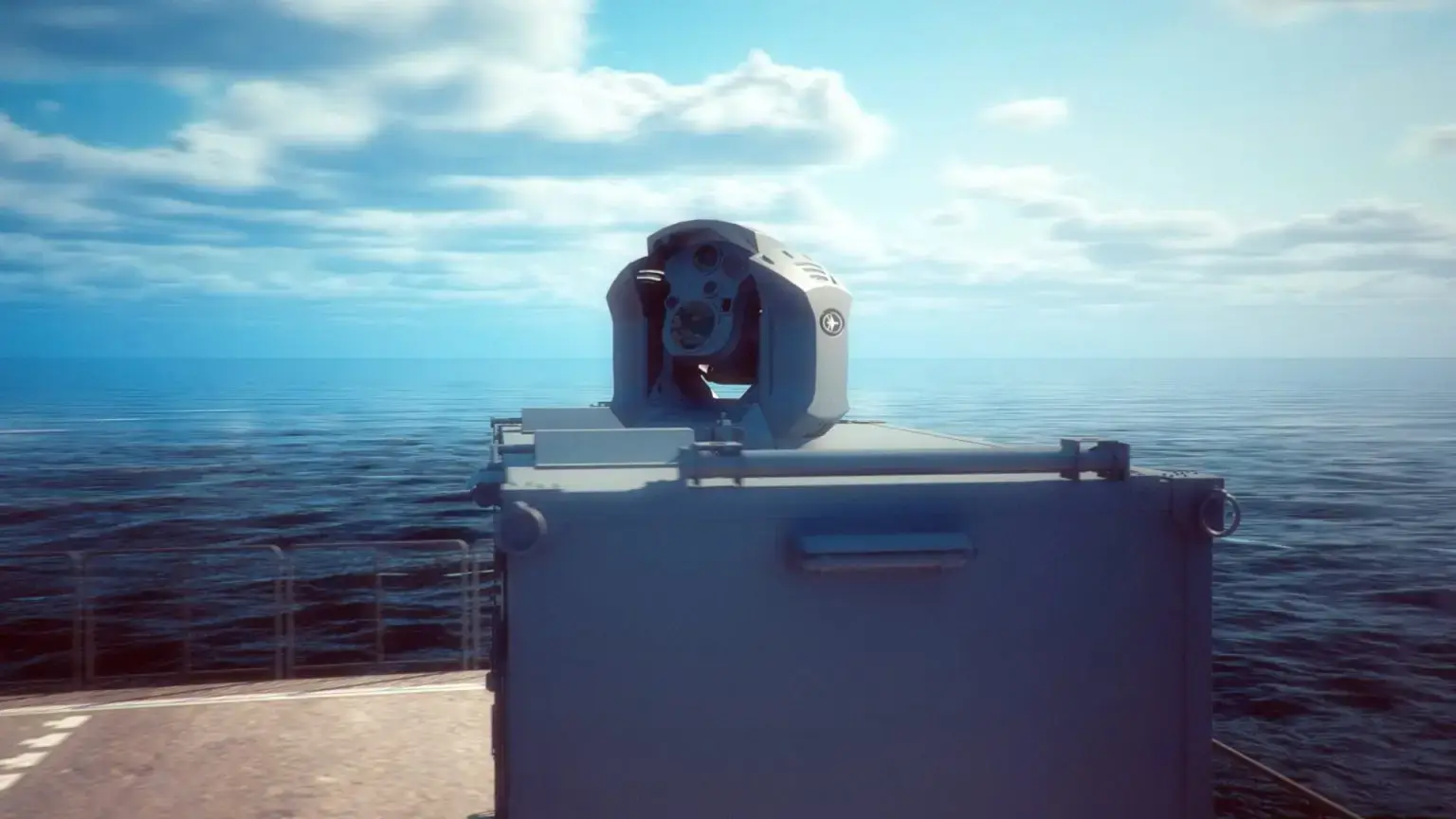
100kW Laser vs Atmospheric
Turbulence Dense Air Reduces Lethality Even with 100kW of power, atmospheric turbulence caused by heat and wind can shake the beam. Without correction, the laser would dance around the target rather than drilling a single precise hole, rendering it ineffective.
Adaptive Optics:
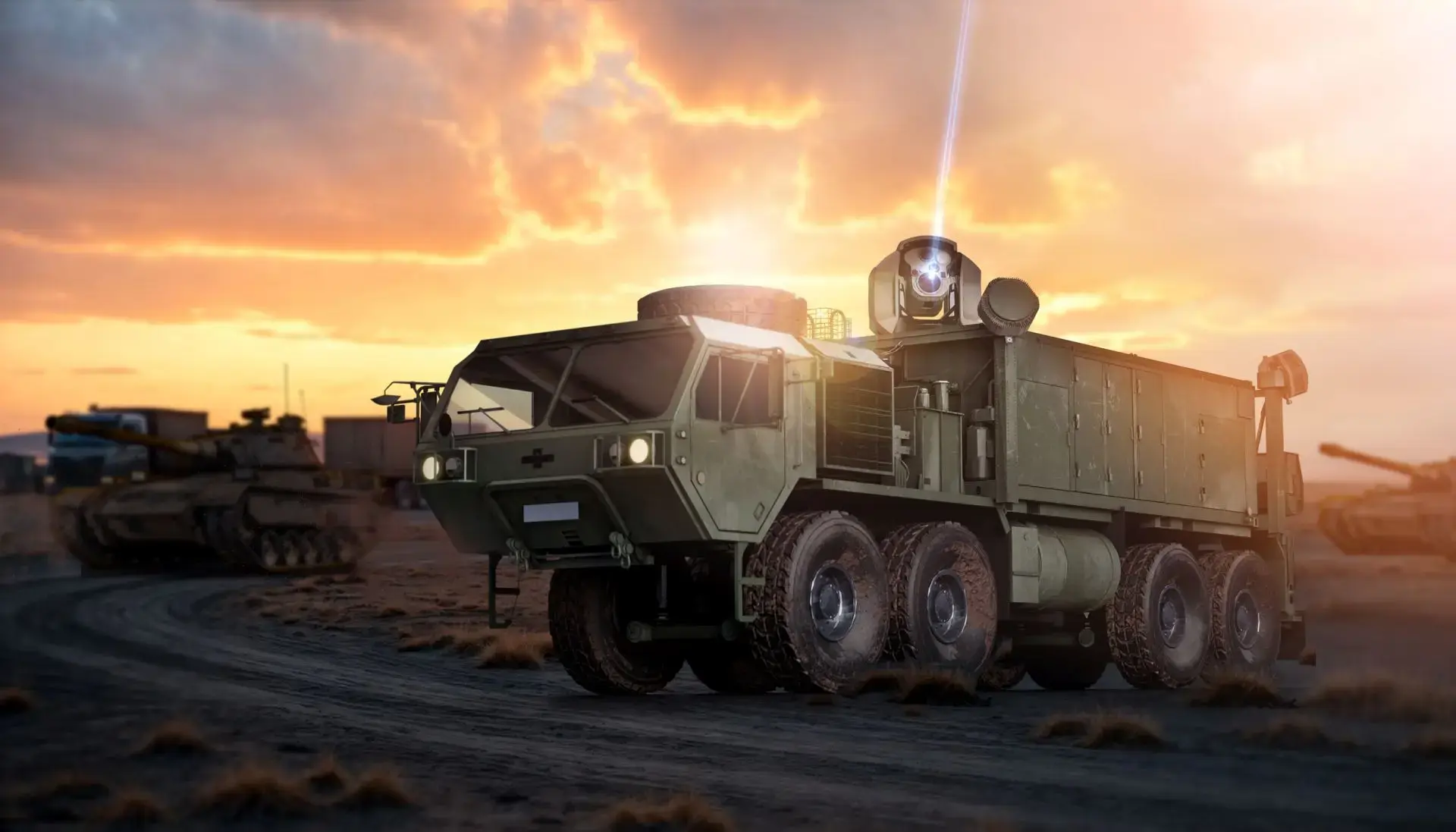
The Weather Solution Correcting Distortion Real-Time To fight this, Iron Beam uses ‘adaptive optics’ technology. Sensors detect atmospheric distortion, and the system adjusts the beam’s properties in real-time to counteract the blurring effects of wind and haze.
Deformable Mirrors:
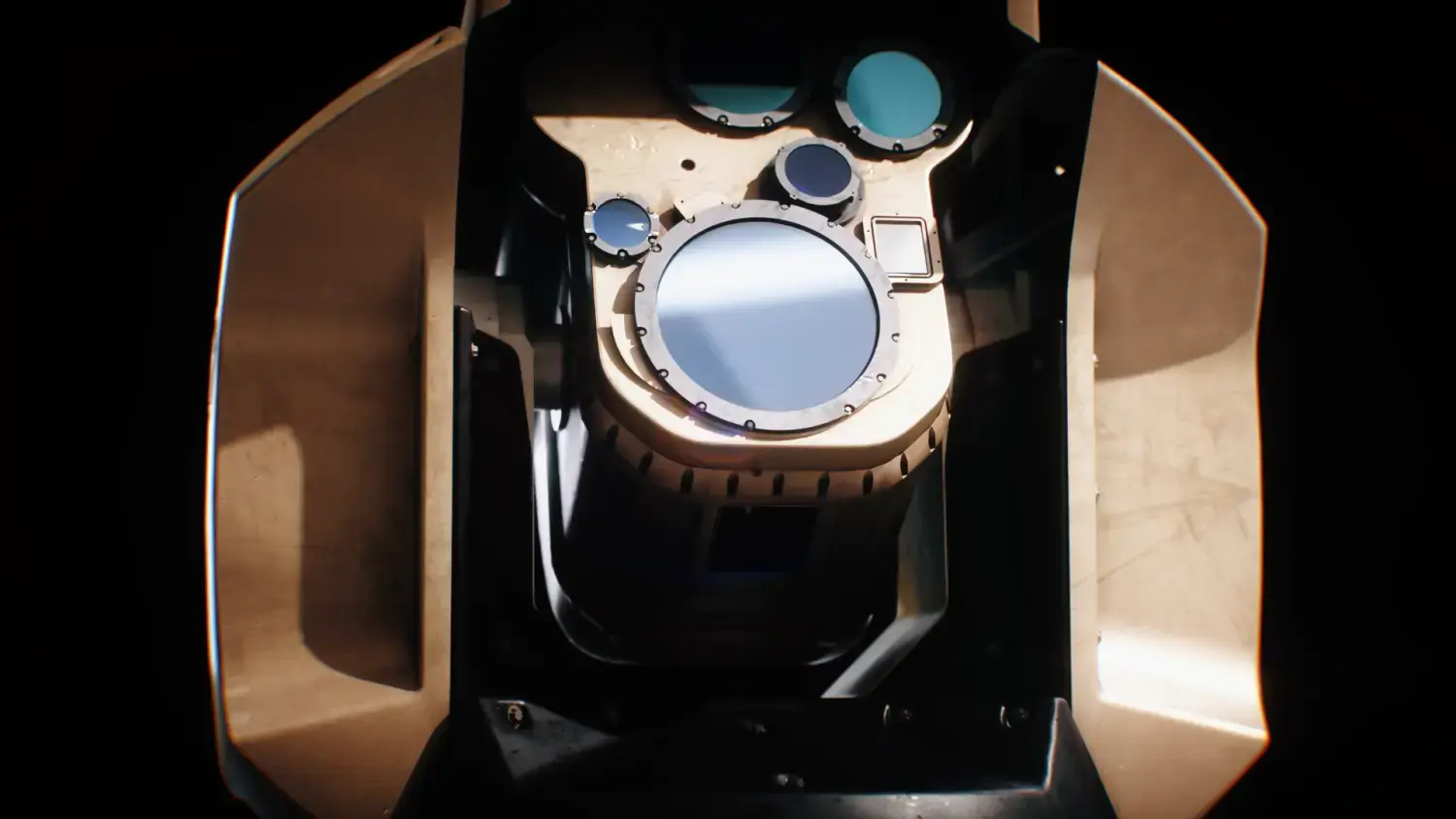
1,000 Adjustments Per Second Reshaping Light Instantly The system employs special deformable mirrors with thousands of actuators. These mirrors change shape over 1,000 times per second (1,000 Hz) to straighten the beam as it passes through turbulent air, maintaining a tight focus.
Pinpoint Accuracy:
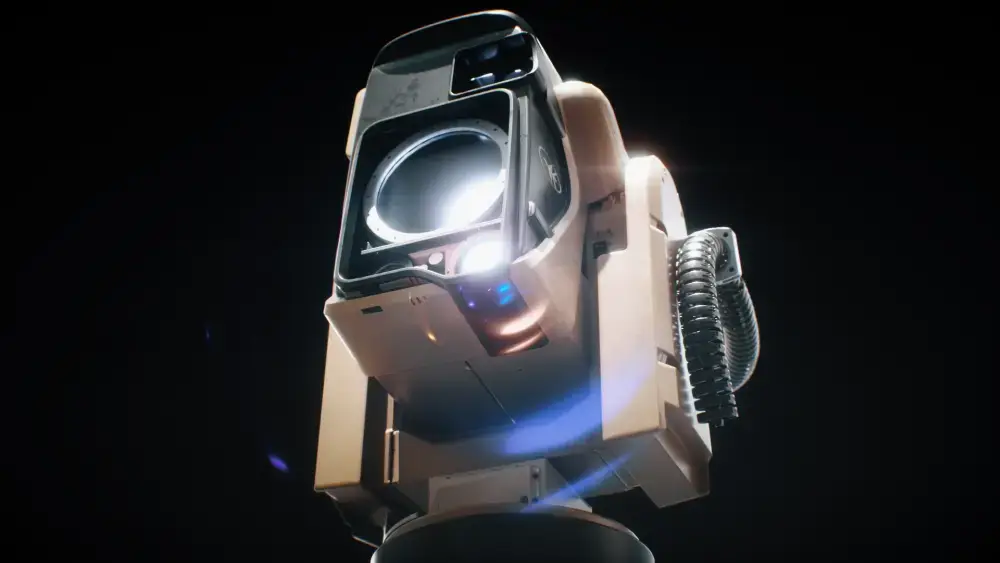
Sub-100 Microradians Focusing on a Coin-Sized Spot Despite weather challenges, the correction system strives to keep beam divergence below 100 microradians. This allows the laser to focus all its energy on a spot the size of a coin (approx 25mm), even through light haze.
Iron Dome:
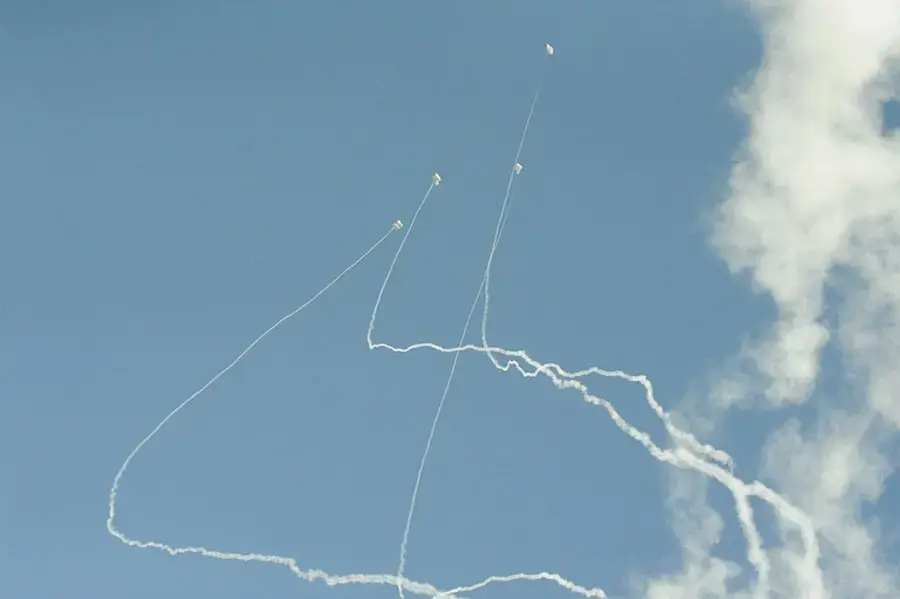
The All-Weather Backup Radar Sees Through Storms When visibility drops too low for lasers, the Iron Dome’s Tamir interceptors take over. Unlike optical lasers, these radar-guided missiles see perfectly through thick clouds and heavy storms, ensuring 24/7 defence.
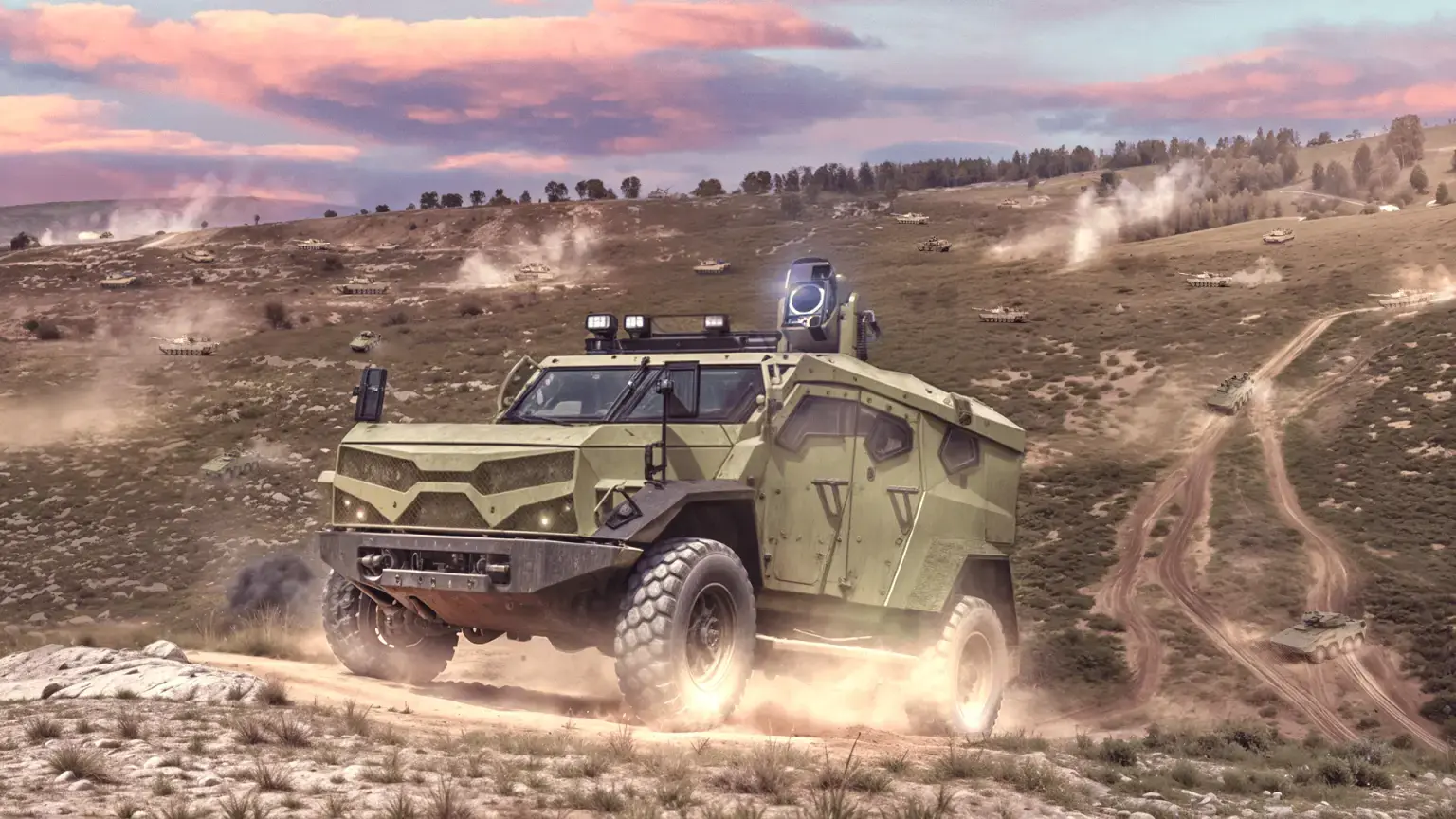
Cost vs Capability:
A Strategic Balance $3.50 Laser vs $50,000 Missile Commanders use the $3.50 laser for fair weather to save money. During severe storms, they switch to the $50,000 Iron Dome missiles, accepting the higher cost to ensure safety when the laser is physically limited.
Future Tech:
Punching Through the Haze New Algorithms for 2026 Engineers are developing advanced algorithms and 'spectral beam combining' to improve punch-through capabilities. These upgrades aim to extend the laser's operational window in marginal weather, though heavy storms remain a kinetic job.
)
)
)
)
)