Iron Beam vs traditional air defence: How laser weapons change everything

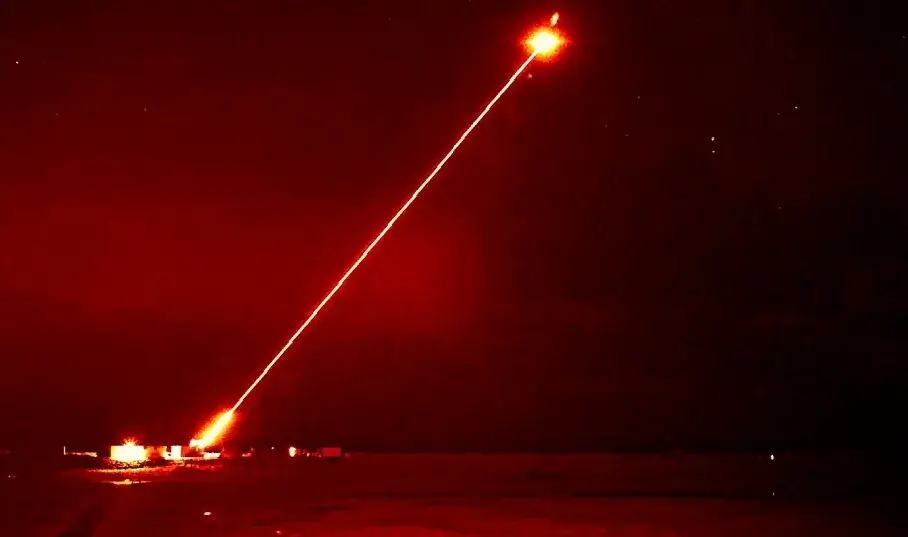
Laser defence systems like Iron Beam and DragonFire promise very low costs and instant, silent interception. Urban deployment safe without civilian harm. Unlimited ammunition with electricity-only requirement. Laser beams almost impossible to intercept or jam.
Cost Revolution - $3 Per Shot Versus Millions in Missiles
Iron Beam engages incoming threats at approximately three pounds per laser shot compared to 60,000 pounds for traditional Iron Dome missile interceptors representing 20,000-fold cost reduction. The UK's DragonFire laser system fires at thirteen pounds per shot versus missile interceptors costing up to 111 million pounds. Patriot systems deploy interceptors costing 5.17 million pounds each whereas laser systems cost mere pennies per engagement.
Speed of Light Engagement - Instant Response Time
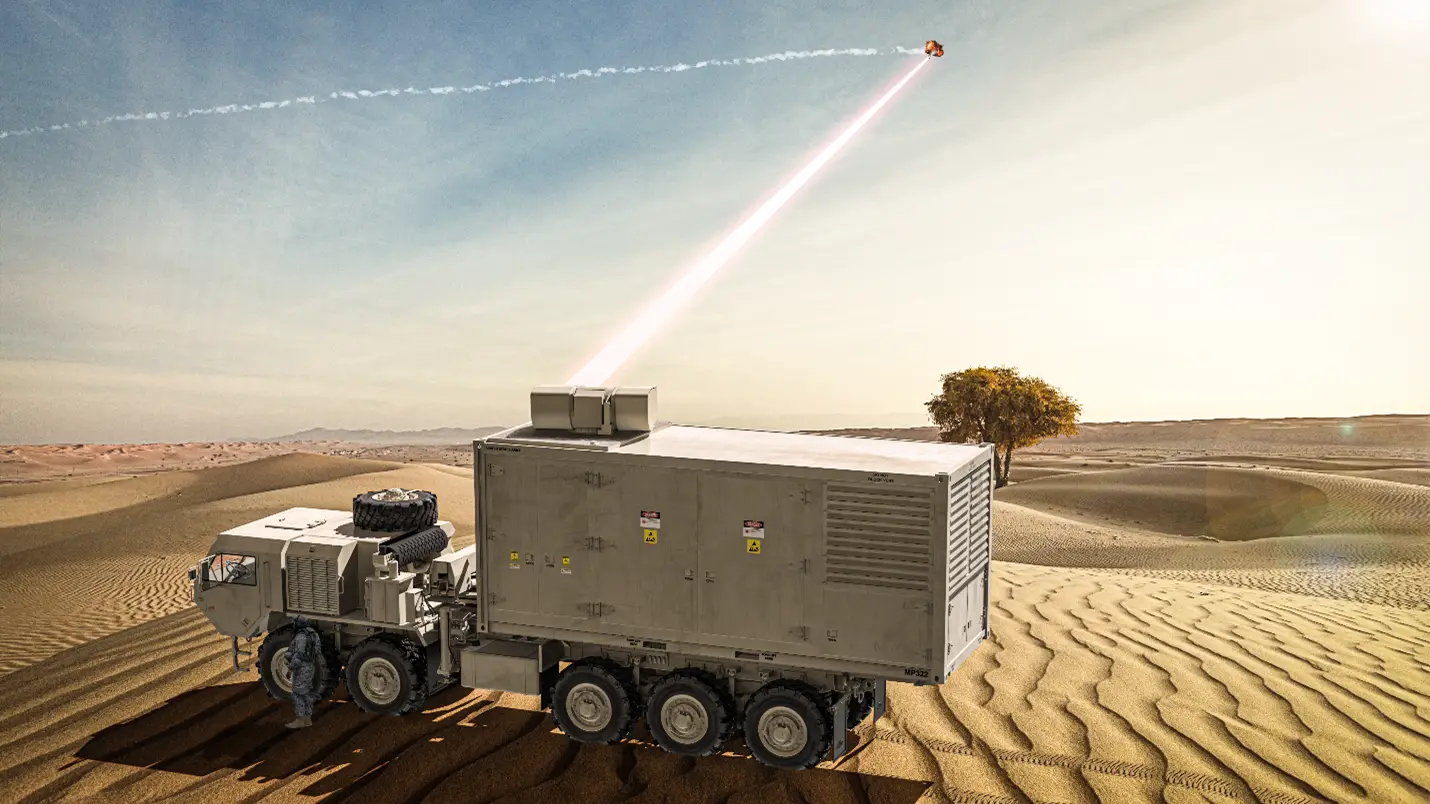
Iron Beam travels at light speed, 300,000 kilometres per second, eliminating flight time delays inherent in missile-based systems requiring seconds to reach targets. Traditional missiles follow ballistic trajectories requiring calculations and compensations for gravity, wind, and Coriolis effects. Laser beams follow perfectly straight paths requiring only line-of-sight aiming without complex ballistic computations.
Silent Stealth Operation
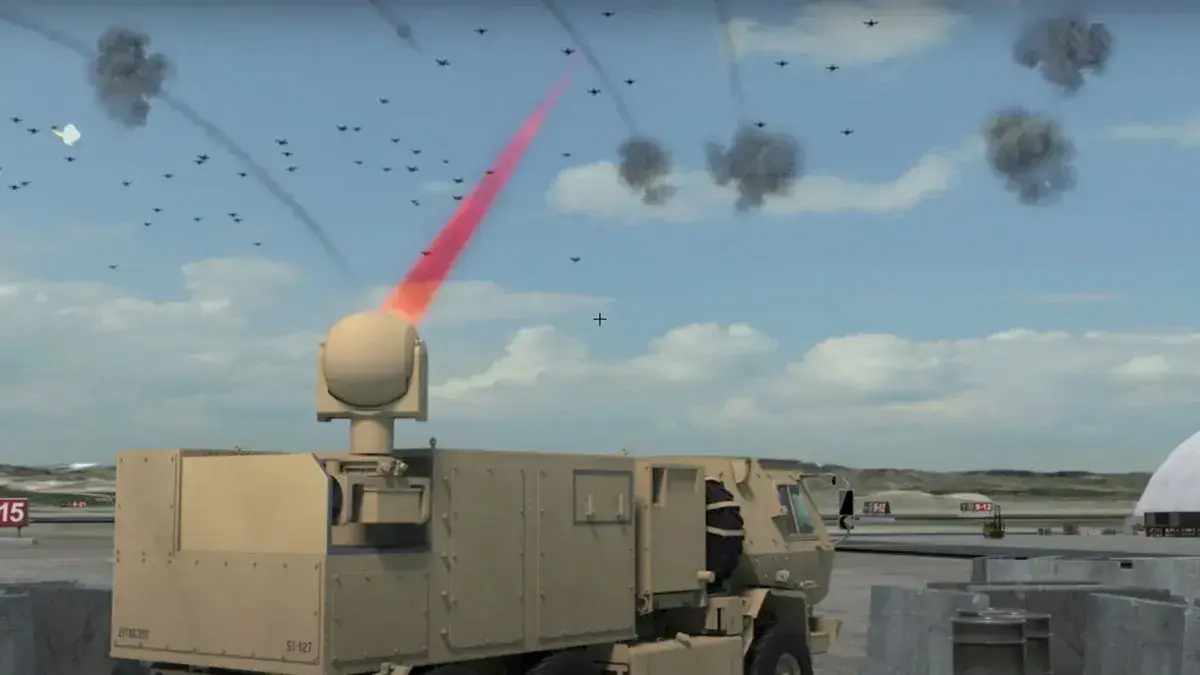
Laser weapons operate silently generating no acoustic signature whereas missile launches create distinctive sounds alerting enemies and civilians nearby. Laser interceptions leave minimal traces compared to explosive warheads creating debris and collateral damage. Silent operation proves particularly valuable in urban defence scenarios where explosions risk civilian casualties or property damage.
Urban Safety Advantage
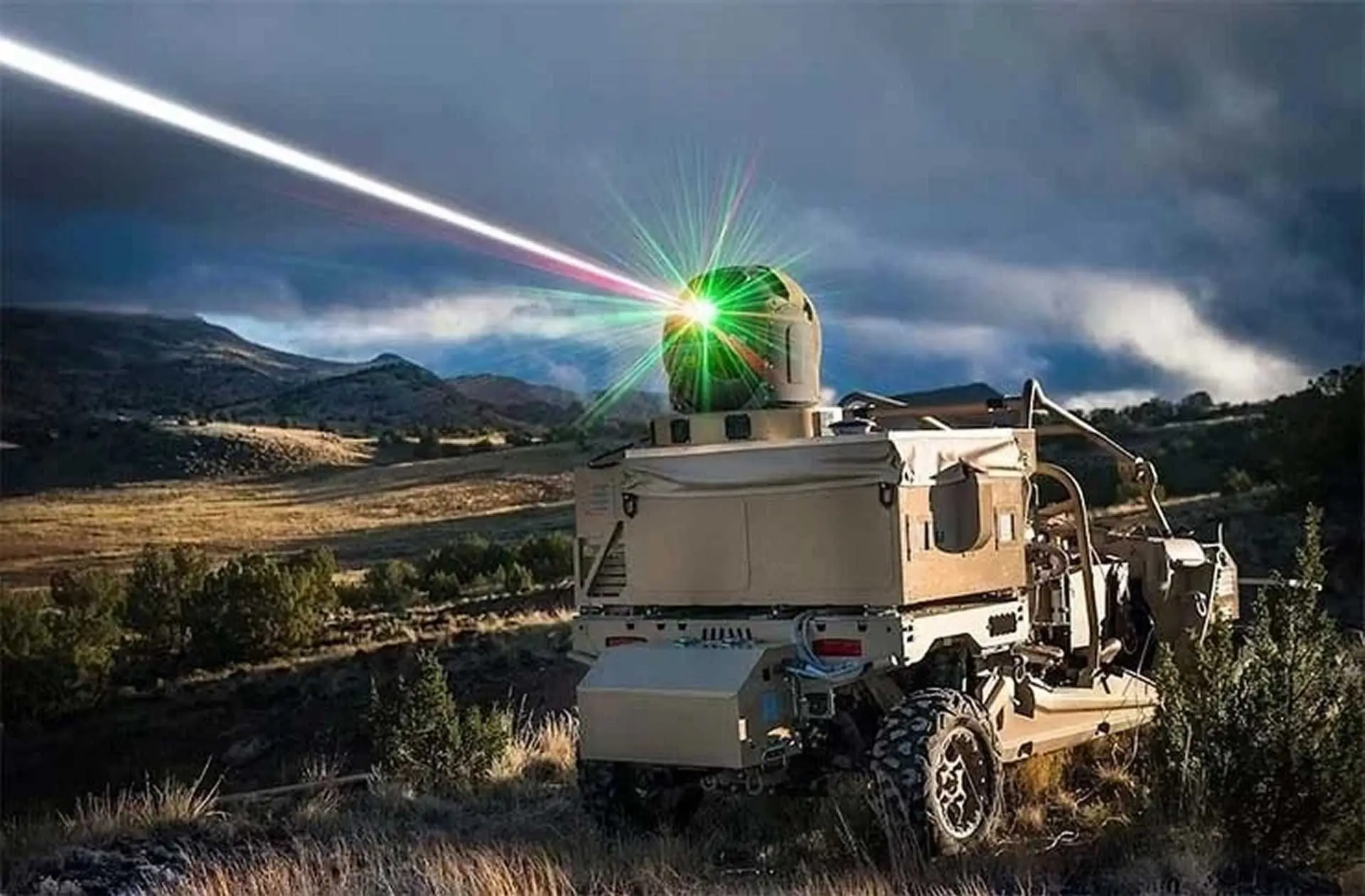
Iron Beam provides high localisation of destruction enabling deployment in dense urban areas without creating collateral damage typical of explosive missiles. Thermal interception heats targets until structural failure without explosive warheads fragmenting across populated areas. Urban air defence requires precision targeting impossible with traditional missiles risking civilian harm.
Unlimited Ammunition
As long as electrical power remains available, laser systems provide unlimited engagement capability compared to finite missile supplies requiring replenishment through vulnerable supply chains. Traditional air defence runs out of interceptors during sustained attacks but laser systems maintain firing capacity indefinitely. This eliminates ammunition depletion scenarios forcing retreat when magazines empty.
No Interception Possible
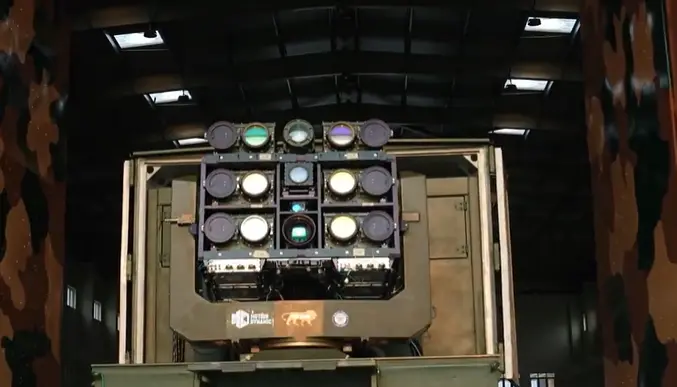
Unlike missiles that adversaries can shoot down or jam, laser beams travel at light speed making physical interception theoretically impossible for defending aircraft. Electronic jamming proves ineffective against laser weapons unlike radar-guided missiles vulnerable to electronic countermeasures. This asymmetric advantage favours defenders using laser systems.
Instant Beam Steering
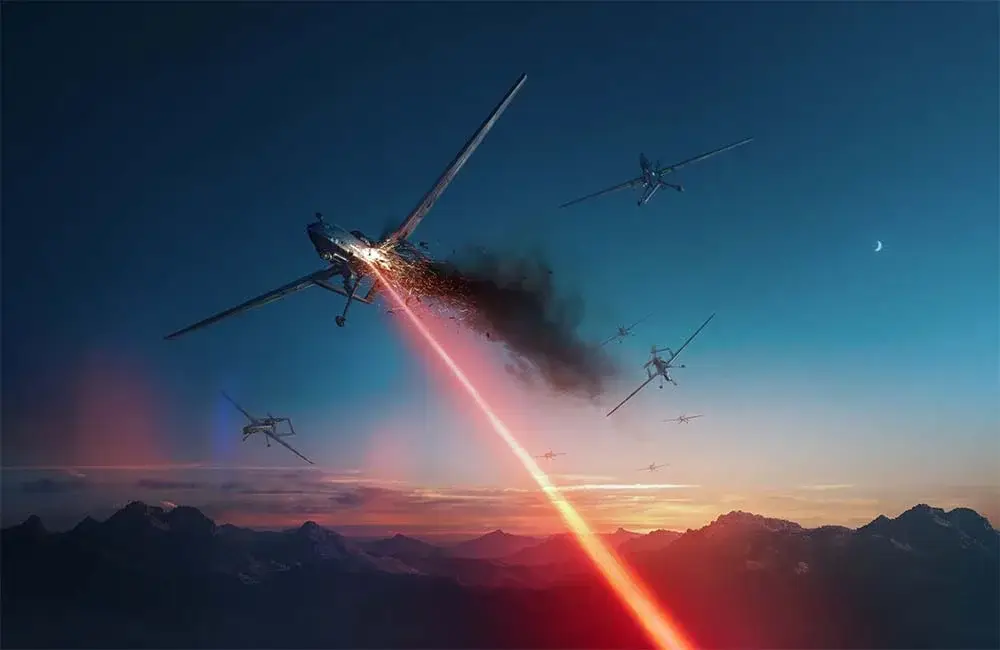
Iron Beam redirects its beam between targets in milliseconds enabling engagement of multiple threats sequentially without mechanical launcher repositioning time. Traditional missile systems require minutes reloading between shots and physical traverse of launch platforms. Beam agility provides engagement speed advantage defeating fast-moving threats.
Power Infrastructure Requirement
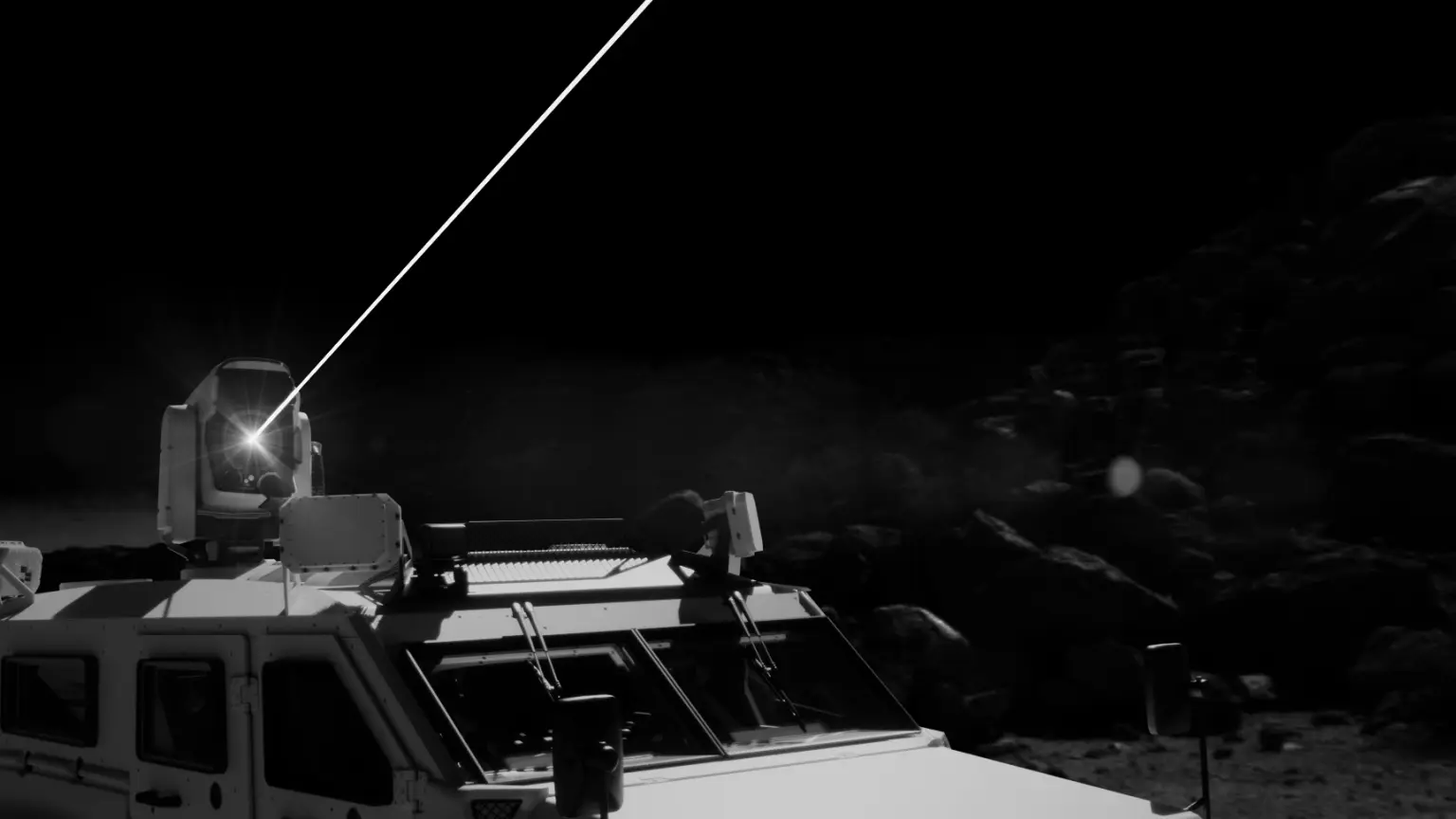
Laser systems require substantial continuous electrical power equivalent to supplying 30 households simultaneously limiting deployment flexibility compared to mobile missile systems. Onboard power generation creates weight and fuel consumption challenges for mobile platforms. Future development emphasises hybrid solar-generator systems enabling autonomous operation.
IRIS-T Missile System Comparison
Germany's IRIS-T SL system achieved 99 per cent interception rates during Ukraine operations at 350,000-420,000 pounds per interceptor compared to Iron Beam's 3-pound cost. However, IRIS-T requires expensive interceptor missiles whereas laser systems operate continuously. Hybrid architectures combining laser efficiency with missile capability provide optimal defence.
Future Architecture - Laser and Missile Integration
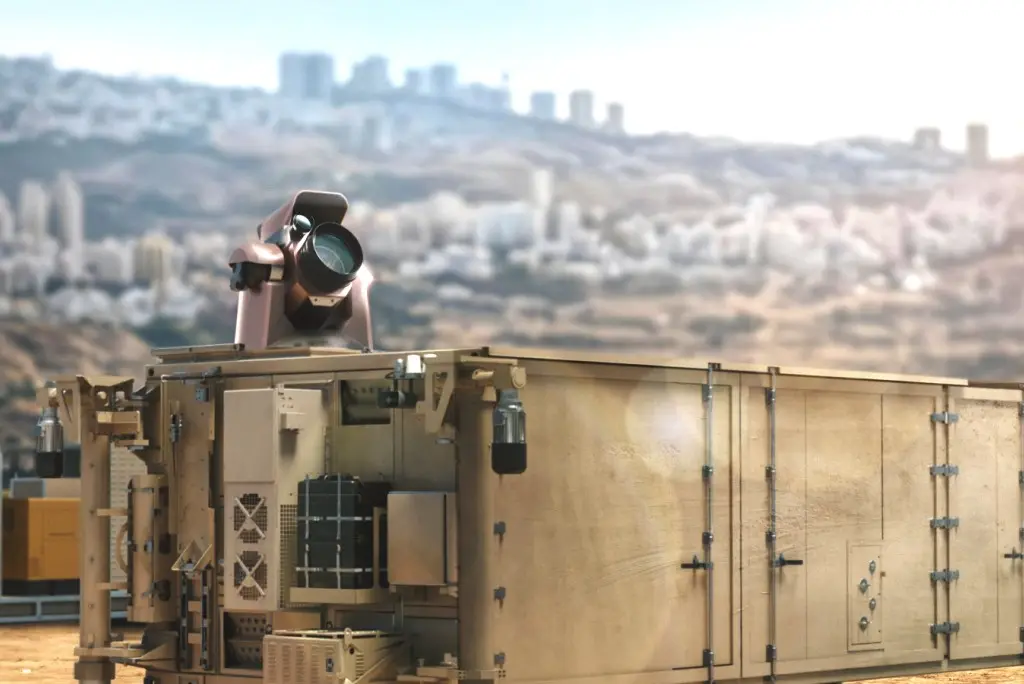
Next-generation air defence will integrate lasers for high-volume low-cost threats whilst reserving expensive missiles for distant strategic targets providing cost-optimised coverage. Directed-energy weapons complement rather than replace traditional systems creating layered multi-domain defence. India envisions 300-kilowatt Surya lasers alongside kinetic interceptors by 2030.
)
)
)
)
)