Iron Beam vs drones: What happens when laser meets swarm attacks?

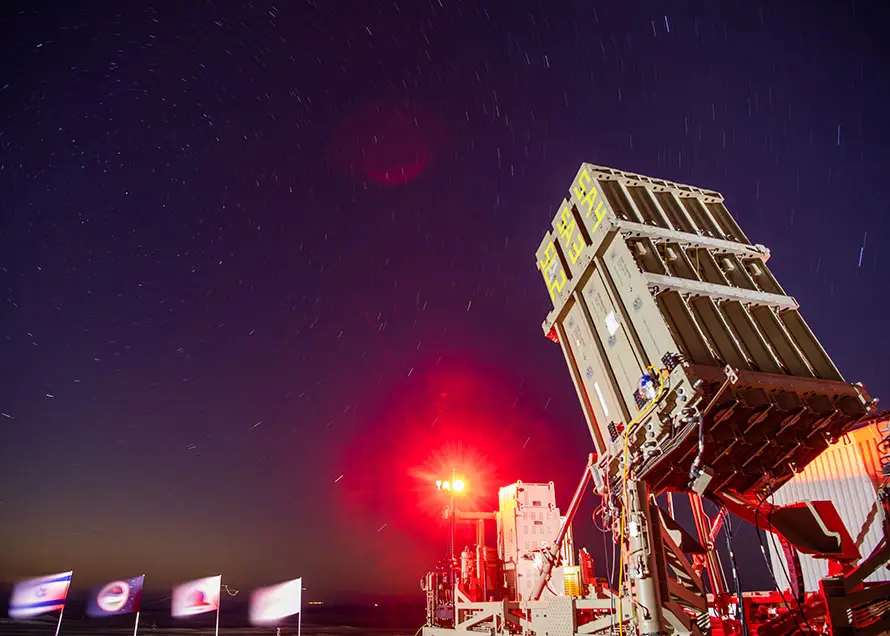
Drone swarms use saturation tactics, overwhelming traditional missile defences. While Iron Beam offers unlimited ammunition costing three pounds per engagement. Rapid retargeting switches between targets in milliseconds.
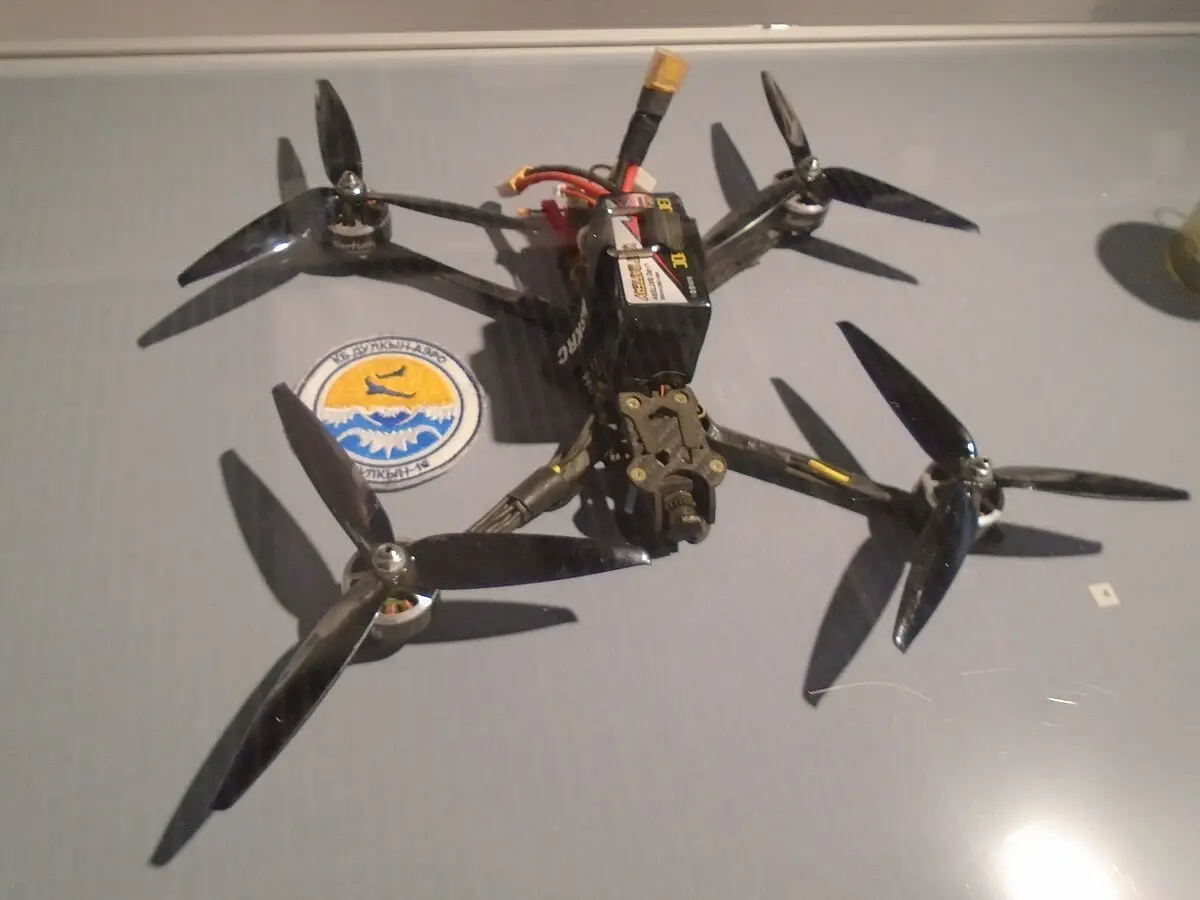
Drone Swarm Saturation Tactics
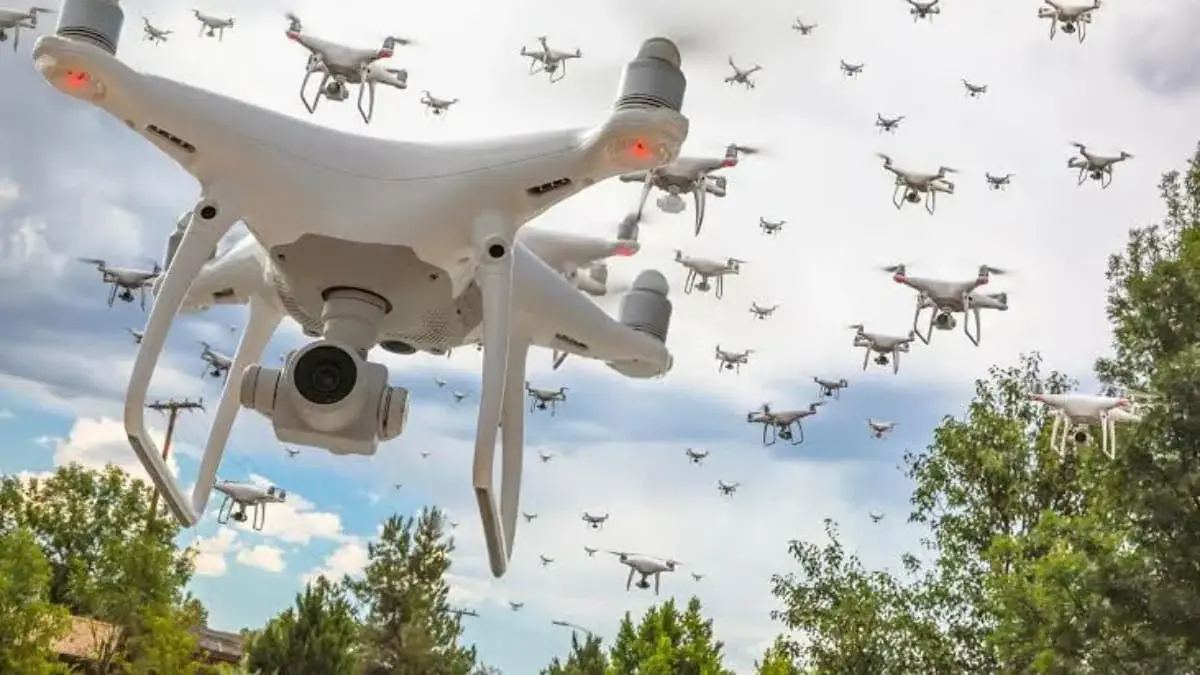
Drone swarm attacks employ saturation tactics where dozens or hundreds of unmanned vehicles attack simultaneously, overwhelming traditional missile defences designed for single - single or small numbers of threats.
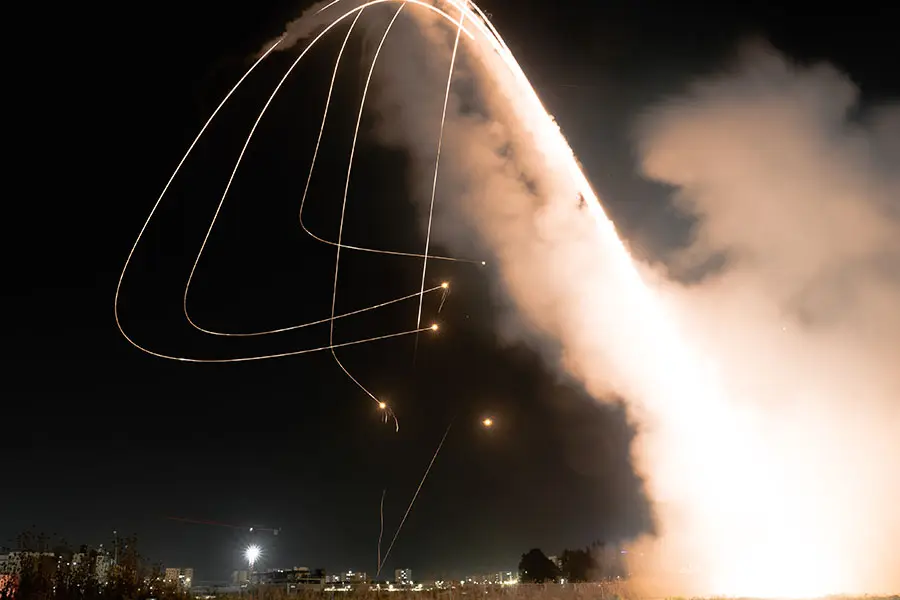
Unlimited Magazine Advantage
Iron Beam operates with unlimited ammunition capacity as long as electrical power remains available, fundamentally changing swarm defence dynamics. Traditional missiles require physical replenishment through supply chains vulnerable to disruption. The laser fires continuously at three dollars per engagement shot enabling economically viable defence against even massive drone swarms.
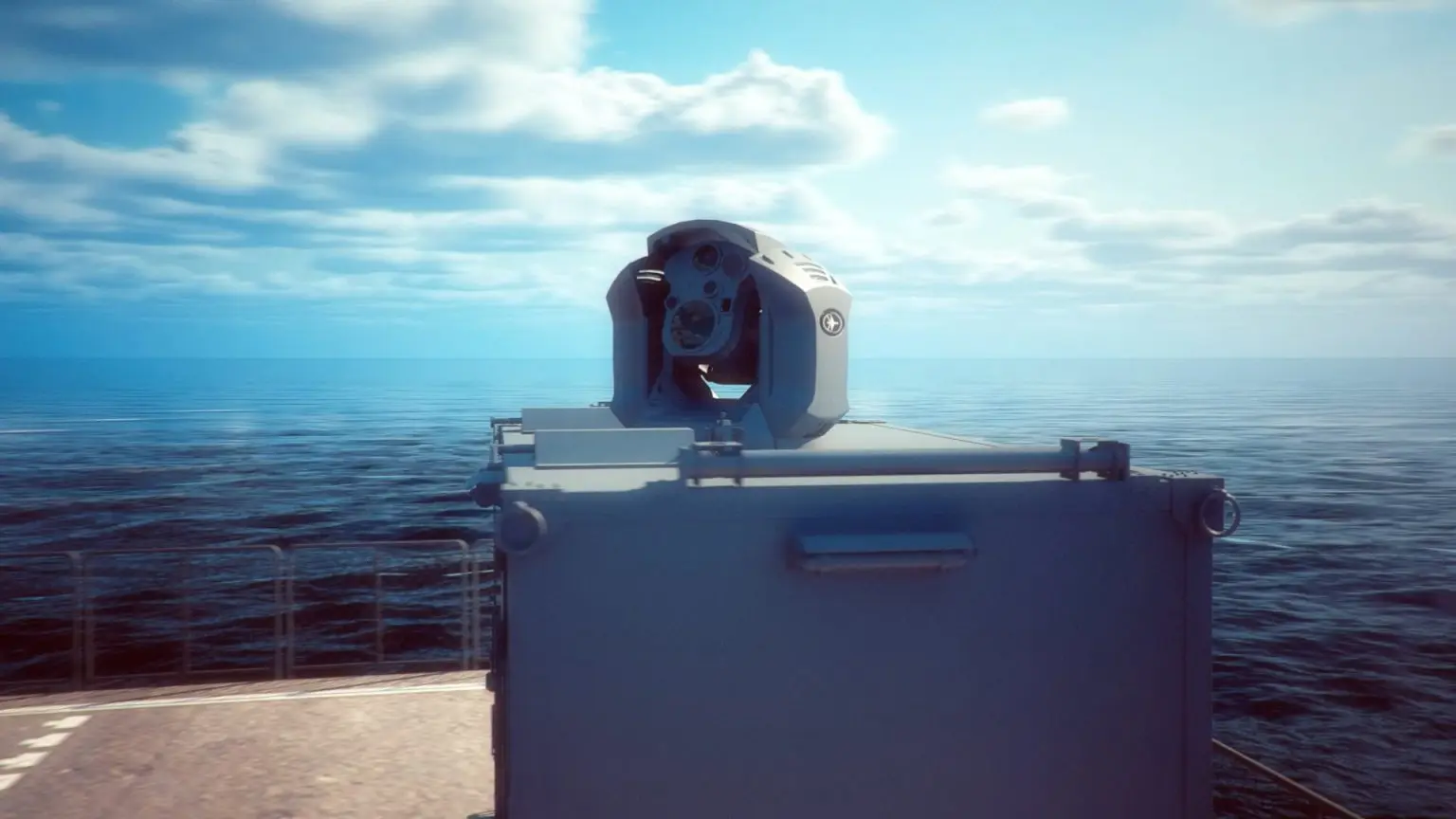
Rapid Retargeting Capability
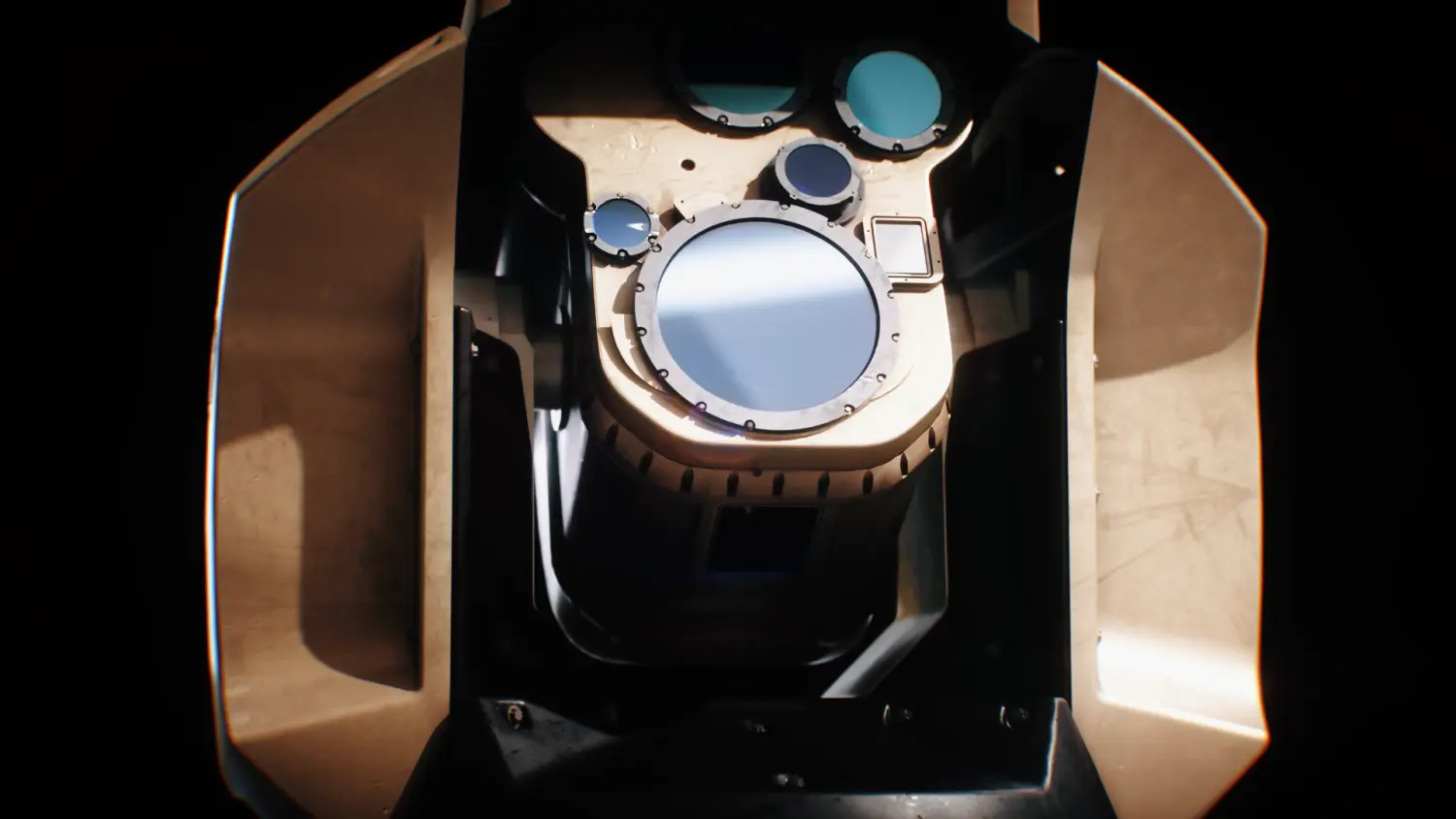
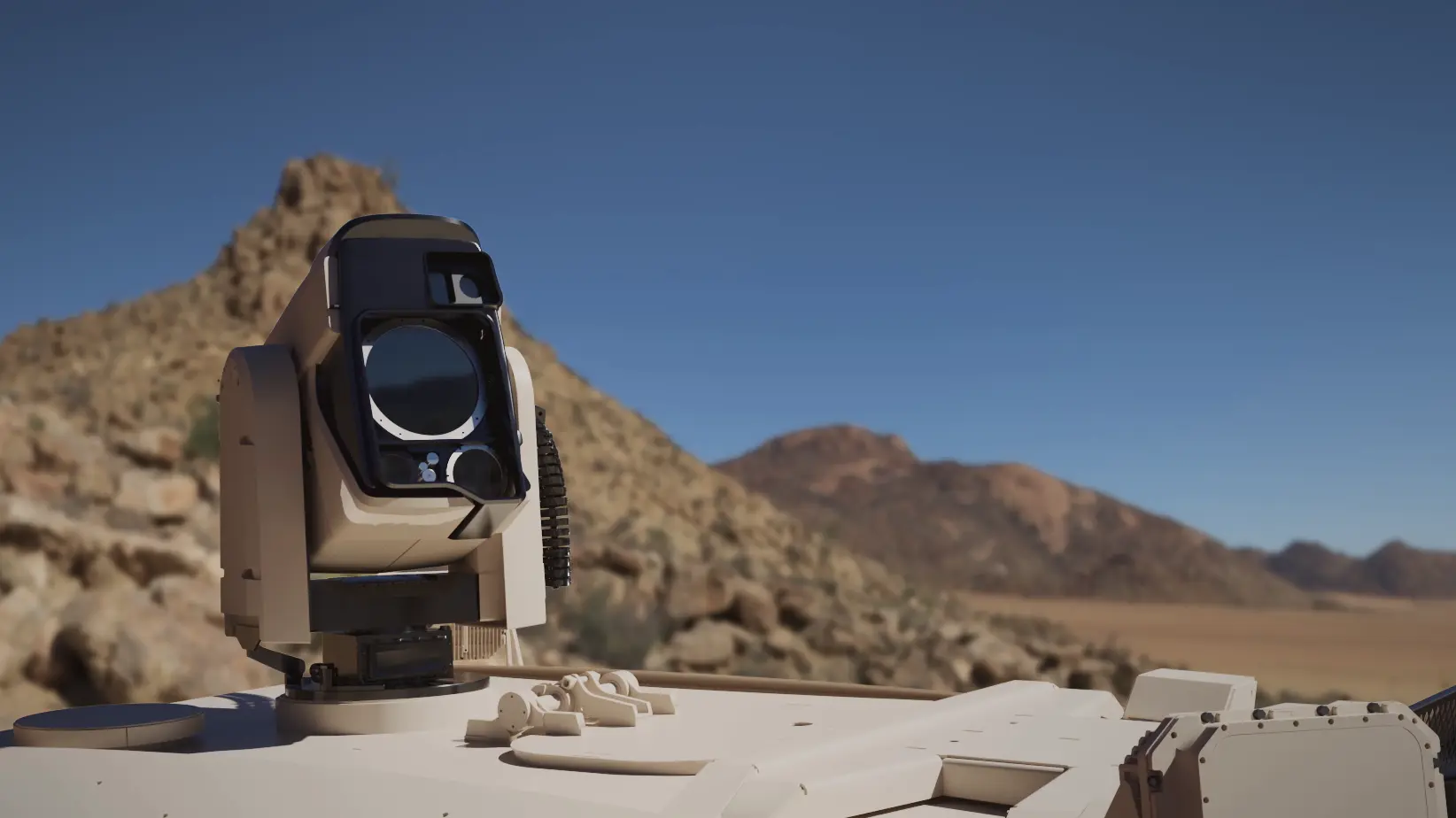
Iron Beam's advanced beam director rapidly switches between multiple targets, engaging each drone in seconds before retraining on the next threat. Rafael's coherent beam combination technology enables multiple laser sources functioning as a single more powerful system. The system retargets faster than drone operators can coordinate successive attack waves.
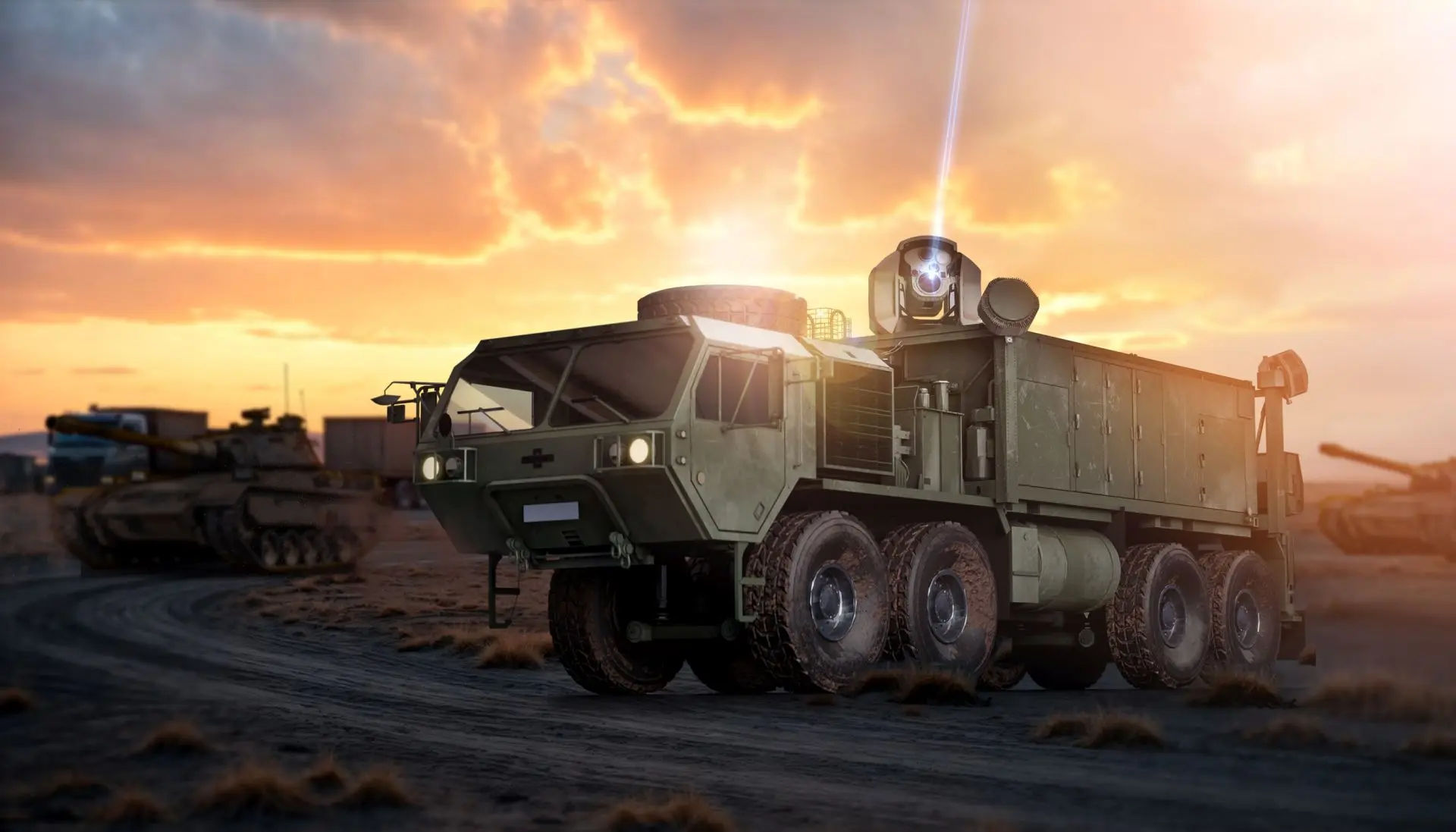
Swarm Drone
India demonstrated for the first time in April 2025 the capability to shoot down fixed-wing aircraft, missiles, and swarm drones using a 30-kilowatt laser-based weapon system. The system achieved 5-kilometre strike capability with engagement costs equivalent to just a few litres of petrol. Laser retargeting speed defeated multiple coordinated drone attacks simultaneously.
Swarm Resilience
Drone swarms employ distributed control algorithms enabling mission continuation even when individual drones are destroyed, with remaining drones compensating for losses. Swarms utilise anti-jam technology and GNSS-denied navigation maintaining operation in GPS-degraded environments. Traditional defences destroying individual drones struggle with swarm persistence and adaptive reconfiguration.
Multi-Platform Coordination
Effective drone swarm defence requires split-second coordination between sensor networks, AI-driven response systems, and multiple laser platforms operating simultaneously. Military systems integrating heterogeneous assets into seamless operational networks execute precision countermeasures at scale required defeating coordinated attacks. Cross-platform communication enables distributed cooperative defence.

Radio-Frequency Alternative
The British Army successfully deployed radio-frequency directed-energy weapons neutralising multiple drone targets simultaneously with near-instant effect at one-kilometre range. Radio-frequency systems defeat airborne targets resistant to electronic warfare jamming. Hybrid multi-spectrum laser and radio-frequency defence provides comprehensive swarm interception.
No Sound or Explosion
Laser weapons provide swarm drone defence with stealth capabilities generating no sound or explosions alerting other incoming threats unlike traditional missiles. Silent interceptions prevent drone operators from detecting individual kills enabling unaware transmission of additional swarm waves. This stealth characteristic provides tactical advantage in sustained swarm engagements.
Future Swarm Defence
Future military infrastructure will likely employ distributed laser networks with multiple platforms maintaining overlapping coverage defeating drone swarms exceeding individual system engagement capacity. Swarm saturation attacks containing hundreds of drones would overwhelm single laser systems but networked multiple systems provide unlimited engagement capability. Cost-economics favour laser-defended infrastructure.
)
)
)
)
)