Iron Beam in fog: Can a laser cut through zero-visibility conditions?

Iron Beam offers cheap, speed-of-light defence but is severely limited by fog and rain, which scatter its high-energy beam. While adaptive optics help in light haze, the system relies on the all-weather Iron Dome missiles during zero-visibility conditions to ensure complete protection.
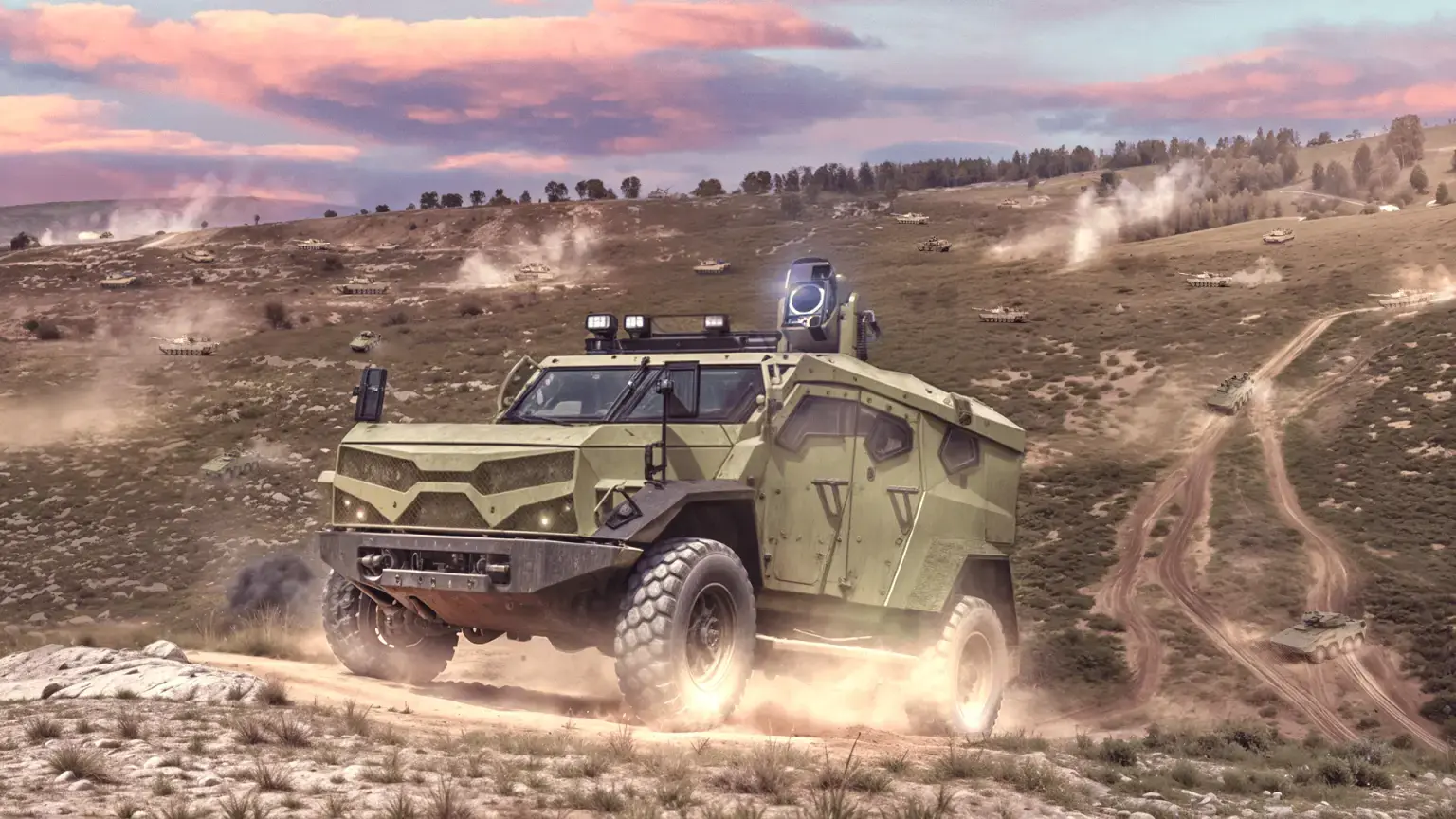
he Laser’s Greatest Enemy Weather Blocks the Beam
While Iron Beam intercepts threats at the speed of light, Army Technology reports that weather remains its primary adversary. In zero-visibility conditions like heavy fog or thick dust, the laser beam struggles to reach its target, unlike radar-guided missiles.
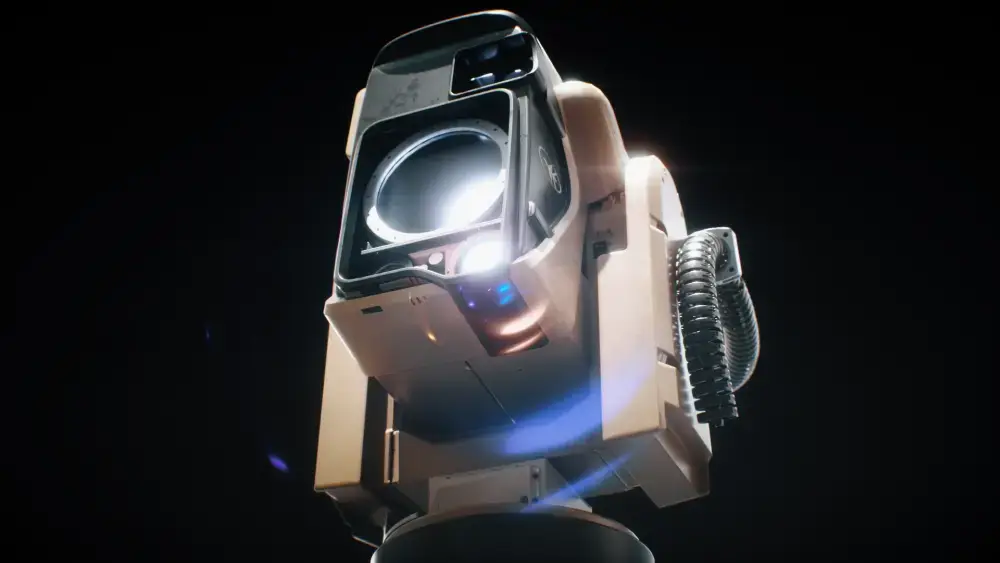
How Fog 'Eats' the Laser Scattering and Absorption
According to The Jerusalem Post, water droplets in fog absorb the laser's energy, causing 'thermal blooming' which defocuses the beam. The fog essentially acts as a shield, scattering the photons before they can burn through the incoming rocket.
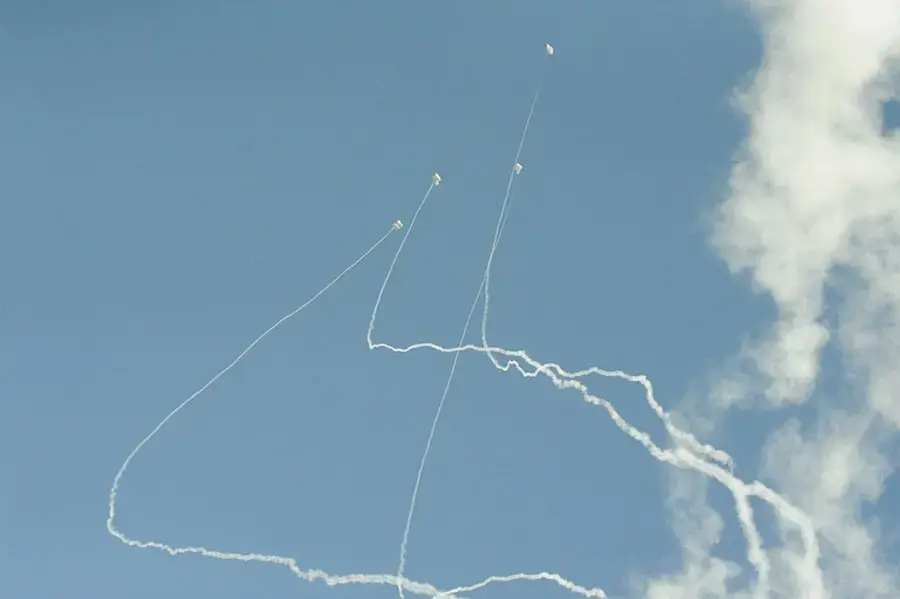
Range Drops Drastically Km Range Becomes Metres
Rafael Advanced Defense Systems data indicates that while the system works over several kilometres in clear skies, dense fog can reduce this effective range to just a few hundred metres. This makes interception of fast-moving threats nearly impossible in severe weather.
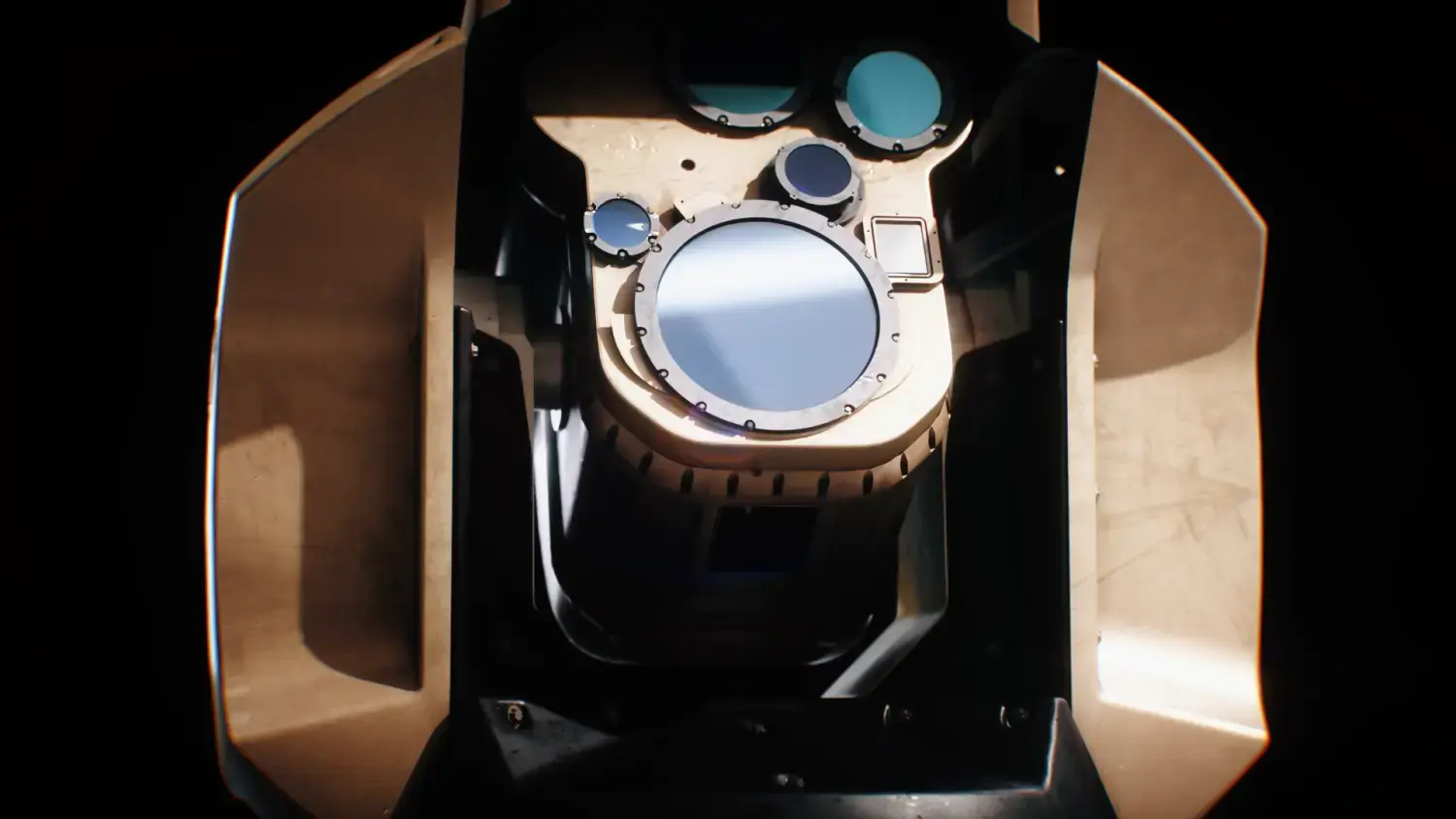
Adaptive Optics:
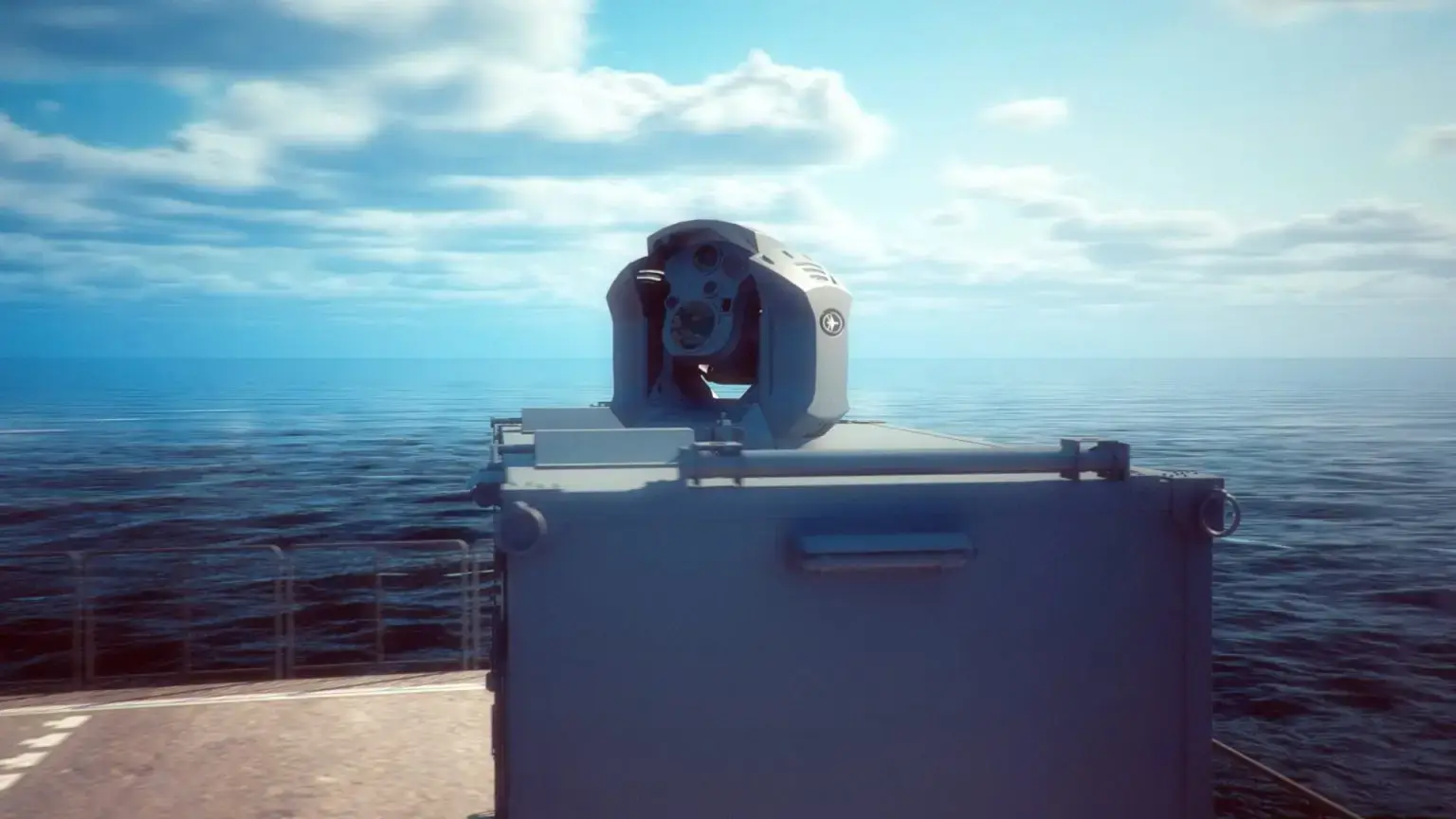
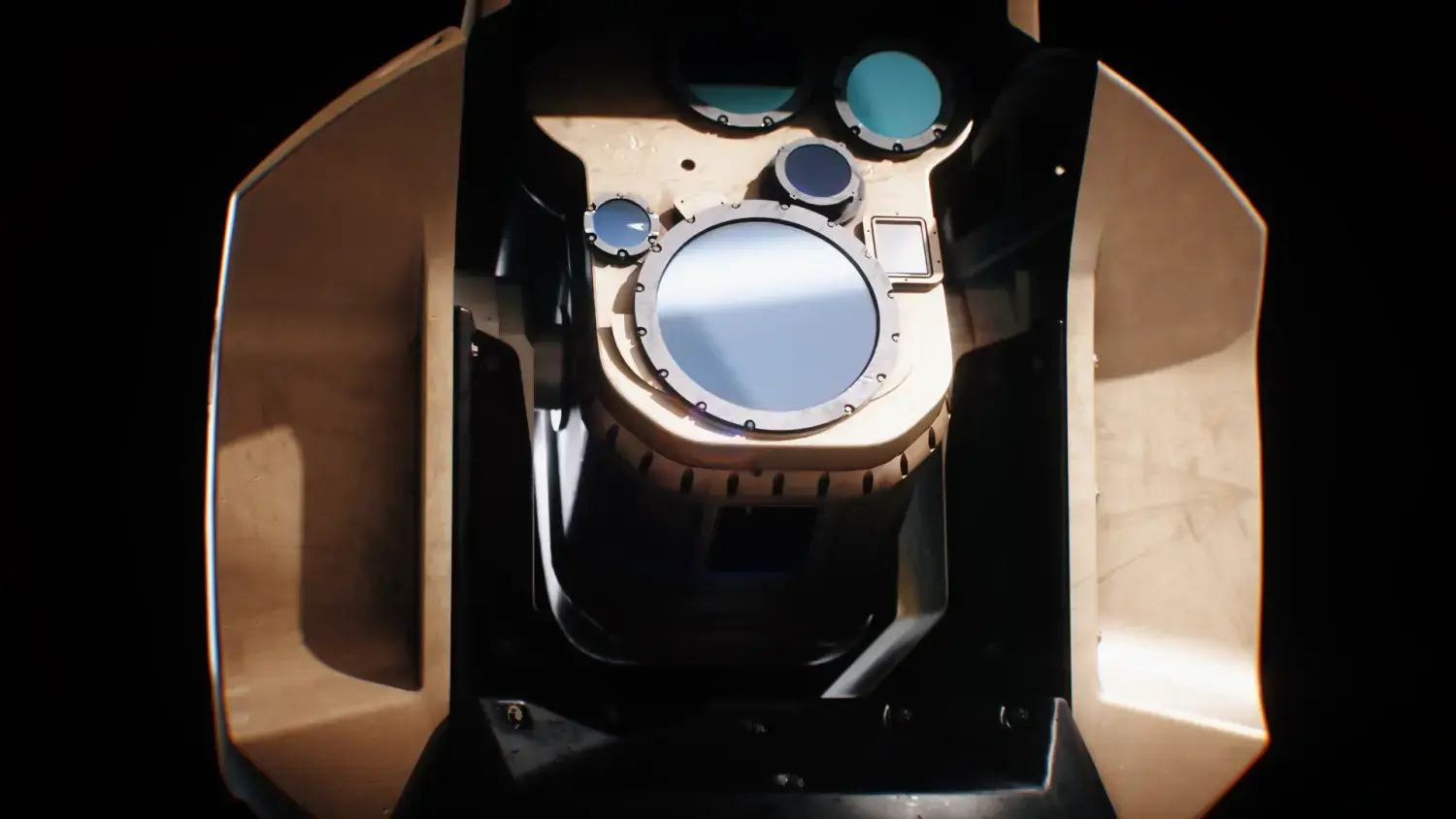
The Partial Fix Correcting the Beam To fight atmospheric distortion, WION reports that Iron Beam uses 'adaptive optics' with deformable mirrors. These mirrors adjust thousands of times per second to straighten the beam, allowing it to penetrate light haze and turbulence effectively.
Limits of the Tech Physics Wins in Heavy Storms
Despite these advanced optics, experts at Lockheed Martin note that there is a physical limit. In 'zero-visibility' scenarios where optical sensors cannot see the target, the laser simply cannot lock on or deliver enough heat to destroy it.
Iron Dome Steps In Radar Sees Through Fog
This is why Israel uses a multi-layered defence. Vajiram & Ravi analysts explain that the Iron Dome’s Tamir missiles rely on radar, which sees perfectly through rain, fog, and clouds, ensuring protection when the laser is blinded.
Cost vs Reliability $3.50 vs $50,000
Army Technology highlights that commanders must balance cost and weather. They use the $3.50 laser for clear days to save money, but switch to the $50,000 Iron Dome missiles during bad weather to ensure 100 per cent safety.
100kW Power Struggle Energy Dissipates Fast:
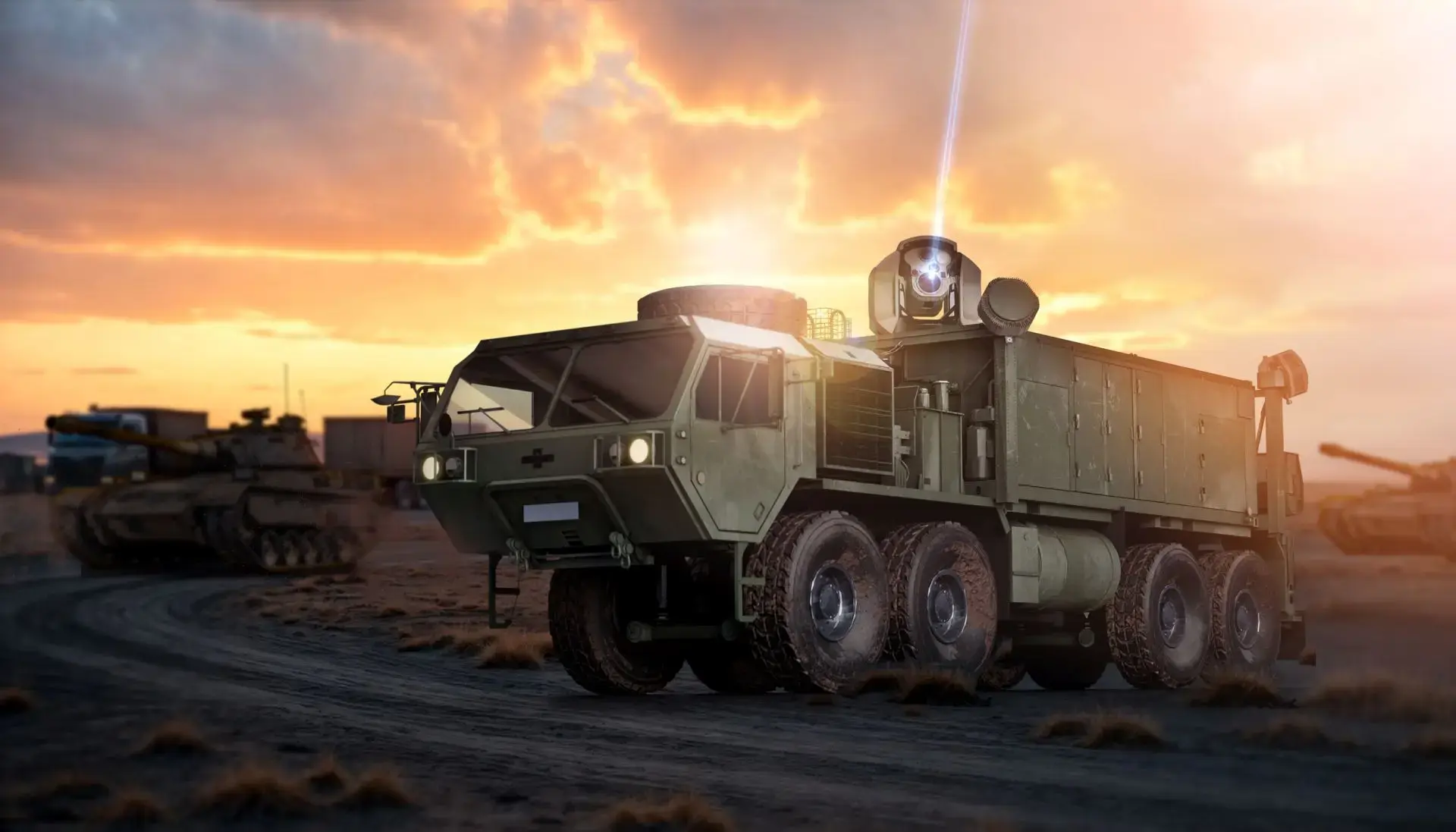
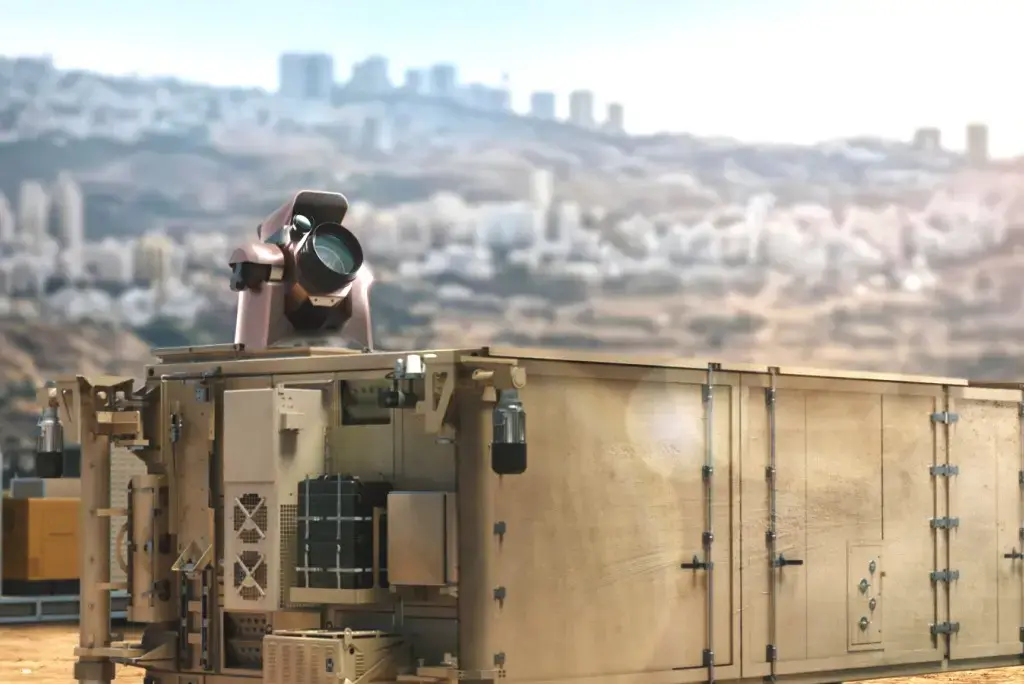
Iron Beam fires a 100kW-class laser, but dense particles in the air dissipate this power rapidly. Rafael engineers state that in a dust storm or heavy fog, the beam loses its lethality long before it reaches the threat.
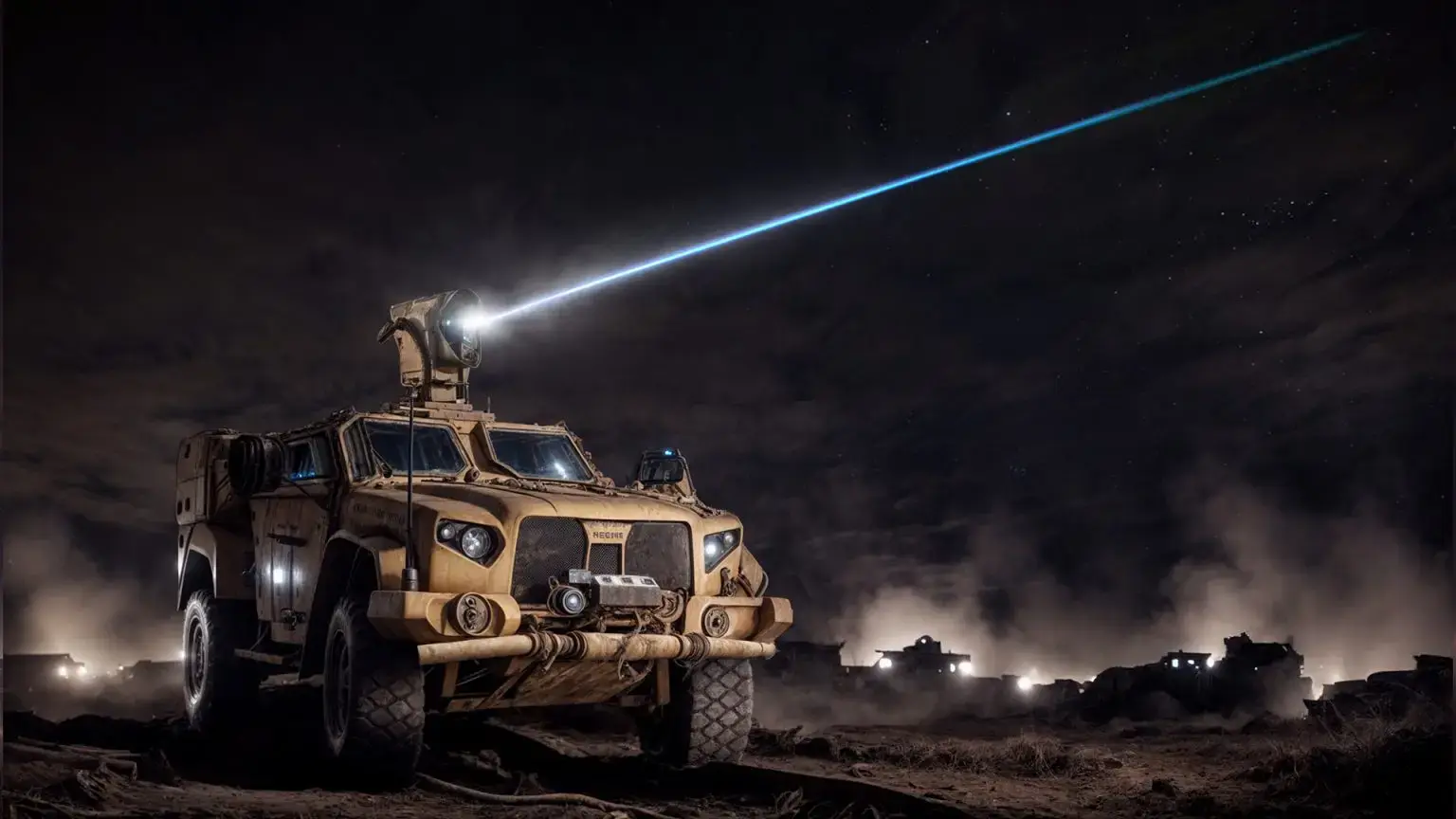
The Hybrid Strategy Fair Weather Fighter
The Times of Israel clarifies that Iron Beam is designed as a 'fair weather' complement, not a replacement. It handles saturation attacks on sunny days, preserving the expensive interceptor missiles for complex, low-visibility scenarios.
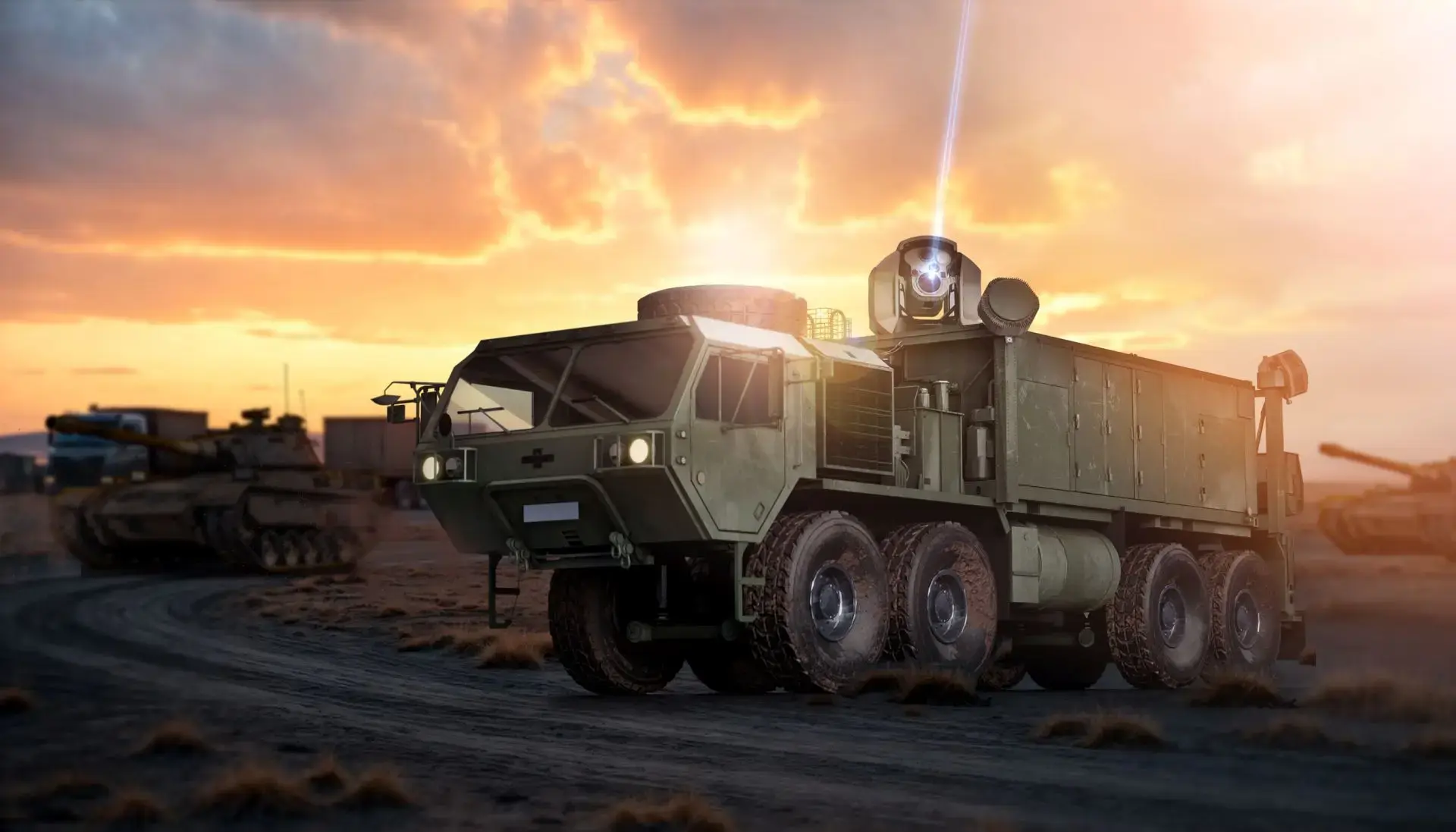
Future 'Punch Through' Tech Stronger Lasers by 2026
Industry reports suggest future iterations may use higher power levels and advanced 'beam combining' algorithms to punch through thicker fog. However, for now, heavy weather remains the ultimate shield against directed energy weapons.
)
)
)
)
)