Iron Beam, HELIOS, DragonFire and more: 6 most advanced laser weapons and where India stands

Directed-energy weapons (DEWs) use concentrated light to disable or destroy targets at the speed of light, thus offering near-instant engagement at a relatively very low cost per shot when compared with conventional missiles.
The Rise of Laser Weapons
Laser weapons programmes, once the preserve of science fiction, have been rapidly getting integrated in real-world defence scenarios. With rapidly changing technology, warfare is evolving along similar lines around the globe. Directed-energy weapons (DEWs) use concentrated light to disable or destroy targets at the speed of light, thus offering near-instant engagement at a relatively very low cost per shot when compared with conventional missiles.
Why are they preferred?
According to Lockheed Martin, 'today’s threats are technologically advanced, relatively low-cost, small-scale and lethal.' Governments and their defence partners across the globe are investing in these technologies to counter drones, missiles, artillery and small boats. Here, we examine five of the most prominent systems and answer whether India figures among the leaders.
1. Iron Beam — Israel’s High-Energy Laser Defence
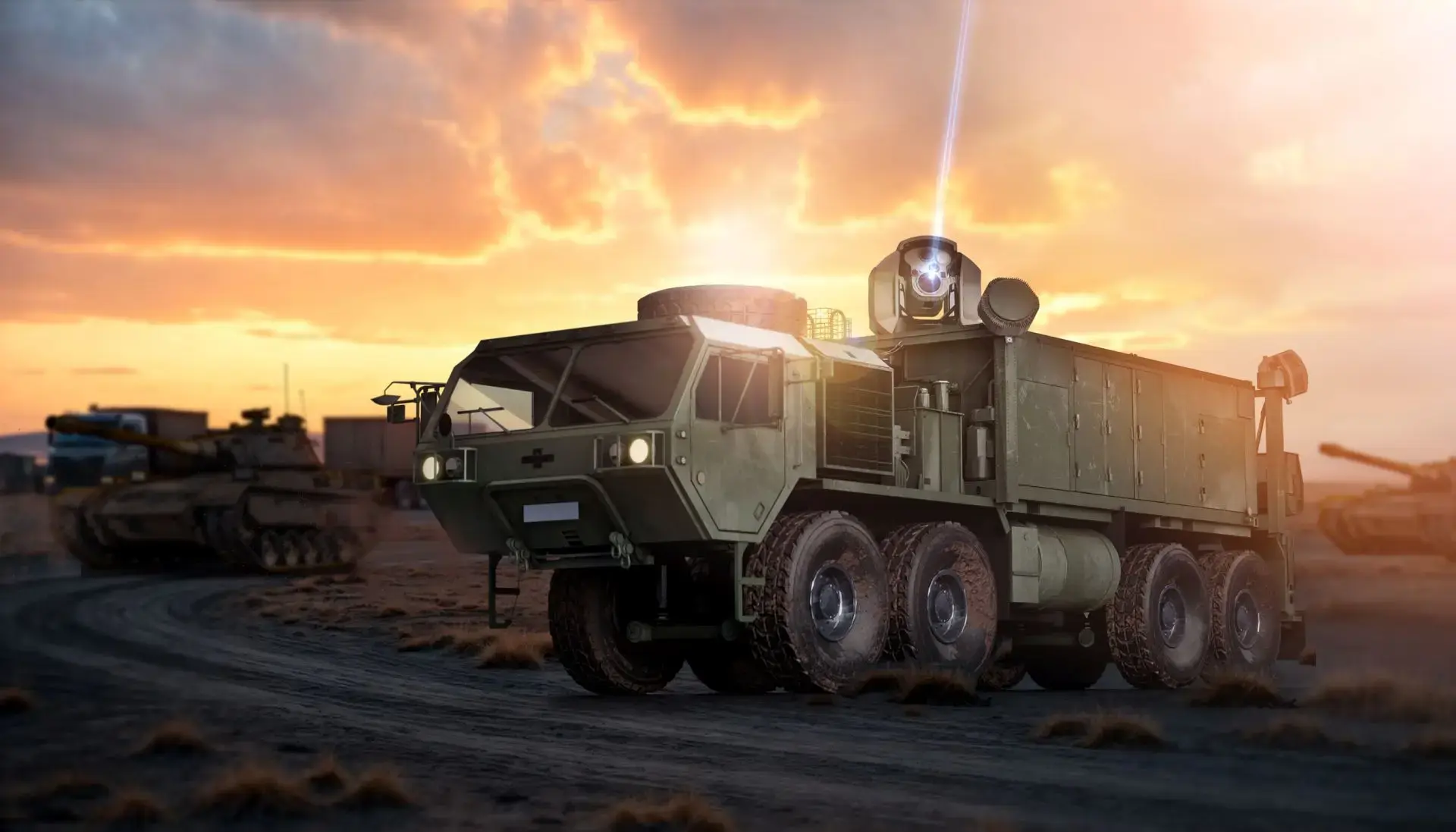
Israel’s Iron Beam is a high-energy laser weapon system (HELWS) which are designed to complement the country’s multi layer air defence network. Developed by Rafael Advanced Defense Systems in cooperation with the Israel Ministry of Defence, the Beam operates at around 100 kW class power. The system is intended to intercept rockets, mortars, artillery shells, even short range ballistic threats and unmanned aerial vehicles at ranges that bridge gaps in existing missile defences.
The collaboration
The system is expected to enter operational service with the Israel Defence Forces by December 30, 2025, thus offering cost-effective, high-precision engagement at the speed of light. According to Lockheed martin's release, the company will work in collaboration with Rafael Advanced Defense Systems to develop, 'a variant of the system for the American market as well as others.'
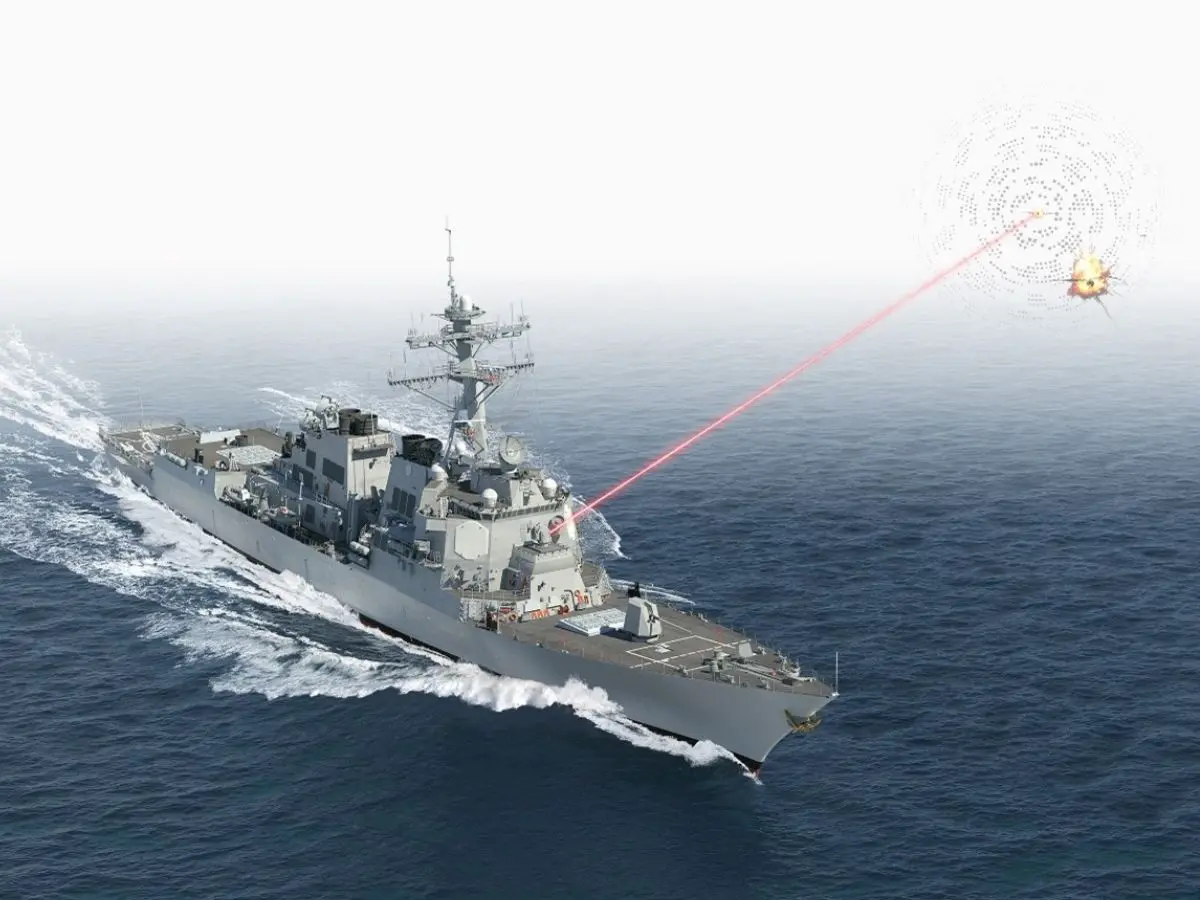
2. HELIOS — US Navy’s Integrated Laser System
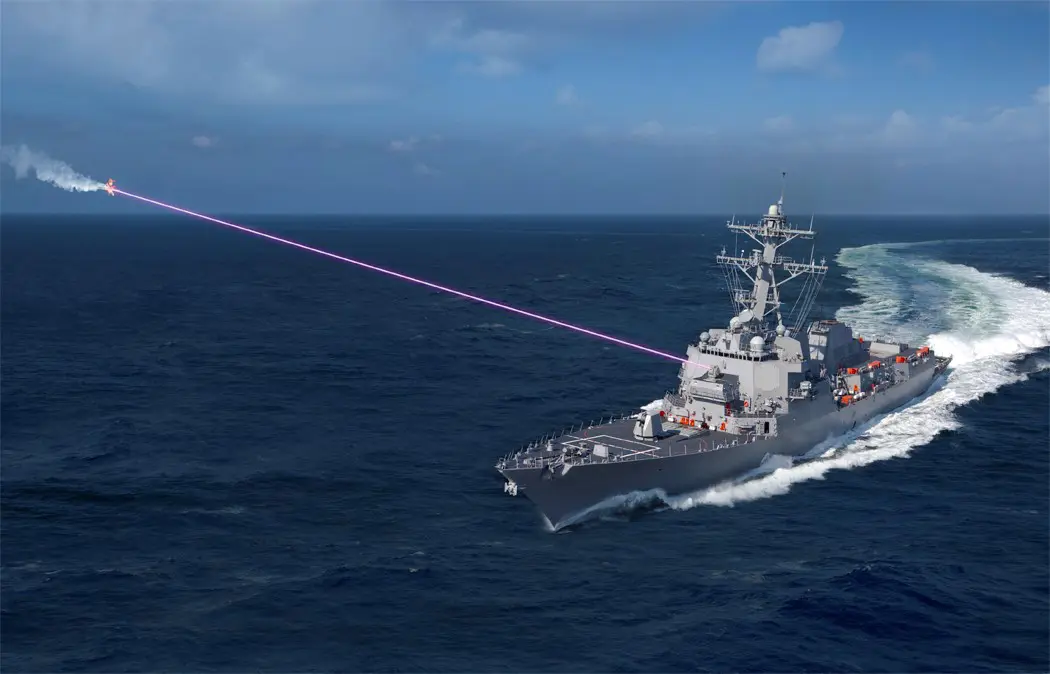
The United States Navy’s High Energy Laser with Integrated Optical-dazzler and Surveillance (HELIOS) is a 60kW+ High Energy Laser for Counter Fast Inshore Attack Craft (FIAC) and Counter UAS. These are capable of engaging drones, fast attack craft and potentially missiles and can be upgraded to 120 kilowatts in future. Developed by Lockheed Martin and integrated with the Navy’s Aegis Combat System, HELIOS uses modular fibre lasers to generate a beam and also provides surveillance and optical dazzling capabilities. According to Lockheed Martin, these are "the first tactical laser weapon system to be integrated into existing ships."
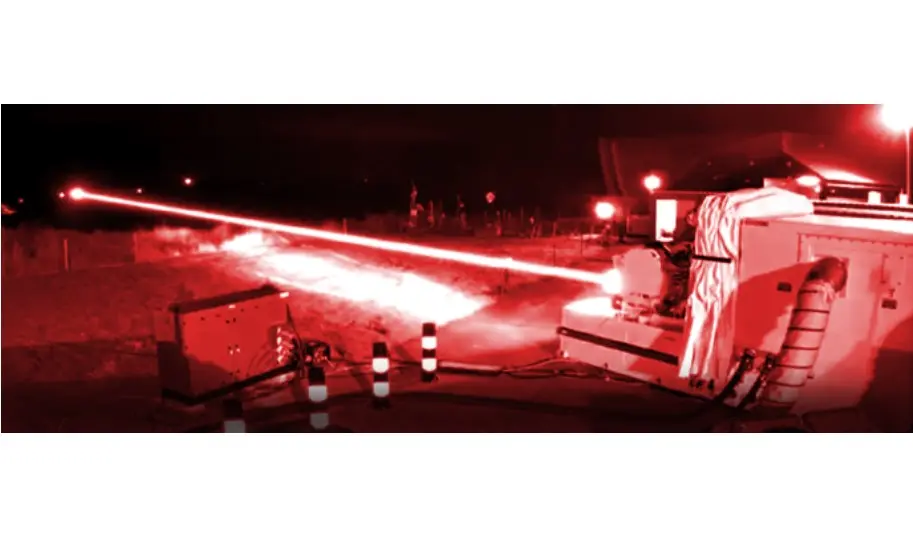
3. DragonFire — United Kingdom’s Laser Directed Energy Weapon
The UK’s DragonFire programme was led by the MBDA, in partnership with QinetiQ, Leonardo, and UK's Defence Science and Technology Laboratory (DSTL) to deliver a high-energy laser directed-energy weapon. Initially developed as a demonstrator for the British Armed Forces, DragonFire has progressed through trials and is scheduled for operational introduction aboard Royal Navy vessels around 2027. According to a press release by the UK government, this 50kW laser system costs just £10 per shot. It was designed to provide short-range air defence and close-in protection for naval vessels using a range of different effects depending on the tactical scenario. The programme aims to provide a cost-effective, rapid response against aerial threats.
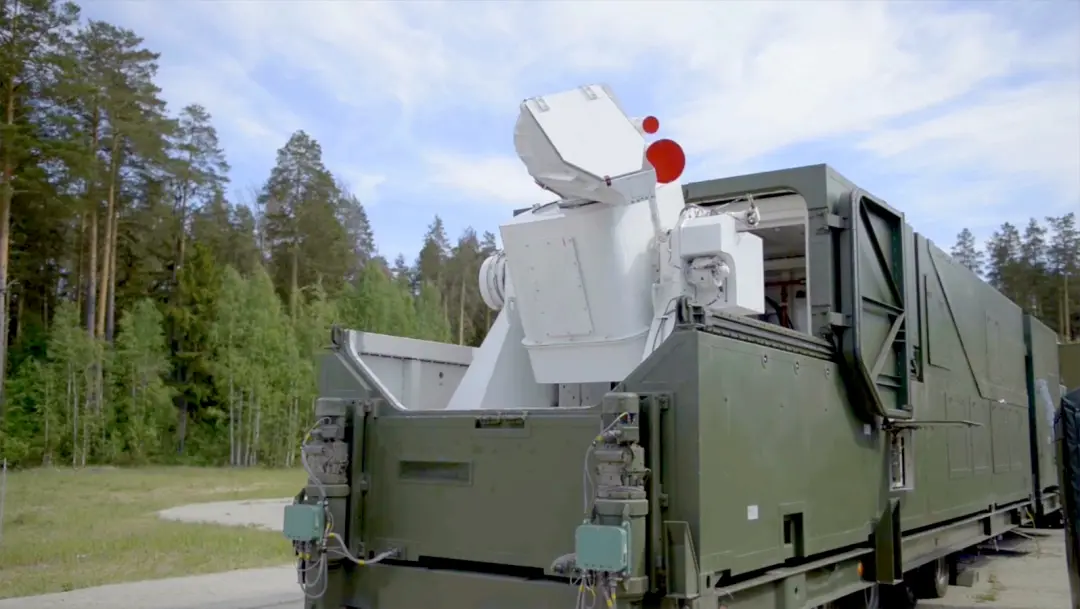
4. Peresvet — Russia’s Mobile Laser System
Russia fields the Peresvet laser weapon, a mobile laser system first publicly revealed in Russian President Vladimir Putin’s annual address to the Russian parliament on 1 March 2018. Designed for air defence and potentially anti-satellite roles, Peresvet reflects Moscow’s continued investment in laser technologies for strategic applications.
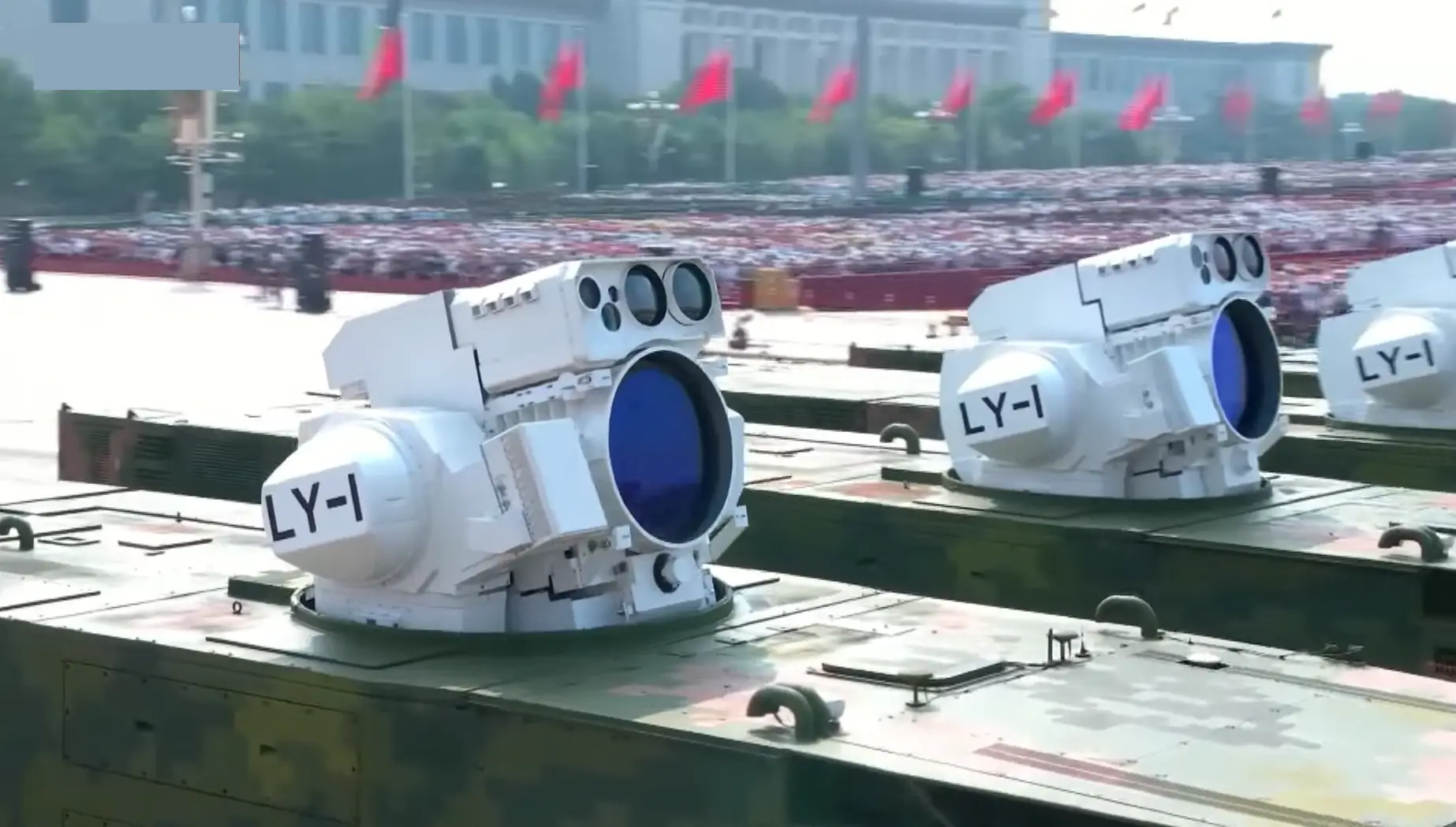
5. LY-1 — China’s High-Power Laser
China has unveiled the LY-1, a high-energy laser system reported as capable of intercepting drones, cruise missiles and helicopters. According to Chinese media reports, the system was unveiled at the country's Victory day parade in Beijing in September 2025. While there is no publicly avaiable information about the system, according to reports, it will be tasked with close-range interception of inming missiles and drone ans serve as the last line of defence withing the shipborne air-defence system of the country.
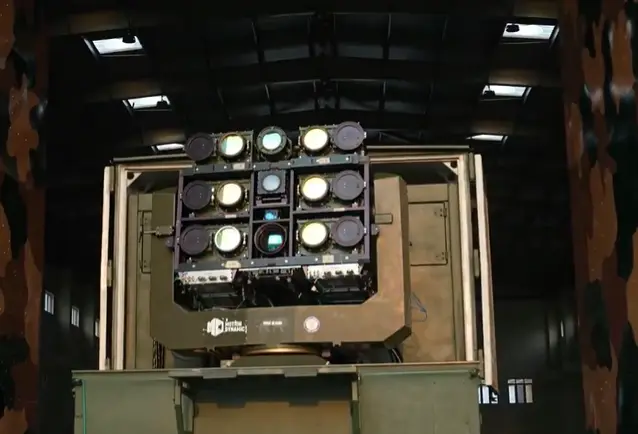
6. India's Mk-II(A)
Although India has not yet fielded a laser weapon that is as mature as the systems mentioned above, the country has has entered the elite club of nations demonstrating directed energy weapons. The Defence Research and Development Organisation (DRDO) successfully tested its 30 kW Mk-II(A) laser-based DEW in April 2025, capable of neutralising drones, small aircraft and airborne threats at ranges around five kilometres. Further development and testing of higher power systems, such as a prospective DURGA-2 (Directionally Unrestricted Ray-Gun Array), a 300 kW high-power laser system designed to neutralize drones, missiles, and UAVs up to 20 km away further positions India among the world’s active laser weapon innovators.
)
)
)
)
)