Iron Beam control system: The AI making split-second decisions

Iron Beam's AI autonomously classifies threats in real-time without human intervention. System makes targeting decision in milliseconds. Multiple simultaneous threats ranked by danger, prioritising most critical targets. Predictive algorithms forecast target positions for intercept engagement
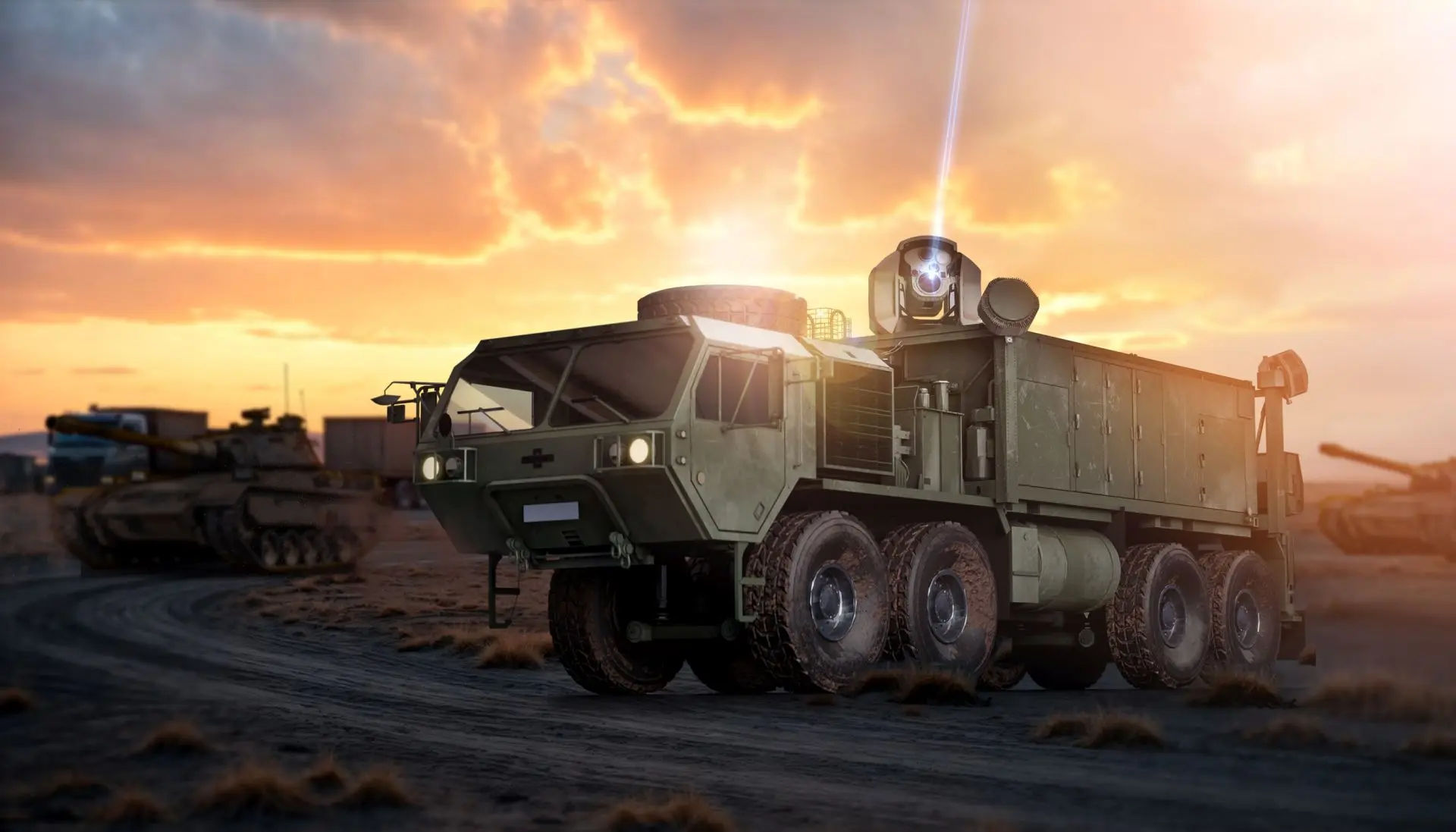
Autonomous Threat Classification - Real-Time Detection
Iron Beam integrates advanced artificial intelligence enabling autonomous threat classification analysing incoming objects in real-time without human intervention. The system automatically identifies incoming threats through radar and thermal imaging sensors processing millions of data points per second. Machine learning algorithms learn from pattern databases recognising rocket signatures, drone configurations, and mortar trajectories within milliseconds of detection.
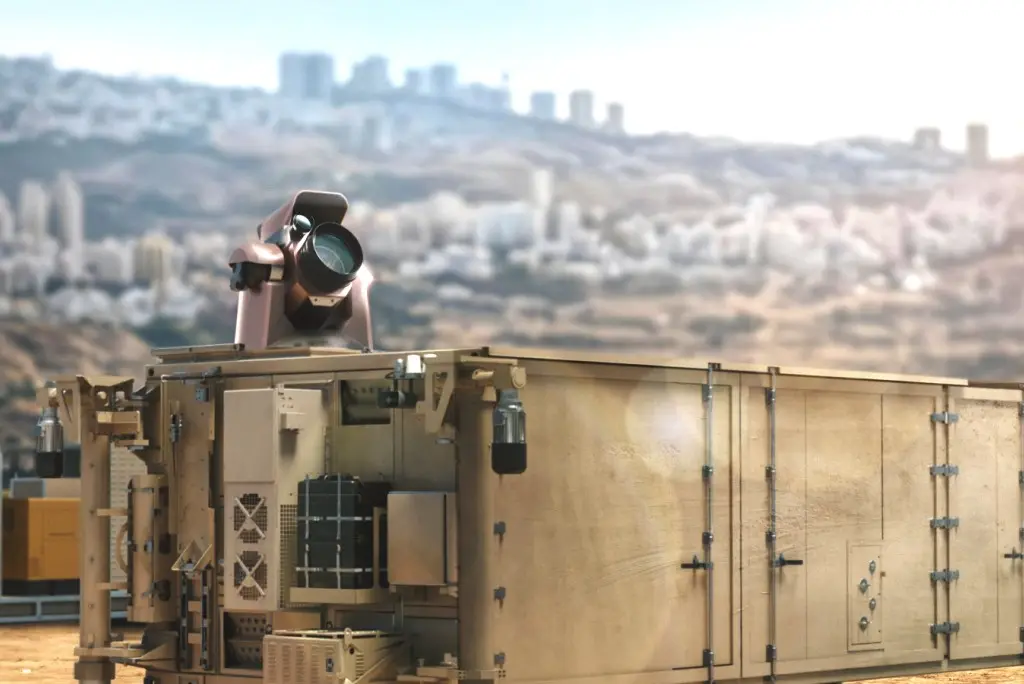
Millisecond Decision-Making
Iron Beam's AI makes targeting decisions in milliseconds, approximately 100 to 200 times faster than human reaction time averaging 200 to 300 milliseconds. The system analyses threat speed, trajectory, altitude, and signature characteristics deciding engagement priority instantaneously. Without this algorithmic acceleration, slow human decision-making would allow incoming threats to reach their targets before engagement.
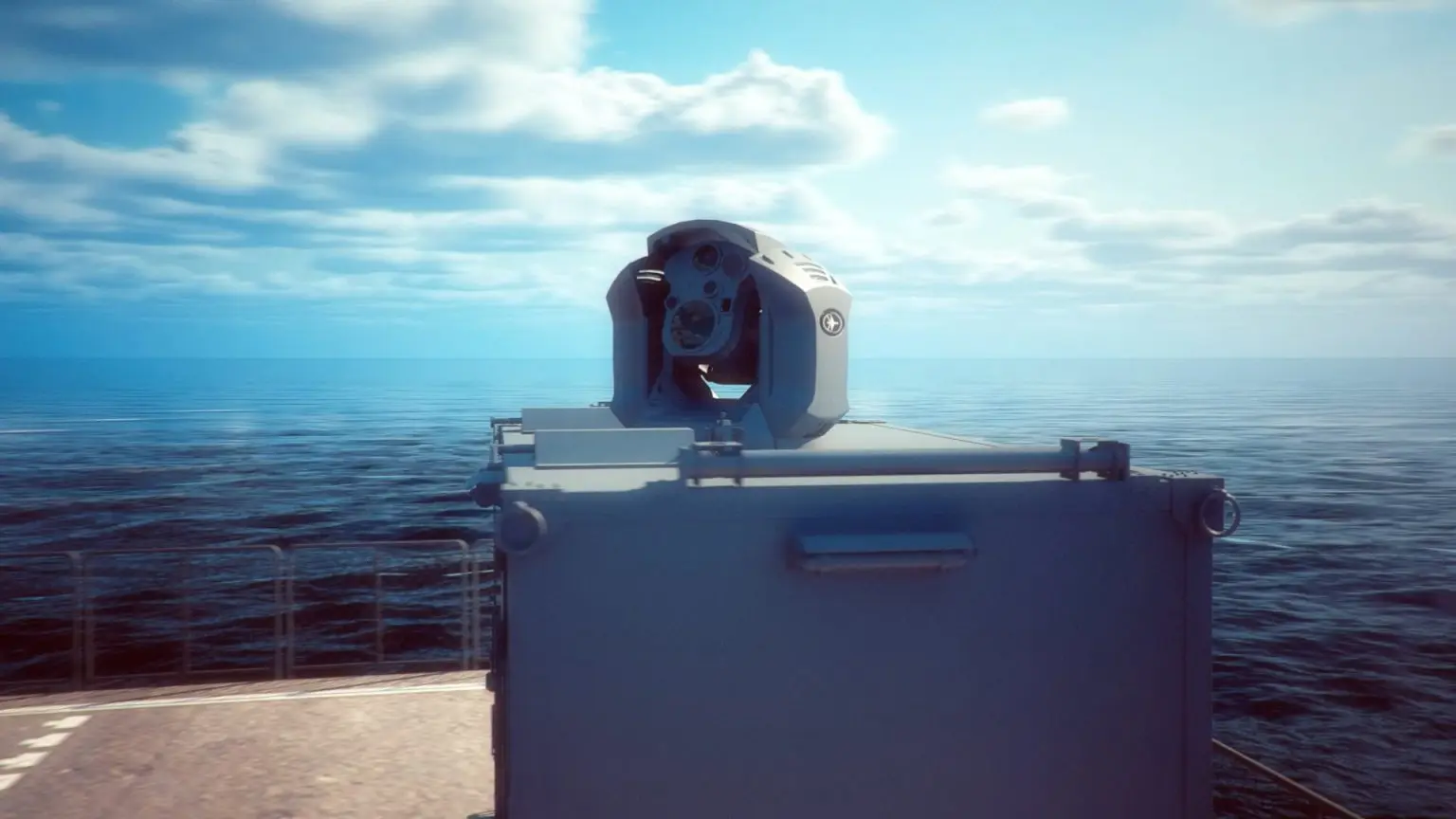
Priority-Based Target Selection - Multiple Threat Management
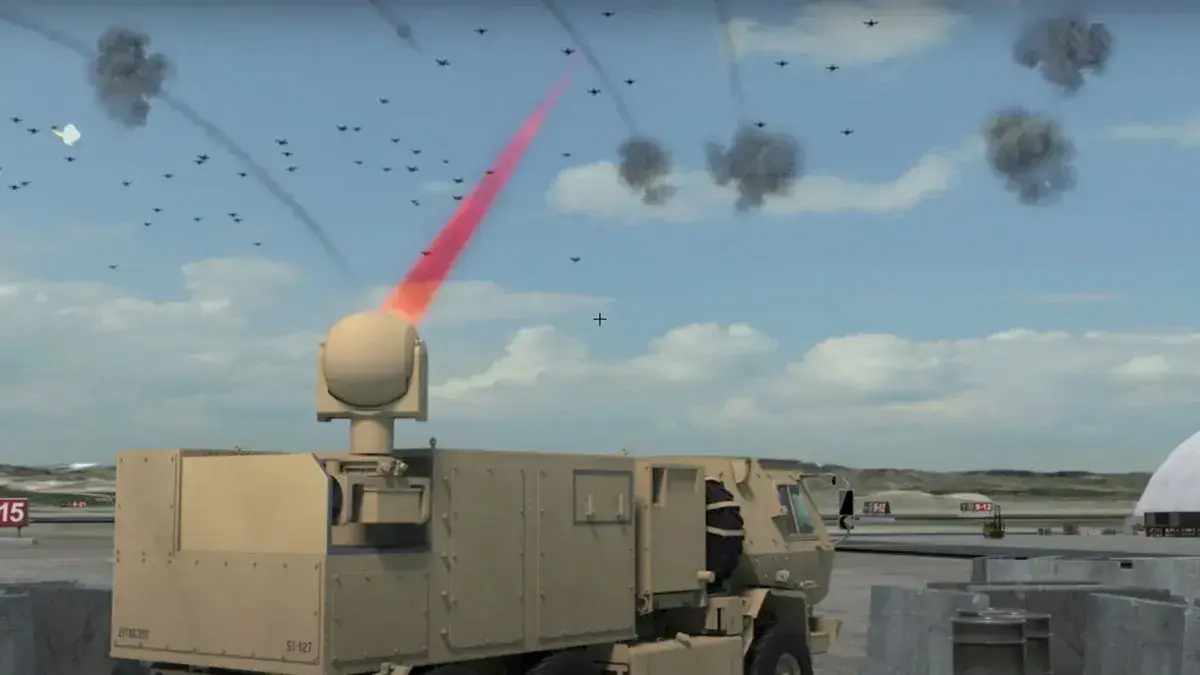
When multiple simultaneous threats appear, the AI ranks threats by danger level deploying the laser against the most critical target first based on predicted impact zones. Machine learning algorithms calculate trajectory predictions determining which threats pose maximum danger.
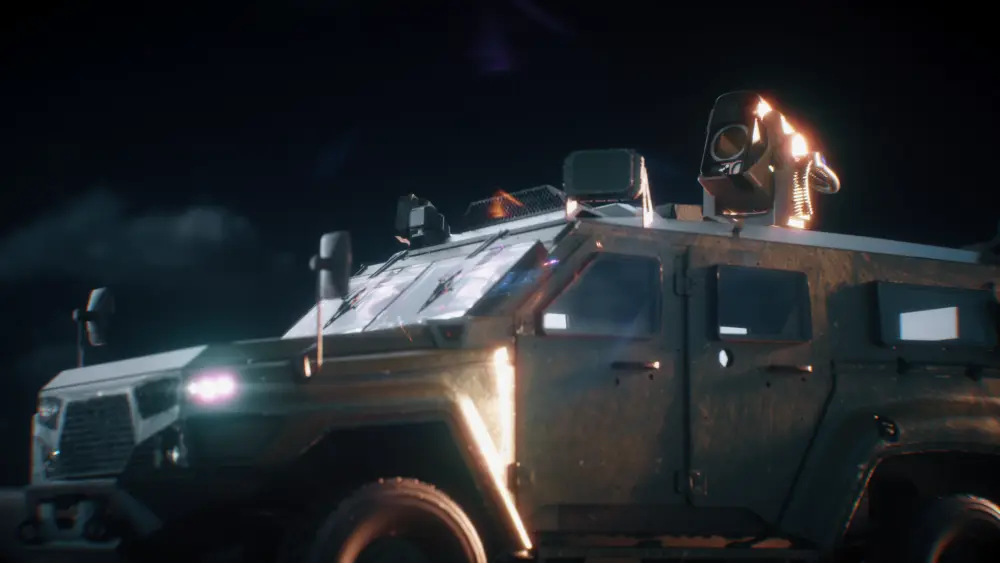
YOLOv5 Neural Networks - Drone Detection Accuracy
Rafael implemented YOLOv5 (You Only Look Once) deep convolutional neural networks achieving 97.0 per cent accuracy in detecting drones in complex visual environments. The neural network model processes video feeds at 60 frames per second maintaining continuous drone tracking. Training on synthetic datasets enables detection transfer to real-world scenarios with minimal degradation.
Predictive Engagement Calculations - Forecasting Target Position
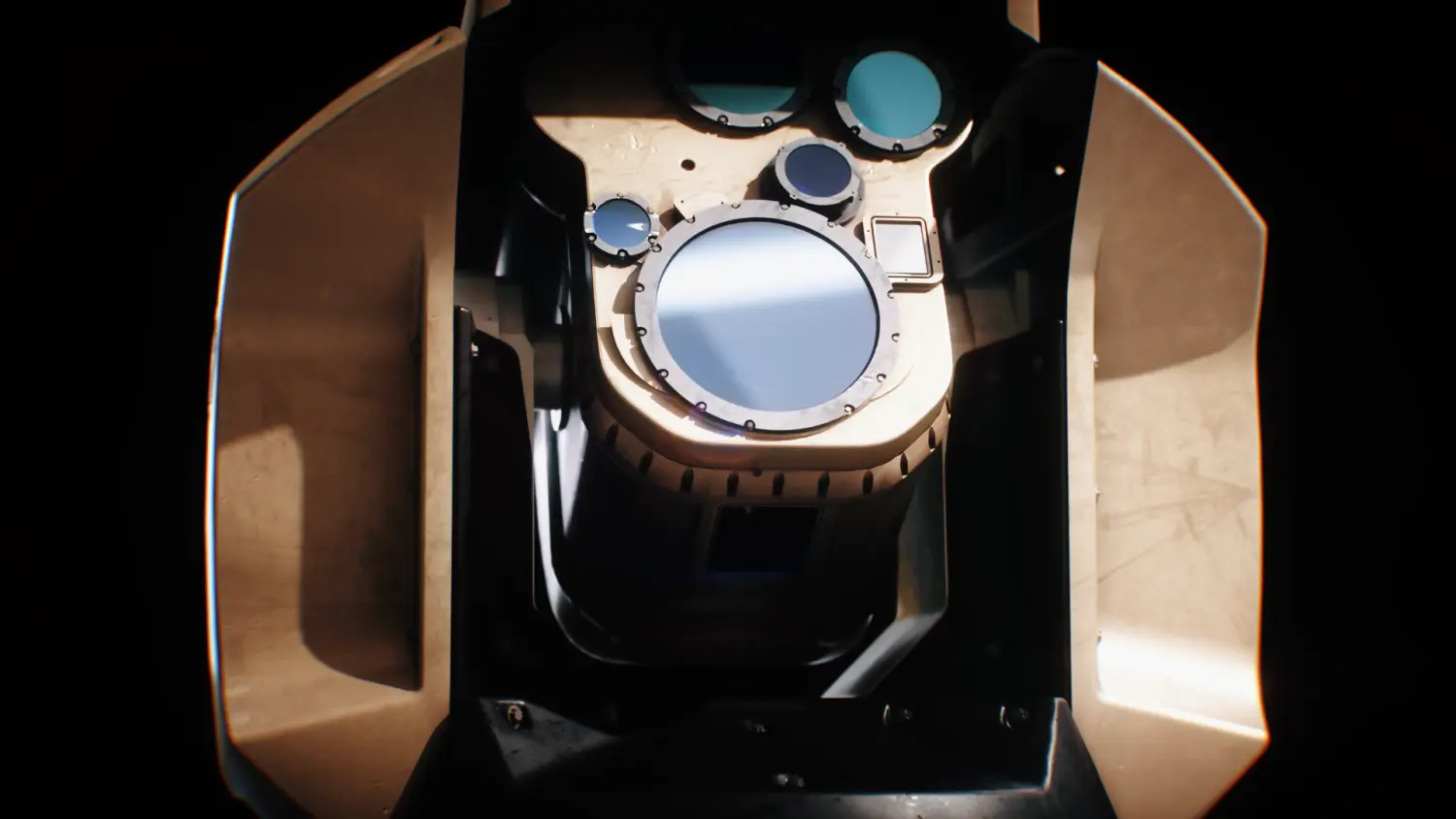
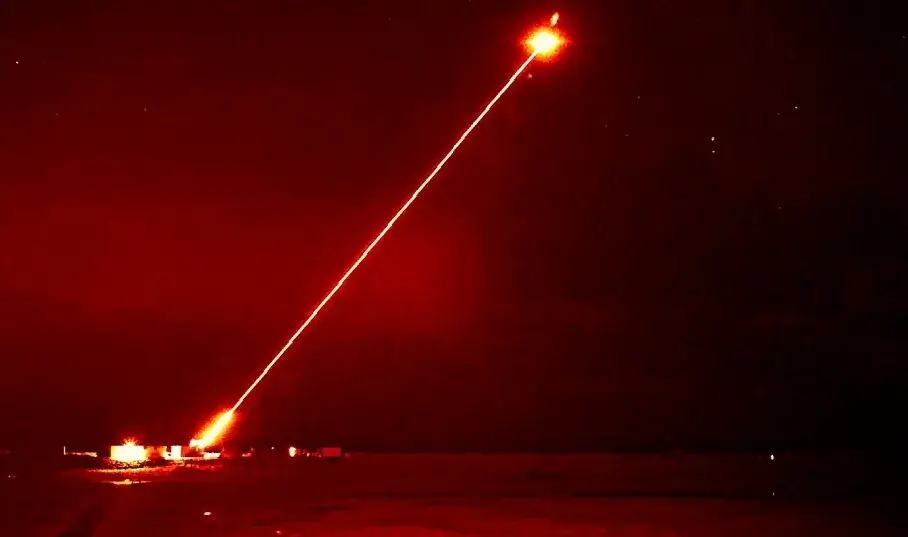
AI-powered predictive algorithms forecast incoming threat positions several seconds ahead enabling the laser to position its beam at intercept points ahead of target arrival. Buffered velocity history combined with machine learning trajectories predict non-linear evasive manoeuvres. This forecast-based engagement enables interception of targets that would otherwise escape defensive coverage.
Sensor Fusion Integration - Multi-Modal Data Processing
Iron Beam's AI system fuses data from radar, infrared, visible light, and laser rangefinder sensors generating unified threat pictures superior to any single sensor. Cognitive algorithms combine complementary sensor strengths overcoming individual limitations. Real-time parameter calculations optimise engagement decisions based on comprehensive battlefield awareness.
Adaptive Learning - Continuous System Improvement
The system continuously learns from each engagement improving algorithm performance through feedback integration. Machine learning models retrain after each successful or failed intercept adjusting weighting factors for improved future performance. Over time, AI targeting systems become increasingly precise as combat data accumulates.
Beam Stabilisation Control - Maintaining Lock Against Manoeuvres
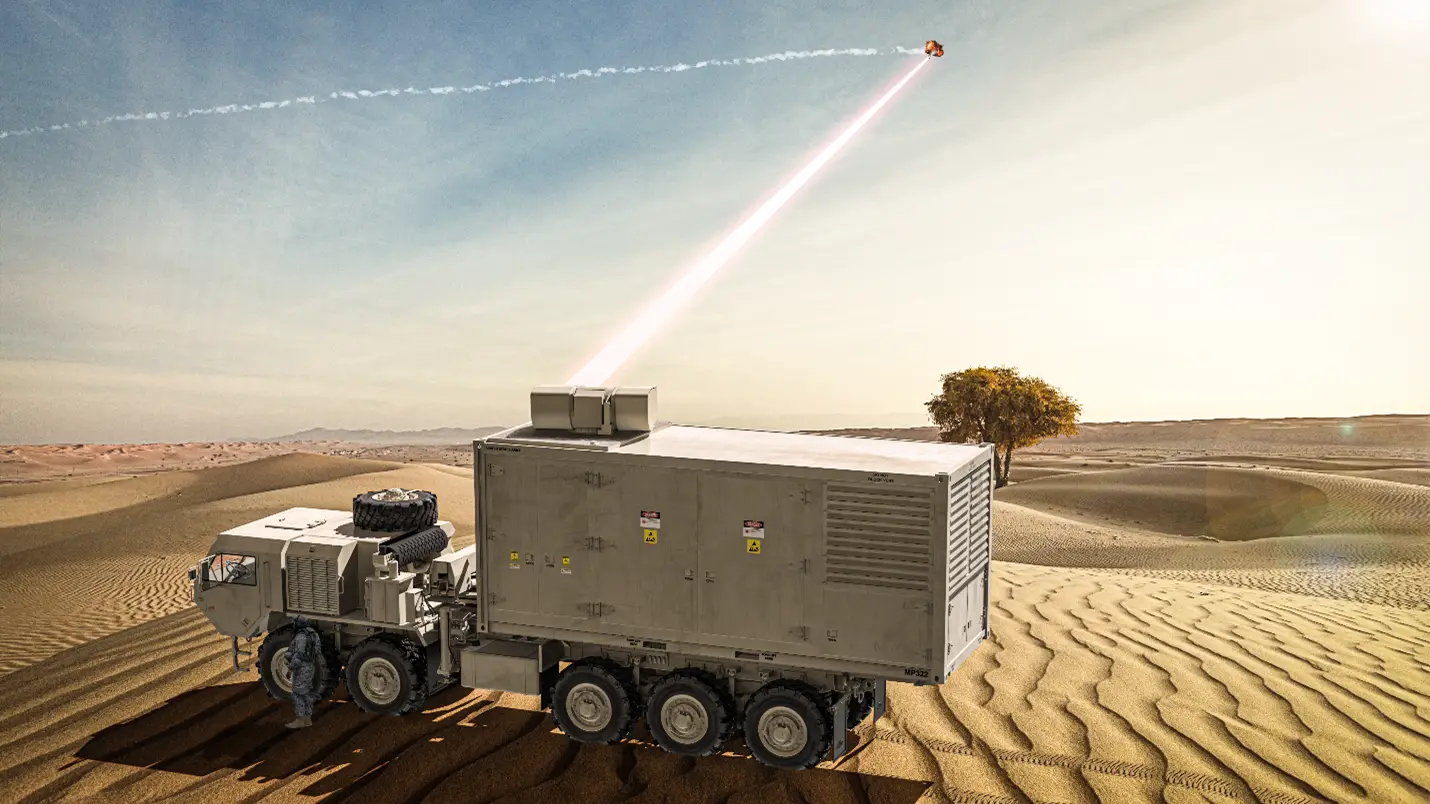
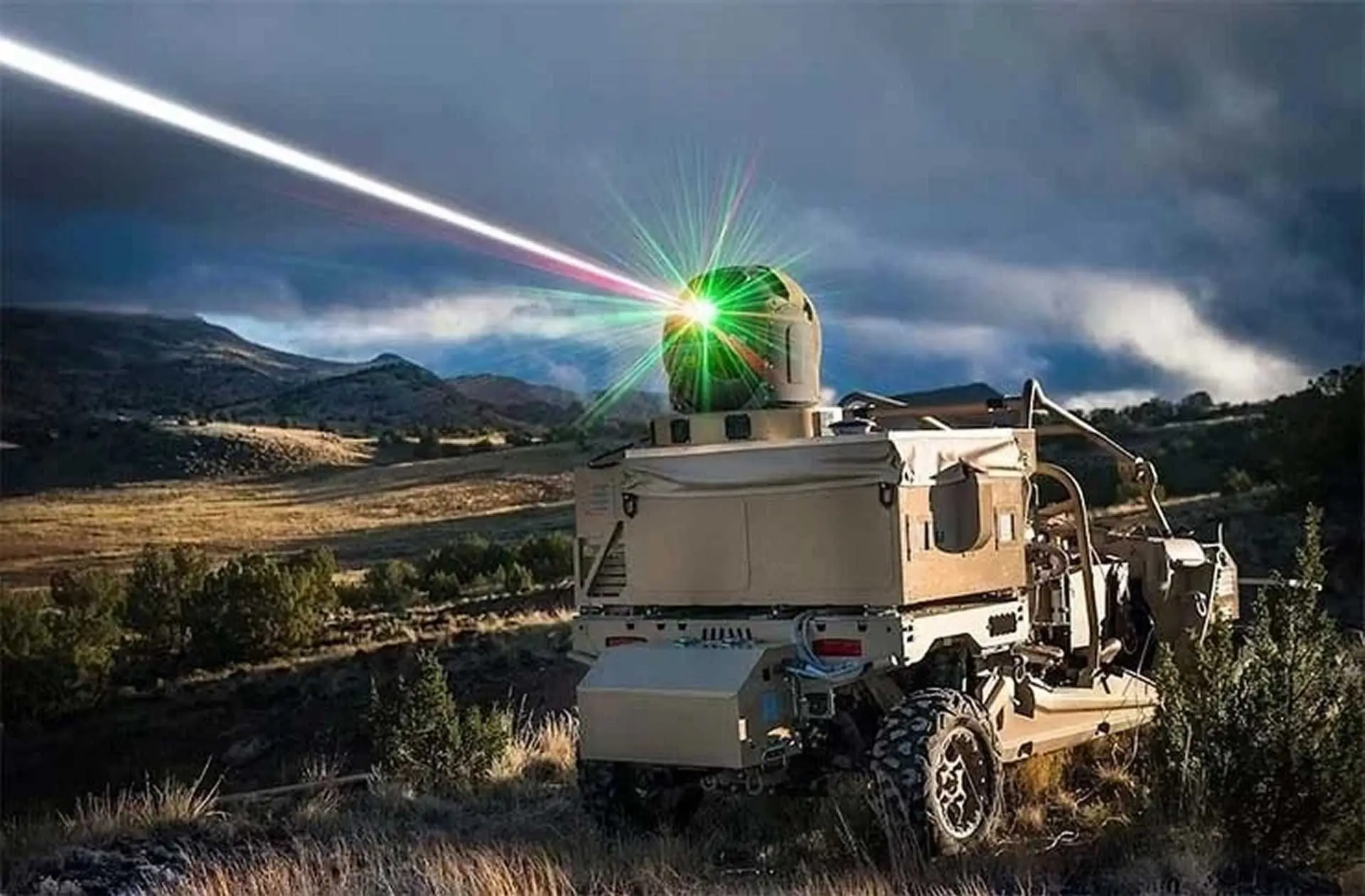
AI controls fast-steering mirrors and beam-focusing systems maintaining laser focus on manoeuvring targets moving at 100+ kilometres per hour. Real-time corrections compensate for target acceleration, deceleration, and lateral movement preventing beam divergence. Feedback control loops operating at 1,000 hertz maintain perfect beam alignment throughout engagement sequences.
Reduced Human Workload - System Automation Benefits
By automating threat detection, classification, and engagement prioritisation, Iron Beam reduces operator workload dramatically enabling single personnel managing multiple simultaneous threats. Operators focus on strategic decisions rather than performing labour-intensive threat analysis manually. This human-machine teaming approach maximises operator effectiveness.
Future AI Integration - Networked Defence Systems
Rafael's Fire Weaver system extends AI decision-making across networked military units coordinating engagement decisions across multiple laser platforms, missiles, and electronic warfare assets. Distributed AI networks enable simultaneous engagement against swarm threats impossible for individual systems. Next-generation integrated air defence systems will employ swarm algorithms for coordinated autonomous response.
)
)
)
)
)