Iran War: What is the black market price of 'LPG cylinders' in India due to Strait of Hormuz closure?

While the defense analysts are tracking Patriot missiles, the Indian middle class is tracking the delivery boy from the local gas agency. The closure of the Strait of Hormuz has essentially choked off 60% of India's LPG imports.

1. The Strait of Hormuz Chokehold
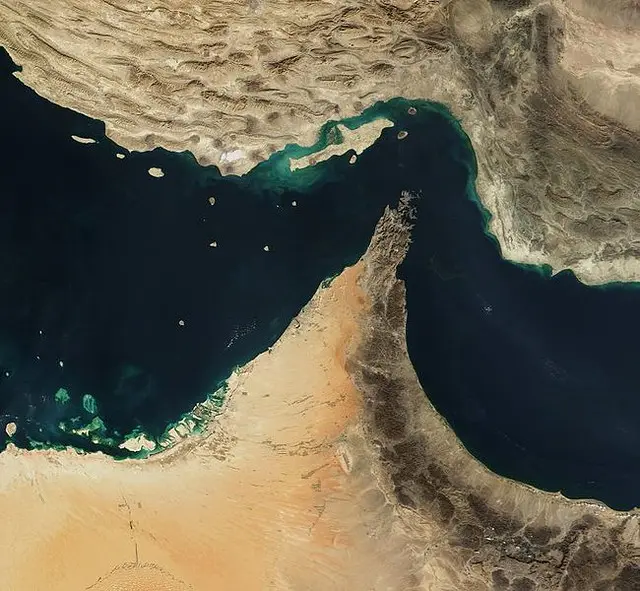
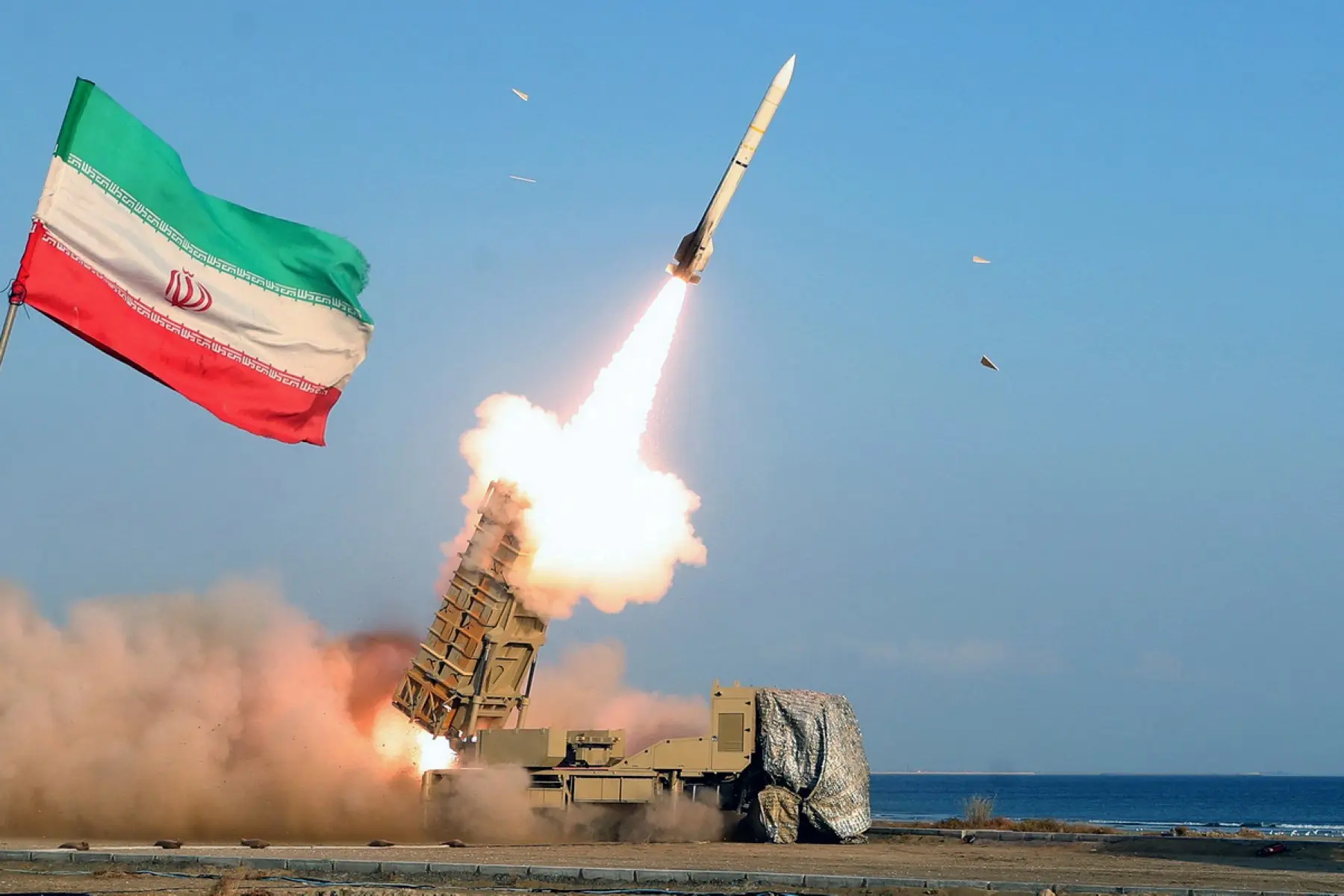
India is facing a brutal geographical reality check. While we boast about our refining capacity, the truth is that India imports roughly 60% of its LPG consumption, and a staggering 85-90% of those imports travel through the Strait of Hormuz. With the US-Israel-Iran conflict effectively shutting down tanker traffic in the Persian Gulf, India’s supply chain has been crippled overnight. The gas simply isn't reaching our shores.
2. The ₹5,000 Black Market Reality
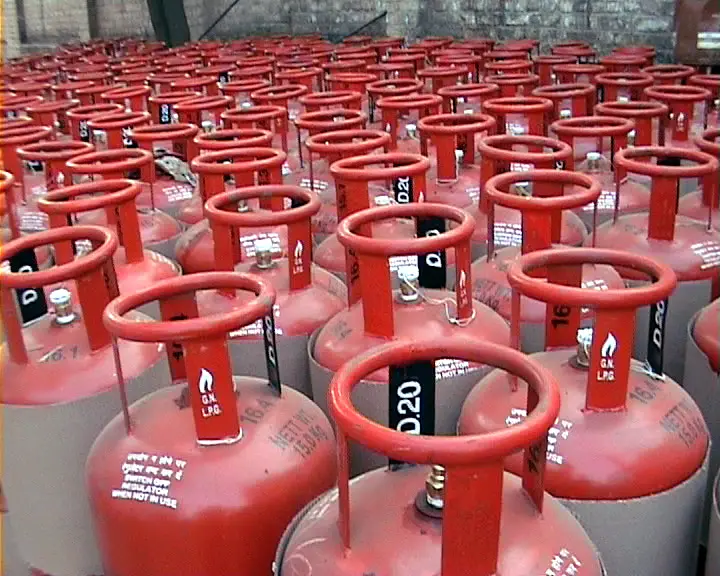
Because the government has forcibly diverted whatever gas is left to domestic households, the commercial sector has been completely starved. A 19-kg commercial LPG cylinder, which officially costs around ₹1,883 in Delhi, has vanished from legal channels. Desperate hotel and restaurant owners are now being forced to turn to a thriving, unregulated black market where distributors are illegally hoarding and selling commercial cylinders for an extortionate ₹3,200 to ₹5,000 each.

3. The 'Dosa' Crisis and Wood-Fired Kitchens
The hospitality sector is collapsing under the strain. In major IT and economic hubs like Bengaluru, Mumbai, and Chennai, massive restaurant chains are either shutting down or drastically altering their operations. Iconic eateries like Bangalore Thindies have entirely stopped serving gas-intensive items like dosas and meals, reverting to only tea and coffee. Thousands of smaller "dhabas" and street vendors have been pushed decades backward, forced to burn scrap wood and coal just to keep their businesses alive.
4. The 25-Day Hoarding Panic
The crisis has triggered a massive psychological panic among the Indian middle class. Fearing empty kitchens, consumers who normally book a cylinder every 50 days started panic-booking every 15 days. To stop this massive hoarding, the central government just intervened, officially altering the booking rules. As of this week, households are strictly locked out from booking a domestic refill until a mandatory 25-day gap has passed since their last delivery.
5. The 'Essential Commodities' Desperation
The ₹5,000 black market cylinder isn't just hurting restaurant owners; it is instantly being passed down to the consumer. Because eateries are paying a 150% premium for black-market gas, menu prices are skyrocketing across the country. Combine this with the sudden jump in cooking oil prices (sunflower and groundnut oils have already spiked by ₹10 per litre this week), and the Iran war is directly engineering a massive, unavoidable food inflation crisis for the Indian working class.
6. The Food Inflation Cascade
The ₹5,000 black market cylinder isn't just hurting restaurant owners; it is instantly being passed down to the consumer. Because eateries are paying a 150% premium for black-market gas, menu prices are skyrocketing across the country. Combine this with the sudden jump in cooking oil prices (sunflower and groundnut oils have already spiked by ₹10 per litre this week), and the Iran war is directly engineering a massive, unavoidable food inflation crisis for the Indian working class.
7. The 40-Country Scramble
In a desperate bid to calm the markets, government sources revealed yesterday that India is aggressively scrambling to diversify its energy basket. Previously relying on 27 nations, New Delhi is now actively begging for gas from up to 40 countries, including reaching out to Algeria, Australia, Canada, and Norway. But shipping gas from North America or Australia takes weeks. Until those ships arrive, the black market cartels will continue to hold the Indian hospitality sector hostage.
)
)
)
)
)