Iran vs Israel: Who holds the military edge in personnel, airpower, and tanks?

According to the Global Firepower Index 2025, Israel military is ranked 15 in the world with a PowerIndex score of 0.2661, while Iran ranks 16 with a PowerIndex score of 0.3048.
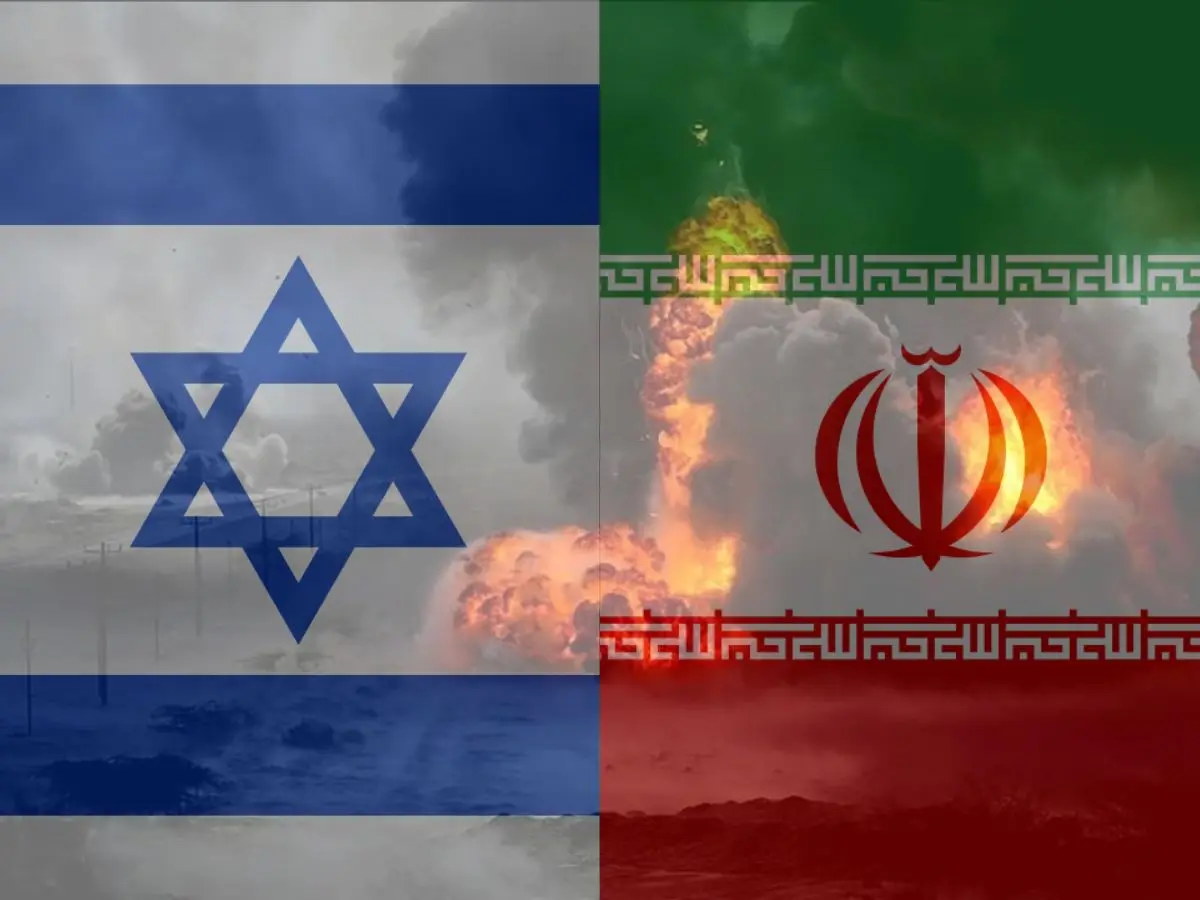
Tensions escalate amid Iran unrest
Unrest in Iran has claimed more than 500 lives, according to US-based rights group HRANA, as Tehran warned it would target US and Israel military bases if President Donald Trump intervened on behalf of protesters. Iranian Parliament Speaker Mohammad Baqer Qalibaf, a former commander in the Revolutionary Guards, cautioned Washington against “a miscalculation”, declaring Israel and all US bases and ships as 'legitimate targets' in the event of an attack. In this respect it becomes important to compare the military might of both the nations.
Score and rank
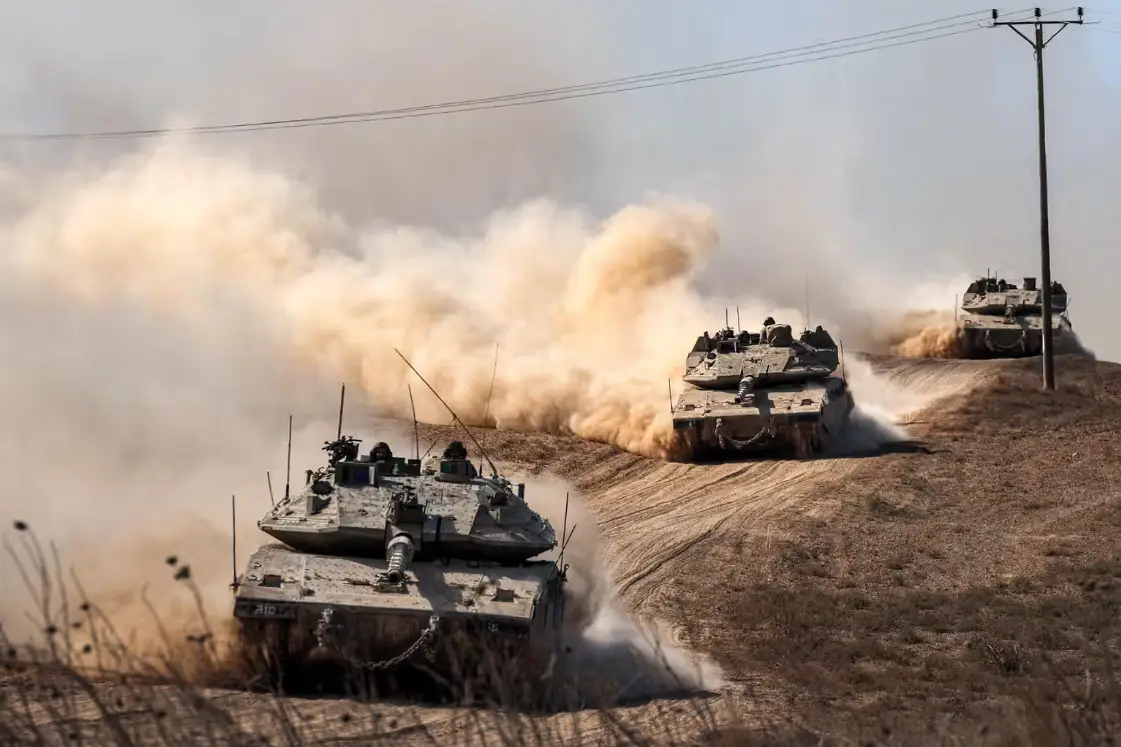
According to the Global Firepower Index 2025, Israel military is ranked 15 in the world with a PowerIndex score of 0.2661, while Iran ranks 16 with a PowerIndex score of 0.3048; because a lower score indicates stronger military capability, Israel’s armed forces are assessed as marginally stronger overall.
Population and manpower
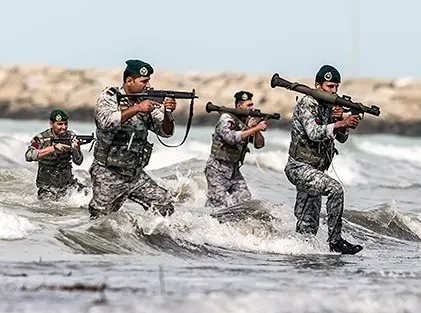
Iran vastly outnumbers Israel in population and available manpower. With roughly 88.4 million people compared to Israel’s 9.4 million, Iran has 49.5 million available for military service versus Israel’s 3.95 million. Iran can annually mobilise over 1.4 million new recruits, while Israel’s annual military-age intake is around 1,32,000. Active personnel stand at 6,10,000 in Iran and 1,70,000 in Israel, with reserve forces of 3,50,000 and 4,65,000 respectively.
Defence budgets and resources
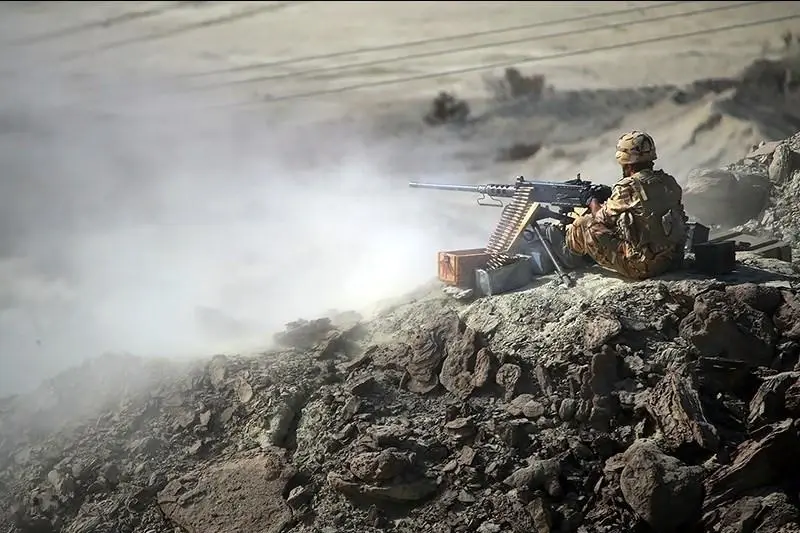
Israel maintains a larger defence budget of $30.5 billion, double Iran’s $15.45 billion, enabling advanced equipment procurement. Israel’s foreign reserves of $204.6 billion surpass Iran’s $120.6 billion, highlighting stronger financial capacity for sustained operations.
Airpower comparison
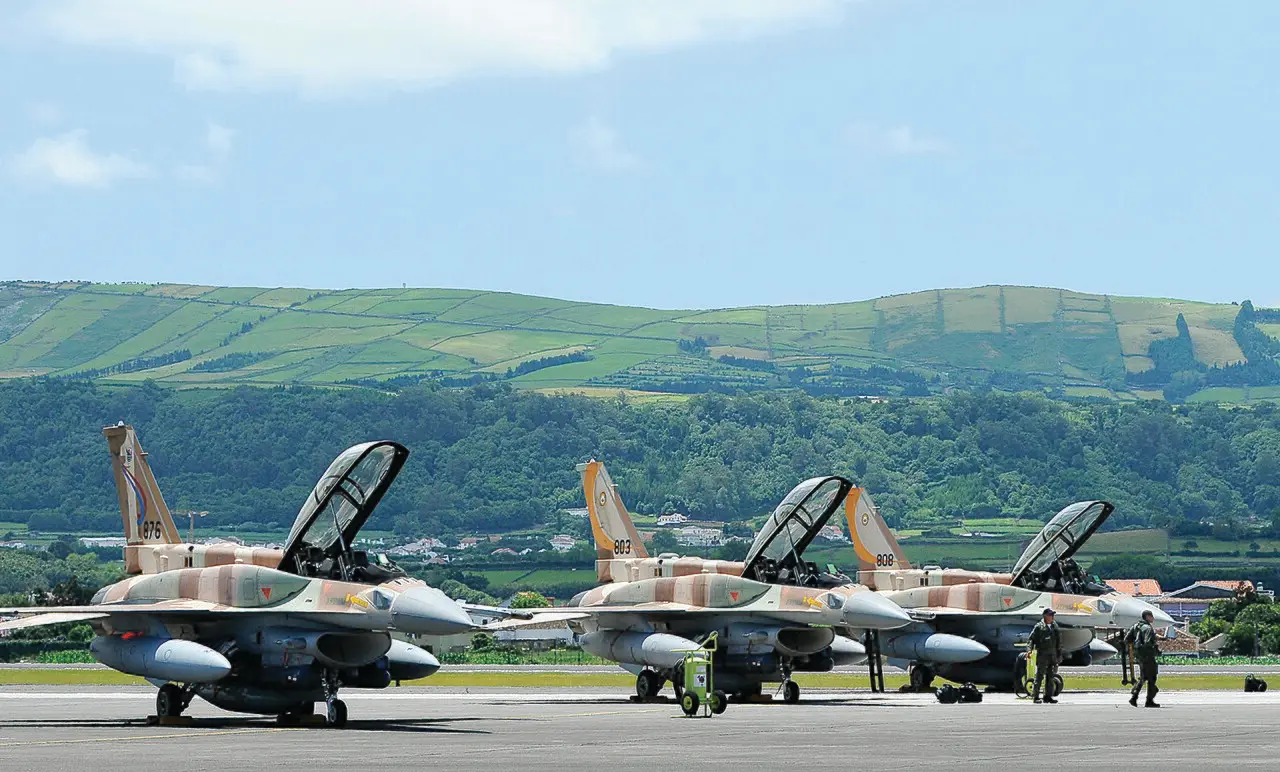
Both Iran and Israel operate modern air forces, but with notable differences in capability. Iran fields 551 aircraft, including 188 fighters and 87 transport planes, while Israel maintains 611 aircraft, comprising 240 fighters and 13 transport planes. Israel also outmatches Iran in specialised roles: it operates 19 special mission aircraft versus Iran’s 10, and maintains 48 attack helicopters, compared with Iran’s 13. Additionally, Israel’s dedicated strike aircraft provide a qualitative advantage, giving it greater precision and tactical flexibility despite Iran’s larger overall numbers.
Land forces and artillery
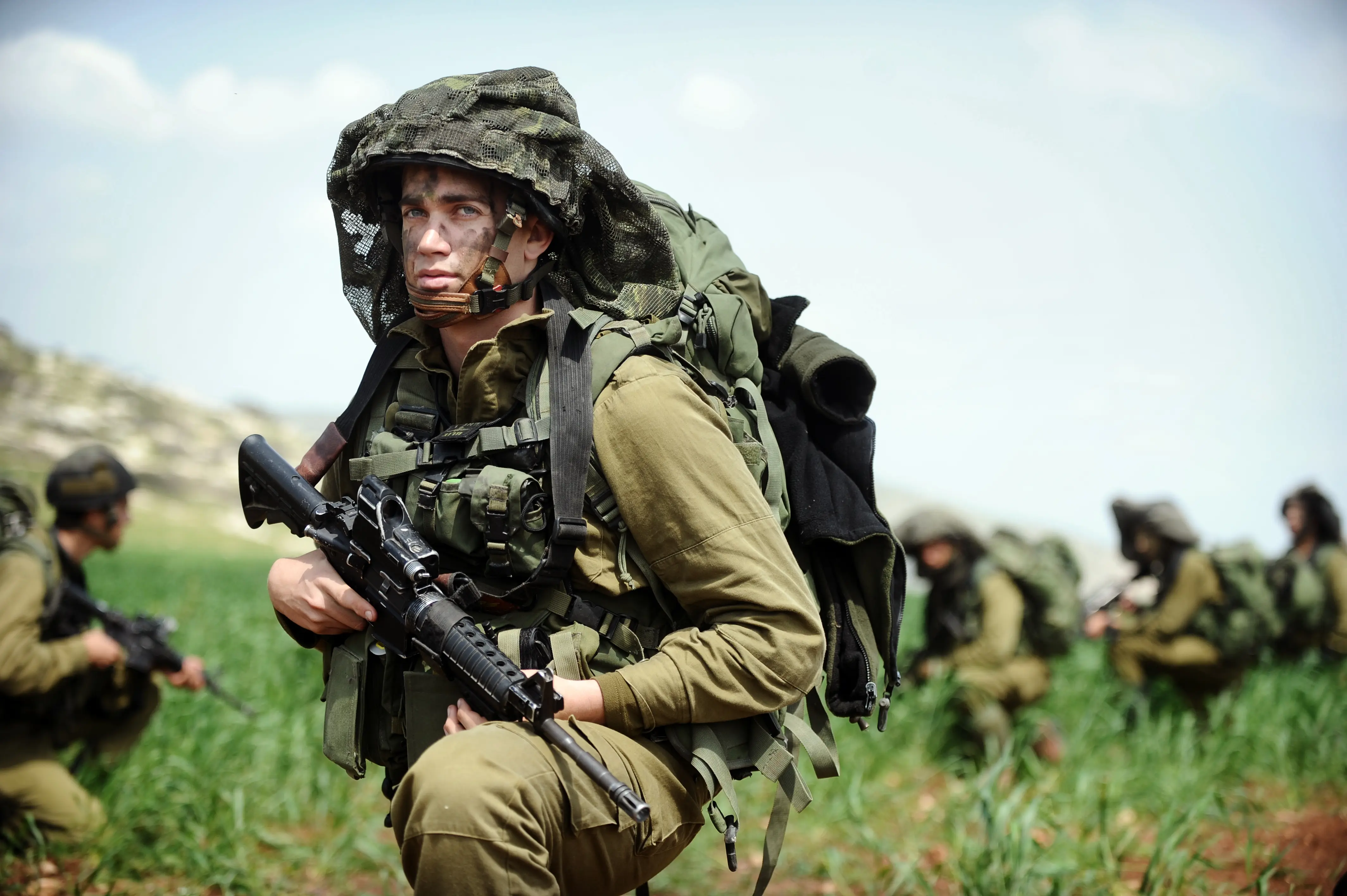
Iran’s land strength includes 1,713 tanks and nearly 66,000 armoured vehicles, compared to Israel’s 1,300 tanks and 35,985 armoured vehicles. Iran also fields 1,517 mobile rocket projectors versus Israel’s 183, giving Tehran a large conventional artillery advantage. Israel, however, compensates with highly mobile and precision-guided systems.
Naval capabilities
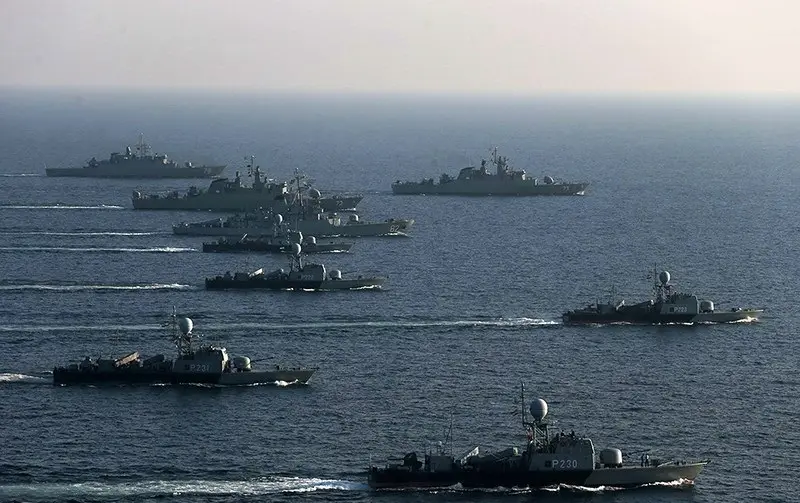
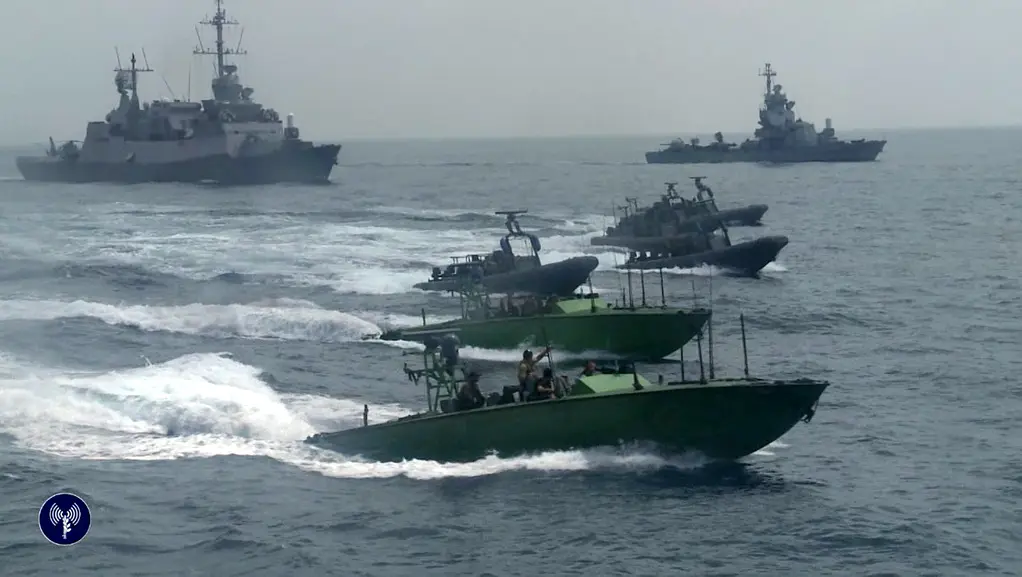
Iran operates a larger fleet overall, including 107 vessels, while Israel’s smaller navy focuses on advanced missile boats and submarines capable of strategic deterrence. None of the countries operate aircraft carriers. While Iran operates 25 submarines, Israel only has 5 submarines. Israel’s naval technology, though numerically inferior, is regarded as highly capable for regional defence.
Strategic implications
Despite Iran’s numerical advantages in manpower, armour, and rocket artillery, Israel holds significant qualitative strengths in airpower, technology, and defence spending. In any conflict scenario, the role of allies becomes decisive: with the United States, ranked 1st in the Global Firepower Index, as a close partner, Israel’s combined military capability far outmatches Iran’s, highlighting that Iran’s forces would struggle against a coordinated US-Israel response.
)
)
)
)
)