Iran-US tensions: How USS Gerald R. Ford’s A1B nuclear reactors outpower USS Abraham Lincoln’s A4W engines

Both the USS Abraham Lincoln (CVN-72) and USS Gerald R. Ford (CVN-78) are both are more than 1,00,000-ton, nuclear-powered US Navy supercarriers designed for high-tempo, global strike operations.
Carriers at the Centre of Escalation
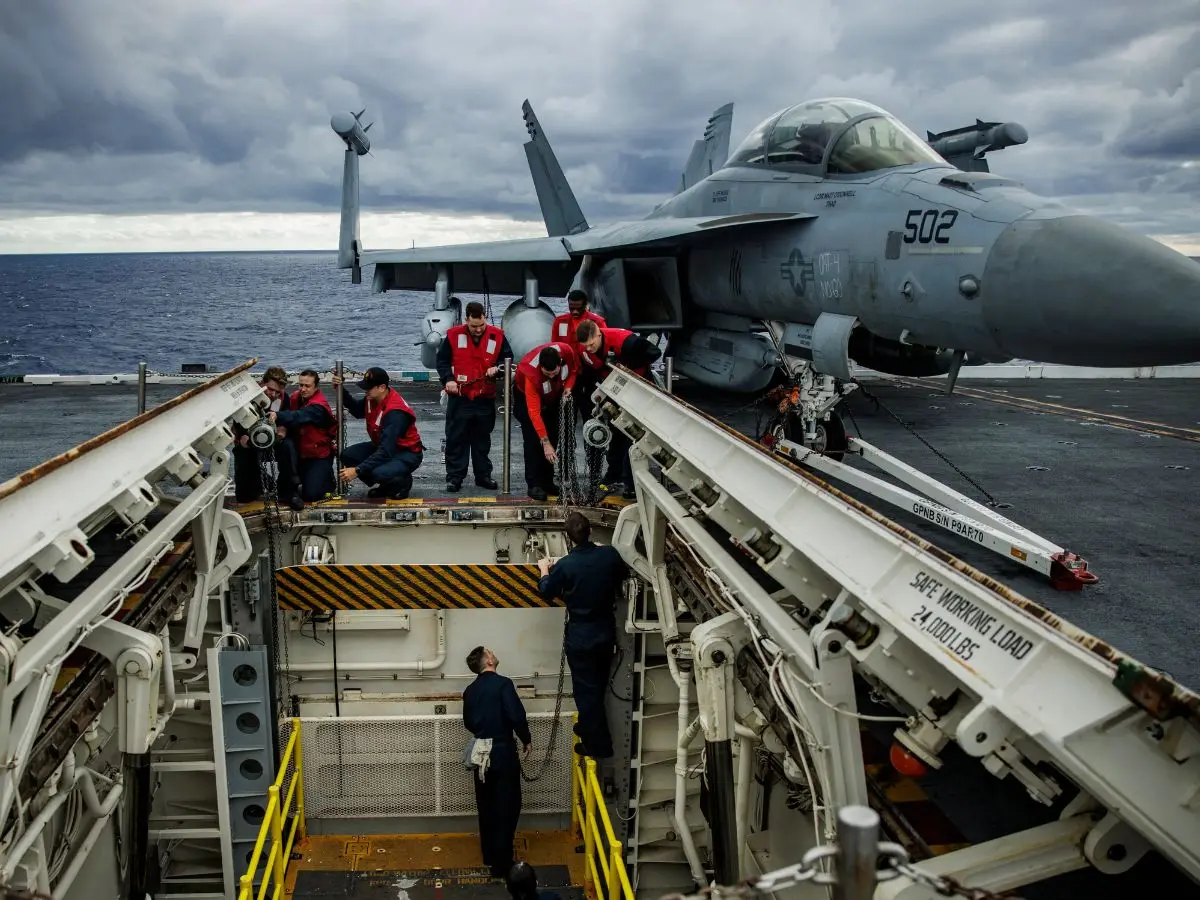
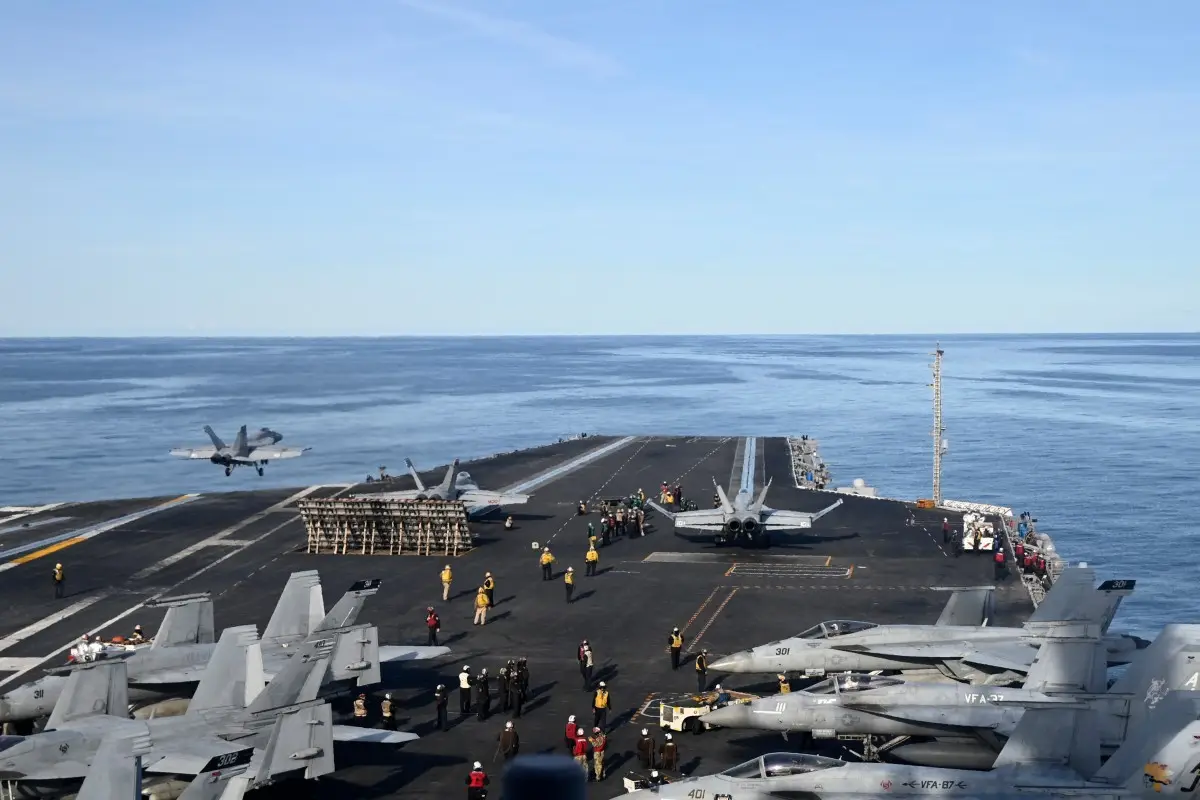
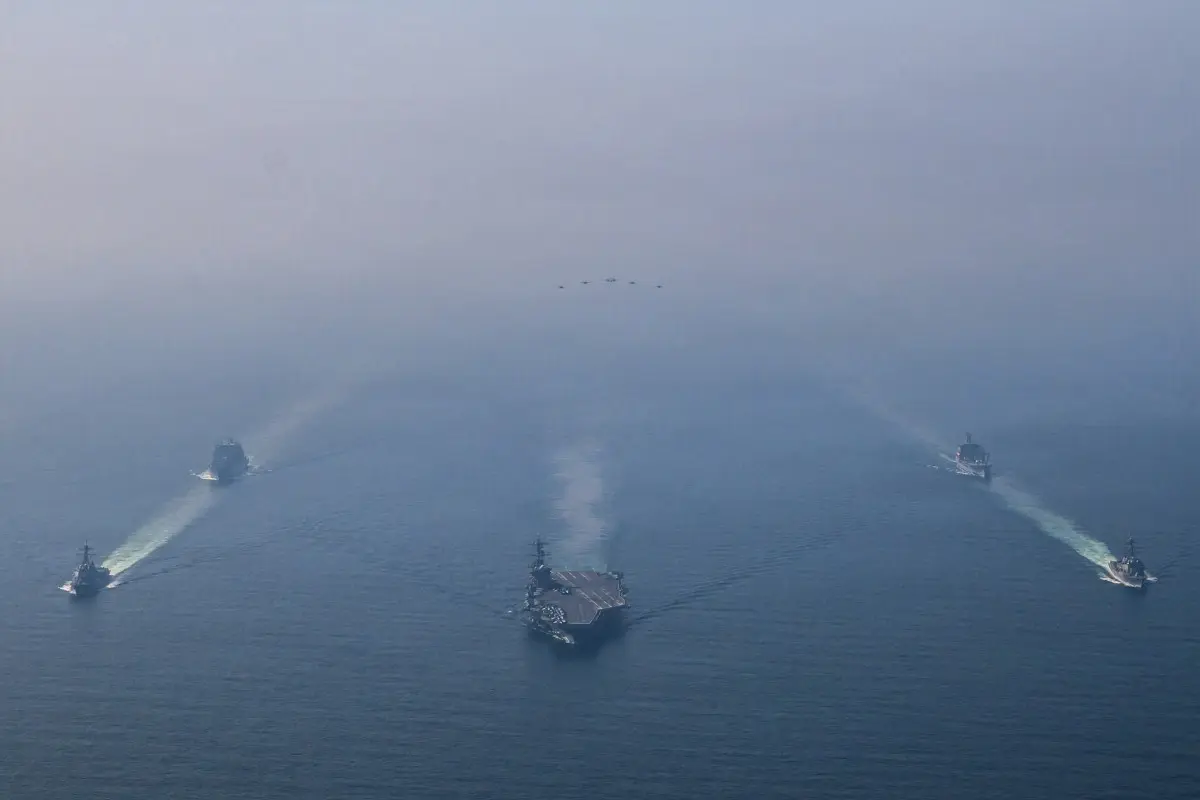
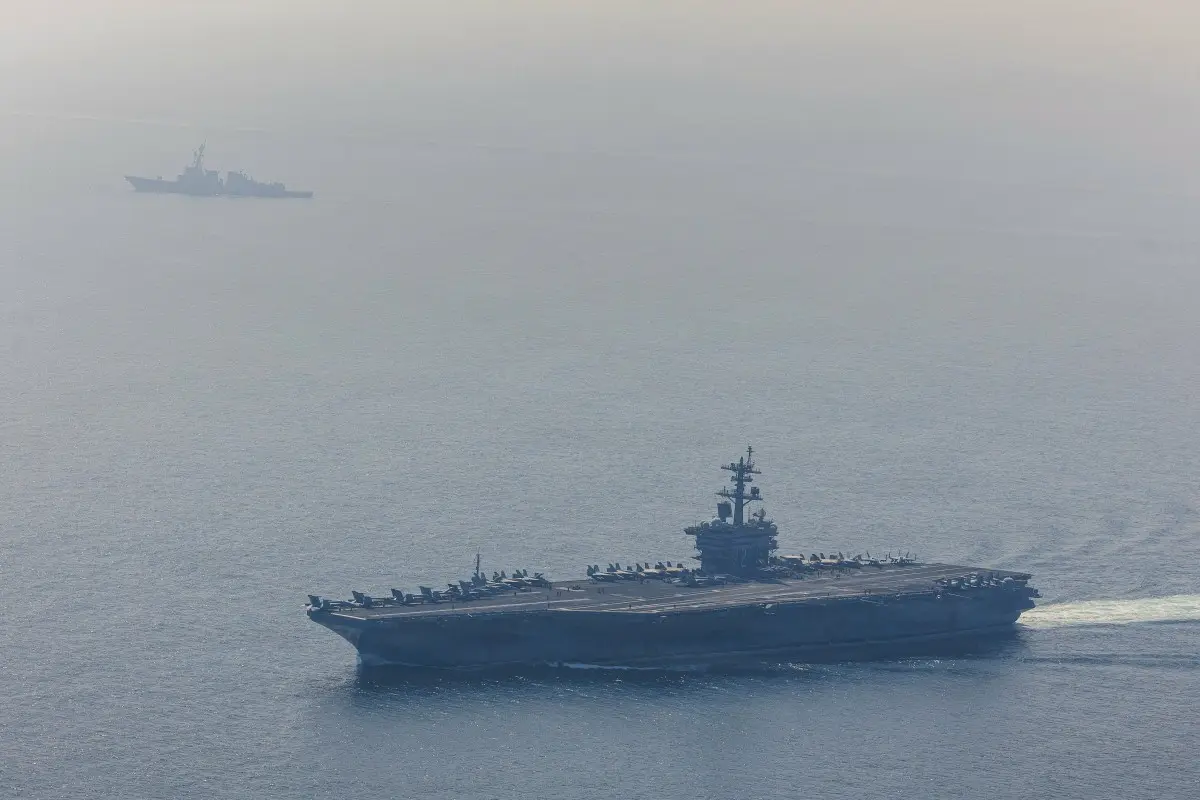
US' largest warship, USS Gerald R. Ford, along with its embarked air wing and carrier strike group, is now operating in the western Mediterranean after transiting the Strait of Gibraltar on 20 February. USS Abraham Lincoln remains deployed in Arabian waters, sustaining a forward US naval presence near the Gulf. Ford is expected to move east and potentially join Lincoln, concentrating significant American carrier power in the region. The deployments coincide with a third round of Iran-US nuclear talks in Geneva, confirmed by Oman’s foreign minister, as US President Donald Trump warns that “really bad things will happen” if no deal is reached. Yet the convergence of these two large-deck carriers also raises a strategic question: beyond geography and timing, how do these warships differ in design, power generation and combat capability, and which represents the more advanced expression of US naval power?
What is a nuclear aircraft carrier?
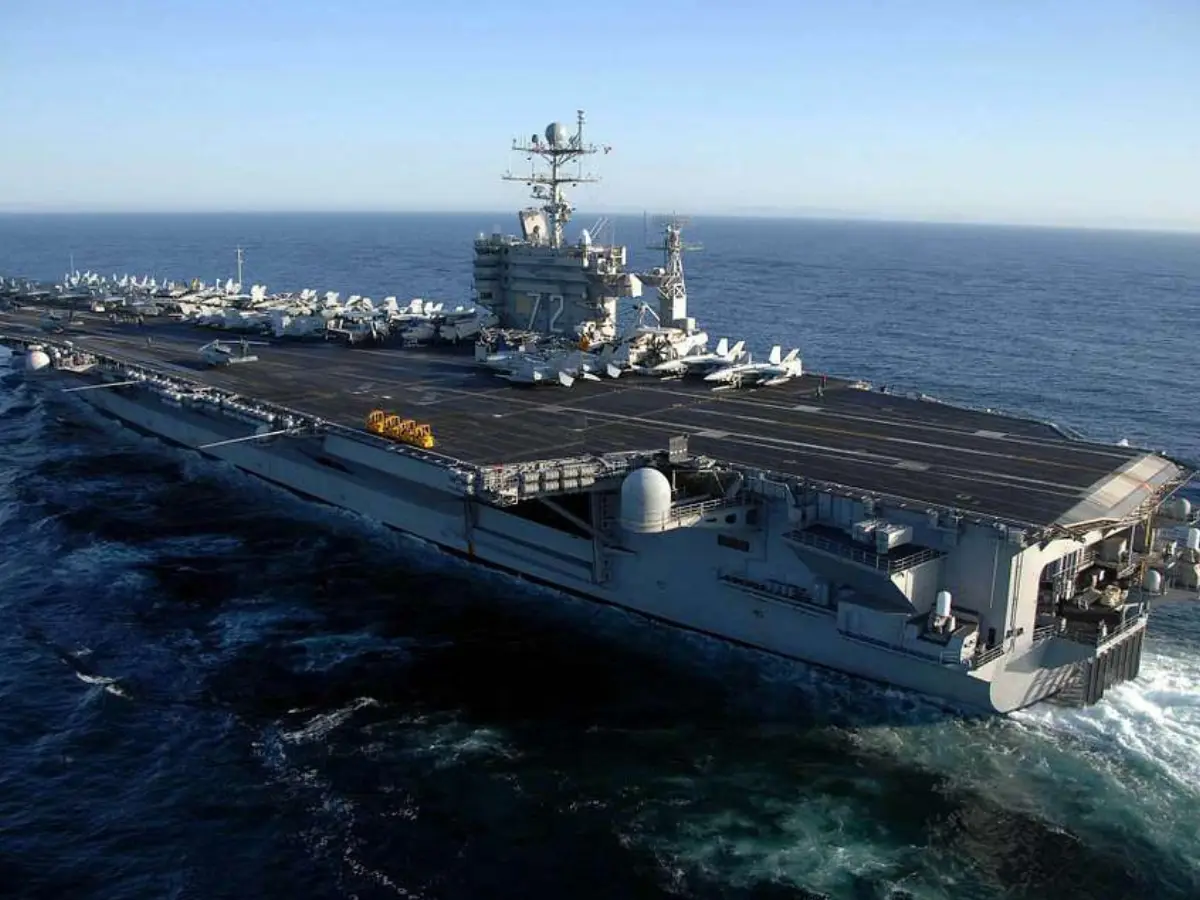
Both the USS Abraham Lincoln (CVN-72) and USS Gerald R. Ford (CVN-78) are both are more than 100,000-ton, nuclear-powered US Navy supercarriers designed for high-tempo, global strike operations. One of the most significant features that determines a warship’s overall power is its nuclear reactor. Both nuclear-powered submarines and aircraft carriers rely on onboard reactors for sustained propulsion and electrical generation. Inside the reactor, atoms undergo fission, releasing energy in the form of heat. This heat is used to produce high-pressure steam, which drives propulsion turbines connected to the ship’s shafts and propellers. Separate turbine generators convert steam energy into electricity to power onboard systems, sensors and combat equipment. As the steam cools and condenses back into water, it is recycled through the system, allowing the cycle to continue uninterrupted.
The A4W Legacy
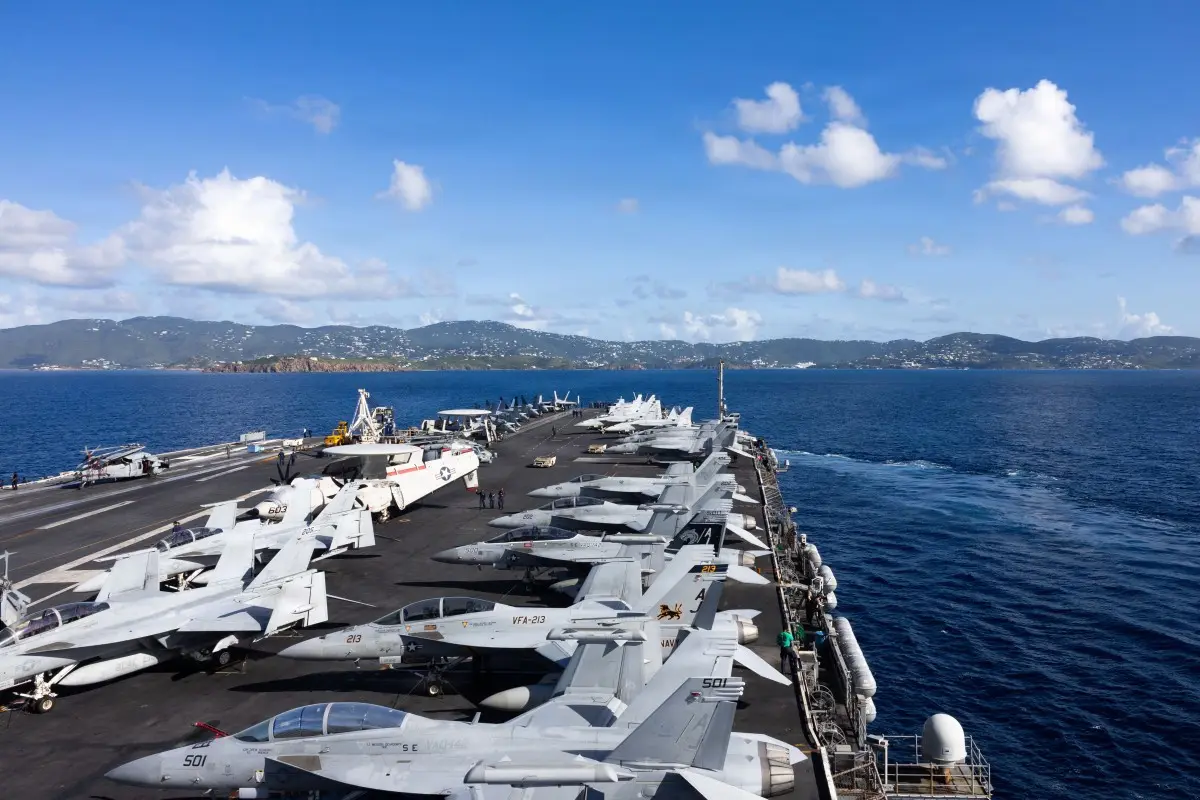
USS Abraham Lincoln’s propulsion system consists of two A4W nuclear reactors driving four steam turbines and four shafts, generating around 260,000 shaft horsepower (194 megawatts). The A4W design has delivered decades of reliable service across the Nimitz class, enabling sustained speeds in excess of 30 knots and global deployment without refuelling for years at a time. Its steam-based architecture, however, reflects Cold War engineering constraints.
The A1B Step Forward
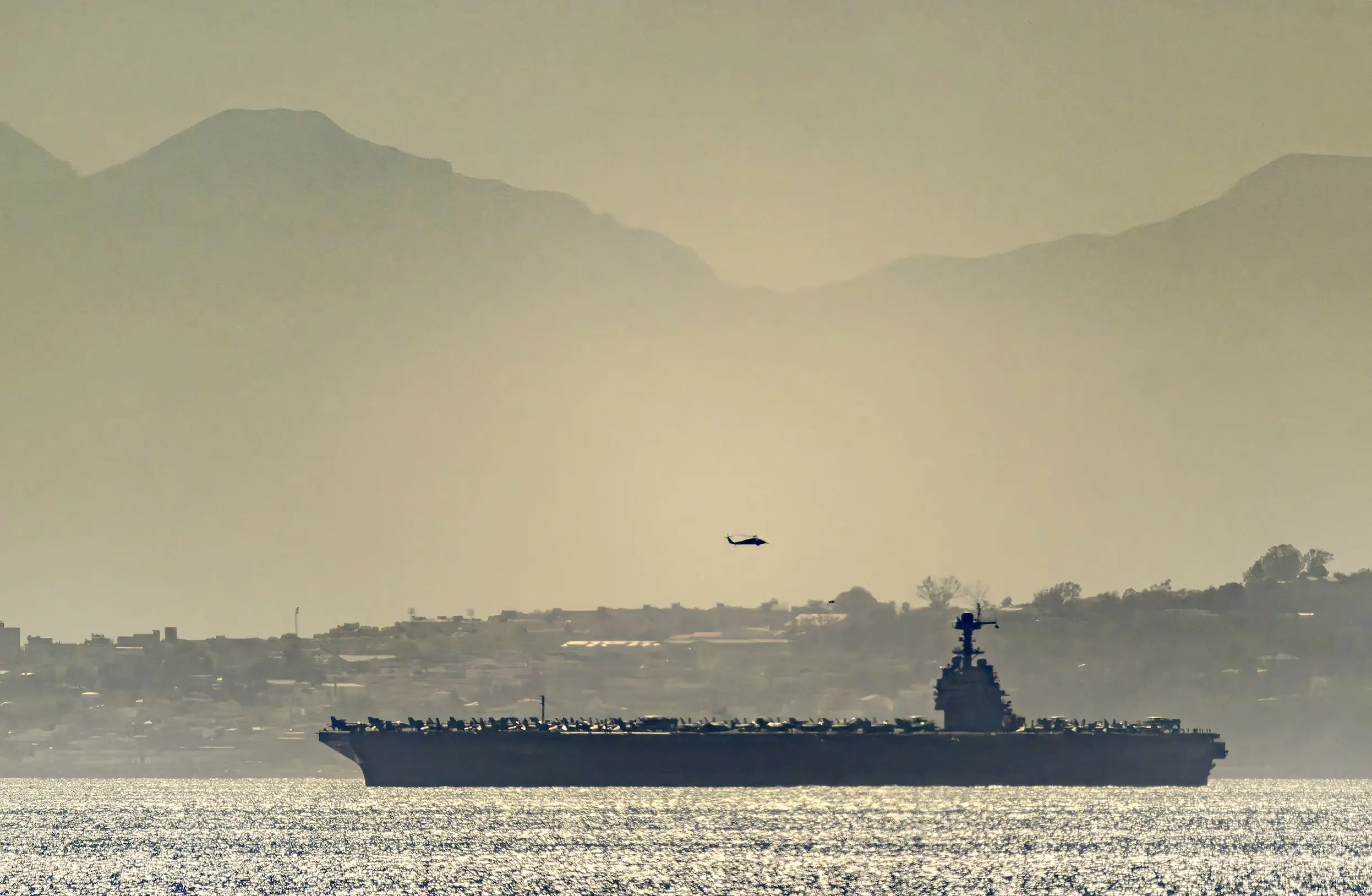
USS Gerald R. Ford’s A1B reactors represent a generational redesign. Also driving four shafts, the A1B plant is built to produce significantly more electrical power than the A4W. The carrier generates over 700 megawatts of electricity, supporting propulsion, radar systems, and onboard energy-intensive technologies. These reactors produce nearly 25 per cent more power than those on the Nimitz-class carriers.
Electrical Power and Modern Warfare
The increased electrical output of the A1B reactors enables Ford to power energy-intensive technologies. These include the Electromagnetic Aircraft Launch System (EMALS), which replaces traditional steam catapults, and the Advanced Arresting Gear (AAG). EMALS allows smoother acceleration of aircraft, reducing stress on airframes and potentially lowering maintenance demands.
Efficiency and Crew Reduction
The A1B design also improves efficiency and reduces manning requirements compared with the A4W. Fewer operators are needed to manage reactor systems, contributing to Ford-class plans for lower lifecycle operating costs. Simplified mechanical systems reduce maintenance complexity over the ship’s service life.
Operational Implications
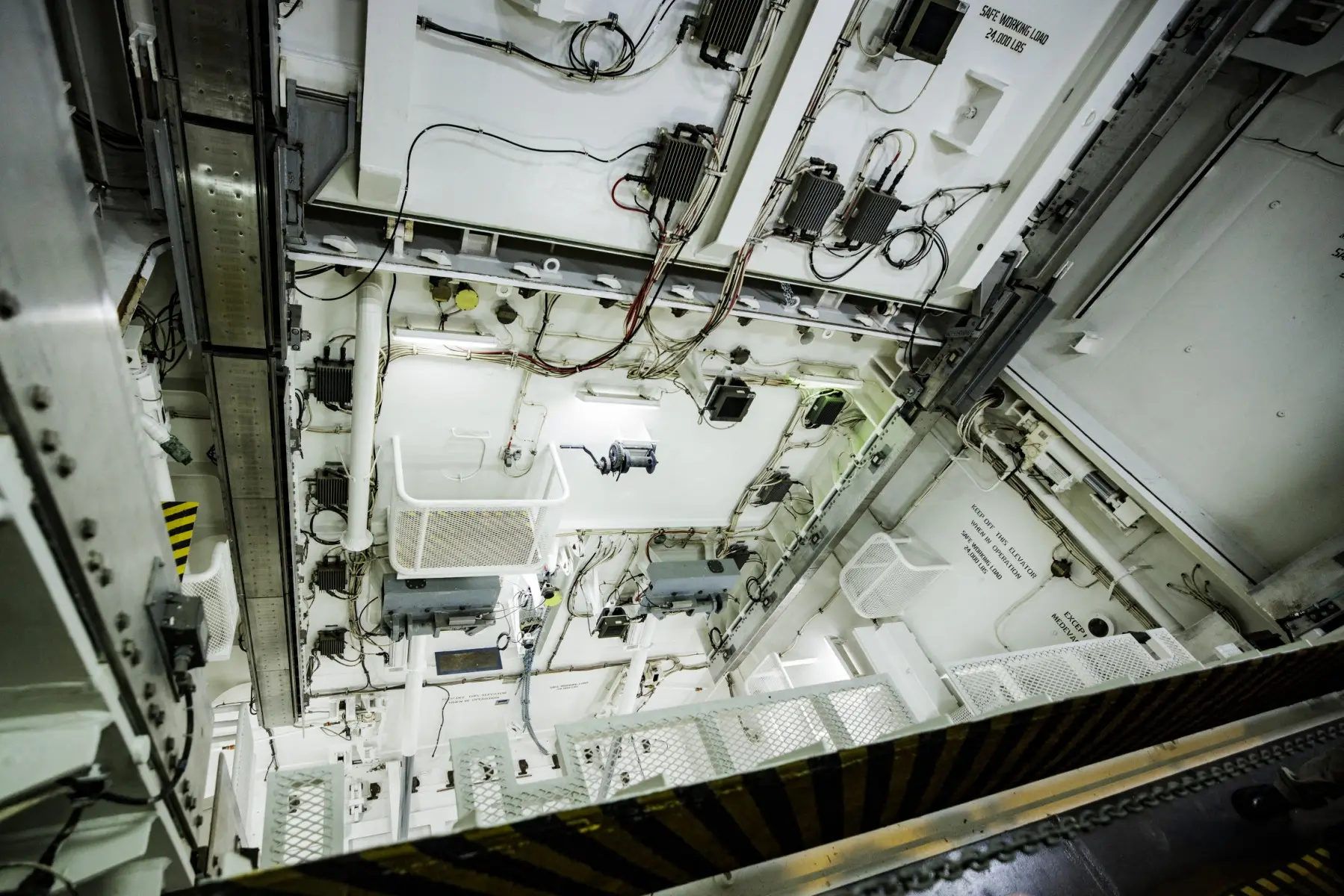
Both carriers maintain the ability to project sustained air power across oceans. However, Ford’s expanded electrical margin supports future systems integration, including advanced sensors and defensive technologies. The reactor design anticipates emerging capabilities that require higher onboard power generation. The nuclear propulsion allows the Gerald ship to operate for decades without refuelling, giving it unmatched endurance compared with conventional vessels.
A Measurable Generational Gap
USS Abraham Lincoln remains a formidable platform with proven endurance and propulsion strength. Yet USS Gerald R. Ford’s A1B reactors reflect a structural evolution in carrier engineering. By increasing electrical generation, improving efficiency and enabling new launch systems, the Ford-class sets a new benchmark in nuclear-powered naval propulsion.
)
)
)
)
)