iPhone 18 Pro camera: Why f/1.48 matters

The iPhone 18 Pro's f/1.48 aperture captures 50 per cent more light for superior low-light photography. This massive mechanical opening enables faster shutter speeds, cleaner images, genuine optical bokeh, and significantly faster Night mode shots.
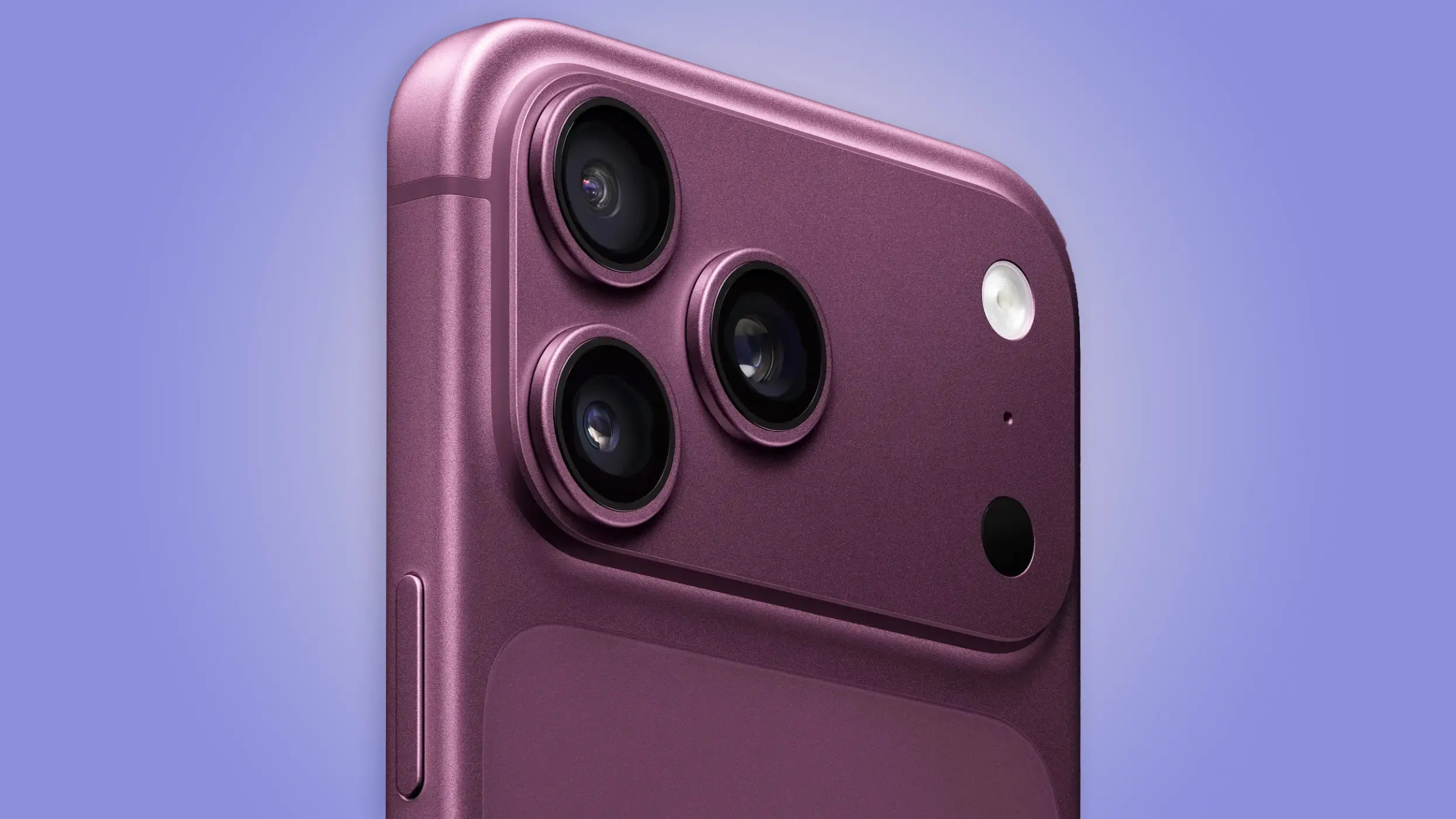
A Massive Light Upgrade
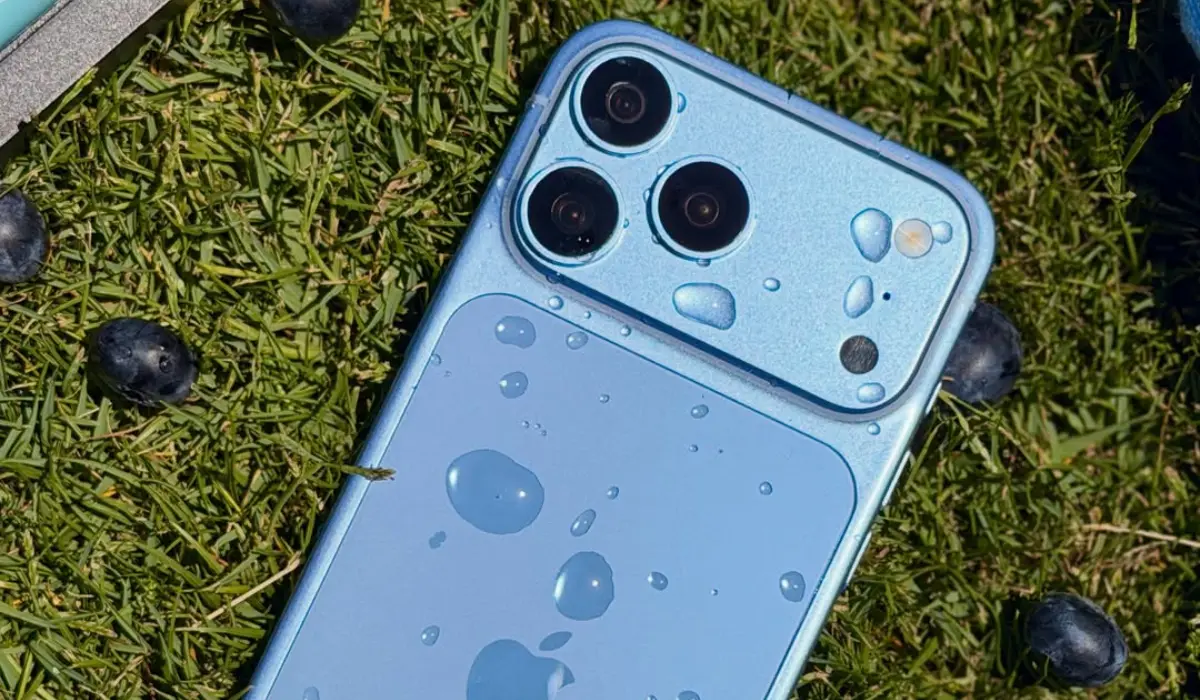
The iPhone 18 Pro introduces a mechanical variable aperture, but the most exciting number is f/1.48. This wide-open setting represents a massive leap in how much physical light the overhauled 48-megapixel sensor can capture.
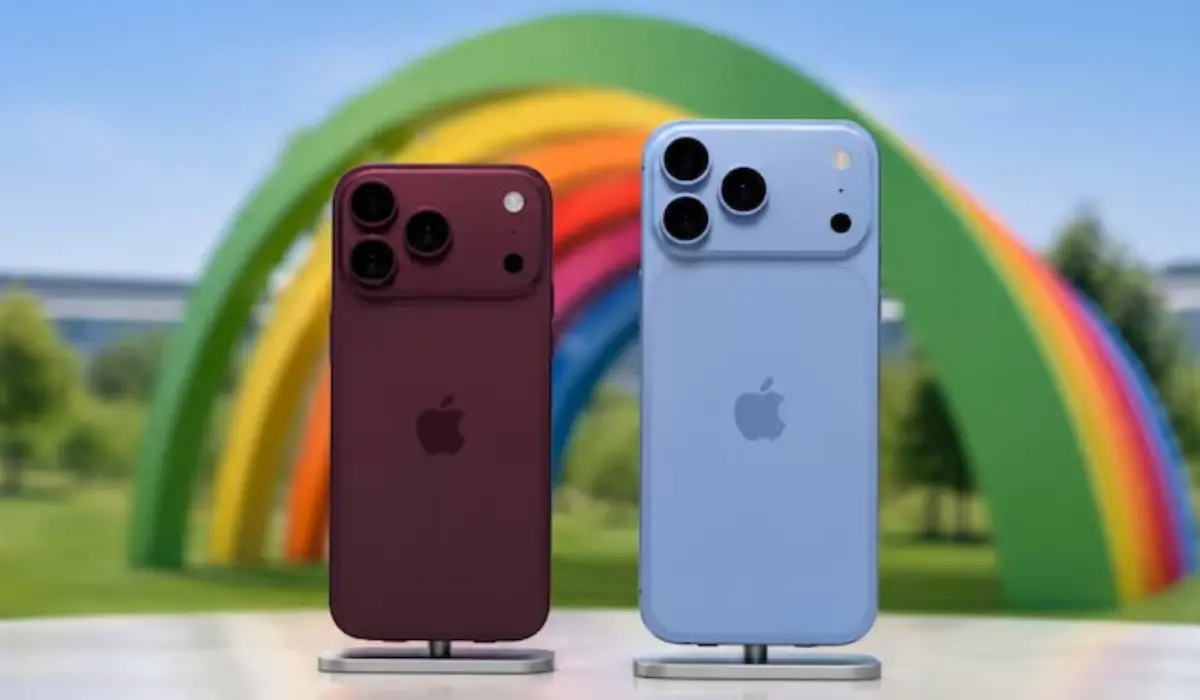
50 Per Cent More Light
By opening the six laser-cut mechanical blades to f/1.48, the camera pulls in roughly 50 per cent more light than previous generations. This drastic increase fundamentally changes how the iPhone performs in dark and dimly lit environments.
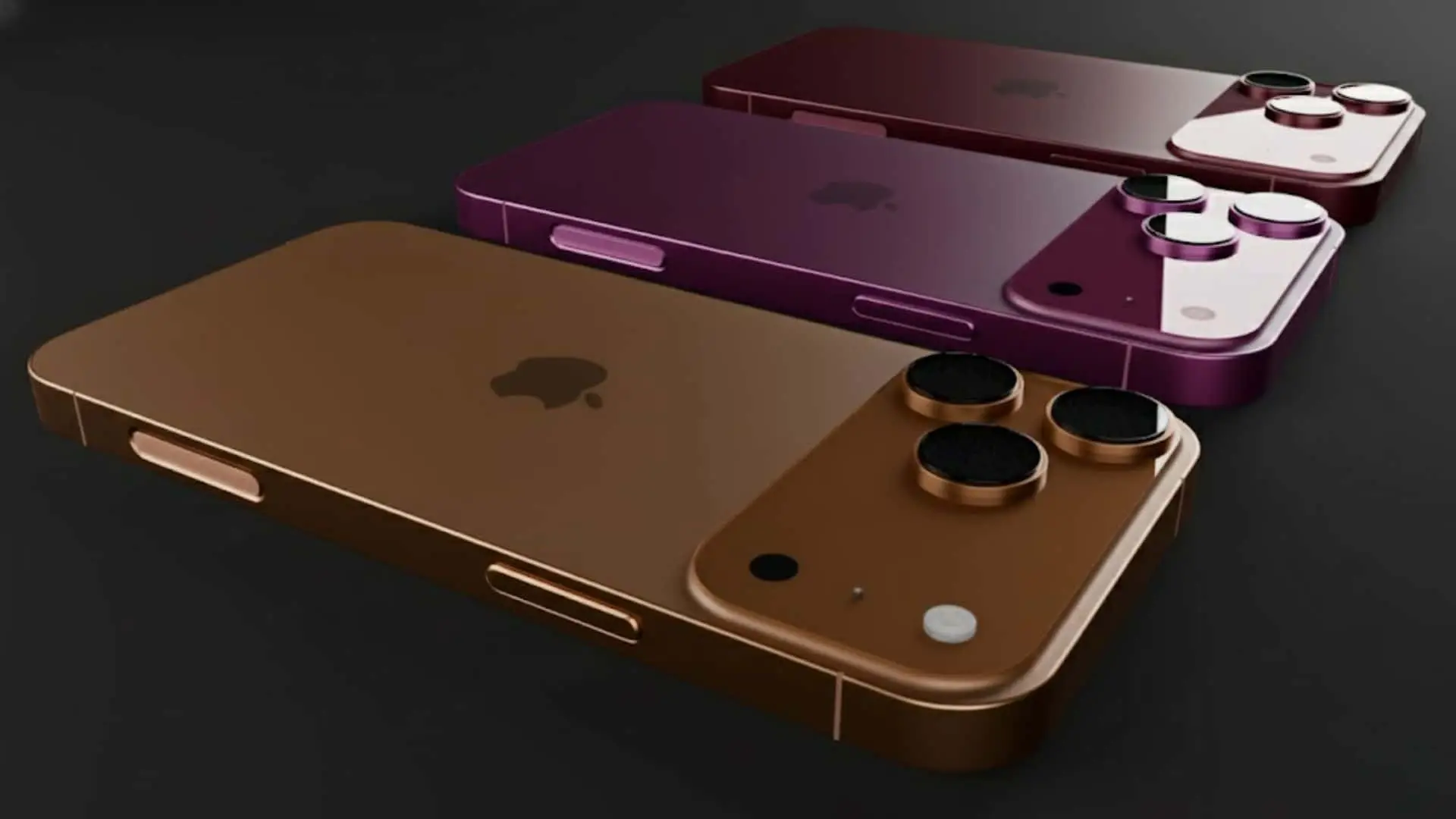
Faster Shutter Speeds
More light means the camera does not have to compromise. At f/1.48, the iPhone can maintain much faster shutter speeds in low light, perfectly freezing moving subjects like pets or children without motion blur.
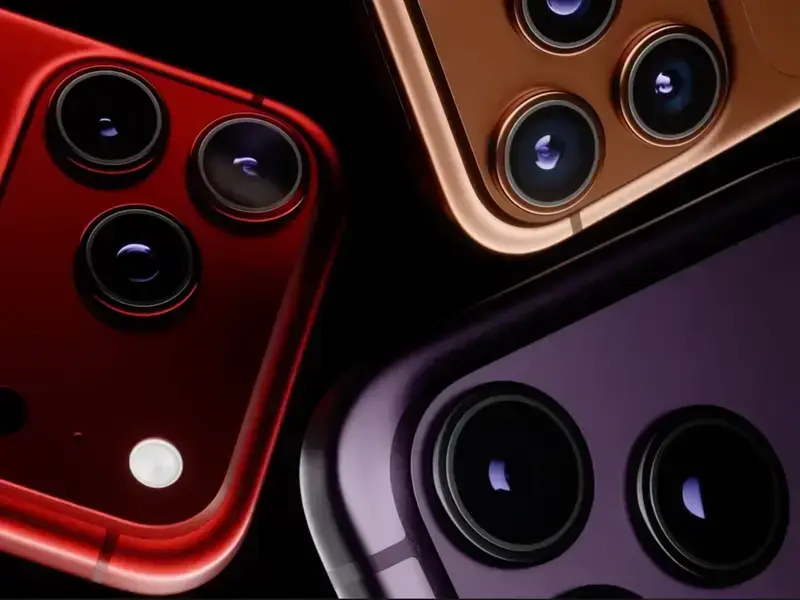
Reducing Digital Noise
In the past, iPhones compensated for darkness by artificially boosting ISO, which creates ugly digital grain. The f/1.48 aperture physically solves this problem, allowing the sensor to capture clean, detailed images without aggressive digital noise reduction.
True Optical Bokeh
Software portrait modes often struggle with hair and glasses. The massive f/1.48 opening naturally creates a shallower depth of field, delivering genuine optical background blur without relying entirely on artificial computational processing.
Quicker Night Mode
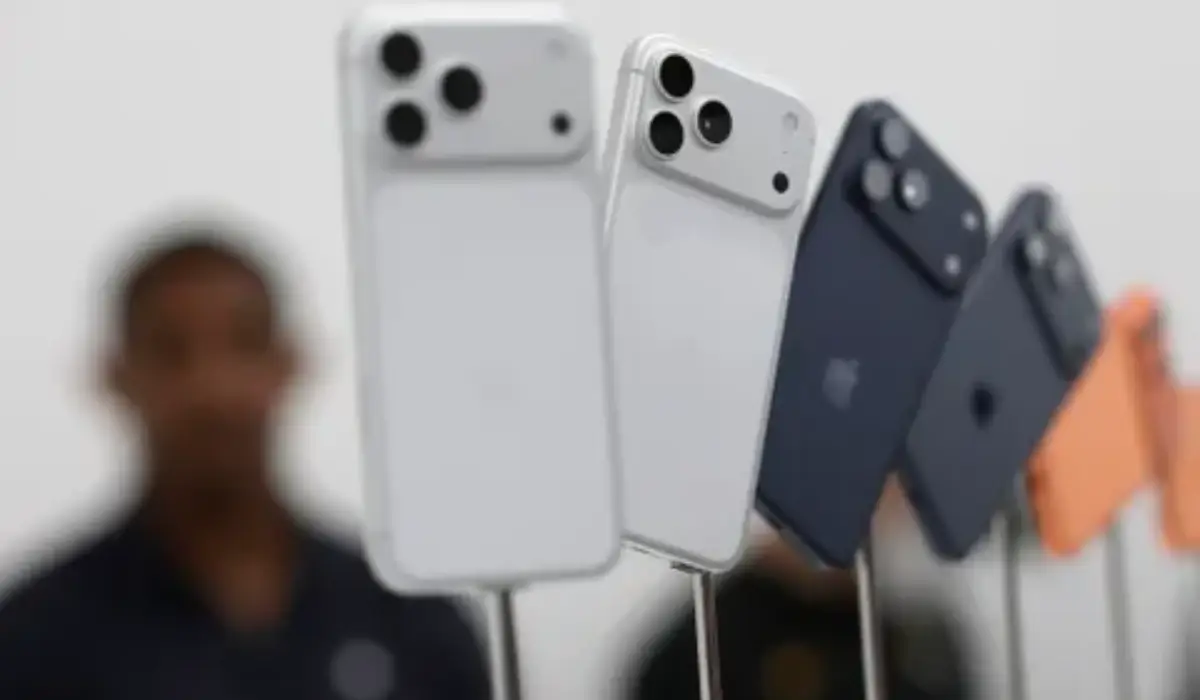
Because the sensor receives so much raw light instantly, Apple claims Night mode shots are noticeably quicker. Users no longer need to hold their hands perfectly still for extended periods to capture a bright, usable nighttime photograph.
Automatic or Manual
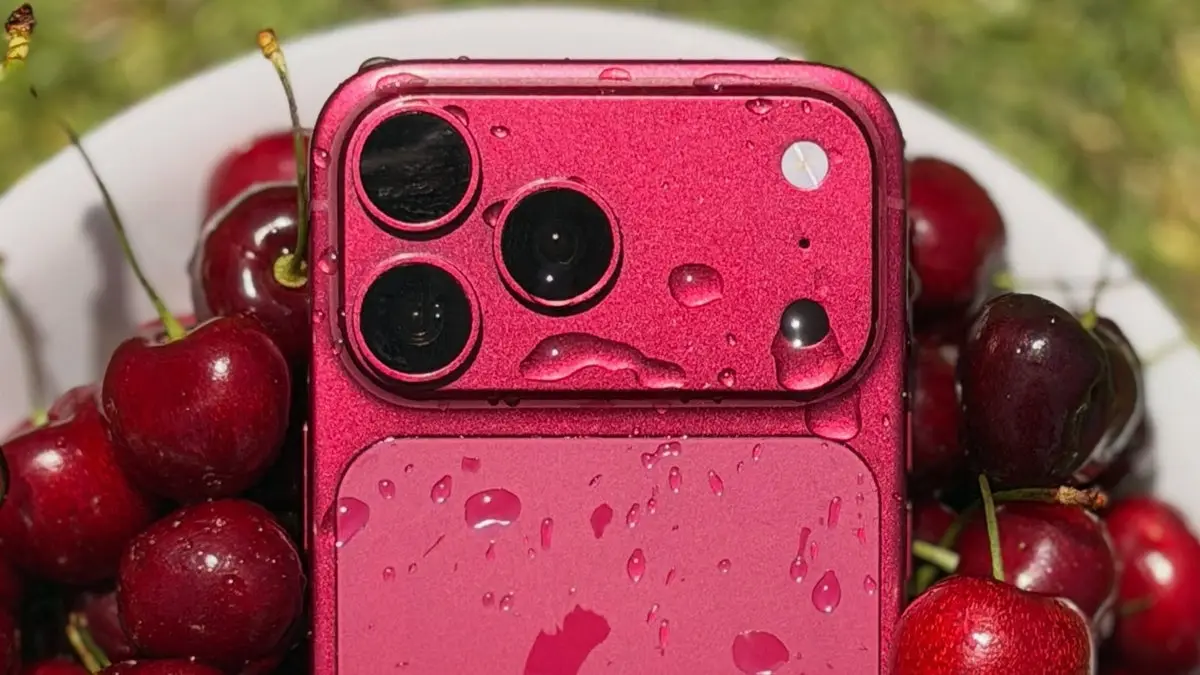
While casual users will benefit from f/1.48 automatically activating in dark scenes, enthusiasts get full control. Apple's new Pro Controls interface allows advanced photographers to manually lock the aperture wide open for maximum creative flexibility.
)

)
)
)