International Space Station to fly over India: Here's WHEN and HOW you can spot ISS

The ISS can be sighted flying across the sky for as long as five to seven minutes. Spotting the space station has become easier than ever, thanks to THESE apps: Time to wave at Shubhanshu Shukla!

Space Station To Fly Over India
The International Space Station (ISS) can be sighted flying over India in the next few days: Get ready to wave at Indian astronaut Shubhanshu Shukla: Not literally, but figuratively!
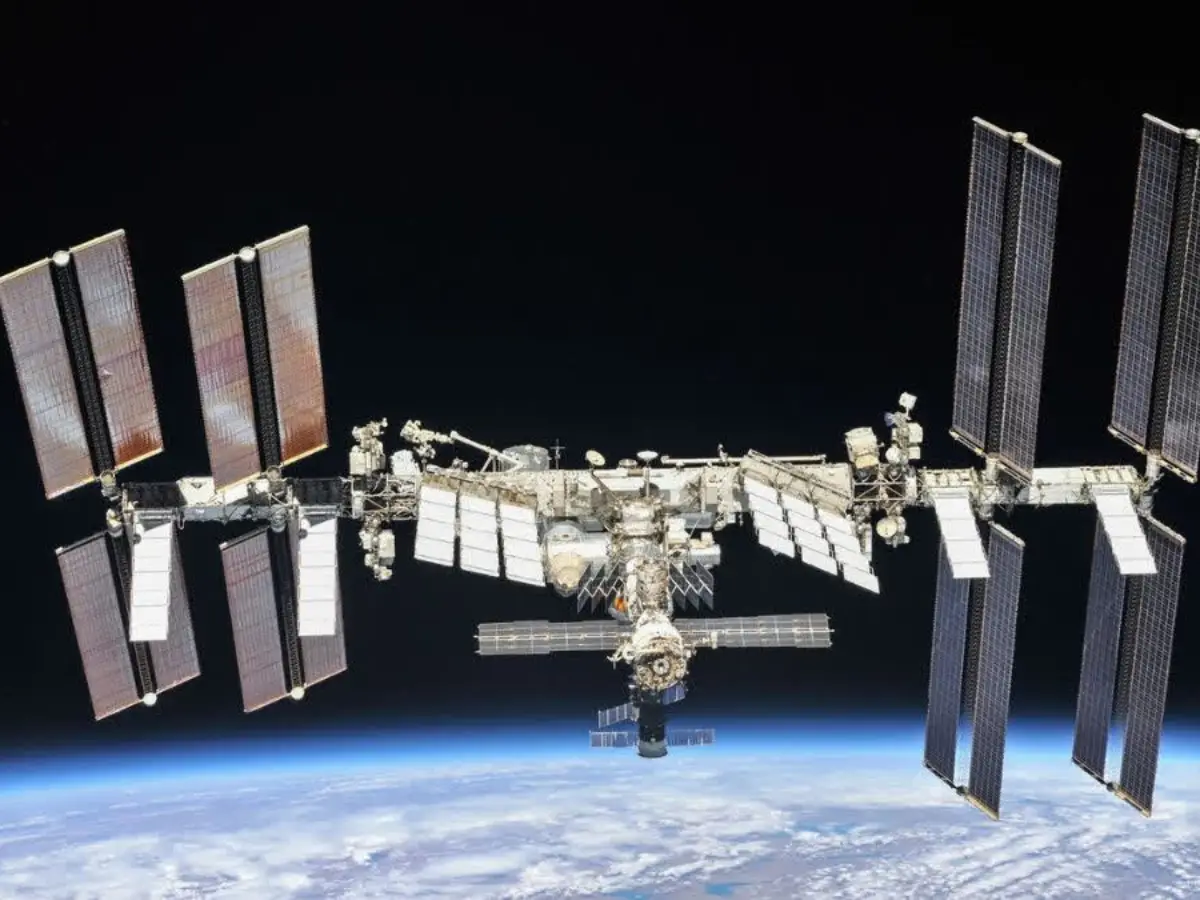
How to spot ISS over India?
Follow these steps to spot the ISS:
- Look after sunset or before sunrise
- Appears like a bright, fast-moving star (no blinking)
- Visible for 3–7 minutes, moving west to east
- No telescope needed
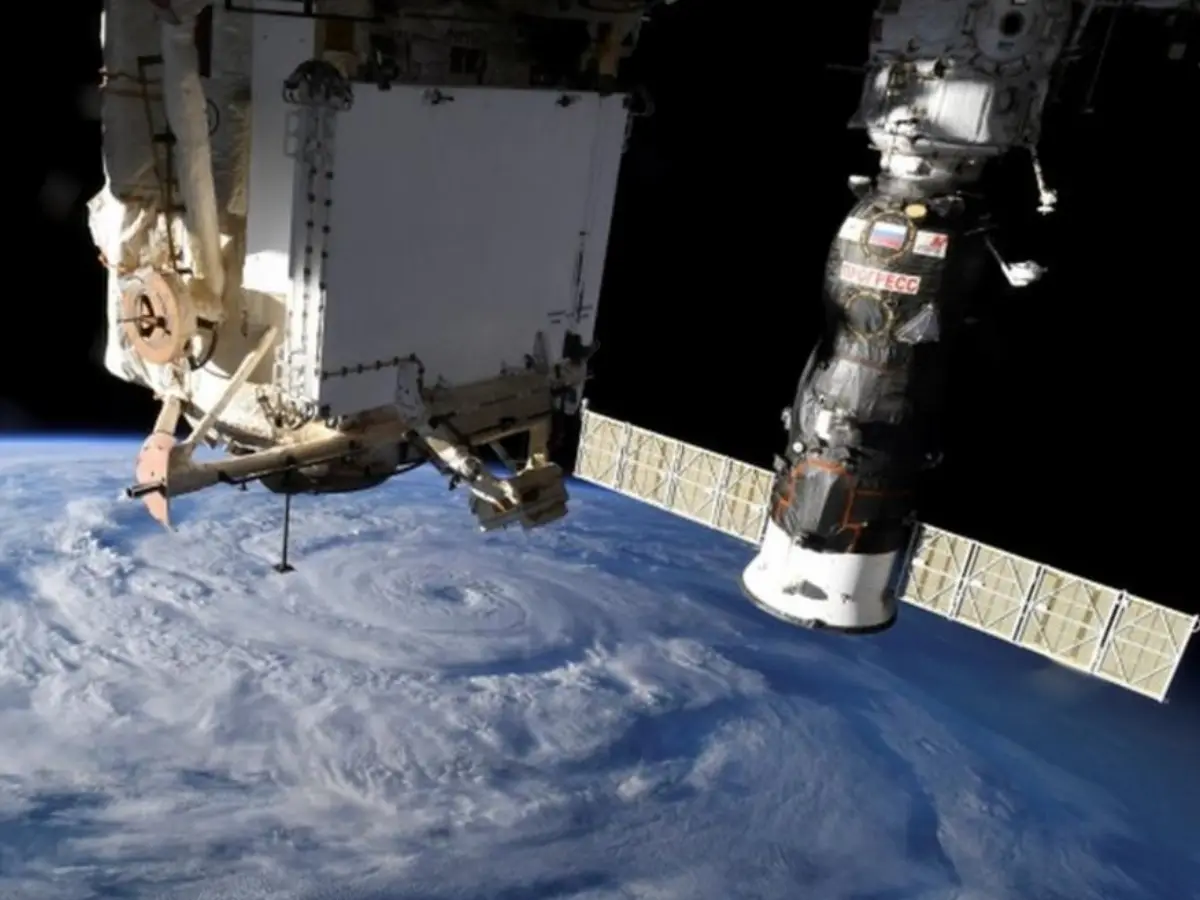
What are the apps to track the visibility of ISS?
Use these tools:
-NASA Spot the Station app (alerts & tracking)
-ISS Detector (shows direction & duration via AR

Why is it special for Indians?
Indians will feel a sense of pride in viewing the ISS as Indian astronaut Shubhanshu Shukla is onboard. On June 28, Prime Minister Narendra Modi held a conversation with Group Captain Shukla and expressed the collective pride of Indians, stating, “today you are farthest from your motherland but you are closest to the hearts of Indians.”
WHEN to WATCH the ISS in India?
Key Dates & Times (IST):
- July 8: 04:59–05:05 AM, 07:59–08:06 PM, 09:38–09:41 PM
- July 9: 04:10–04:16 AM, 08:48–08:53 PM
- July 10: 03:22–03:27 AM, 04:58–05:04 AM, 07:59–08:05 PM
- July 11: 02:34–02:36 AM, 04:09–04:15 AM
- July 12: 07:59–08:03 PM

Best viewing TIPS!
ISS is visible from Earth because it reflects sunlight, much like the Moon. However, unlike the Moon, it's not bright enough to be seen during the day. The best viewing opportunities occur within a few hours before or after sunrise or sunset.
)
)
)
)
)