International Anti-Corruption Day 2025: Top 10 least corrupt countries in the world

Transparency International’s Corruption Perceptions Index (CPI) ranks 180 countries by perceived public-sector corruption, using data from global institutions like the World Bank, World Economic Forum, and private risk consultancies. Here's the list of the top 10 nations.

10. Australia — (Corruption Perception Index: 77)
Australia remains among the least corrupt nations, supported by a strong democratic tradition, an independent judiciary, and transparent oversight. The 2023 establishment of the National Anti-Corruption Commission strengthened investigations into public-sector misconduct. Free press, active civil society, and whistleblower protections enhance accountability. Despite concerns over lobbying, reforms keep Australia firmly in the global top ten.
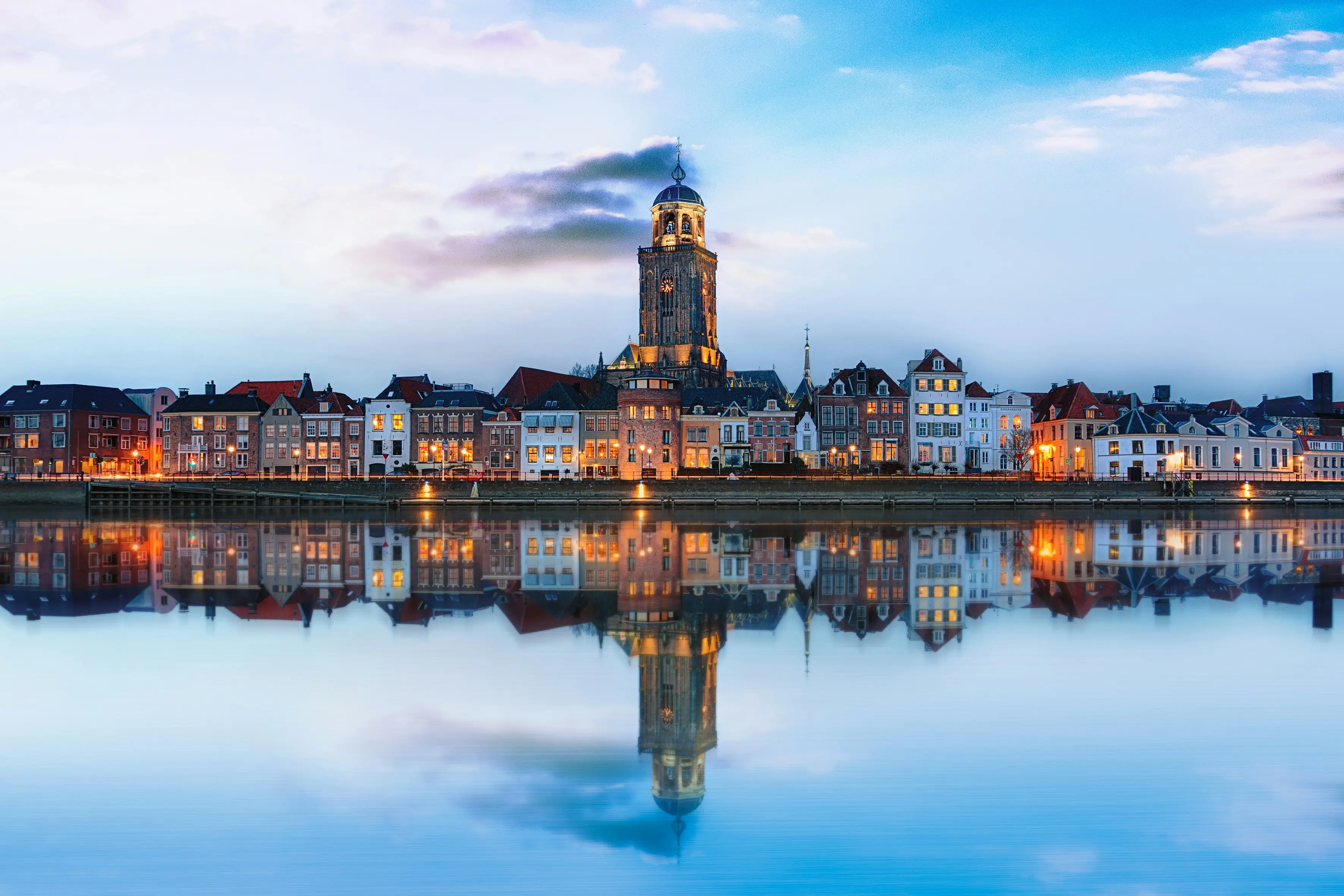
9. The Netherlands — (Corruption Perception Index: 78)
The Netherlands ranks ninth with a highly transparent public sector, efficient regulation, and low tolerance for misconduct. Strict anti-corruption laws, an independent judiciary, and active oversight agencies ensure accountability. Free media and strong civil society reinforce integrity, while open procurement processes reduce risks of favouritism or fraud, supporting its status as a reliable democracy.
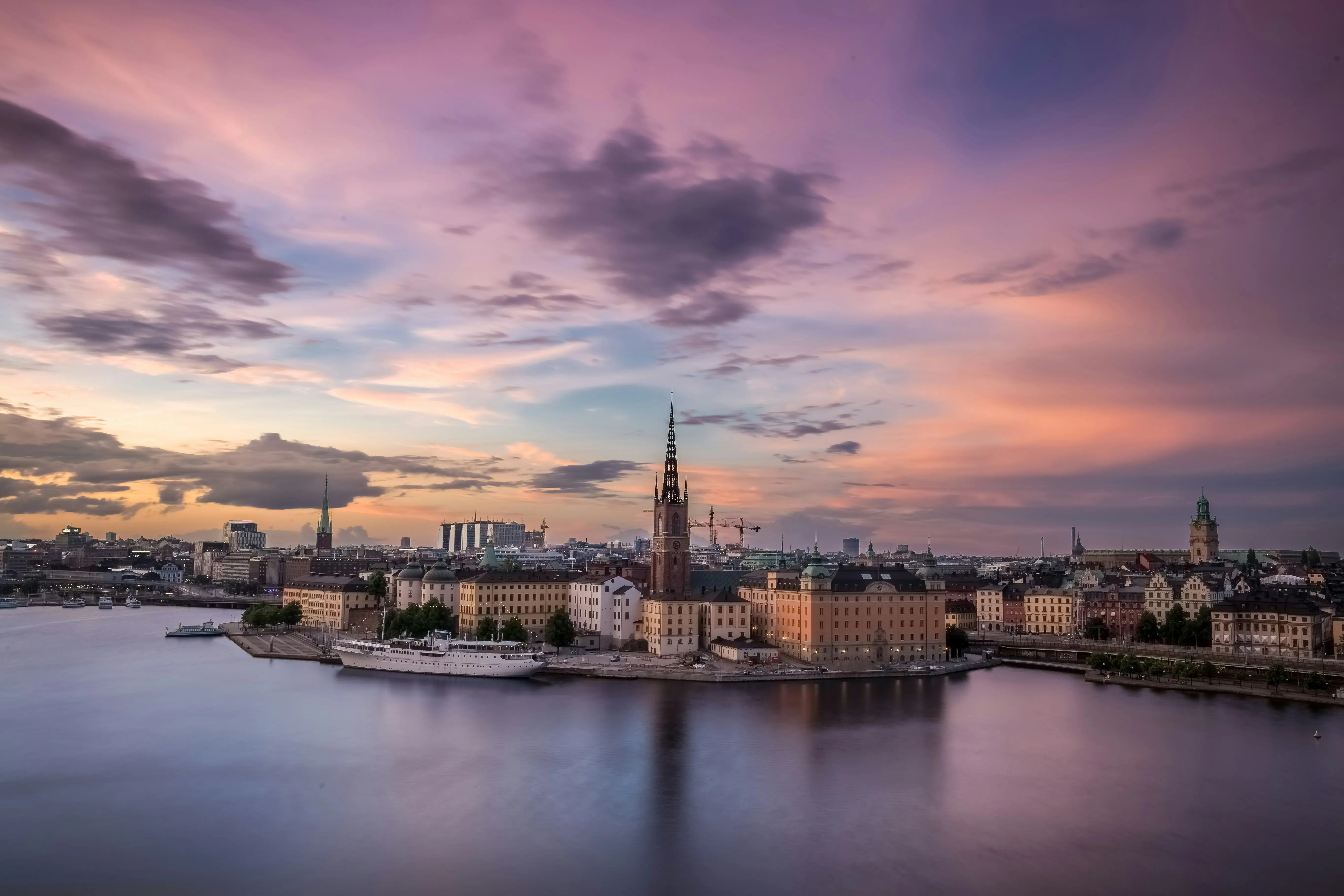
8. Sweden — (Corruption Perception Index: 80)
With a strong reputation for ethical governance, transparent institutions, and civic responsibility, Sweden ranks 8th globally. Its anti-corruption framework is supported by oversight agencies, press freedom, and open access to government data. Although corporate scandals emerge occasionally, the public sector remains notably clean. Sweden’s culture of accountability and public participation keeps it near the top of global rankings.

7. Switzerland — (Corruption Perception Index: 81)
Switzerland’s clean public sector is supported by strict anti-bribery laws, institutional independence, and a transparent political system. Both offering and accepting bribes are criminalised, and officials follow firm ethical standards. Despite occasional scrutiny due to international bodies based there, Switzerland’s decentralised governance and active civil society keep domestic corruption remarkably low.

6. Norway — (Corruption Perception Index: 81)
Norway, tied with Luxembourg, upholds high transparency and ethical governance through strong anti-corruption mechanisms, an independent judiciary, and accountable public administration. Free press and active civil society enhance oversight, while strict procurement and spending transparency limit opportunities for misconduct. Norway’s culture of openness keeps its CPI ranking consistently among the global best.

5. Luxembourg — (Corruption Perception Index: 81)
Luxembourg shares fifth place with a clean, efficient public sector and strong judiciary. Strict codes of conduct, independent oversight bodies, and open-government practices bolster public confidence. Despite its small size, the country’s high living standards and well-regulated institutions keep it firmly positioned among the world’s most transparent and least corrupt democracies.

4. New Zealand — (Corruption Perception Index: 83)
Once the decade-long holder of the top spot, New Zealand now ranks fourth but remains among the world’s most transparent nations. Its independent courts, anti-money-laundering laws, and open public records ensure low public-sector corruption. While concerns over lobbying have slightly affected rankings, strong legal systems and civic engagement maintain New Zealand’s reputation for integrity.
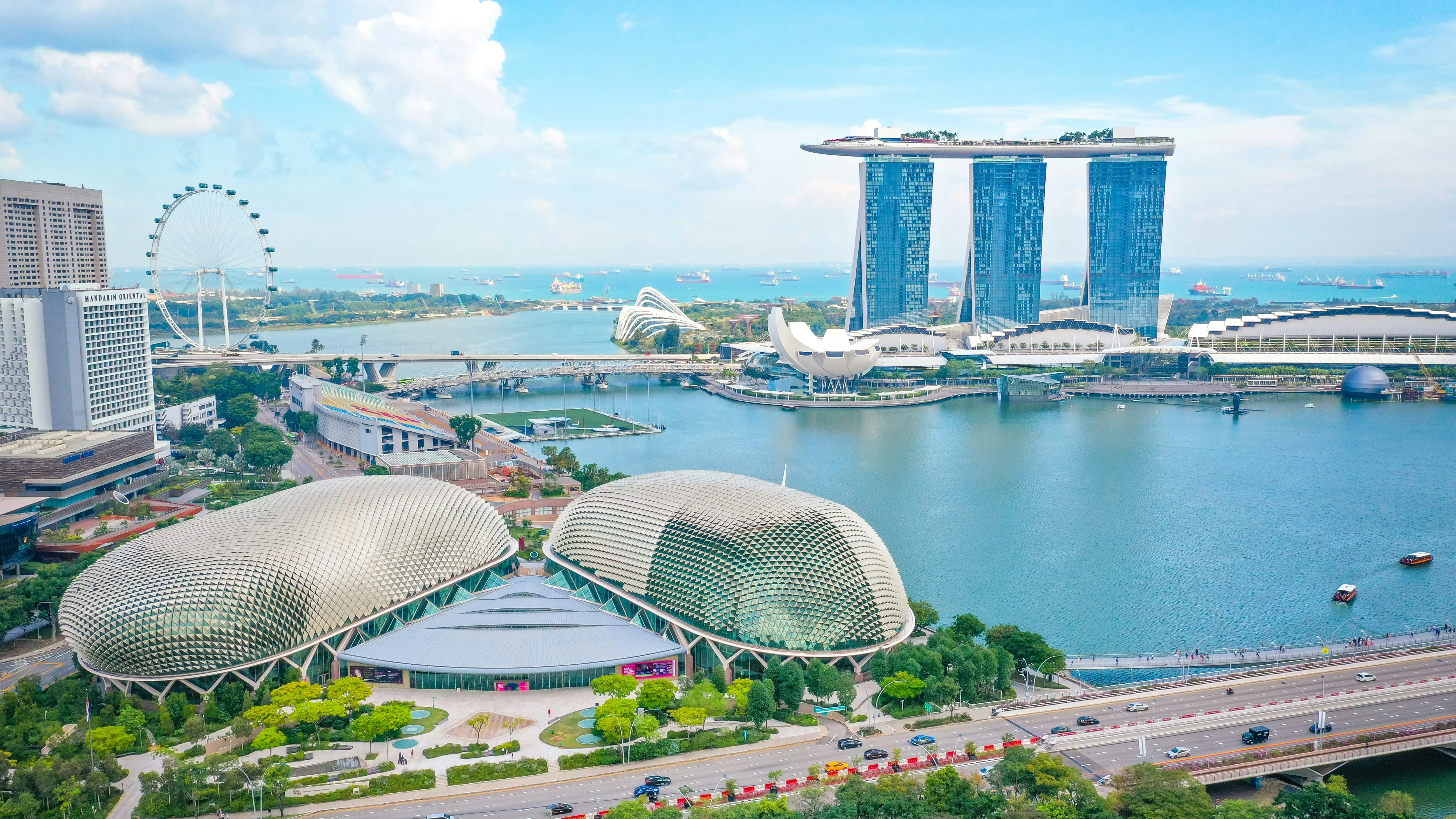
3. Singapore — (Corruption Perception Index: 84)
Singapore is Asia’s least corrupt country, built on strict anti-bribery laws and the work of the Corrupt Practices Investigation Bureau. Merit-based public service, tight oversight of officials, and transparent contracting keep corruption extremely low. Despite its small size, Singapore’s strong institutions and zero-tolerance approach make it a regional and global benchmark for clean governance.
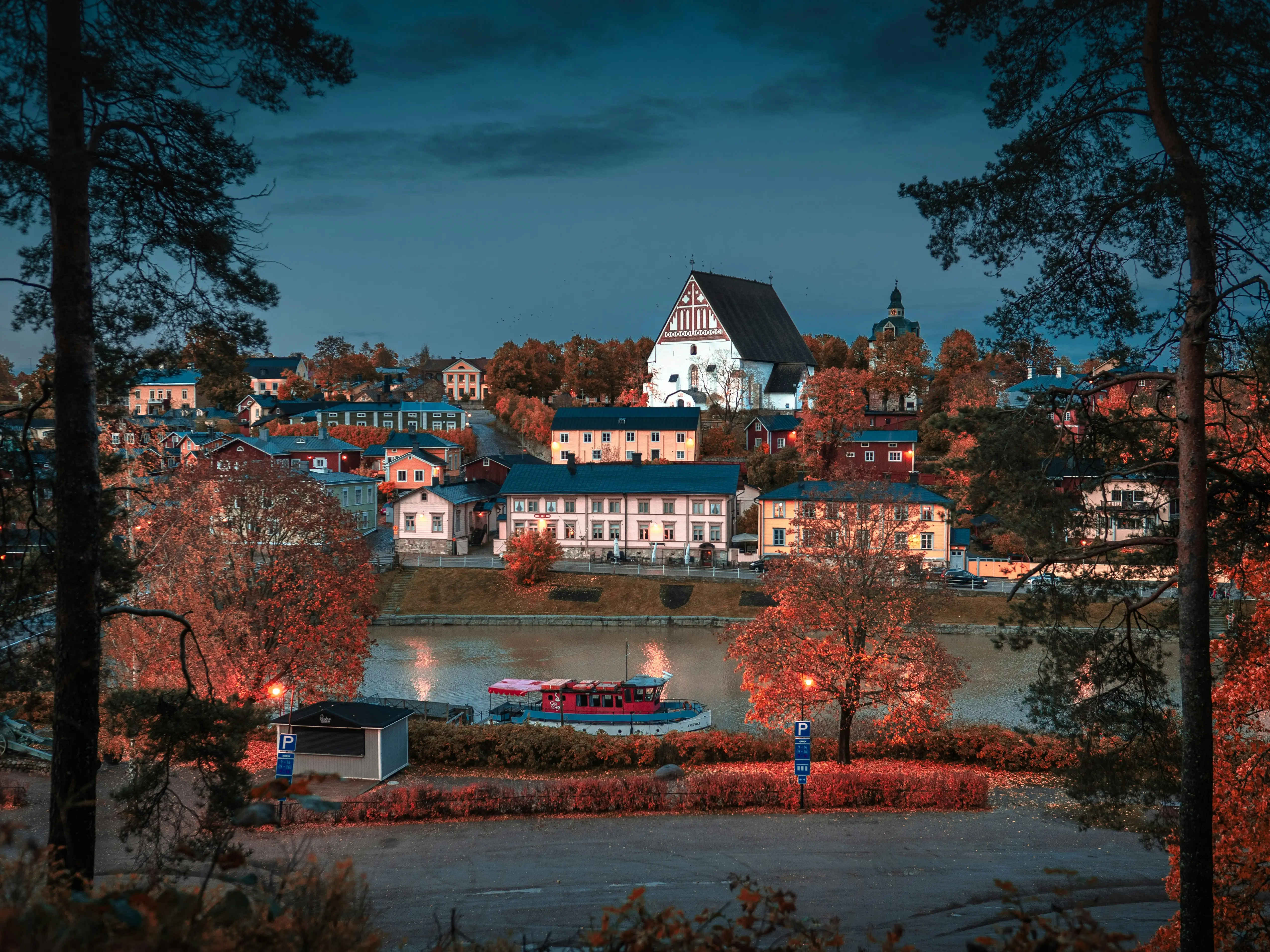
2. Finland — (Corruption Perception Index: 88)
Finland ranks second with robust institutional oversight, an independent judiciary, and high public trust. Anti-corruption laws are enforced consistently, ensuring accountability across government and business. While no country is fully immune to misconduct, Finland’s transparent systems, fair governance, and long-standing ethical framework solidify its reputation as a global model for clean public administration.
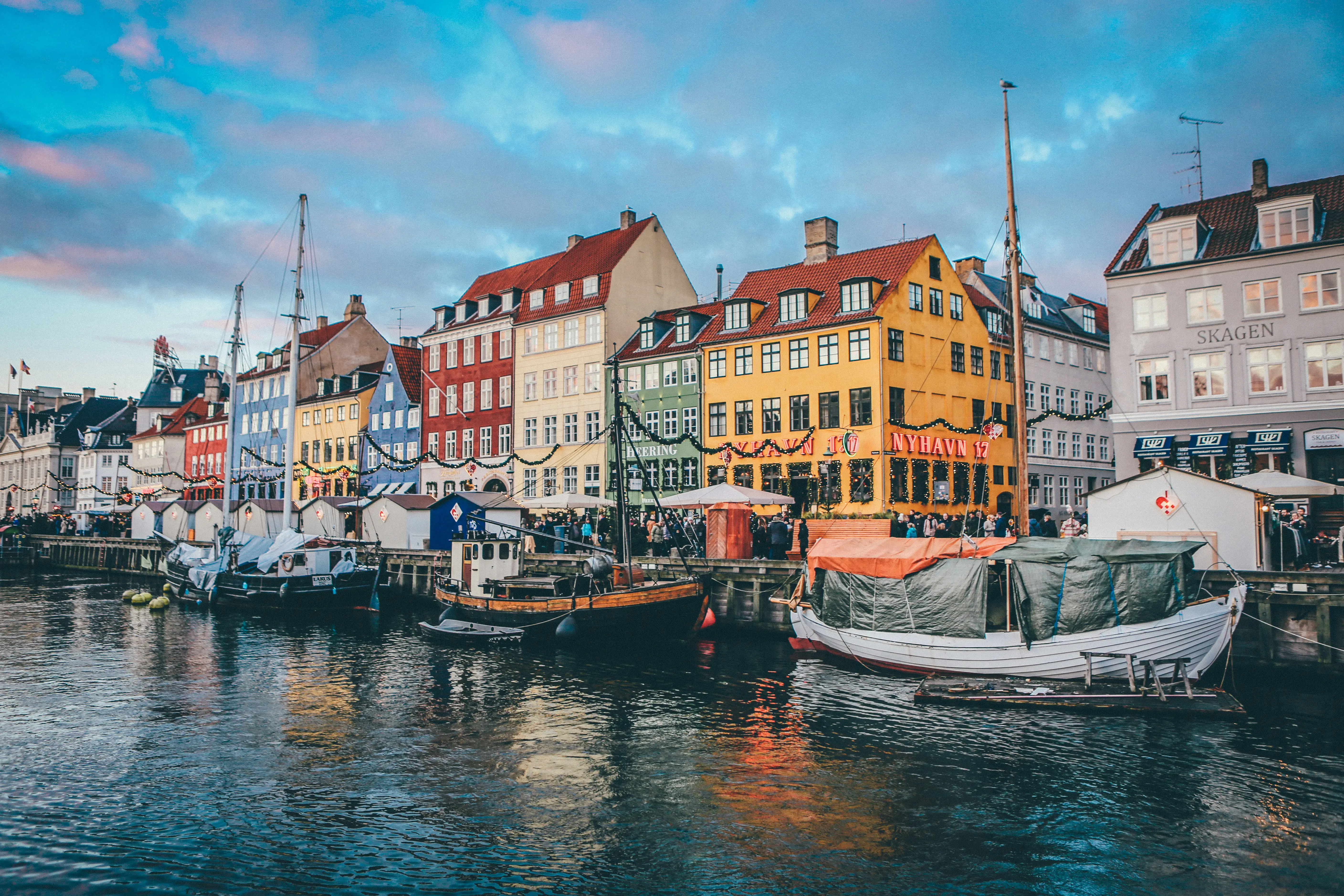
1. Denmark — (Corruption Perception Index: 90)
Denmark tops the global Corruption Perception Index (CPI) as the least corrupt nation in the world, driven by transparent governance, strict anti-corruption laws, and a culture of civic trust. Its zero-tolerance stance on bribery, strict rule of law, and high living standards ensure clean public administration. Despite occasional scandals, Denmark consistently reaffirms its leadership in global integrity, according to a report in Global Citizen Solutions.
)
)
)
)
)