Inside Iran’s drone arsenal: 5 UAVs transforming Tehran’s military power

Iran operates at least ten variants of loitering or 'suicide' drones designed to detonate on impact. These systems can achieve levels of accuracy comparable to ballistic missiles while flying at lower altitudes to evade radar detection.
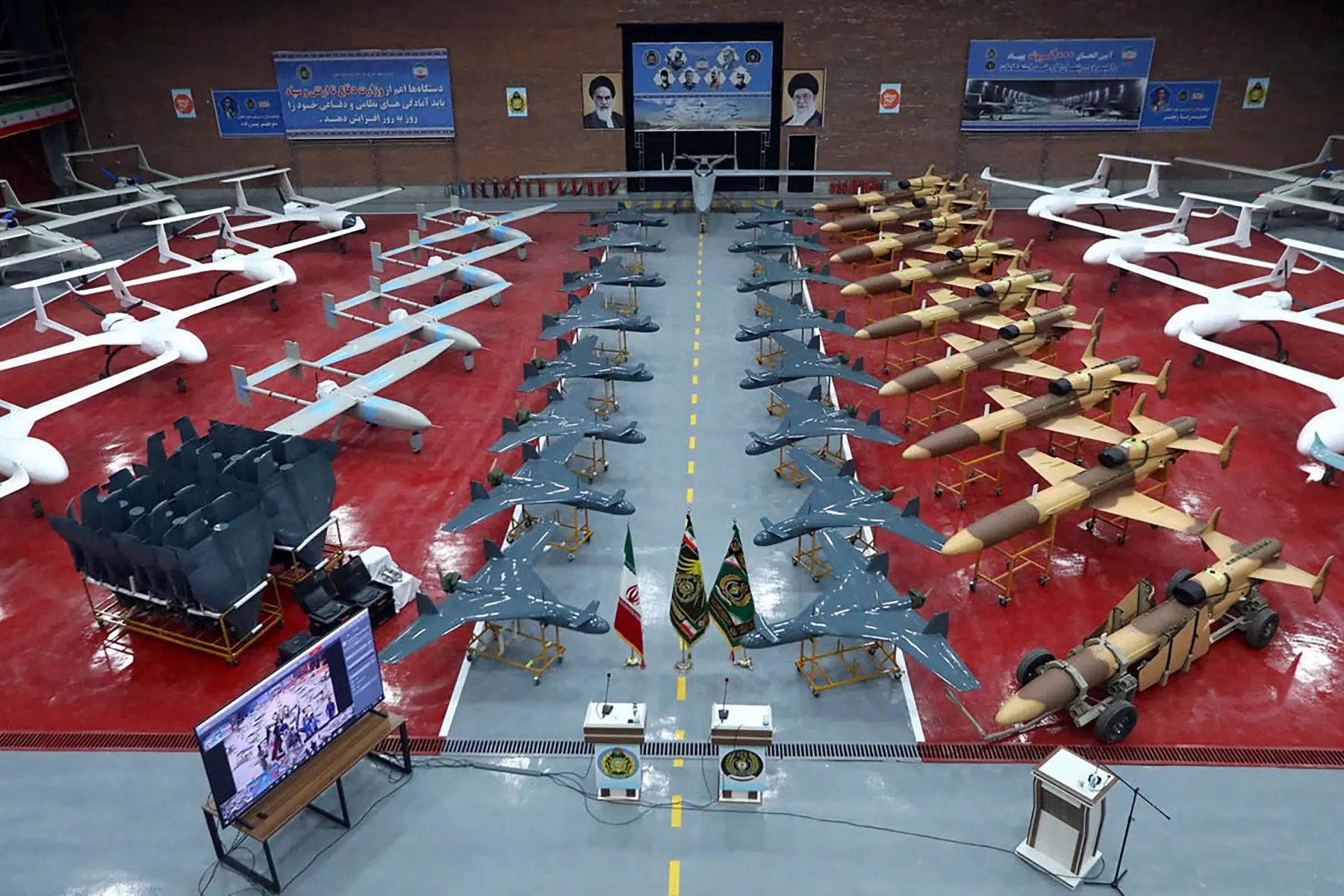
Unmanned capabilities at the heart of Iran’s defence
In recent years, Iran has dramatically expanded its military drone programme, integrating unmanned aerial vehicles (UAVs) into its strategic doctrine. As tensions with the United States and Israel persist, Tehran has prioritised drones for surveillance, long-range strike and deterrence missions.
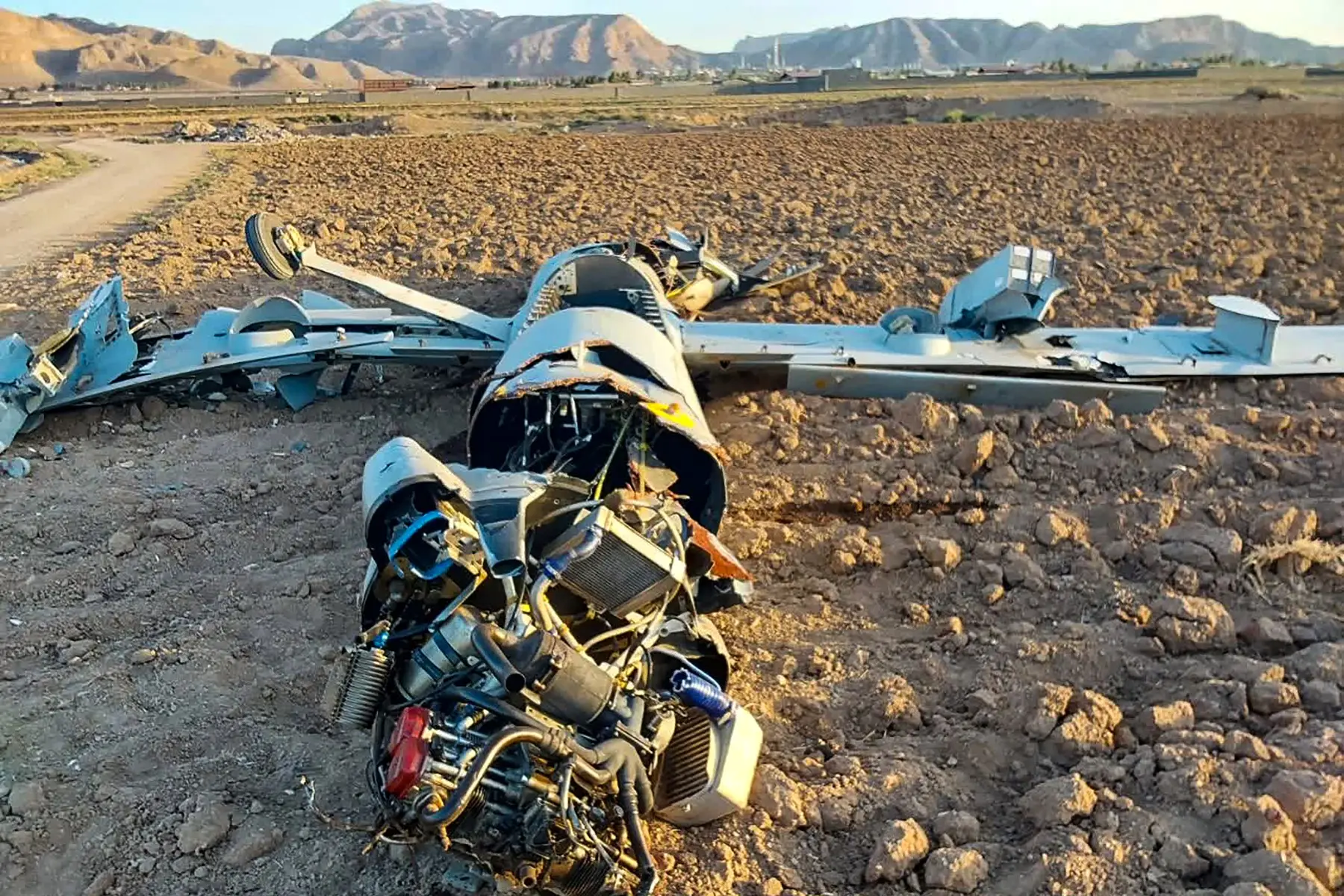
Suicide drones
Iran operates at least ten variants of loitering or 'suicide' drones designed to detonate on impact. These systems can achieve levels of accuracy comparable to ballistic missiles while flying at lower altitudes to evade radar detection. According to the United States Institute of Peace, smaller models such as the Shahed‑136 carry under 45 kilograms (100 pounds) of explosives, while one of the lightest platforms, the Meraj‑521, carries just 3 kilograms (6.6 pounds), highlighting the breadth and adaptability of Iran’s drone arsenal.
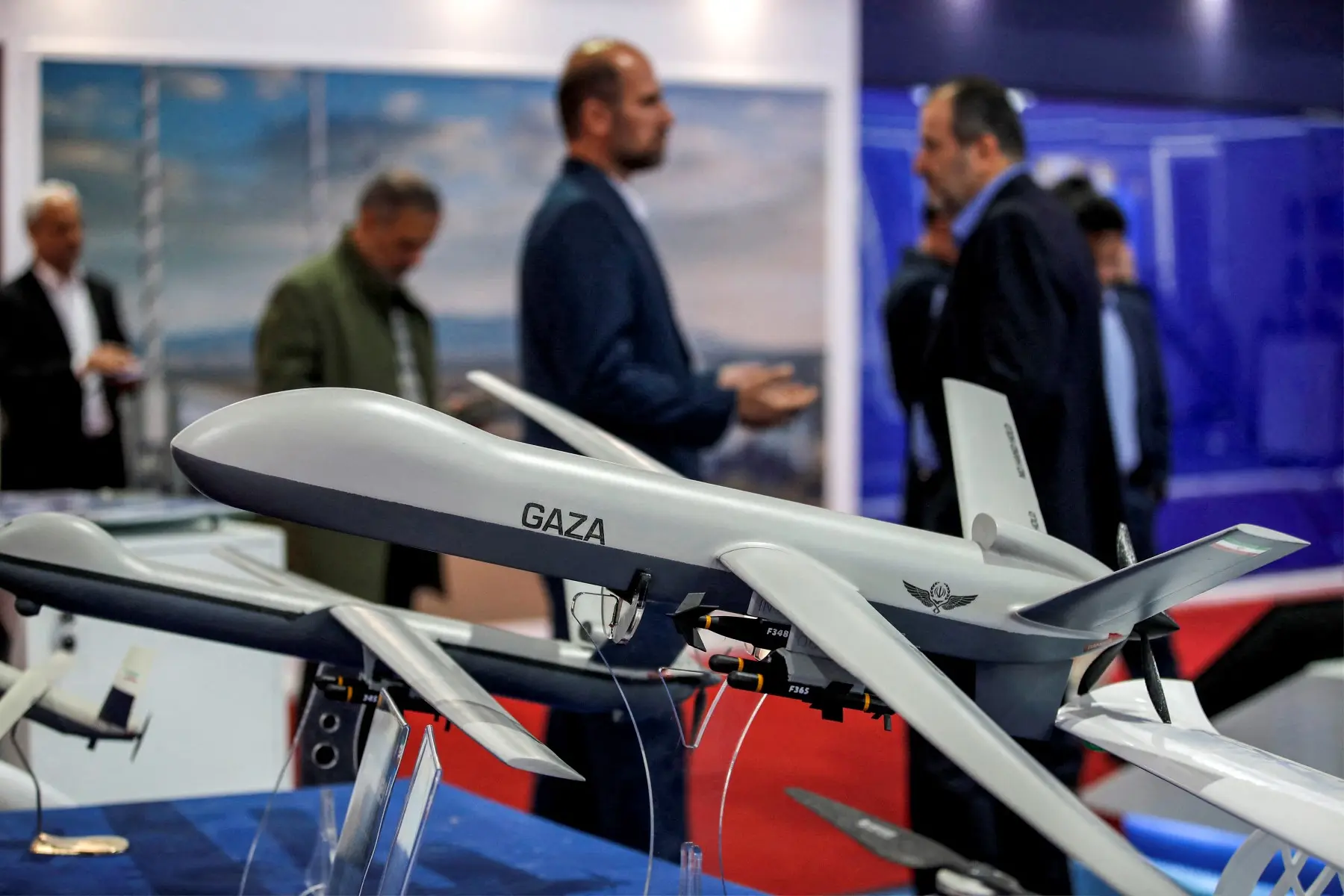
Shahed 149 Gaza
The Shahed 149 Gaza marks a major leap in Iranian drone technology and is widely regarded as Iran’s largest and most advanced unmanned combat aerial vehicle (UCAV). Operated by both the Iranian Air Force and the Islamic Revolutionary Guard Corps (IRGC), the high-altitude drone reportedly weighs over 3,000 kg. According to IRGC Aerospace Force statements in 2025, the Shahed 149 can cruise continuously for up to 35 hours, reach speeds of 350 km/h, and has an operational range of around 1,000 km.
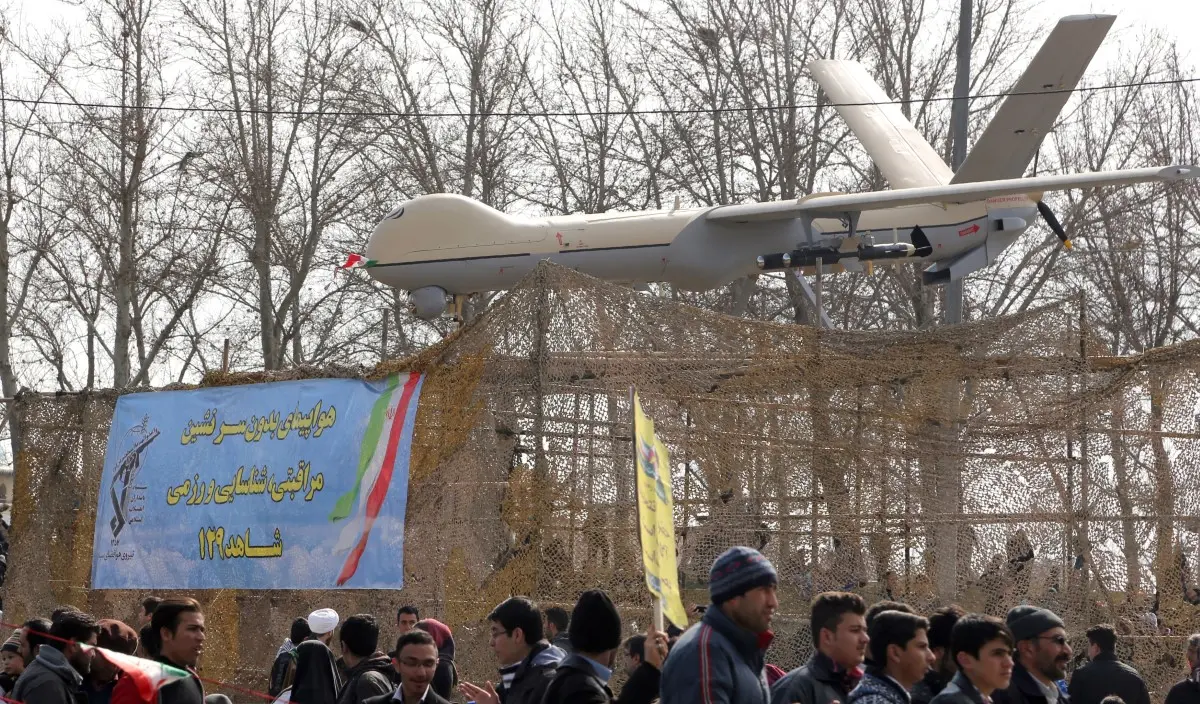
Shahed 129
Among Iran’s most capable systems is the Shahed 129 which is designed for both surveillance and strike roles. It can remain airborne for up to 24 hours and has been compared in size and function to the US MQ-1 Predator. Its operational flexibility and endurance make it a backbone of Iran’s UAV fleet. According to global security.org, the Shahed-129 (Witness) drone is a combat UAV capable of carrying eight bombs or domestically-manufactured Sadid missiles at the same time. It has an effective operational radius of 1,700 km in terms of precision targeting and a flight ceiling of 24,000 feet.
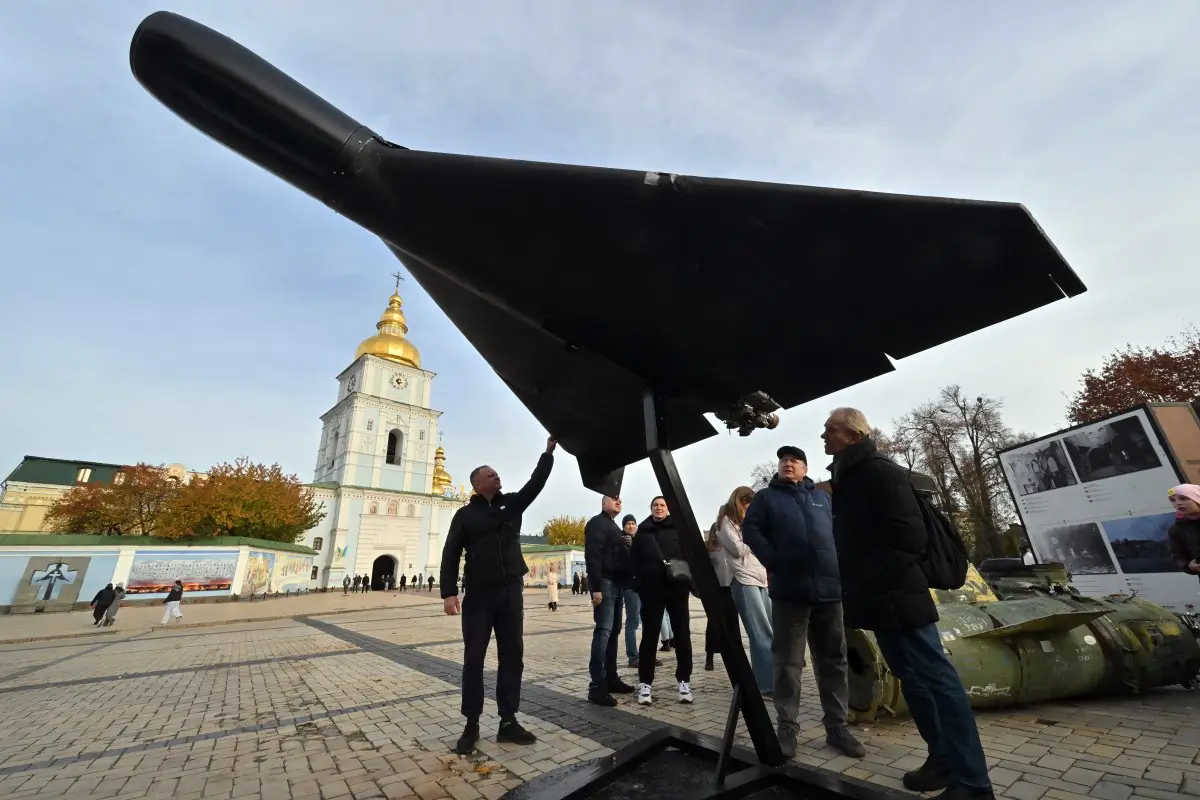
Shahed-136 (Geran-2)
Unveiled in 2021, the drone is operated by Iran’s Islamic Revolutionary Guard Corps (IRGC) and is designed as a loitering, suicide‑style or kamikaze UAV. Estimates of its flight range vary from 1,300 kilometres (800 miles) to as much as 2,500 kilometres (1,550 miles). It can be fitted with a 40‑kilogram (88‑pound) warhead and has a flight endurance of up to 40 minutes. Iran exported thousands of these drones to Russia between 2022 and early 2024. Known variants include the smaller Shahed‑131 and the jet‑powered Shahed‑238, reflecting ongoing adaptation of the platform.
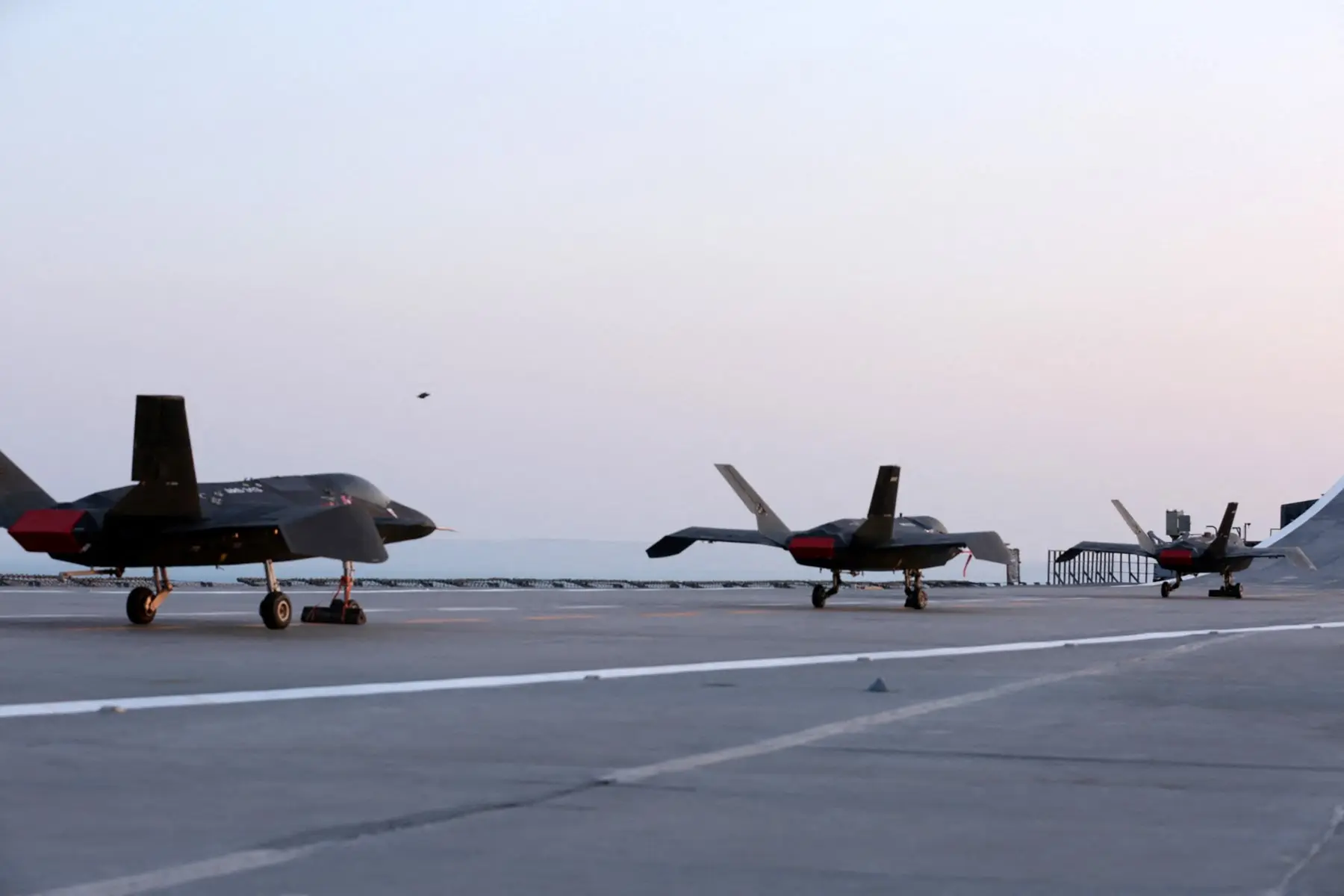
Qods Mohajer 10
The Qods Mohajer 10 is one of Iran’s most versatile long-range UAVs, with an operational radius of roughly 2,000 km, 24-hour endurance and the ability to carry up to 300 kg of mixed munitions and electronic equipment. Unveiled in 2023, it showcases Iran’s progress in large-scale drone design and mission flexibility. The drone has a visual resemblance to US military's MQ-9 Reaper and can fly at an altitude of 7,000 meters.
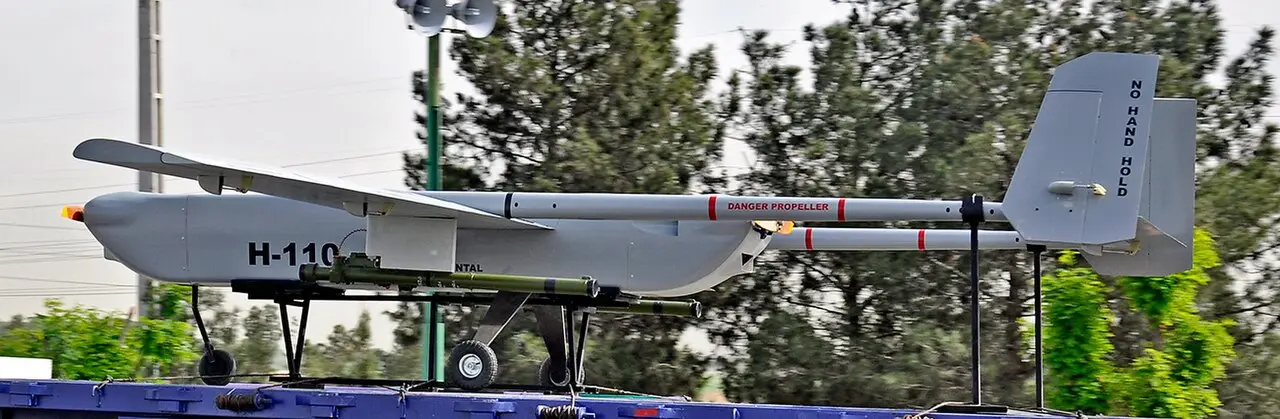
Hadid-110
The Hadid 110, also known as the Dalahu is also designed for suicide missions. Unveiled at a 2025 Defence Ministry exhibition attended by the Revolutionary Guards, it is intended for tactical strikes against adversaries. The drone is rocket‑assisted at launch and powered by a mini jet engine, while its delta‑wing, sharp-edged design reduces its radar signature. It can reach a cruise speed of 510 km/h, a range of 350 km, and a flight ceiling of 30,000 feet. The Hadid 110 carries a 30‑kilogram warhead and has a flight endurance of up to 1 hour. Manufactured by INA in Iran, it is primarily operated domestically.
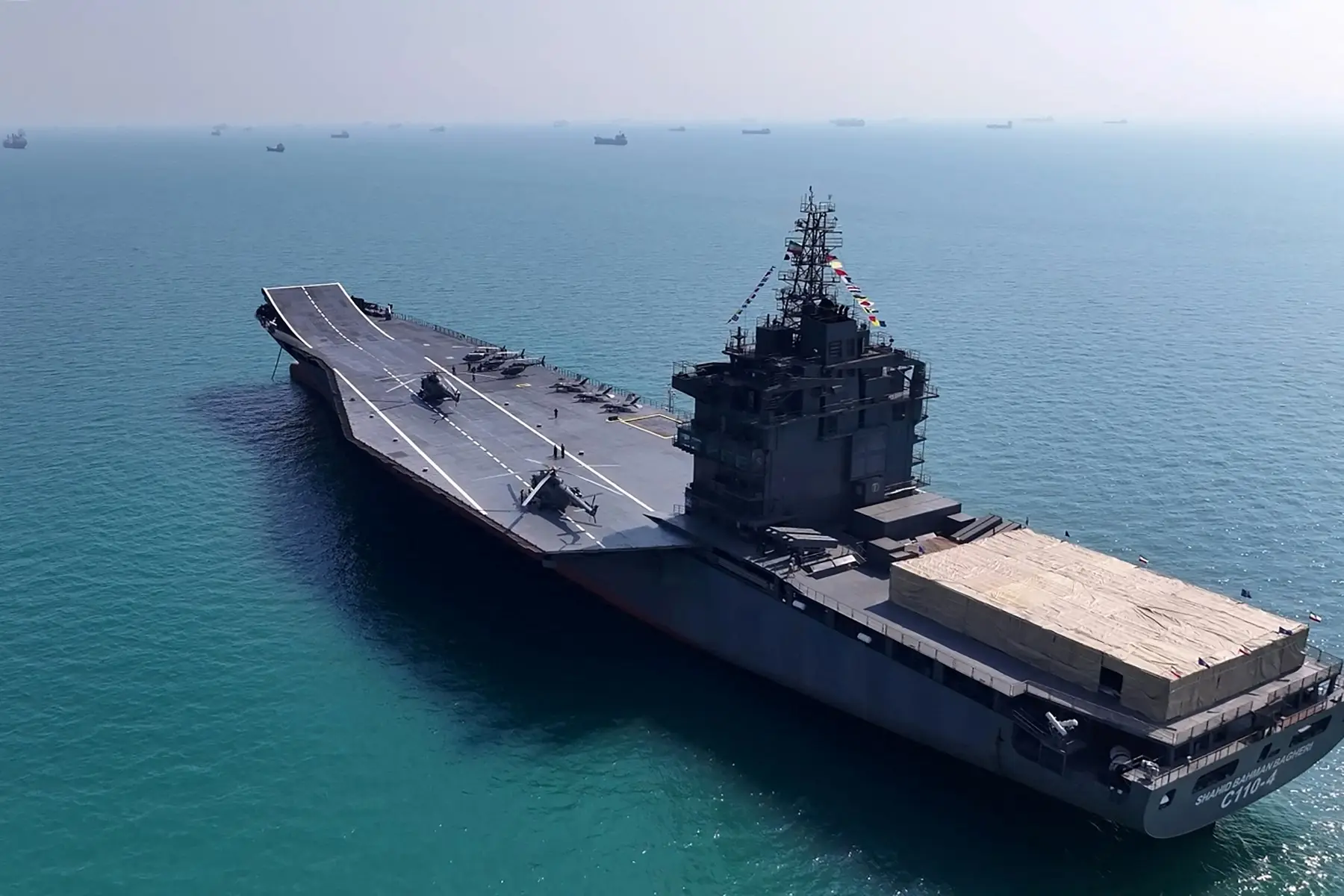
Drones at sea and future directions
Iran’s investment in drones extends beyond aircraft. In 2025, Tehran inaugurated its first drone-carrier warship, Shahid Bahman Baqeri, capable of operating UAVs over long distances at sea. It is operated by the IRGC Navy. With a 180-meter-long runway for drones, the vessel can travel up to 22,000 nautical miles without needing to refuel in ports, according to AP. The report said the ship also has a hospital and facilities such as a gym for its crew.
)
)
)
)
)