INS Arihant: The nuclear submarine so deadly it has never fired a single missile

Despite being among the deadliest weapons ever built for the Indian Navy, the INS Arihant has never fired a single shot.
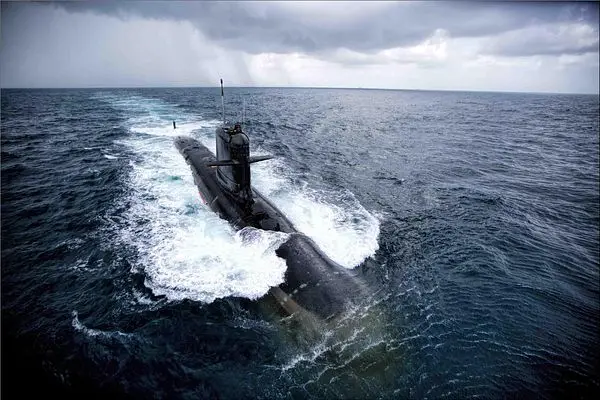
A Silent Sentinel Beneath the Waves
Far from the surface glare of destroyers and aircraft carriers, India’s most powerful naval asset glides silently through the depths: the Arihant-class nuclear-powered ballistic missile submarines (SSBNs). Often overshadowed by more visible warships, these giants are built not to fight frequent battles, but to deter wars altogether. Remarkably, despite being among the deadliest weapons ever built for the Indian Navy, they have never fired a single shot in anger.
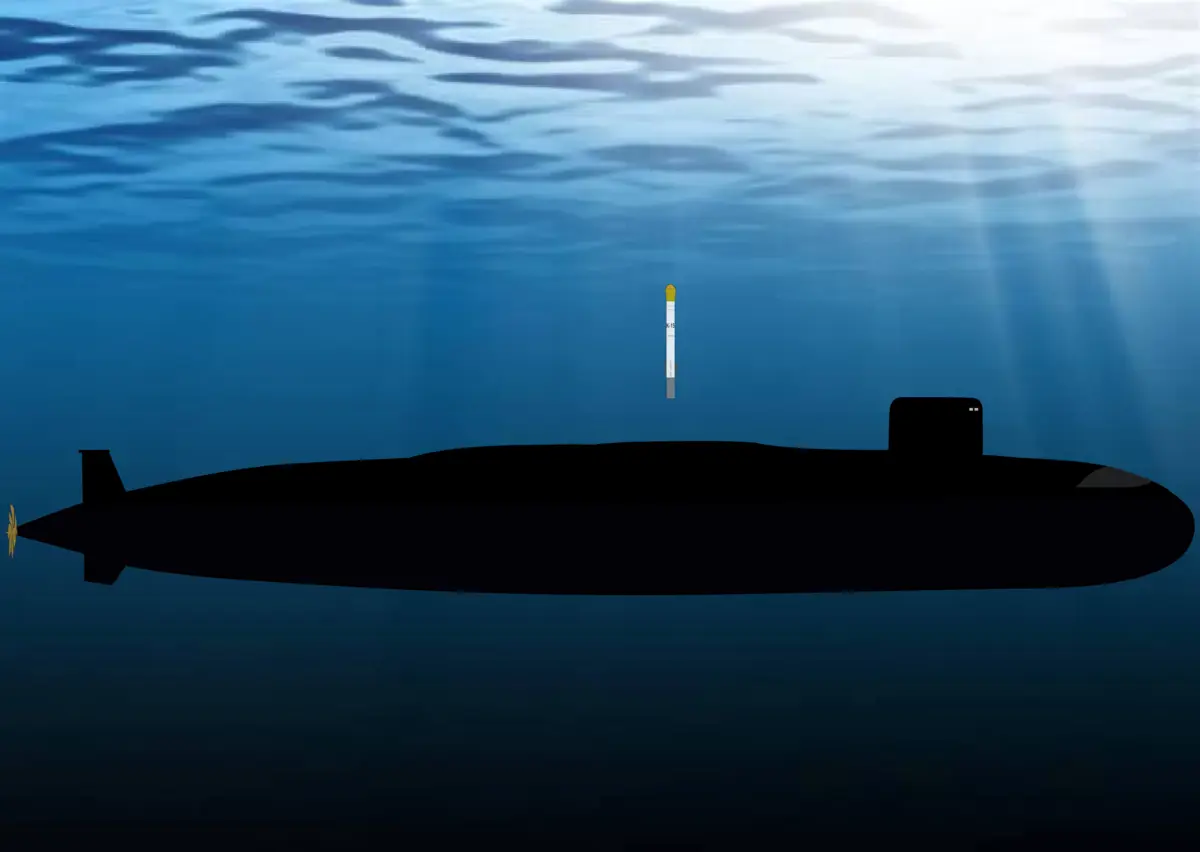
Genesis of a Nuclear Deterrent
The Arihant-class submarines were conceived in the late 20th century as the maritime leg of India’s nuclear triad, a force structure that ensures the country retains the ability to retaliate in the event of a nuclear first strike. The lead vessel, INS Arihant, was launched in 2009 and quietly entered service in 2016, followed by her near-sister ship, INS Arighat, which has been undergoing sea trials since around 2017. Both were built under the highly secretive Advanced Technology Vessel (ATV) project, a testament to decades of indigenous design and engineering.
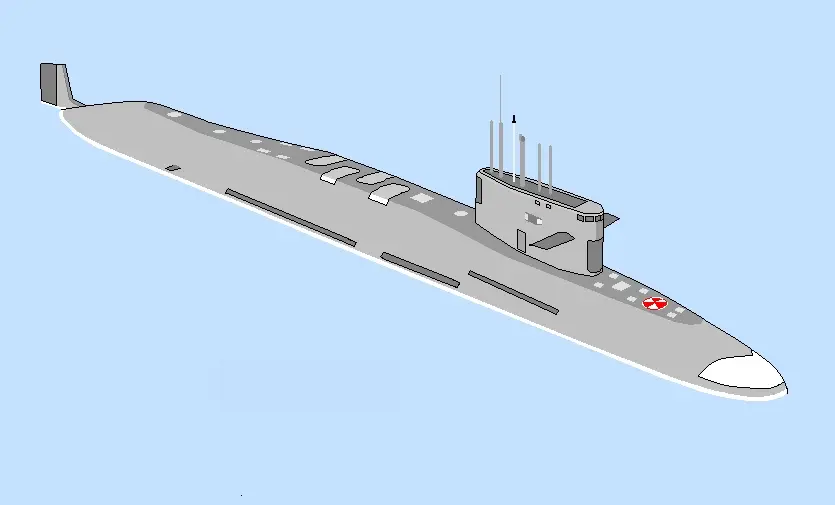
Colossal and Concealed
These submarines displace over 6,000 tonnes submerged and measure roughly 110 metres in length. Their nuclear propulsion systems allow them to remain submerged for weeks, travelling thousands of kilometres undetected, a stark contrast to conventional diesel-electric submarines, which must surface or snorkel periodically. Each carries up to twelve K-15 Sagarika ballistic missiles, with a range of around 750 kilometres, and trials have also included the longer-range K-4 missile, capable of striking targets more than 3,000 kilometres away.
Built to Deter, Not to Fight
Unlike attack submarines that engage enemy ships and submarines, Arihant-class boats serve a unique role: strategic deterrence. They ensure that even if India suffers a devastating nuclear attack on land, the nation retains the capability to retaliate from the sea. This grim guarantee is what makes them so deadly; they threaten not an opposing fleet, but the very survival of an adversary’s homeland.
Combat Record: An Enigma
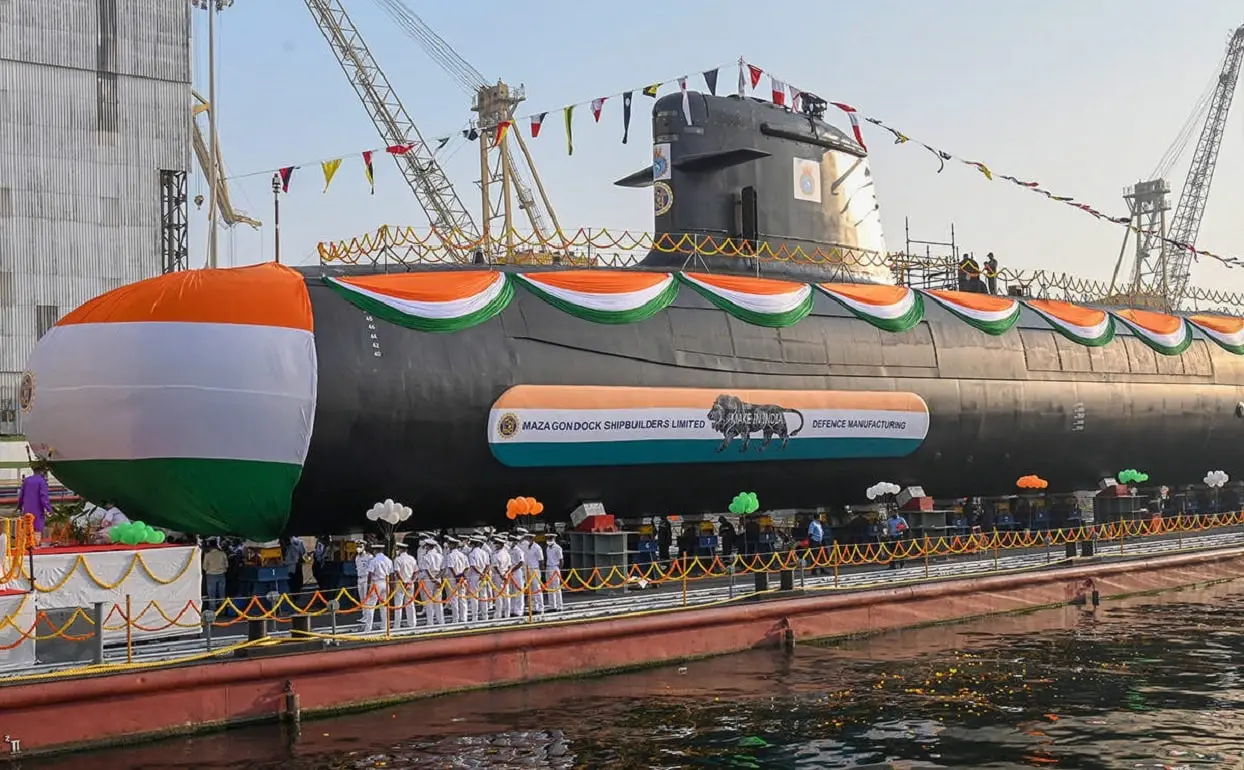
Despite the immense power they wield, these submarines have never been used in combat or even in conventional operations beyond deterrence patrols. Their presence is intentionally cloaked in secrecy; official details of their deployments, patrol routes, and missile tests remain classified. Yet it is precisely this ambiguity that amplifies their deterrent effect, keeping adversaries guessing about when and where they might strike.
India’s Undersea Arsenal: Beyond Arihant
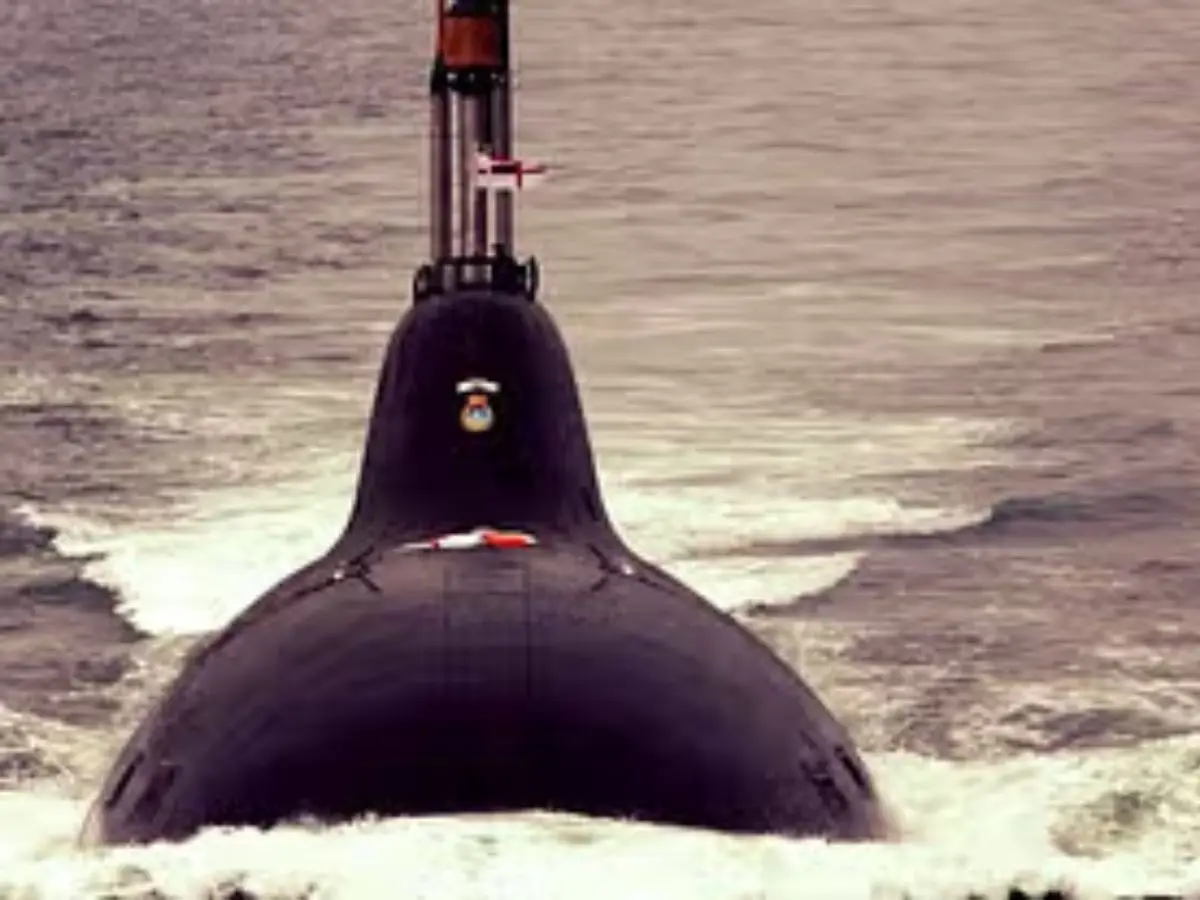
Alongside the Arihant-class, the Indian Navy operates the leased INS Chakra, a Russian-built Akula-II class nuclear attack submarine, and the diesel-electric Scorpène-class (Kalvari class) submarines built in India with French assistance. While these vessels have conducted patrols and exercises, none have seen direct combat either, highlighting the relative restraint with which India employs its submarine fleet.
A Hidden Force That Shapes Strategy
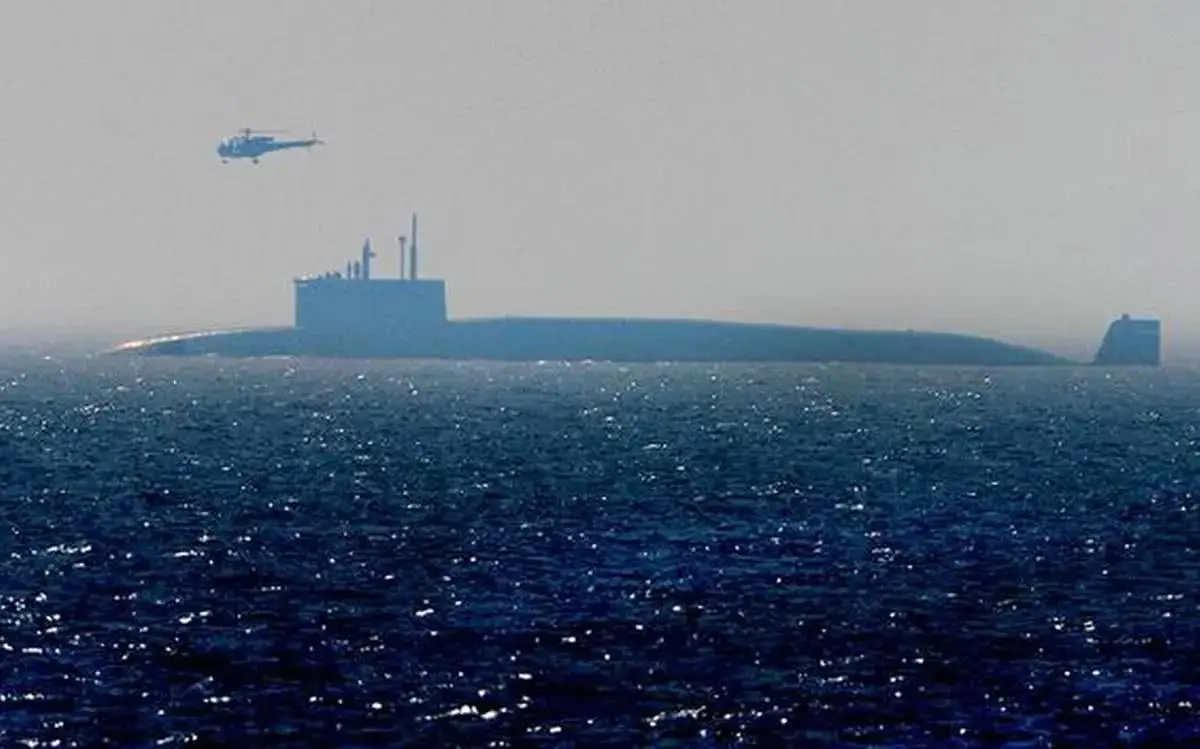
The Arihant-class submarines may never fire a missile in anger, yet they fundamentally alter South Asia’s strategic balance. Massive, silent, and lethal by design, they stand as unseen sentinels beneath the Indian Ocean, a deadly force whose true power lies not in what they have done, but in what they might do if ever truly called upon.
)
)
)
)
)