Indian refiners eye Iranian oil after US waives sanctions: Why the main hurdles remain

Traders said that the move has prompted not only India but also refiners across Asia to reassess access to Iranian barrels at a time of heightened uncertainty in global energy markets.
A sudden opening amid conflict
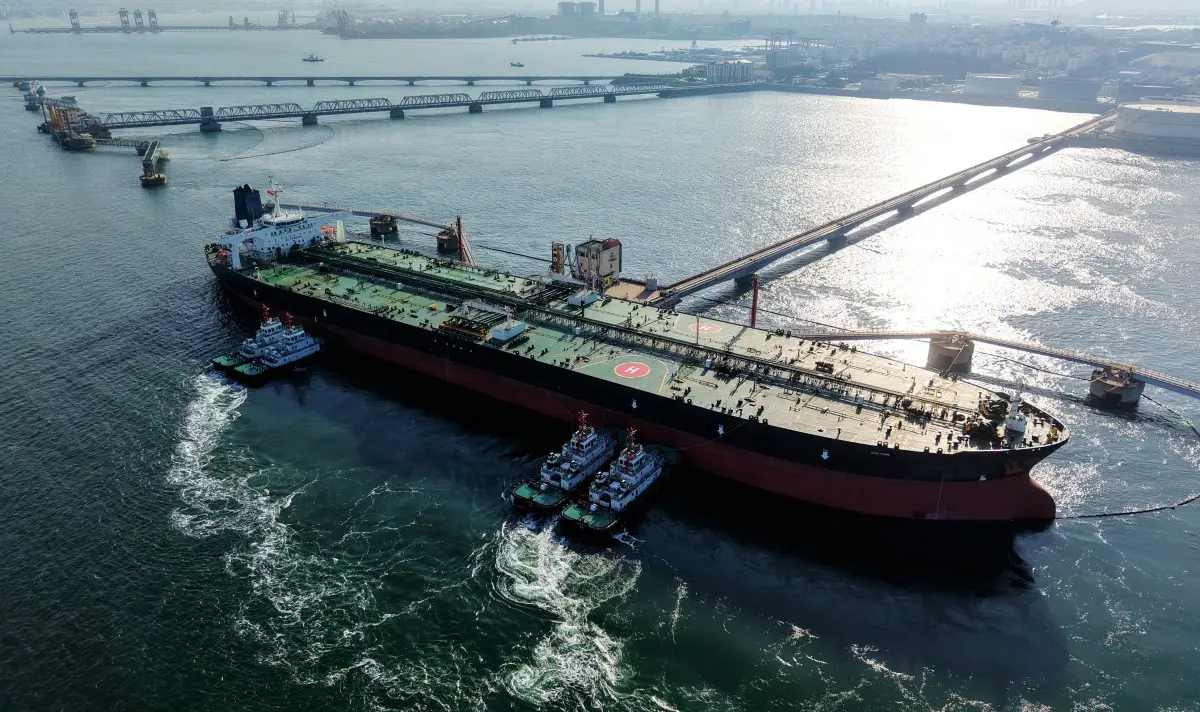
Indian refiners are preparing to resume purchases of Iranian crude after the United States issued a temporary sanctions waiver, offering a narrow window to ease supply disruptions triggered by the ongoing US-Israel conflict with Iran. Traders told Reuters that the move has prompted not only India but also refiners across Asia to reassess access to Iranian barrels at a time of heightened uncertainty in global energy markets.
Refiners await clarity
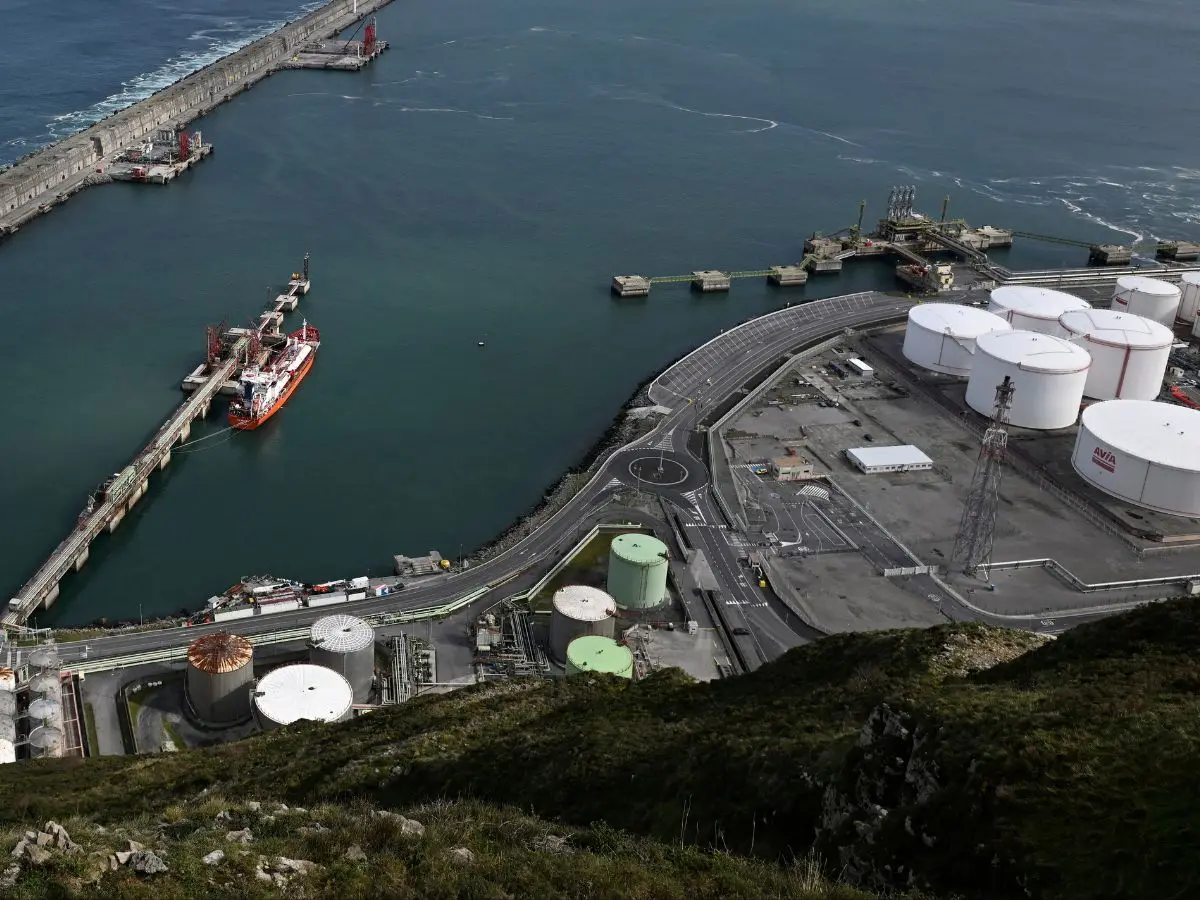
Three Indian refining sources indicated readiness to buy Iranian oil, though actual transactions hinge on formal guidance from New Delhi and operational clarity from Washington, according to Reuters. Key concerns include payment mechanisms and compliance conditions. “It usually takes some time to work through compliance, administration and banking,” a Singapore-based trader noted, adding that market participants would attempt to act quickly within the limited timeframe.
A narrow and conditional waiver
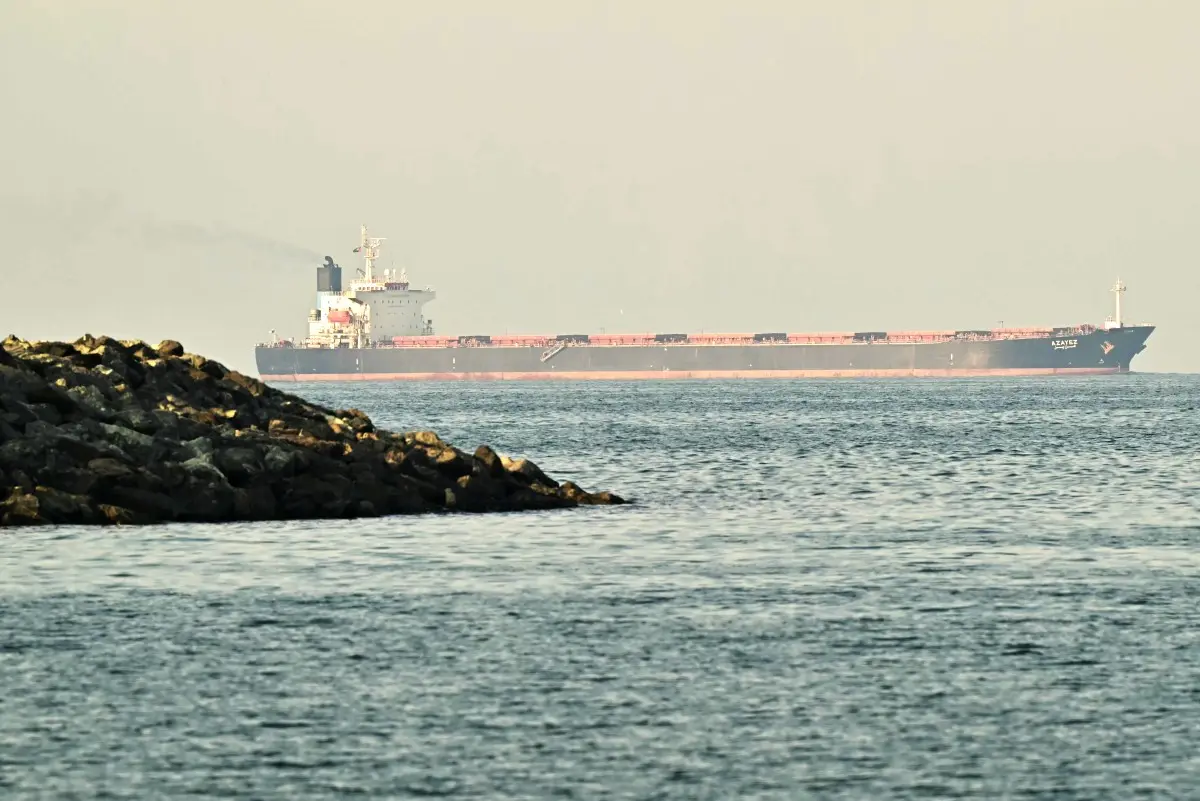
The US Treasury has granted a 30-day waiver covering Iranian oil already in transit. According to the Office of Foreign Assets Control, the exemption applies to cargoes loaded on or before March 20 and discharged by April 19, including those on previously sanctioned vessels. This marks the third such waiver since the conflict began, underlining its temporary and exceptional nature.
Millions of barrels unlocked
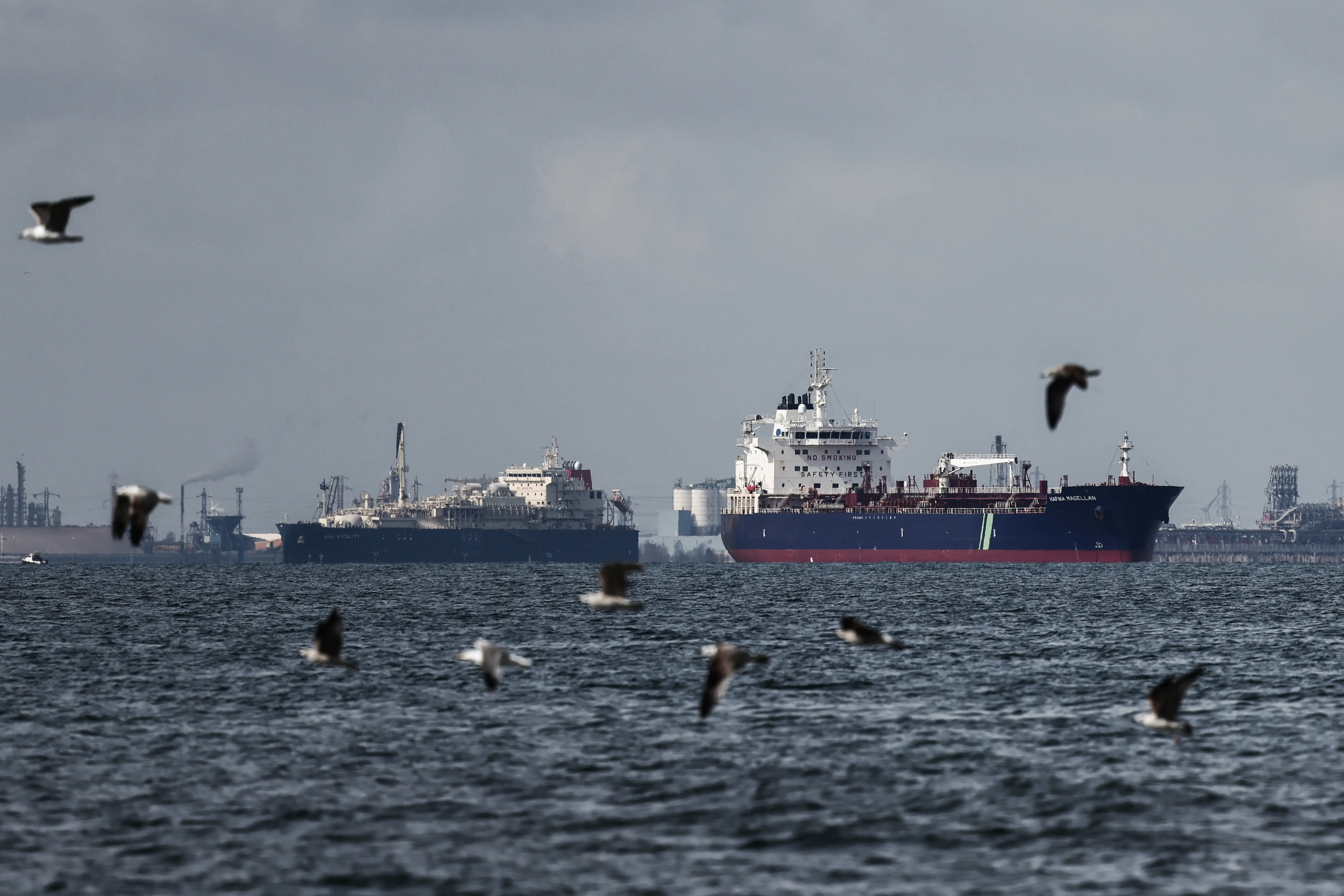
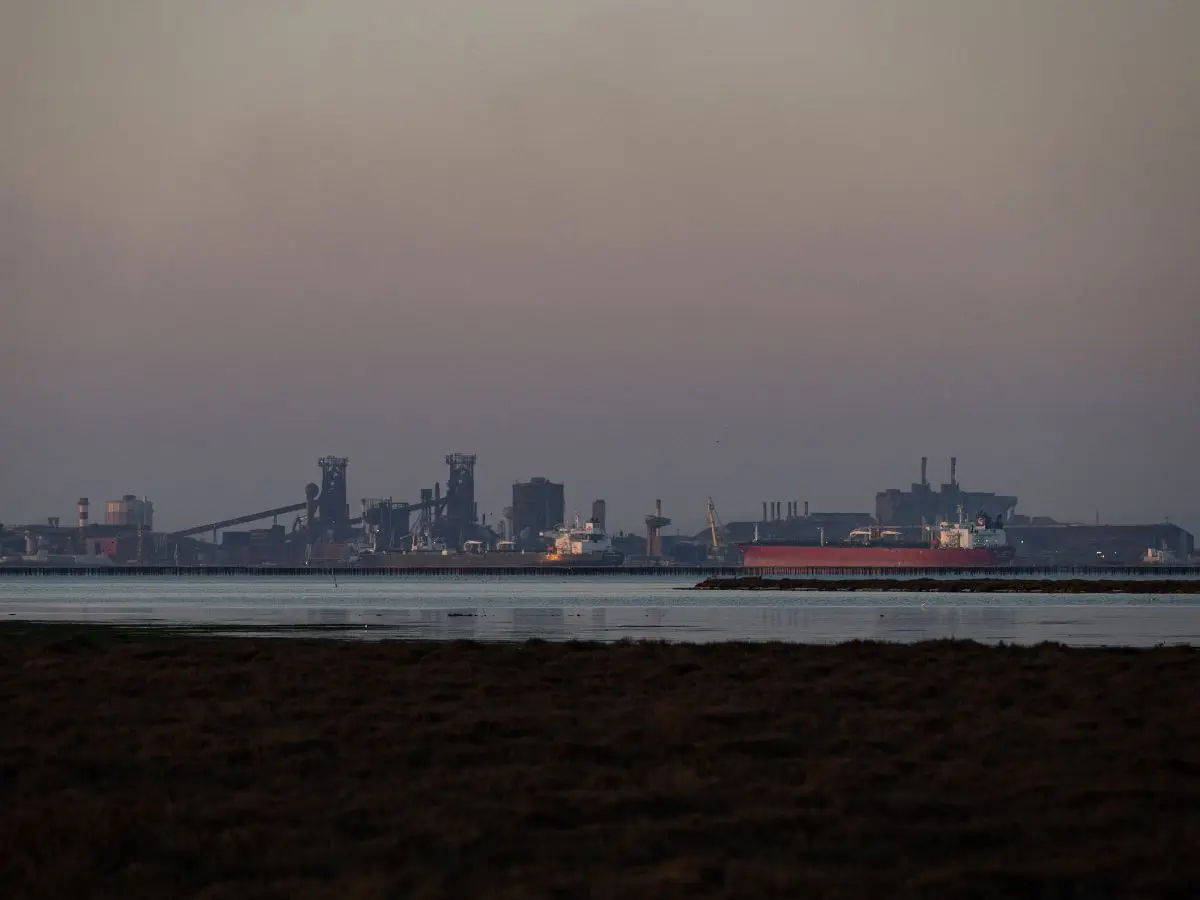
The waiver potentially releases a substantial volume of crude into the market. Data firm Kpler estimates roughly 170 million barrels of Iranian oil are currently at sea, while consultancy Energy Aspects places the figure slightly lower at 130–140 million barrels. These cargoes are dispersed from the Gulf to waters near China, representing a significant, though time-limited, supply buffer.
Asia’s deep dependence exposed
Asia relies on the Middle East for around 60 per cent of its crude imports. Recent disruptions, including the near-closure of the Strait of Hormuz, have forced refiners to reduce operating rates and curb fuel exports. For India, which maintains comparatively smaller crude stockpiles, the urgency to secure alternative supplies has been particularly acute.

The complications behind the opportunity
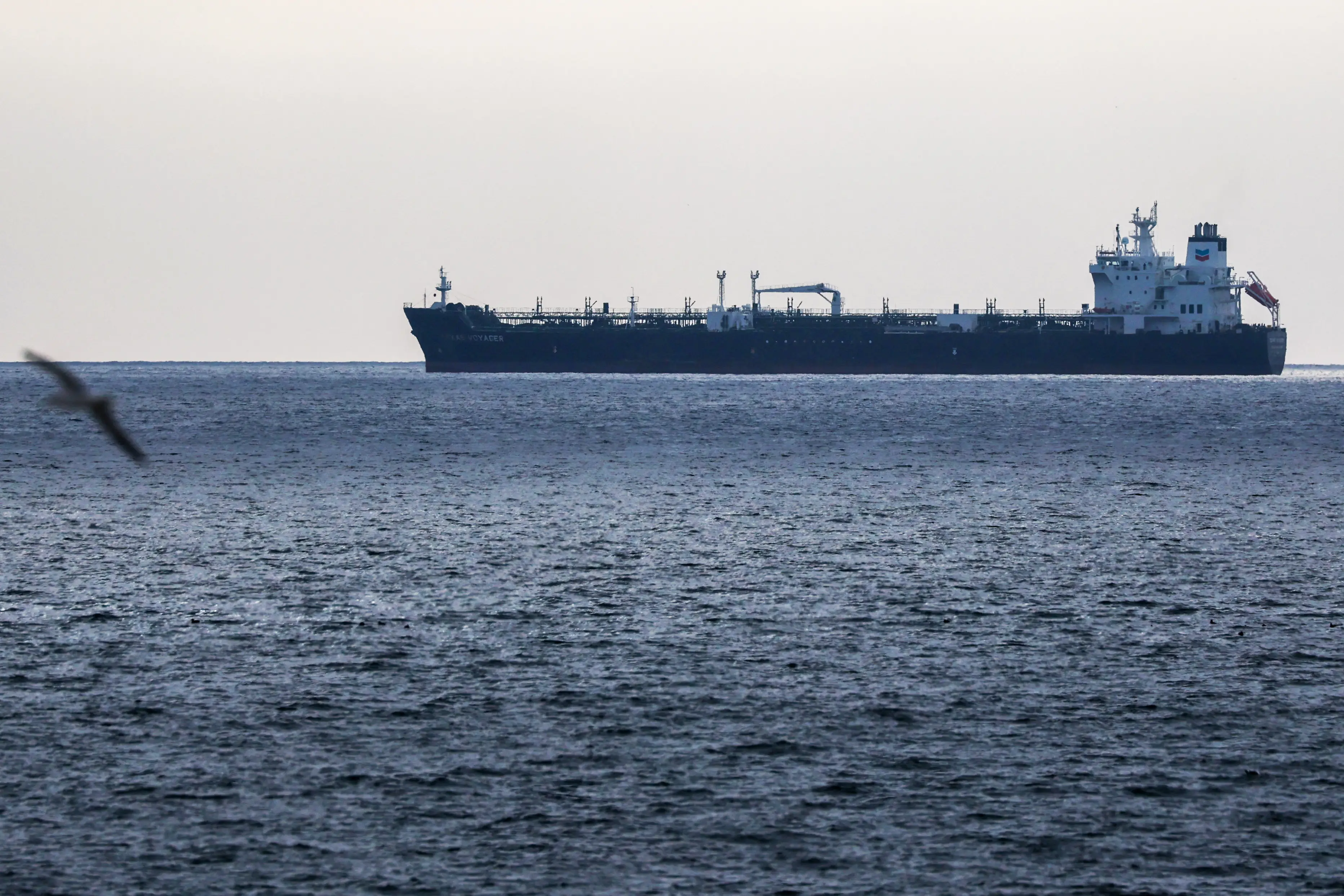
Despite the apparent opening, multiple constraints persist. Payment channels remain unclear, especially given the sanctions framework. A considerable portion of Iranian oil is carried on ageing “shadow fleet” tankers, raising insurance and compliance risks. Additionally, prior contractual structures tied buyers to the National Iranian Oil Company, whereas much of the current trade is handled through intermediaries.
A market shaped by sanctions history
Since sanctions were reimposed in 2018, China has dominated Iranian oil purchases, importing about 1.38 million barrels per day last year, attracted by discounted prices. Other former buyers, including India, Japan and South Korea, have largely stayed away. Whether this temporary waiver marks a meaningful shift or merely a short-lived adjustment will depend on how these operational and geopolitical challenges are resolved.
)
)
)
)
)